



Hand Painted Bird Jar
These hand painted bird jar examples bring centuries of avian illustration into your rooms through porcelain, pottery, and enamel.
Hand Painted Bird Jar
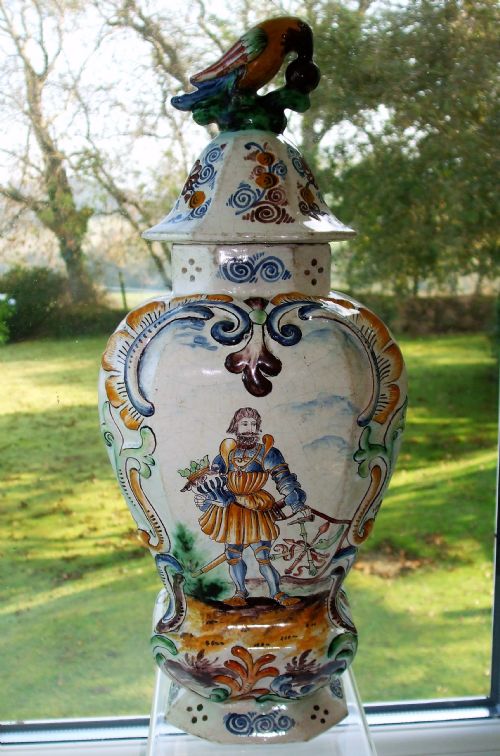
A hand painted bird jar covers lidded vessels, ginger jars, potpourri bowls, and biscuit barrels from various historical traditions. The forms range from 17th-century Dutch delftware and Chinese porcelain to Victorian ceramic and Edwardian lidded pots.
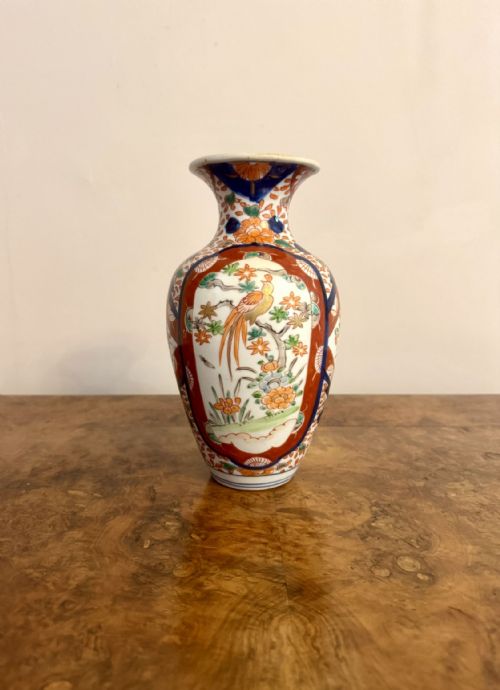
You will most frequently encounter lidded Dutch delftware jars and Japanese imari vases decorated with feathered subjects among these listings. These pieces serve as decorative focal points or functional containers for dried petals and biscuits.
The decorative subjects draw heavily on traditional bird and flower motifs executed in cobalt pigment, polychrome enamels, and gold leaf. Origin periods span from the 17th century through to the early 20th century.
Materials and construction methods
Potters shaped these vessels from tin-glazed earthenware, porcelain, and standard ceramic before applying detailed hand-painted pigments. Cobalt pigment and polychrome enamels form the primary colour palettes across the Dutch, Chinese, and European pieces.
Makers finished many examples with gilding, gold leaf, or silver plate mounts, particularly on Victorian biscuit barrels and Edwardian lidded pots. Firing techniques varied from traditional high-temperature kilns to specialised overglaze enamel decoration studios like Dresden and Samson of Paris.
Hand Painted Bird Jar Retail Price Guide 2026
Typical asking prices for hand painted bird jar among the pieces listed under this phrase on Sellingantiques today, from the lower quarter to the upper quarter. They describe what is for sale here now, not the wider market.
The decorative styles present include Dutch Baroque, Japanese Imari, Qing Dynasty, and Chinoiserie.
Assessing quality and execution
Quality rests upon the precision of the brushwork in the avian plumage and floral backgrounds, alongside the crispness of the glaze. Finer examples display confident, fluid brushstrokes by named porcelain painters rather than repetitive transfer printing.
The harmony between the ceramic body, the lid fitting, and any added silver plate or gilding dictates the overall standard. Early period pieces with intact covers command greater attention than later replacements or heavily restored bodies.
Royal Worcester·Samson of Paris·Dresden Porcelain
The Hand Painted Bird Jar Glossary
- Tin-glazed earthenware
- Pottery covered with an opaque white tin glaze that accepts painted metallic oxide colours. This forms the basis of traditional Delftware vessels.
- Biscuit barrel
- A ceramic or porcelain lidded jar used historically on dining tables for biscuits and dry goods. Victorian examples often feature silver plate mounts and swing handles.
- Potpourri
- A mixture of dried petals and spices held in a lidded bowl or jar to scent a room. The vessels feature pierced or perforated covers to release the fragrance.
- Polychrome
- Decoration utilising multiple distinct colours rather than a single monochrome pigment like blue and white. This style appears frequently in 18th-century and Victorian wares.
- Chinoiserie
- European artistic style reflecting Chinese and East Asian motifs. It appears across Dutch Baroque pottery and later decorative jars.
Hand Painted Bird Jar: Frequently Asked Questions
What were hand painted bird jars used for?
These lidded vessels served varied household functions, from storing dry goods and biscuits to holding aromatic potpourri mixtures in the drawing room. Many simply acted as decorative garniture sets on mantelpieces.
Over the centuries, their specific uses evolved alongside interior fashion, shifting from utilitarian storage to purely ornamental display pieces in Victorian and Edwardian homes.
How do I date a ceramic bird jar?
Dating relies on examining the ceramic body, glaze characteristics, base marks, and the style of the hand-painted avian motifs. Earlier 17th and 18th-century pieces often show coarser earthenware bodies with tin glazes, while later Victorian and Edwardian items utilise refined porcelain or added metal mounts.
Comparing the painting technique against known factory styles, such as Delft or Samson of Paris, helps narrow down the production era.
Are lids usually original to these jars?
Lids require careful inspection because covers frequently suffered damage or became separated from their base vessels over centuries of handling. Matching the glaze crazing, wear patterns, and clay body between the jar and the cover confirms originality.
Original matching lids significantly influence the integrity and character of historical ginger jars and potpourri pots.
How should I display my jar at home?
Position your lidded jar in a stable spot away from direct sunlight and high traffic areas to protect the delicate enamel and gilding work. Placing them on mantelpieces, cabinets, or side tables allows the hand-painted bird details to be appreciated at eye level.
Keep porcelain and earthenware away from damp environments to preserve the glaze condition over time.