
Victorian Painted Canvas Art
These Victorian painted canvas art pieces offer an authentic window into nineteenth-century life through traditional oil portraits, landscapes, and genre scenes.
Victorian Painted Canvas Art
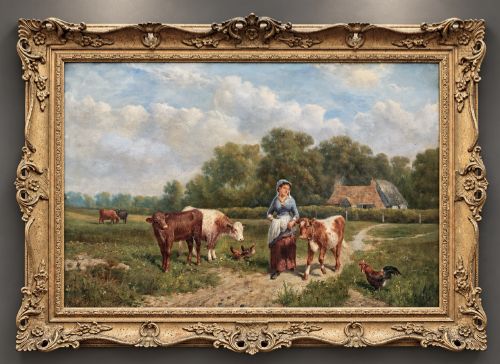
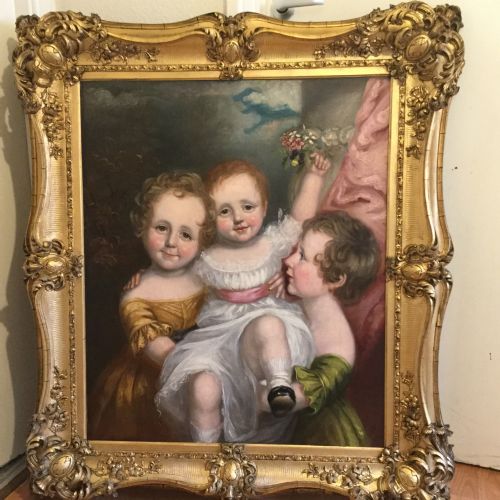
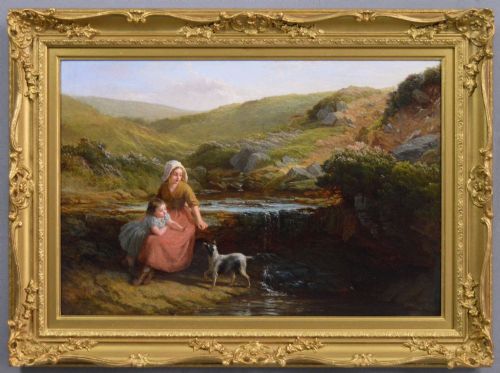
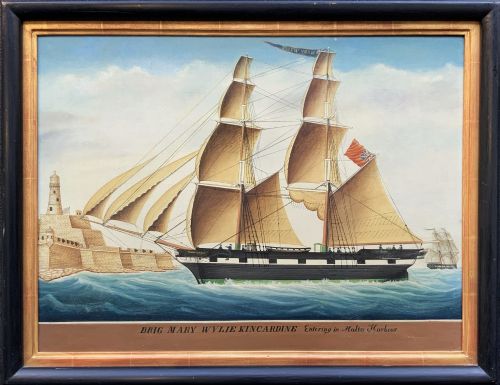
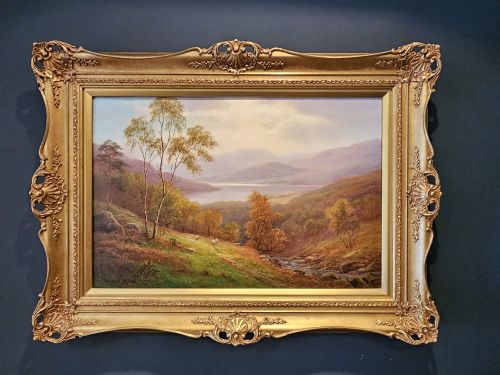
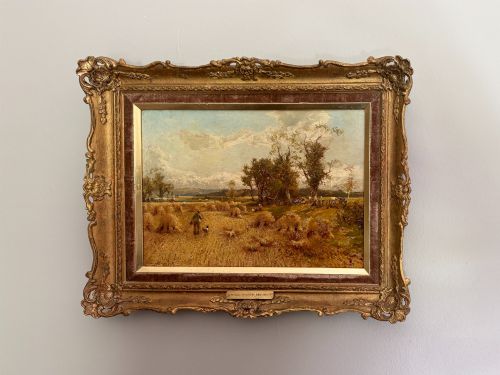
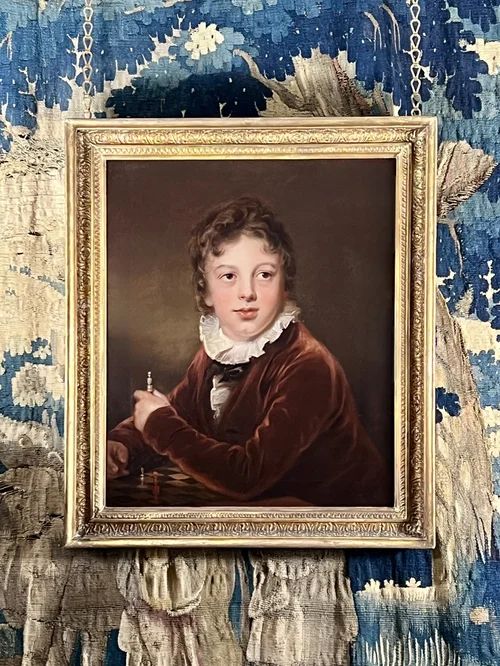
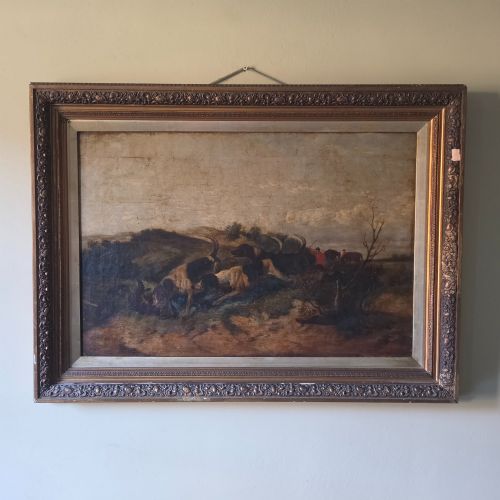
Buyers seeking victorian painted canvas art encounter traditional oil paintings executed on stretched canvas support structures. These works span portraits of individuals and animals, romantic landscapes, maritime scenes, and domestic genre subjects created during the nineteenth century.
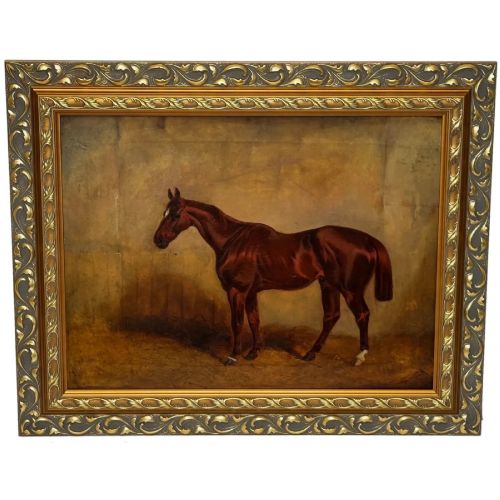
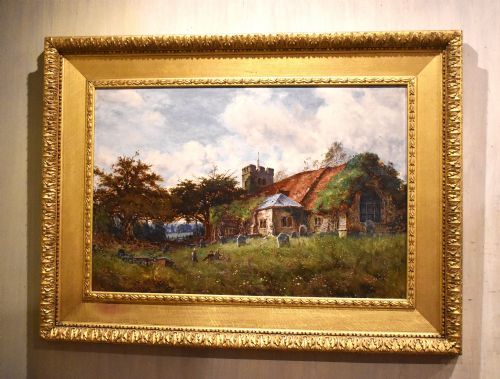
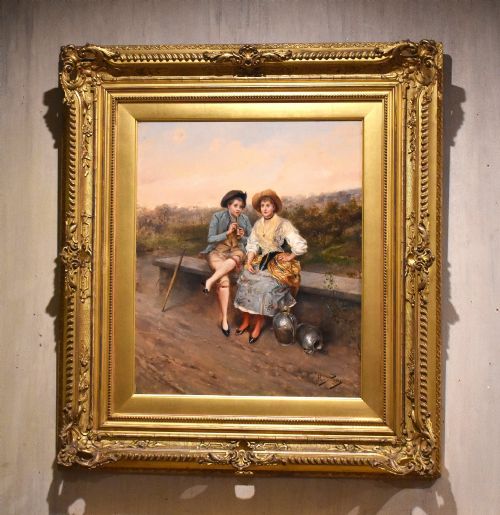
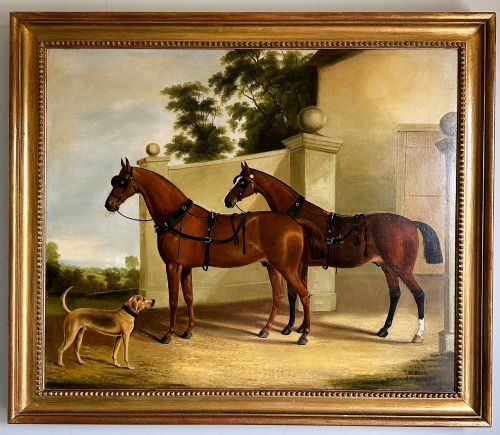
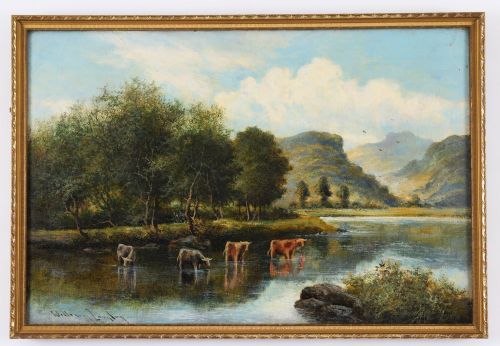
The most common examples on this page are British and European oil paintings from the 1800s, often housed within period wood, giltwood, and gesso frames. Subjects range from prize livestock and sporting scenes to intimate interior gatherings and detailed topographical views.
Makers represented include named artists working in distinct regional schools across Britain and continental Europe, alongside naive and follower works from the same era.
Materials and construction methods
The physical works rely fundamentally on oil paint applied to woven canvas stretched over wooden frames, utilising traditional ground layers to prepare the textile surface.
Framing typically involves carved wood or moulded gesso finished with gold leaf or giltwood, completing the structural presentation of each painting.
Current listings feature oil on canvas works spanning the 19th century through the Victorian period, utilising wood, giltwood, and gesso framing.
Distinctions in quality
Quality rests upon the artist's command of proportion, light, and anatomical detail, particularly visible in complex portraiture and animal studies. Finer works demonstrate confident brushwork and nuanced colour mixing that bring depth to fabrics, landscapes, and facial expressions.
The preservation of the original paint layer and canvas tension distinguishes superior examples, alongside the integrity of period frames utilising gesso and gold leaf.
William Oliver·Eugène Verboeckhoven·Richard Sebastian Bond·William Beattie-Brown·Felix Stone Moscheles·Valentine T Garland·John Maler Collier·Dumini Leopoldo·Frederick Marriott·Arthur Wardle·John Horace Hooper·William McAlpine·Alfred Fontville de Breanski Jr·Stephen Samuel Lewin·John Rose Miles·Vittorio Reggianini·Thomas W Lascelles·Mark William Langlois·David Bates·Thomas Smythe·Albert Clark·Alfred Lyndon Grace
The Victorian Painted Canvas Art Glossary
- Canvas
- A heavy woven fabric stretched tightly across a wooden frame to serve as the primary support for oil paintings. It provides a durable and textured surface for pigment application.
- Giltwood
- Wood carved and coated with a thin layer of gold leaf or metallic powder. This finish appears frequently on antique picture frames.
- Gesso
- A plaster-like mixture applied to wooden frames or canvas grounds to create a smooth surface for gilding and painting. It allows intricate decorative moulding on antique frames.
- Genre Painting
- Artworks depicting scenes from everyday life, ordinary people, and domestic interiors. These subjects formed a major category of nineteenth-century production.
- Naive School
- Art produced by painters with little or no formal academic training, characterised by direct perspective and simplified forms. These works offer a distinct alternative to official academy painting.
Victorian Painted Canvas Art: Frequently Asked Questions
How do I identify a nineteenth-century oil painting?
Examine the canvas weave, stretcher construction, and the ageing characteristics of the oil paint layer. Pigments and preparation methods from this era differ visibly from modern synthetic materials.
Signatures, artist plaques, and exhibition labels on the reverse or frame can also help confirm the period of execution.
What subjects are common in these paintings?
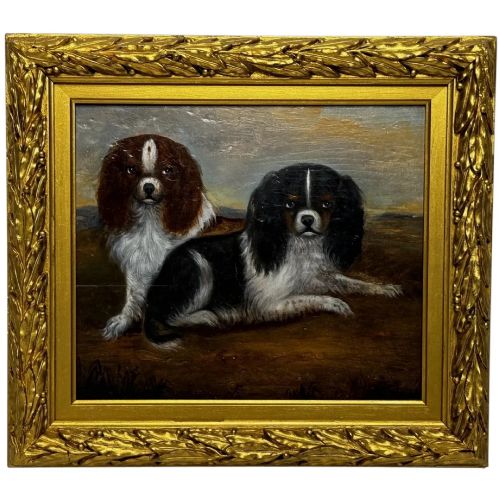
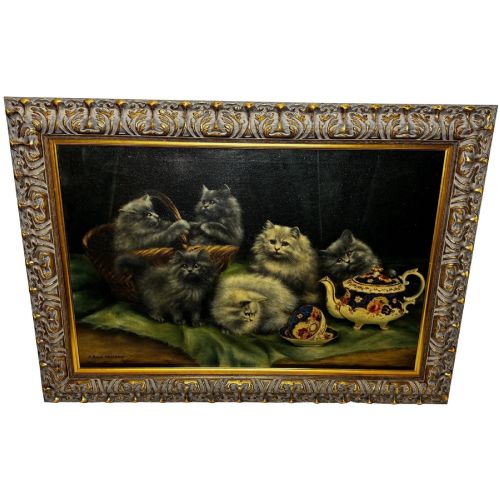
Popular themes include human portraits, livestock, domestic animals, coastal marine views, and rural landscapes. Artists frequently documented contemporary rural life, sporting pursuits, and domestic interiors.
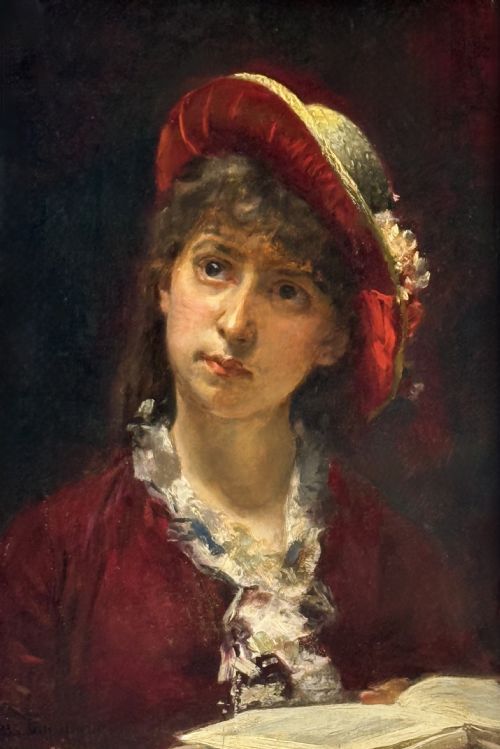
Portraiture ranges from commissioned likenesses of professionals and nobility to character studies of everyday people.
How should I care for an oil painting on canvas?
Keep the artwork away from direct sunlight, high humidity, and rapid temperature fluctuations that can cause the canvas and paint to warp or crack. Dust the surface gently with a soft, dry brush without applying pressure.
Avoid using water or liquid cleaners directly on the painted canvas or the gilded frame.
Are these paintings supplied with their original frames?
Many listings include period frames made from wood, giltwood, and gesso that match the era of the artwork. These frames often show age-appropriate wear that corresponds to the history of the canvas.
Review individual descriptions to confirm whether the framing is contemporary to the painting's creation.