



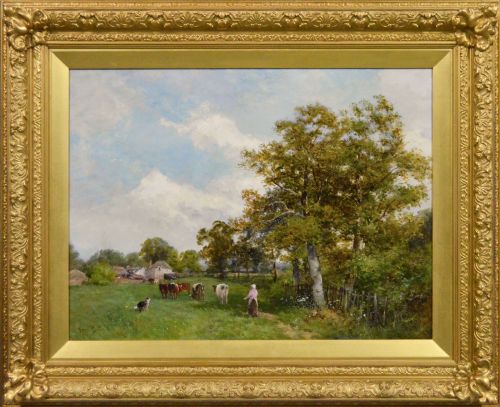
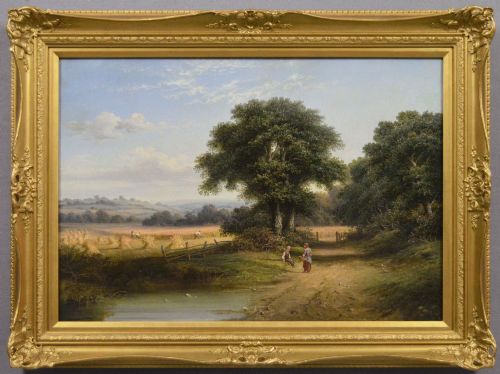
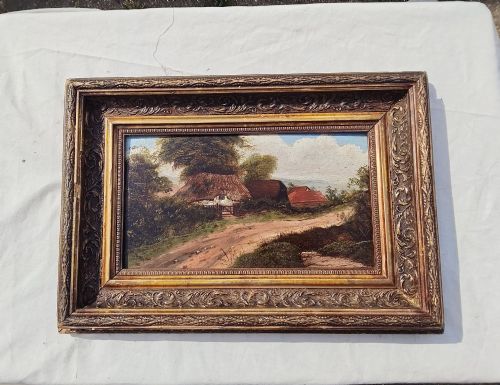
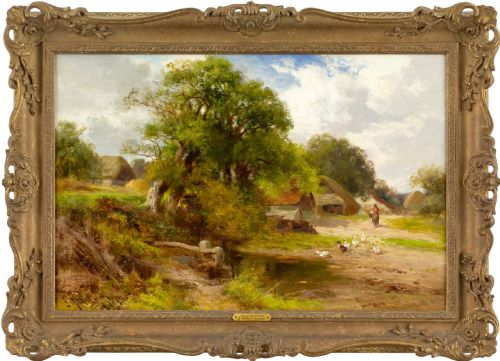
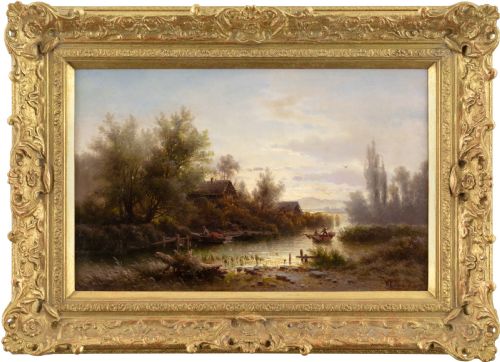
Traditional Oil Landscape Picture
A traditional oil landscape picture brings the depth of the countryside and coast indoors, offering a window into past centuries through rich brushwork.
Traditional Oil Landscape Picture
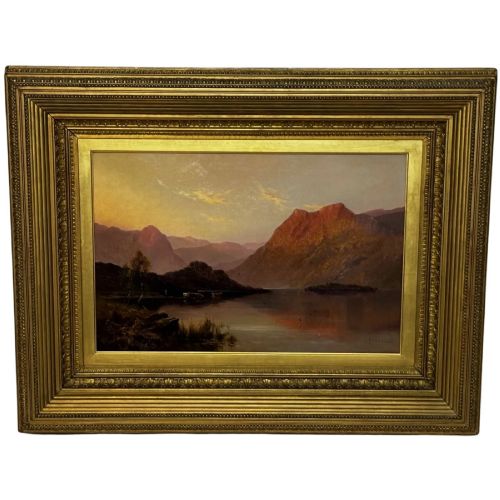
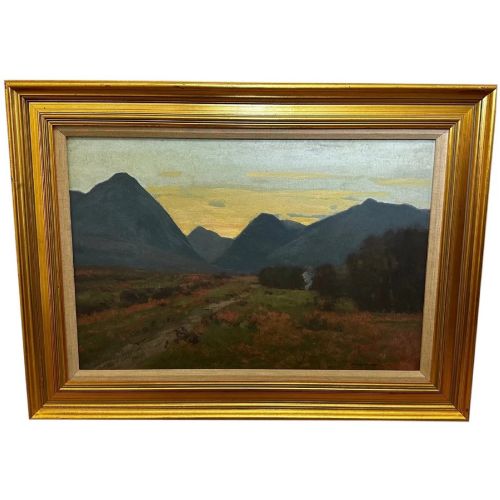
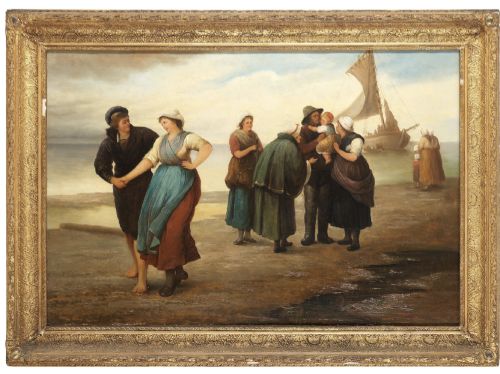
A traditional oil landscape picture captures natural scenery, rural life, and pastoral views, often featuring figures, livestock, or maritime settings. These works span periods from the nineteenth century into the twentieth century, encompassing British, French, and Dutch schools.
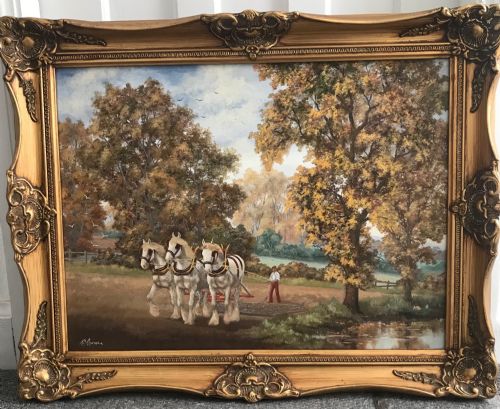
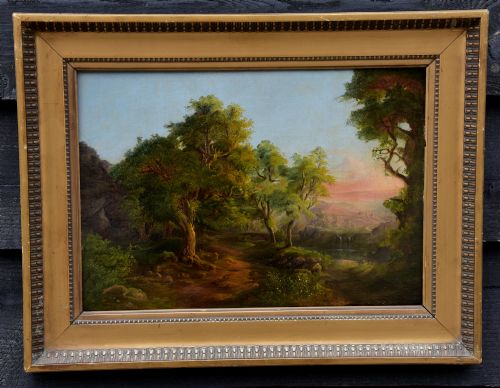
The most common examples on this page are nineteenth century and Victorian canvases or wood panels depicting woodland scenes, river valleys, and highland cattle. Buyers encounter both signed works by known artists and pieces attributed to regional schools.
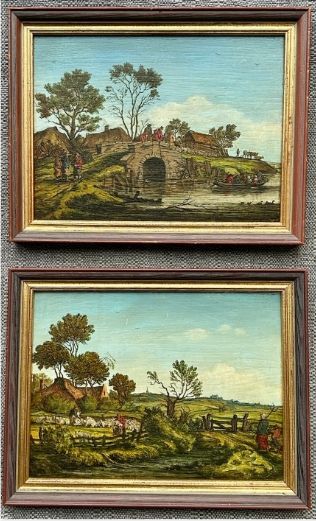
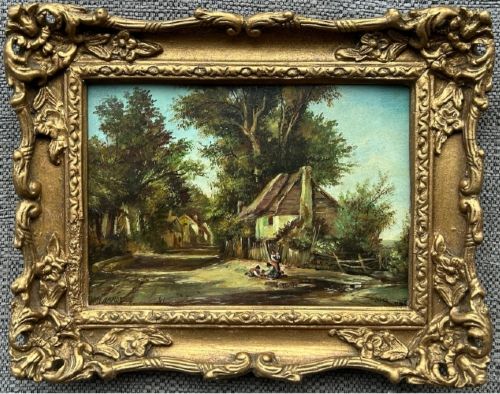
Subjects range from quiet coastal views and thatched cottages to expansive agricultural fields and mountainous terrain. Each piece reflects the specific stylistic conventions of its decade, from romanticism to early twentieth century impressionism.
Materials and Techniques
Artists painted primarily with oil paint on stretched canvas, wood panels, or boards, building up layers of pigment to create texture and depth. Ground layers of gesso often prepared wooden panels and boards before the application of oil.
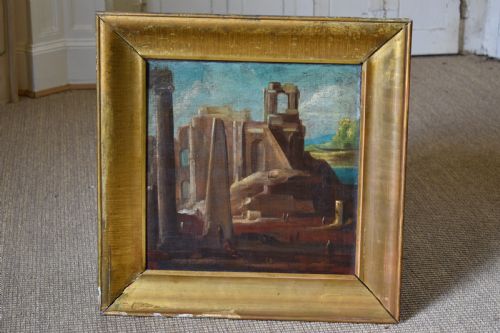
Many of these works sit within ornate gilt wood and gesso frames that complement the depth of the palette. The combination of durable oil pigments and wooden supports has allowed these paintings to survive across centuries.
Traditional Oil Landscape Picture Retail Price Guide 2026
Typical asking prices for traditional oil landscape picture among the pieces listed under this phrase on Sellingantiques today, from the lower quarter to the upper quarter. They describe what is for sale here now, not the wider market.
Several canvases quietly record Victorian farmyard cows and shires staring out at the painter with immense personal dignity.
Quality Variations
The distinction between standard works and exceptional pieces lies in the handling of light, atmospheric perspective, and fine brushwork detail. Superior examples display confident command over texture and natural proportion, particularly in the rendering of animals, water, and foliage.
Condition of both the paint surface and the original frame influences the overall integrity of the piece. Works that retain their untouched surface texture and period framing command stronger visual presence.
William H Myers·Alfred Fontville de Breanski Jr·George Houston RSA RSW·David Bates·Walter Heath Williams·John Horace Hooper·Albert Rieger·Charles Leslie·Henry Yeen King·Robert Watson·T C Hofland·William Greaves·Henry Schouten·Sydney Yates Johnson·Hubert Wellington·Charles Walter Simpson·Henry Robinson Hall·Thomas Sidney Cooper
The Traditional Oil Landscape Picture Glossary
- Oil on Canvas
- Pigment mixed with drying oil applied to a woven fabric support. This method allows for subtle blending and textured impasto work.
- Wood Panel
- A rigid wooden support used by artists instead of canvas. Panels often provide a smoother surface for fine detail work.
- Giltwood
- Wood carved and coated with gold leaf or gold paint. This finish frequently adorns the frames accompanying nineteenth century paintings.
- ,Gesso
- A plaster mixture used as a base coat on wood panels or frames. It creates a smooth, prepared surface for subsequent layers of paint or gilding.
- Impressionism
- A style of painting emphasising immediate visual impressions through unblended colour and short brush strokes. It appears in late nineteenth and early twentieth century works.
Traditional Oil Landscape Picture: Frequently Asked Questions
How do I care for an oil painting?
Keep the painting away from direct sunlight and extreme temperature fluctuations to prevent the canvas or wood panel from warping and the oil paint from cracking.
Dust the surface gently with a soft, dry brush and avoid using water or chemical cleaners on either the canvas or the frame.
Are these paintings original works?
The selection consists of original hand-painted works rather than modern mass-produced prints or reproductions. Artists applied oil paints directly to canvas, wood panels, or boards during the nineteenth and twentieth centuries.
Signatures, artist attributions, and exhibition labels often help confirm the handmade provenance of individual pieces.
How do I hang a heavy framed landscape?
Ensure your wall fixings are secured directly into wall studs or masonry rather than relying solely on standard plasterboard plugs. The weight of traditional gilt wood frames requires robust picture wire and sturdy wall hooks.
Position the centre of the picture at approximately eye level for optimal viewing balance in a room.
How can I tell the period of a painting?
Examine the stretcher bars, canvas weave, and framing materials for clues regarding the date of creation. Nineteenth century works often feature hand-planed wooden panels or specific canvas stamp marks from period art suppliers.
Stylistic conventions, clothing styles of figures depicted, and artist signatures also provide reliable chronological indicators.