
Victorian Overmantle Mirror
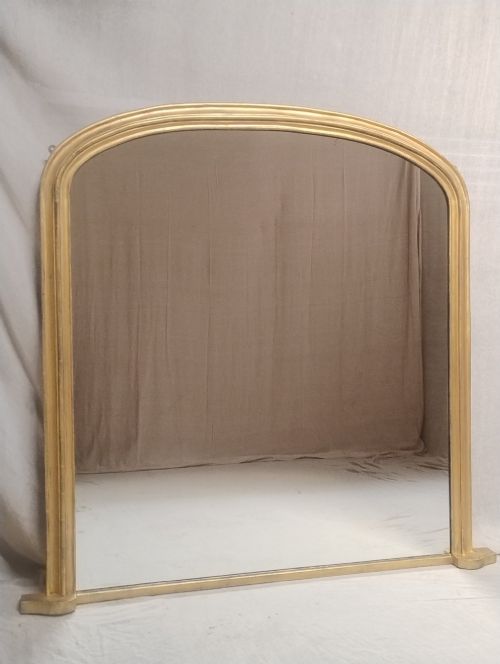
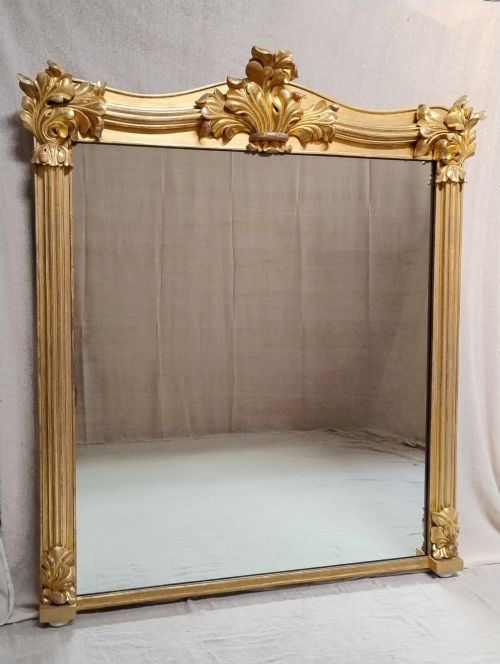
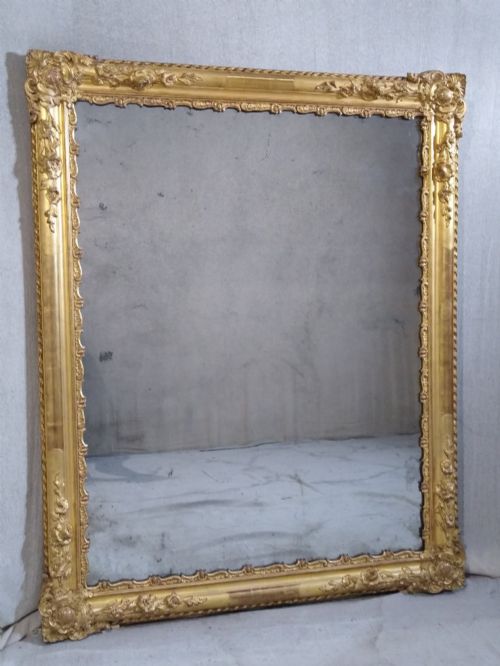
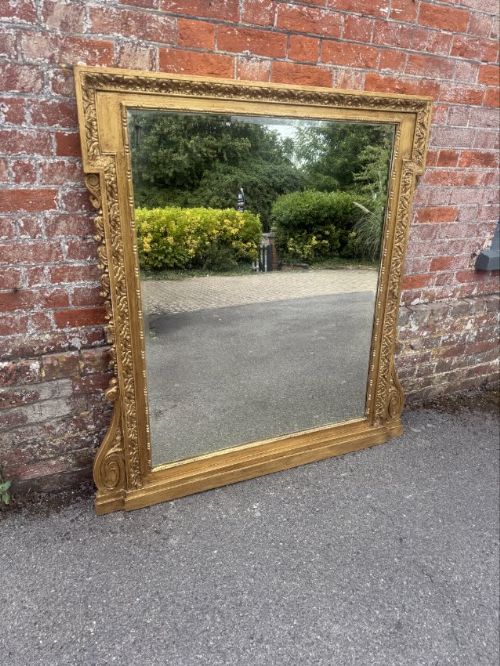
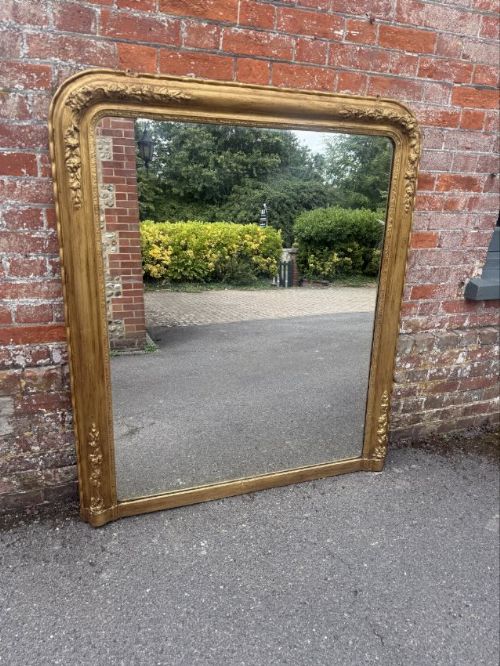
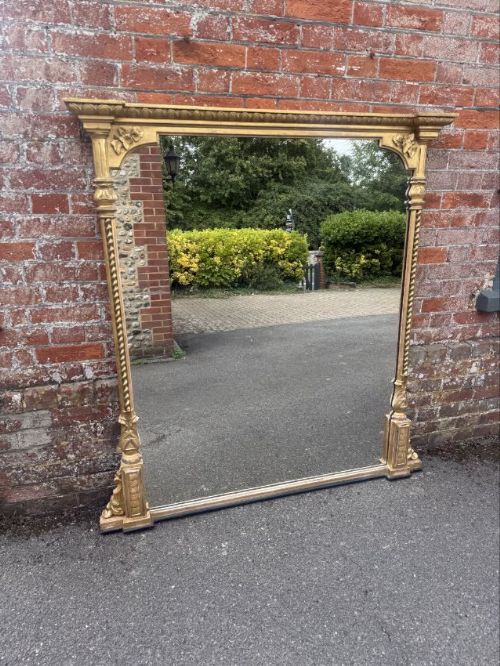
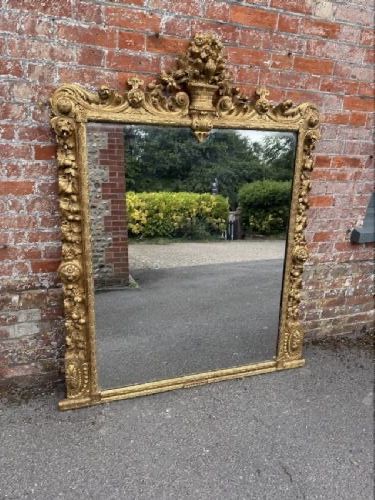
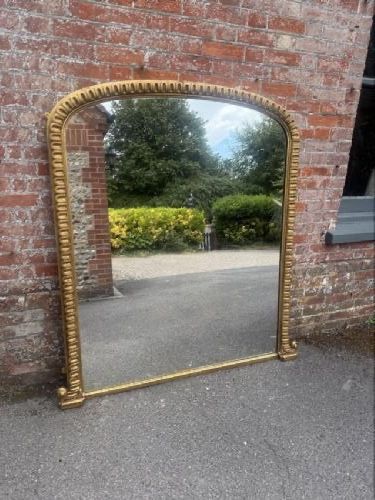
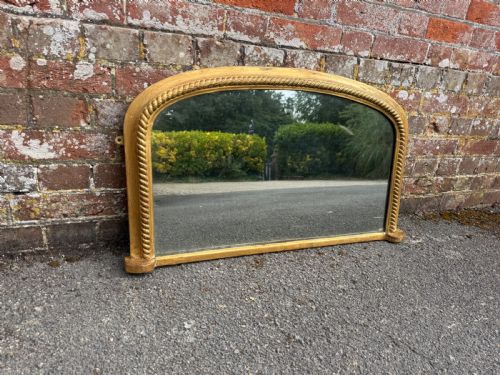
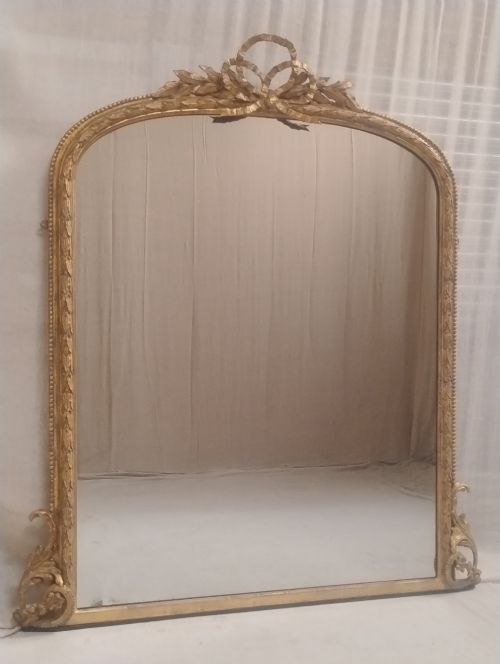
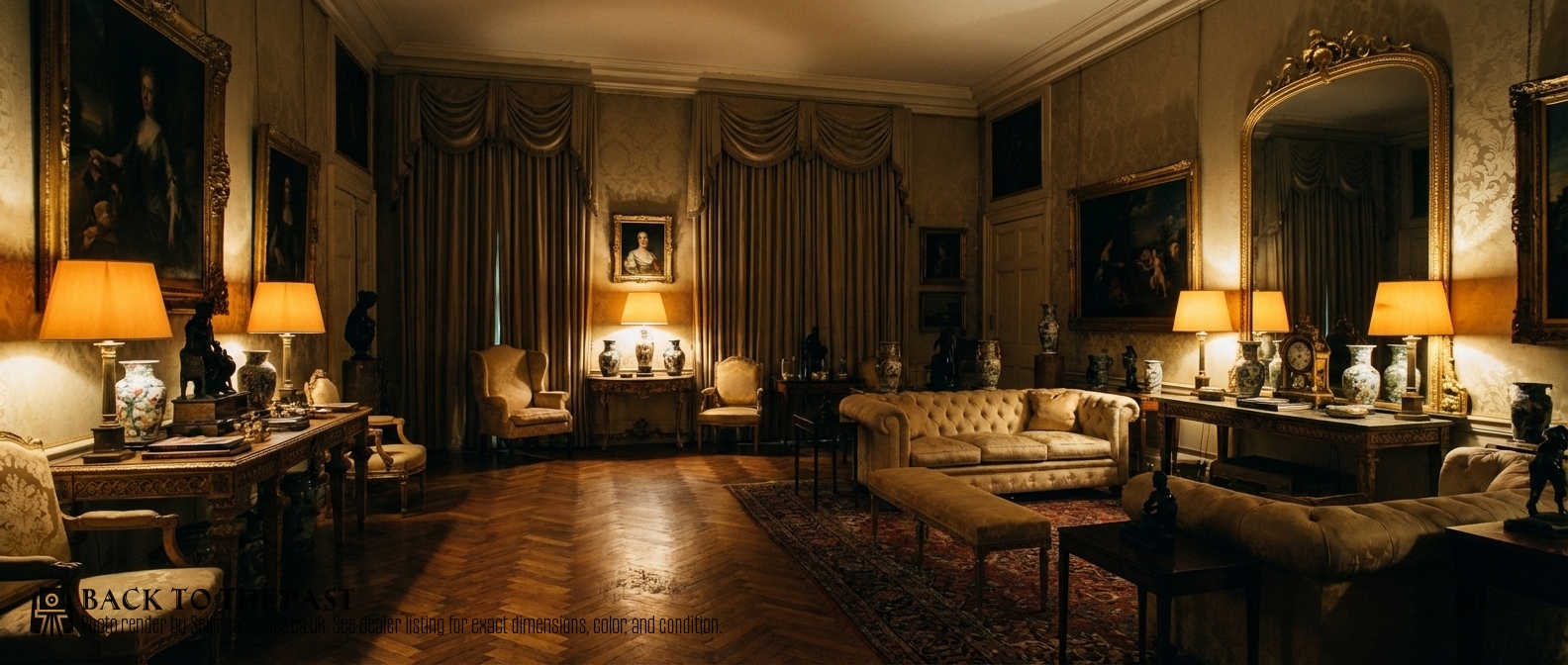
A victorian overmantle mirror sits above the fireplace, bringing scale and reflected light into a room through carved wood, gesso, and gilt surfaces.
Victorian Overmantle Mirror
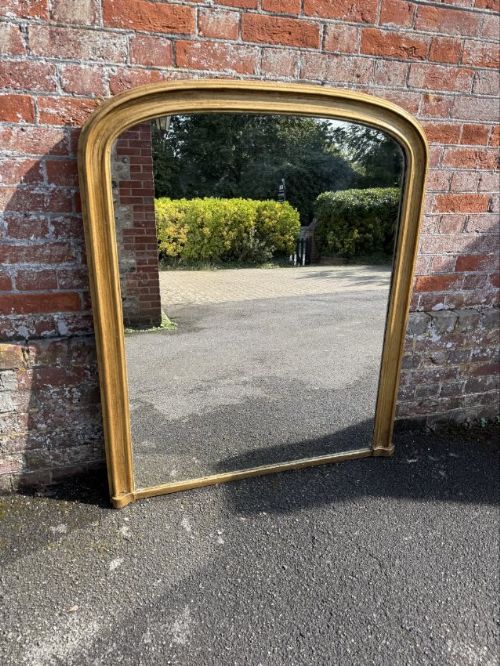
A victorian overmantle mirror is a large wall glass designed specifically to hang on the chimney breast above a fireplace mantelpiece. The pieces found here span the nineteenth century, including examples dated across the eighteen fifties, sixties, seventies, eighties, and nineties.
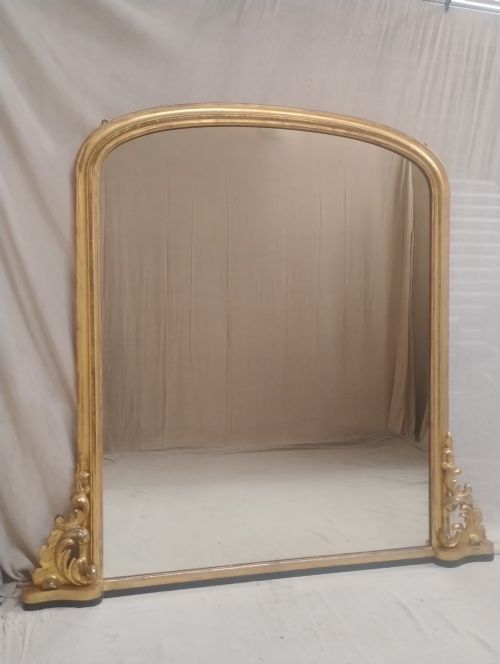
The primary forms take shape as arch top, shaped top, and triple plate configurations framed in substantial proportions. English craftsmanship dominates the selection alongside French chateau influences and styles such as rococo revival, neoclassical, and regency.
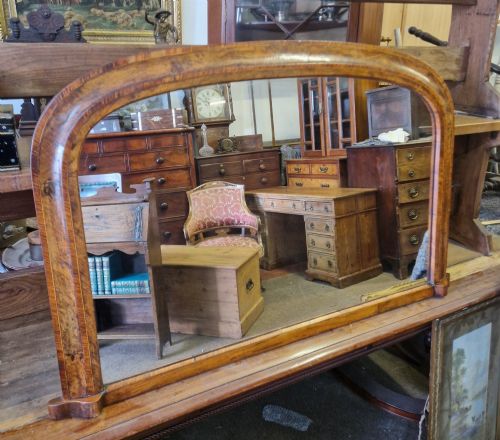
Makers and makers of taste utilised robust timbers like oak, walnut, and rosewood, frequently applying ebonised and parcel gilt finishes. Collectors encounter wall pier mirrors and expansive architectural plates intended to dominate a principal reception room.
How They Were Made
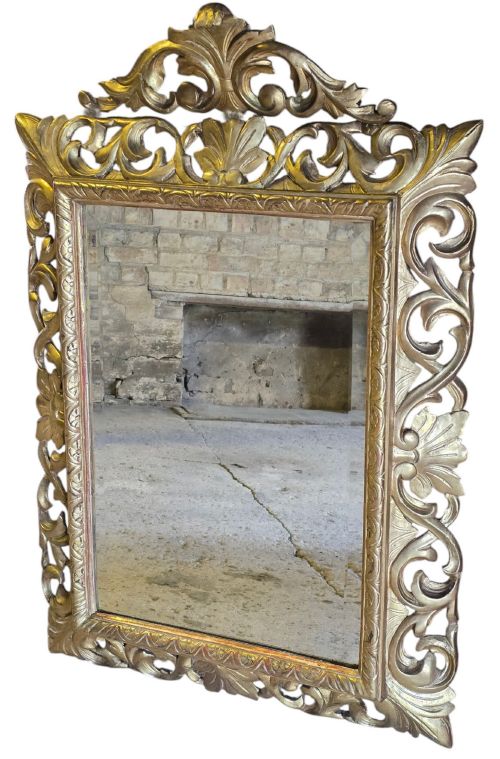
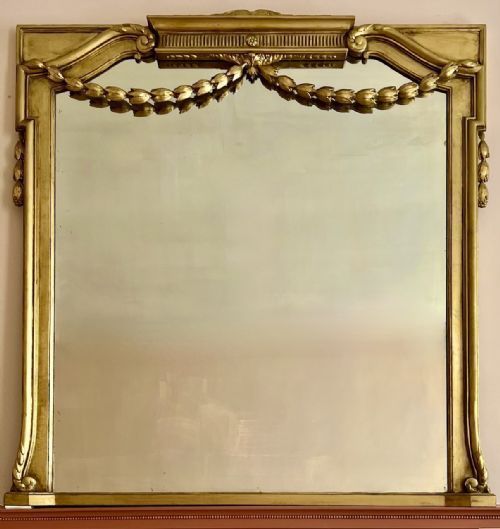
Carved wood provides the structural skeleton for these heavy plates, utilising foundational timbers such as oak, walnut, and rosewood. Craftsmen layered composition and gesso over the wooden base to build up intricate raised ornamentation before applying gold leaf or liquid gilding.
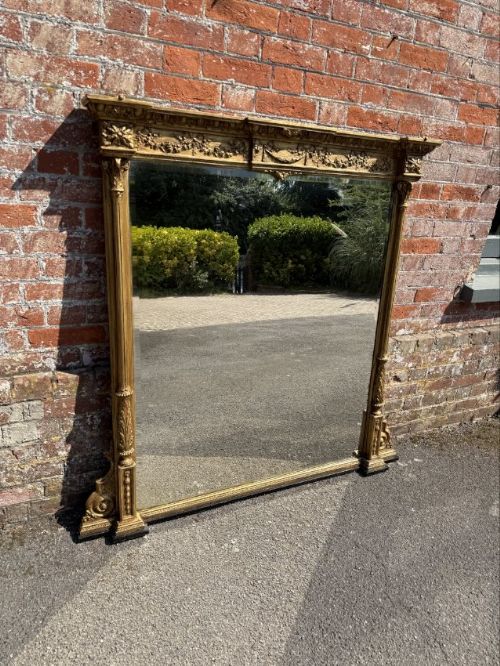
Frames incorporate decorative details formed from rope twists, column pilasters, ribbed moulding, and tulip motifs. Mirror glass is set into the rebate, sometimes divided across multiple plates as seen in triple plate overmantels.
Design styles span french chateau, rococo revival, neoclassical, and aesthetic period ebonised finishes.
What Varies in Quality
The crispness of the carved wood and gesso ornamentation determines the visual fidelity of the frame. Deeply undercut rope twists, column details, and crisp floral motifs demonstrate superior hand-carving over cast composition alternatives.
The original integrity of the gilding and glass plate distinguishes finer examples. Surviving gold leaf surfaces and original mirror plates retain a depth of reflection and warmth that indicates superior nineteenth-century workshop production.
The Victorian Overmantle Mirror Glossary
- Gesso
- A plaster-like mixture applied to wood frames to create a smooth surface for gilding. Artisans carved intricate decorative motifs directly into this dried layer.
- Overmantel
- A mirror or decorative fixture designed to sit directly above a mantelpiece or fireplace. These items were proportioned to match the scale of the hearth below.
- Parcel Gilt
- A finishing technique where portions of an object are gilded with gold leaf while other areas show painted, ebonised, or natural wood. This creates contrast across the moulded frame.
- Triple Plate
- A mirror construction featuring three distinct glass panels within a single frame. The flanking plates are often angled slightly to catch light from different directions.
- Giltwood
- Timber that has been coated with thin sheets of gold leaf. It forms the primary bright reflective framing material of the period.
Victorian Overmantle Mirror: Frequently Asked Questions
Where should an overmantle mirror hang?
These mirrors were historically manufactured to rest or hang securely on the wall directly above a fireplace mantelpiece. Their heavy proportions anchor the vertical space of the chimney breast.
They also function effectively in large hallways and principal reception rooms as standalone wall pier mirrors. The placement depends on ceiling height and the physical weight of the timber frame.
What styles are common in these mirrors?
Nineteenth-century pieces frequently display rococo revival, neoclassical, and french chateau influences. Frames incorporate architectural columns, swept curves, and arched tops.
Ebonised and parcel gilt finishes appear alongside traditional bright gold leaf surfaces. Makers also drew upon nautical themes and Adam style ornamentation.
How do triple plate mirrors differ?
Triple plate versions divide the reflective surface into three distinct sections within one large frame. This configuration widens the visual span across the fireplace.
Side panels frequently angle outward to catch and disperse light across a larger area of the interior. These multi-plate formats are characteristic of formal nineteenth-century reception rooms.
What woods are used beneath the gilding?
Carved wood forms the structural base beneath layers of gesso and gold leaf or composition. Common foundational timbers include oak, walnut, and rosewood.
Some examples leave these dark woods exposed as ebonised and parcel gilt surfaces rather than applying full gilding. The underlying material provides the necessary weight to support heavy glass plates.