

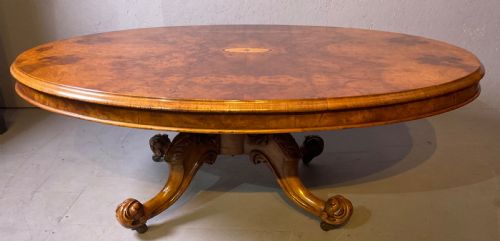
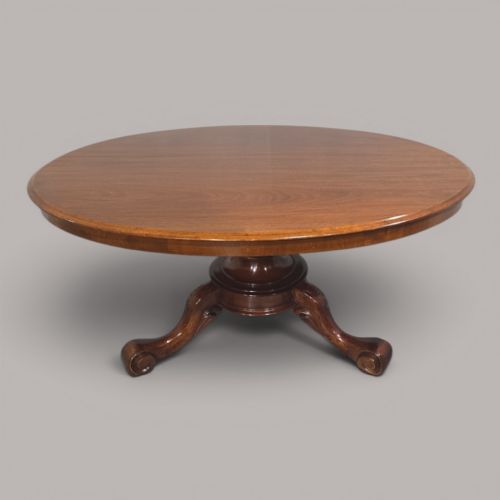
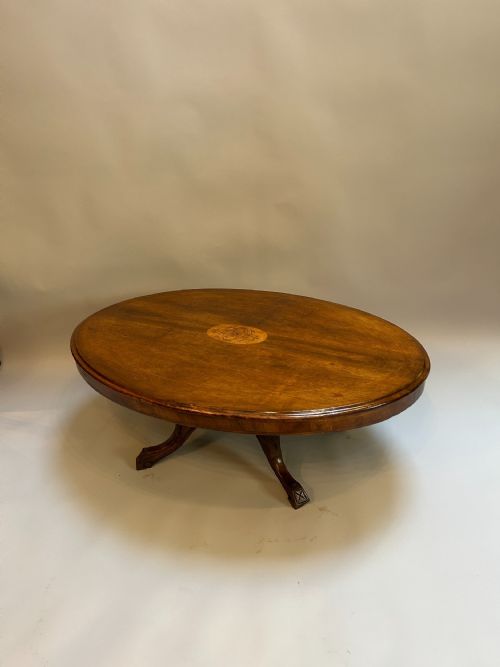
Victorian Oval Tea Table
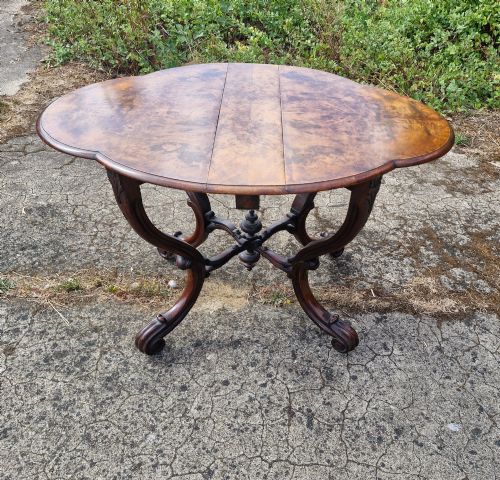
A victorian oval tea table brings nineteenth-century warmth into a modern room, offering rich wood grains and compact proportions.
Victorian Oval Tea Table
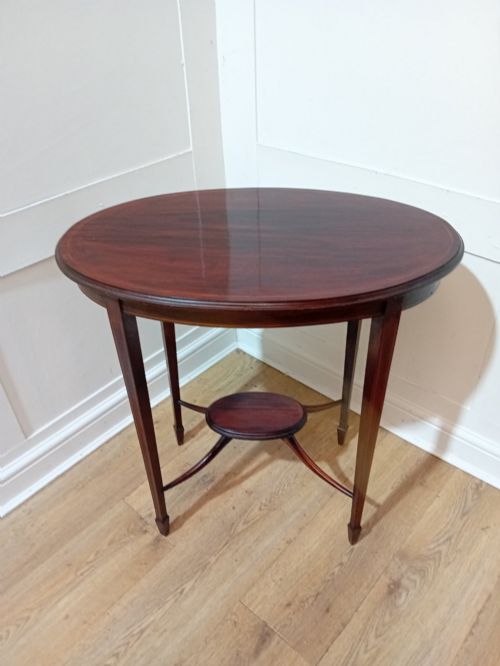
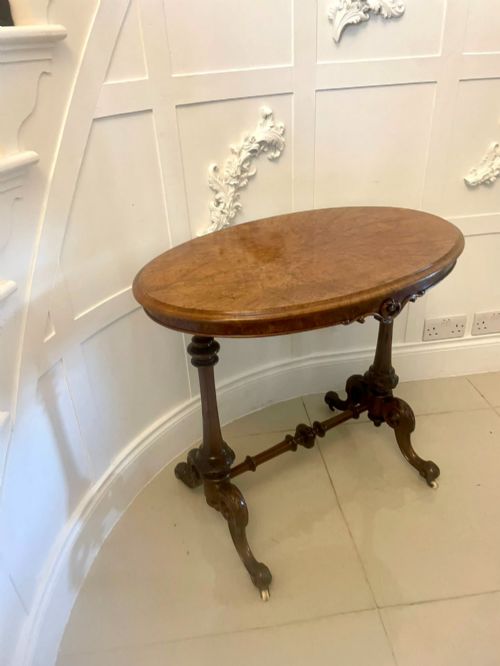
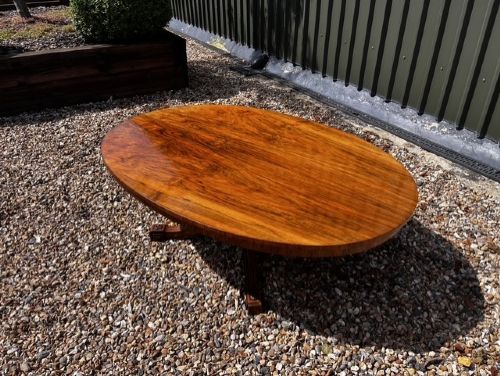
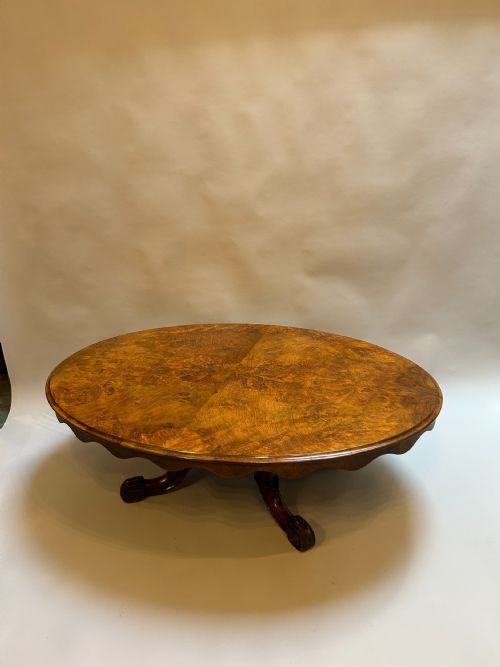
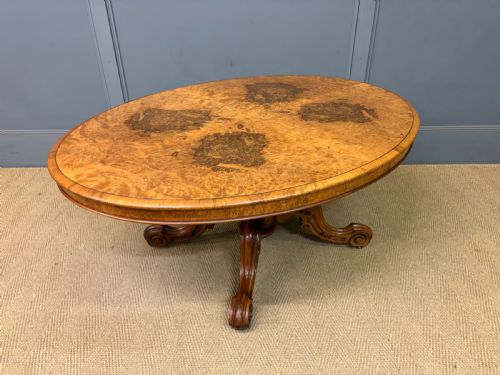
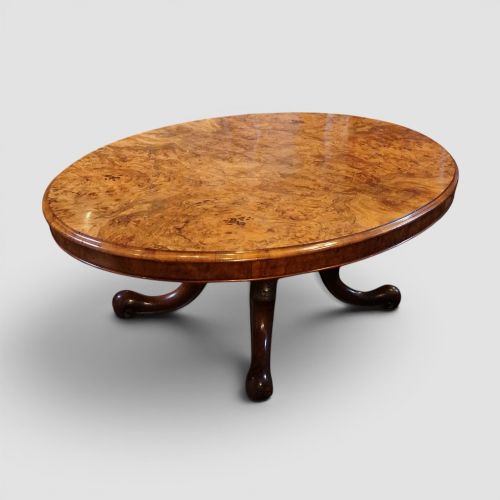
A victorian oval tea table typically appears as a coffee table, centre table, or occasional table shaped by nineteenth-century cabinet makers. Walnut and burr walnut dominate these listings, alongside mahogany and rosewood.
Makers fashioned these pieces during the Victorian period, with dates clustering from the middle decades through to nineteen hundred. Styles stretch from Sheraton revival and aesthetic movement to Chinoiserie and Regency revivals.
Buyers meet variations that include drop-leaf formats, sissor actions, and Sutherland tables designed for flexible placement in reception rooms.
Materials and Technique
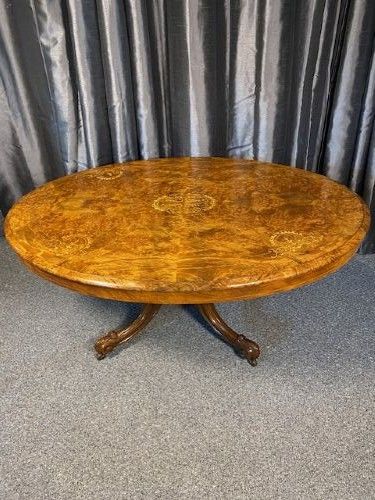
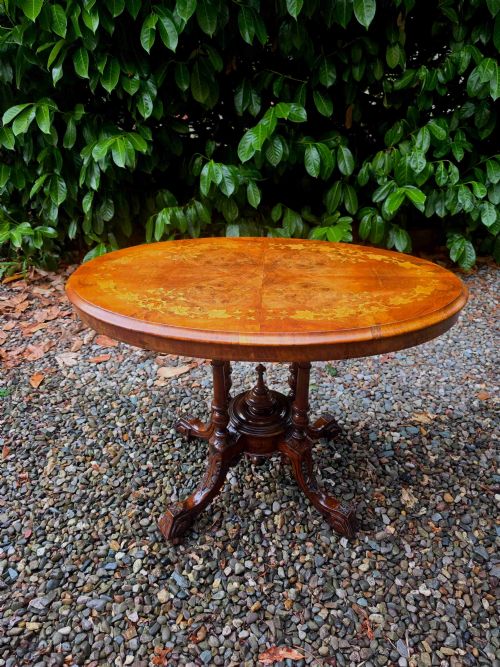
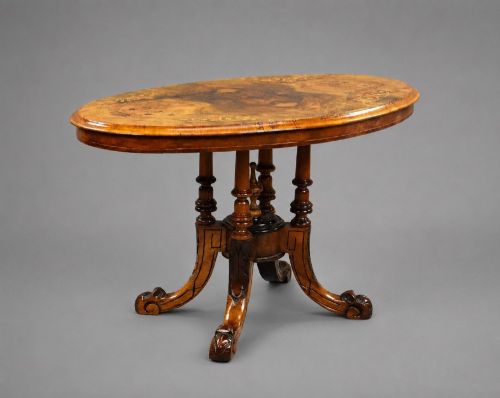
Cabinet makers utilised solid timbers alongside figured veneers like burr walnut to create striking top surfaces. Inlay work frequently incorporates boxwood, satinwood, and floral marquetry to accent the oval borders.
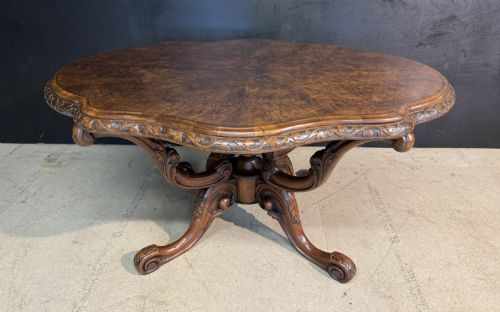
Hand-carved bases, tripod supports, and brass fittings provide structural stability beneath the polished timber tops. Joinery methods of the nineteenth century ensure that these tables survive through heavy domestic use.
Victorian Oval Tea Table Retail Price Guide 2026
Typical asking prices for victorian oval tea table among the pieces listed under this phrase on Sellingantiques today, from the lower quarter to the upper quarter. They describe what is for sale here now, not the wider market.
Some tables hide sissor actions and drop leaves, proving that nineteenth-century Victorians loved transforming furniture just as much as we do.
Judging Quality
Depth of grain figure in the burr walnut and the precision of the marquetry inlay set the finest examples apart. Superior items exhibit crisp hand-carved foliage and balanced proportions in the timber frame.
Attribution to documented workshops or makers elevates an item, whereas later alterations, such as modern cast iron bases fitted to period tops, change the historical character.
Holland And Sons·Gillows
The Victorian Oval Tea Table Glossary
- Burr Walnut
- A timber harvested from walnut tree growths that produces intricate, swirling grain patterns. Cabinet makers prized this wood for veneering prominent table tops.
- Marquetry
- Decorative patterns formed by fitting small pieces of veneer into a wooden background. Artisans used contrasting woods like boxwood and satinwood to depict floral motifs.
- Sutherland Table
- A narrow drop-leaf table with hinged flaps supported by pivoting swing legs. This clever mechanism allows the surface to expand or fold flat against a wall.
- Etagere
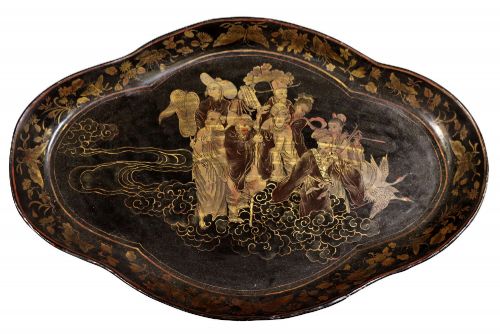
- A set of open shelves or tiers used for displaying small objects. Nineteenth-century examples often incorporate tray tops for easy movement.
- Loo Table
- A large Victorian round or oval table designed for card games and social gatherings. Many feature tilt-top mechanisms to save space when not in use.
Victorian Oval Tea Table: Frequently Asked Questions
What is a victorian oval tea table used for today?
These tables function well as central coffee tables in living spaces or as occasional surfaces beside armchairs. Their proportions suit modern drinks, books, and lamps.
Lower heights and compact footprints allow them to anchor a room without dominating the floor space.
How do I care for burr walnut veneer?
Keep wooden surfaces away from direct sunlight and steady heat sources to prevent the veneer from drying or cracking. Regular dusting with a soft, dry cloth preserves the polished finish.
Avoid silicone polishes and moisture pooling on the intricate marquetry inlay.
What distinguishes a centre table from an occasional table?
Centre tables typically stand freestanding in the middle of a room, finished with detail on all sides for all-round viewing. They generally possess grander proportions and heavier architectural bases.
Occasional tables are lighter, easily moved to the edge of a room, and used intermittently for specific tasks.
How can I tell a nineteenth-century table from a revival piece?
Examine the construction methods, timber shrinkage, and hand-cut joinery visible beneath the frame. Nineteenth-century pieces display genuine patina and wear consistent with age.
Revival pieces, such as Sheraton revival items, often date from the late Victorian or Edwardian eras and reflect earlier design revivals.