



Victorian Oval Side Table
A victorian oval side table brings warmth and compact utility to a sitting room, offering a distinct surface shape that breaks the rigid lines of modern interiors.
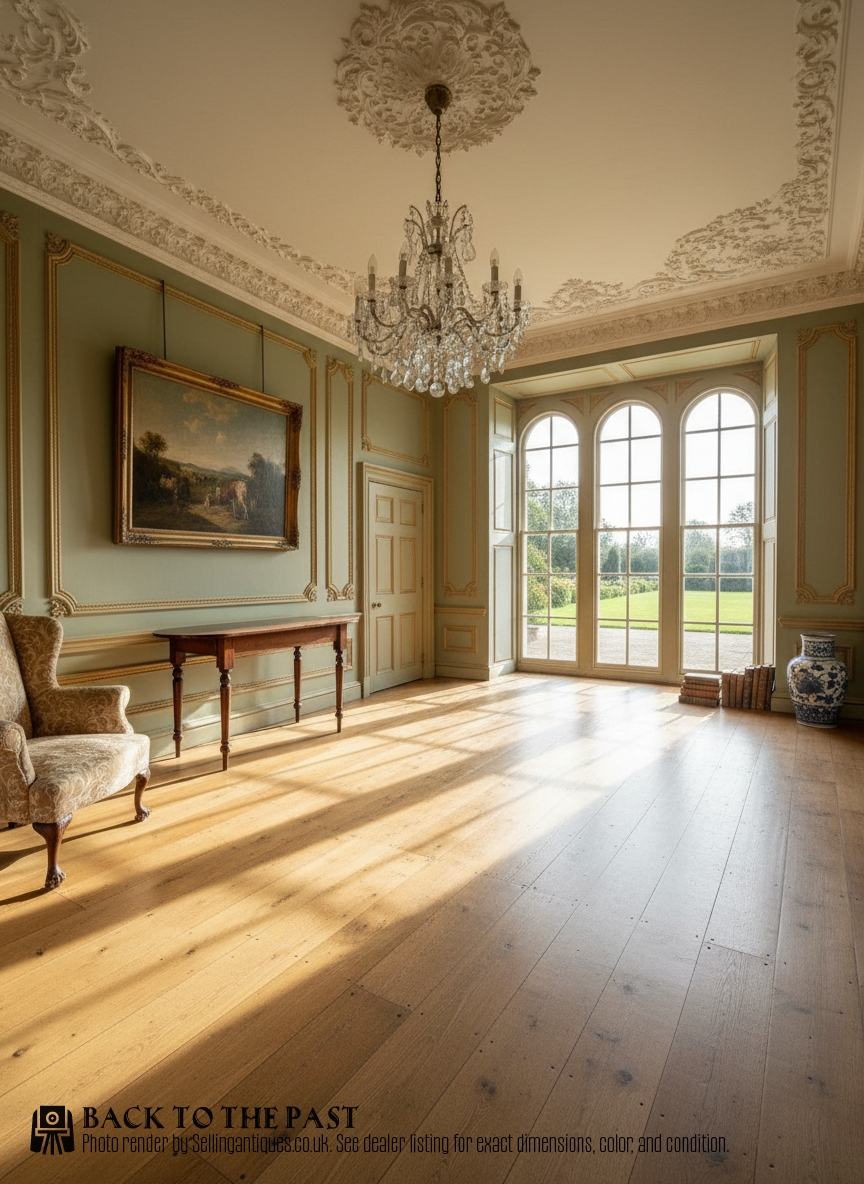
Victorian Oval Side Table
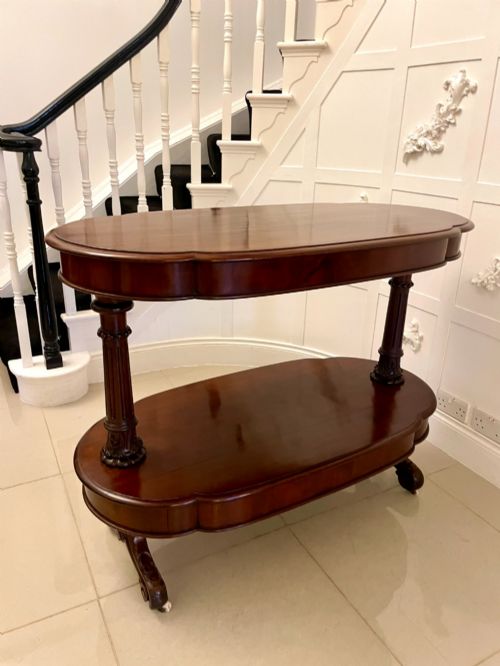
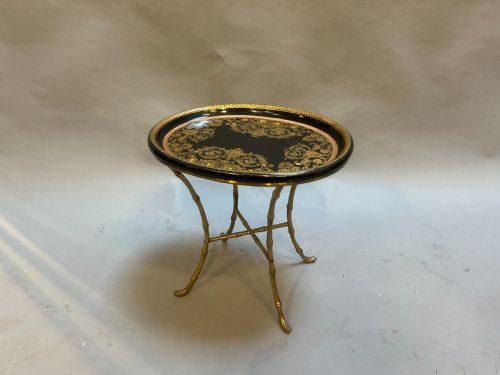
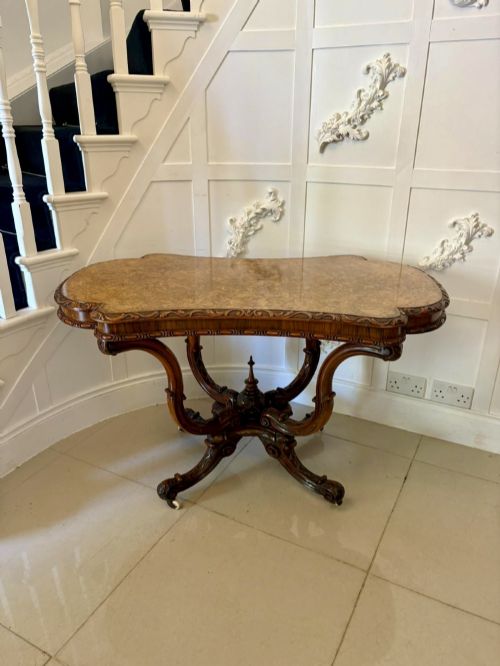
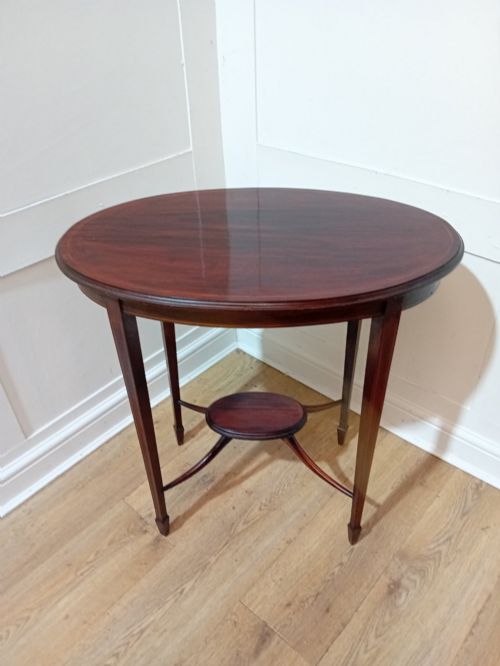
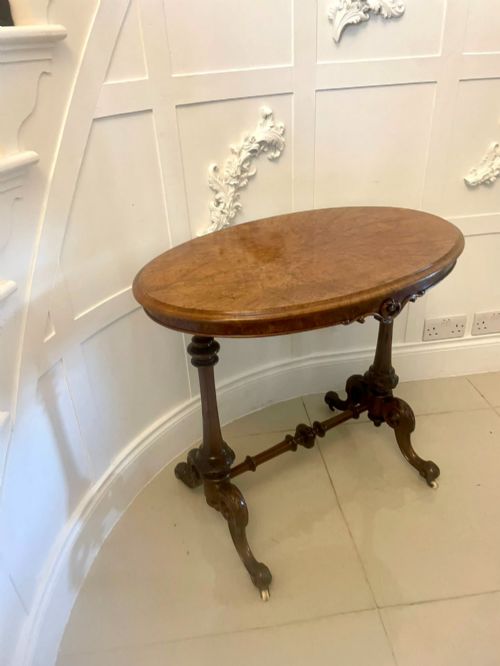
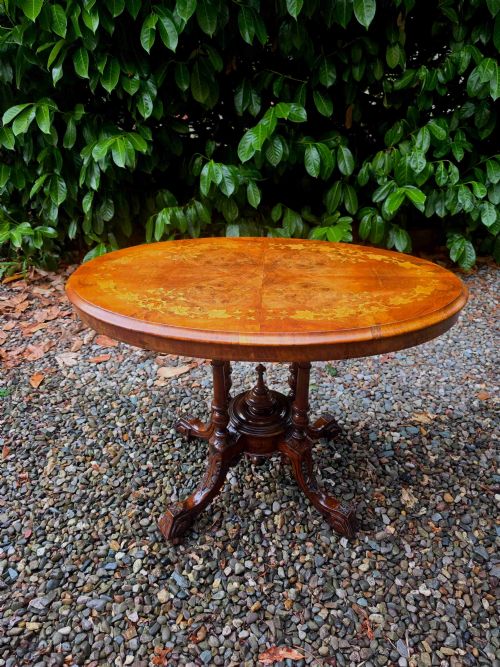
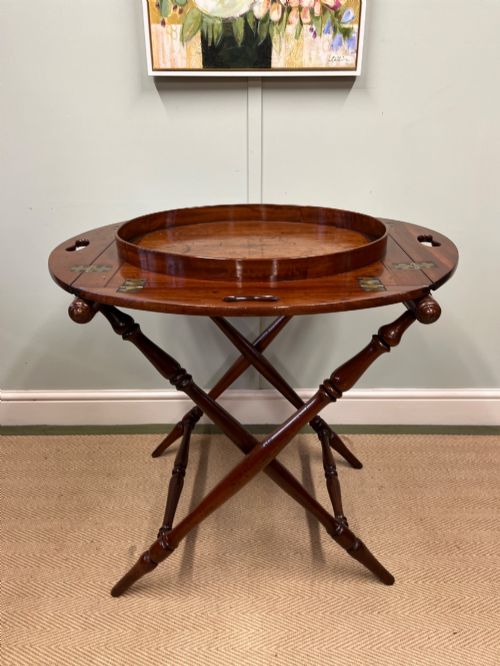
A victorian oval side table spans a variety of nineteenth-century forms designed for domestic convenience, from small lamp tables to larger centre and occasional pieces. The selection relies heavily on burr walnut and mahogany, often featuring marquetry or wood inlay across the top.
Most examples date from the mid to late nineteenth century, reflecting the Victorian penchant for versatile hospitality furniture. Buyers regularly encounter pieces influenced by Sheraton Revival or Aesthetic Movement styles alongside standard Victorian production.
How they were made
Cabinet makers utilised dense timbers such as mahogany and walnut, frequently applying figured burr walnut veneers to the prominent oval surfaces. Complex ornamentation involved contrasting woods like satinwood, boxwood, and ebony for intricate floral marquetry and linear stringing.
Structural integrity relied on traditional joinery paired with turned or carved supports, sometimes incorporating brass mounts, ceramic castors, or tilt-top mechanisms. Hand-carved foliate details frequently adorn the edges and pedestals of finer nineteenth-century specimens.
What varies in quality
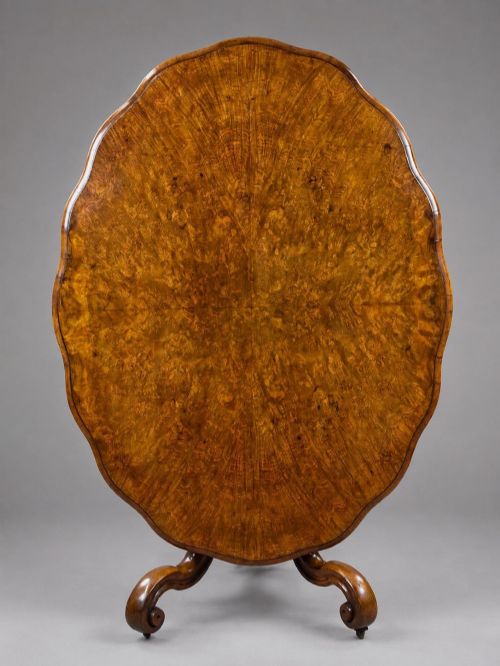
The sophistication of the timber figure and the precision of the marquetry dictate the upper tier of these tables. Richly patterned burr walnut veneer and delicate, multi-wood floral inlay demand exceptional artisan skill compared to plain mahogany or simple bordered tops.
Refinement in the carving and the grace of the base construction separate standard utility pieces from exhibition-grade examples. Hand-carved foliate mouldings and robust, well-proportioned pillar supports demonstrate superior nineteenth-century workshop execution.
The Victorian Oval Side Table Glossary
- Burr walnut
- A prized wood veneer harvested from the gnarled growth knots of the walnut tree, showing swirling, highly decorative grain patterns.
- Marquetry
- The art of applying decorative veneer pieces in various woods to create elaborate pictorial or geometric designs across a tabletop.
- Étagère
- A small open shelving unit or tiered side table used for displaying decorative objects and books.
- Stringing
- Thin inlay lines of contrasting timber, such as boxwood or satinwood, set flush into the surface to frame the edges of a table.
- Loo table
- A large round or oval card and conversation table popular in the nineteenth century, often equipped with a tilt-top mechanism.
Victorian Oval Side Table: Frequently Asked Questions
Where should I place a victorian oval side table?
These tables fit particularly well beside sofas or reading chairs where the curved edge softens surrounding furniture layouts. They also serve effectively as lamp or display stands in hallways and corners.
The compact footprint allows them to occupy modest spaces without dominating a room. Their finished backs and freestanding designs mean they do not need to rest directly against a wall.
How do I identify a burr walnut top?
Burr walnut displays dense, swirling grain patterns filled with small dark circles and knots rather than straight wood grain. It creates an intensely patterned, luminous surface across the oval top.
Cabinet makers usually framed these figured veneers with contrasting borders and geometric stringing. The distinctive grain results from irregular tree growth, making each tabletop visually unique.
What is a tilt-top mechanism used for?
A tilt-top allows the tabletop to pivot vertically on its central pedestal so the piece can be stored flat against a wall when not in use. This practical Victorian feature saved valuable floor space in nineteenth-century homes.
Tables with this function usually feature a brass or wooden catch beneath the surface to lock the top securely in place when lowered.
Can I use an antique table for daily use?
These tables were built from solid hardwoods and designed for active household service, making them remarkably resilient for everyday living. Basic care, such as using coasters and avoiding direct sunlight, keeps the polished finish intact.
Their sturdy construction handles lamps, books, and everyday items easily. Regular polishing with traditional wax helps maintain the moisture and lustre of the antique timber.