

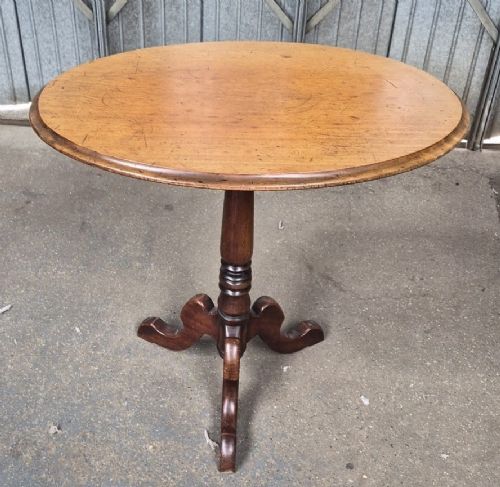
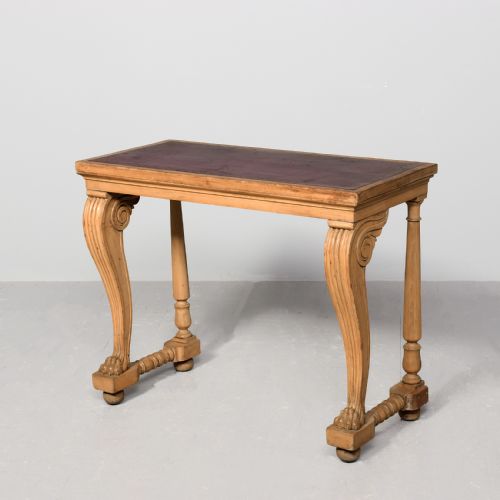
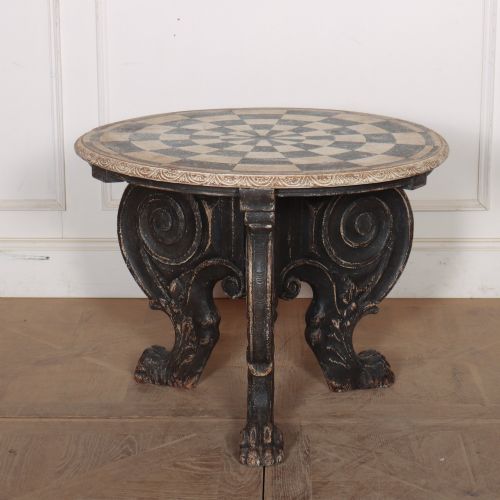


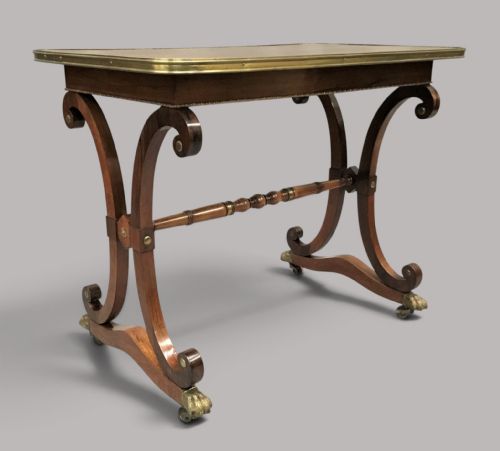



Scrolled Foot Side Table
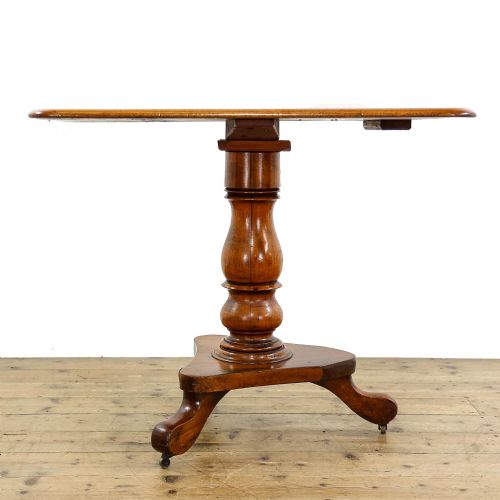
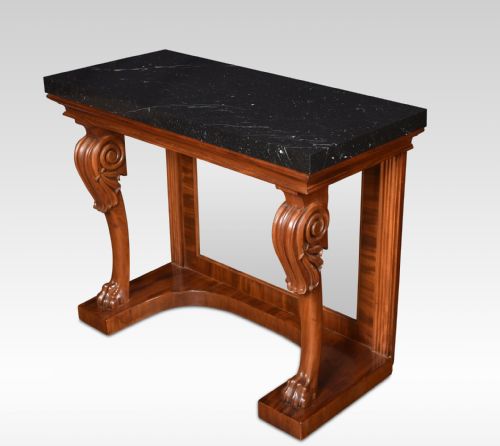
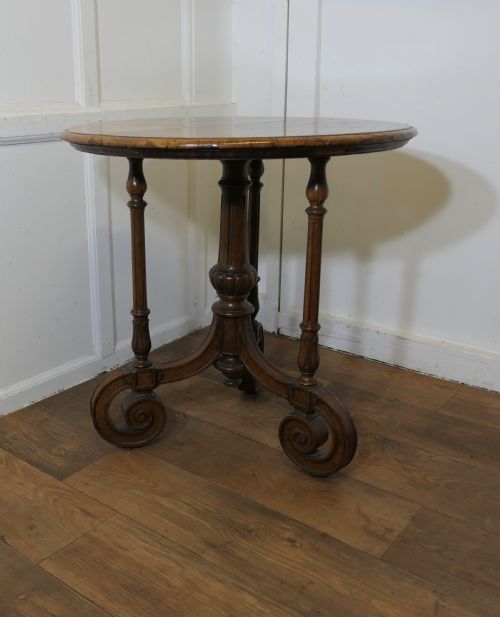
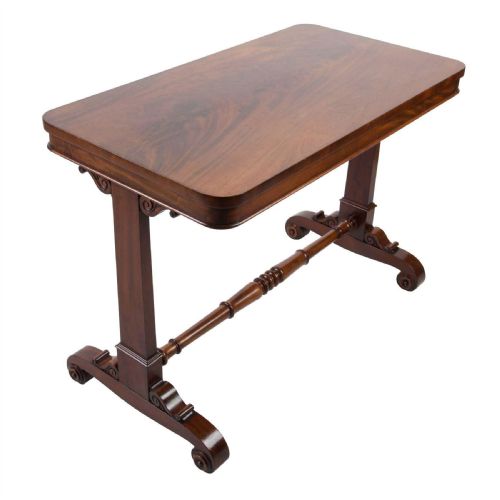
A scrolled foot side table grounds a room with sculptural timber and sturdy pedestals, offering a dependable surface for lamps, books or drinks.
Scrolled Foot Side Table
A scrolled foot side table brings together compact side tables, console tables, and occasional tables designed for placement against a wall or beside seating. These pieces span the Georgian, Regency, and Victorian periods, alongside later twentieth-century interpretations.
Buyers encounter forms executed in mahogany, rosewood, burr walnut, and oak, often featuring tripod bases or pedestal supports. The selection includes specialist variants such as wine tables, lamp tables, and specimen wood top tables.
The assortment on this page predominantly reflects nineteenth-century craftsmanship, capturing the transition from Regency elegance to heavier Victorian proportions. Each item serves a domestic function while displaying the distinct regional styles of its maker.
How they were made
Cabinetmakers constructed these tables using dense hardwoods like mahogany and rosewood, frequently employing figured veneers such as burr walnut for decorative impact. Turnings, carved details, and brass mounts were integrated to enhance the structural frames.
Pedestal and tripod bases relied on robust joinery to support heavy timber tops, while specialised surfaces incorporated specimen woods or inset leather panels. Carved oak and painted wood variants demonstrate regional techniques applied across different workshops.
Scrolled Foot Side Table Retail Price Guide 2026
Typical asking prices for scrolled foot side table among the pieces listed under this phrase on Sellingantiques today, from the lower quarter to the upper quarter. They describe what is for sale here now, not the wider market.
Materials documented across the inventory include mahogany, rosewood, walnut, oak, brass, leather, and painted wood.
What varies in quality
Quality rests in the selection of timber figures and the precision of the carving, particularly around the scrolled feet and pedestal mounts. Dense grain in mahogany and well-matched rosewood veneers indicate a higher standard of original material selection.
The refinement of the turning and the crispness of carved details distinguish standard production pieces from bespoke works attributed to specific makers like James Mein of Kelso or Whytock and Reid. Structural integrity in the tripod mechanism or console base remains central to the assessment.
James Mein of Kelso·Whytock and Reid
The Scrolled Foot Side Table Glossary
- Console table
- A table designed to stand against a wall, frequently secured to it or supported by front legs and console brackets.
- Occasional table
- A small, movable table intended for intermittent use around a principal living space.
- Tripod table
- A freestanding table supported by a single central pillar resting on three feet.
- Specimen wood
- A tabletop surface assembled from numerous small pieces of different decorative timbers to display variety.
- Rosewood
- A heavy, dark timber with distinct oil grain patterns, favoured for fine Regency and Victorian surfaces.
Scrolled Foot Side Table: Frequently Asked Questions
What is a scrolled foot side table?
A scrolled foot side table is a compact surface resting on feet curved into decorative scroll shapes. These pieces function as lamp tables, wine tables, or occasional tables.
Cabinetmakers utilised dense timbers like mahogany and rosewood to shape these supports during the Georgian, Regency, and Victorian eras.
How were these tables used?
These tables served domestic spaces for holding lighting, serving wine, or displaying decorative objects. Their compact footprints allowed placement beside seating or against hallways walls.
Console and side variants provided stable surfaces in reception rooms while remaining light enough to reposition.
How do I identify Regency pieces?
Regency tables display classical restraint, often featuring dark mahogany or rosewood surfaces paired with brass mounts. The lines tend to remain crisp and architectural.
Proportions are typically lighter than those found in later Victorian iterations, emphasising refined pedestals and subtle carving.
What woods should I expect?
The listings feature substantial use of mahogany and rosewood, alongside burr walnut and oak. Some examples incorporate multi-timber specimen tops.
Selection depended on the period and the maker, ranging from plain functional oak to highly figured decorative veneers.