
Victorian Ottoman Bench
A victorian ottoman bench combines practical seating with hidden storage, offering a versatile piece for the modern interior.

Victorian Ottoman Bench
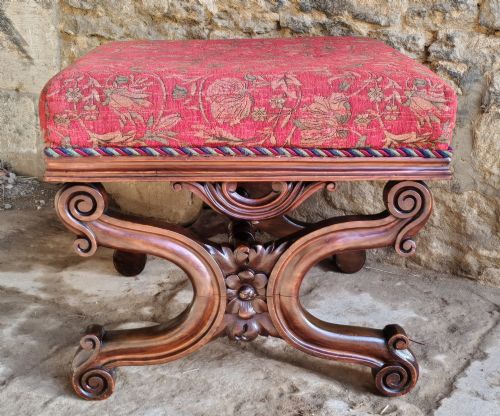
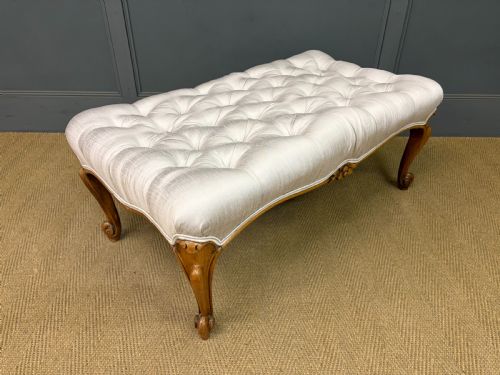
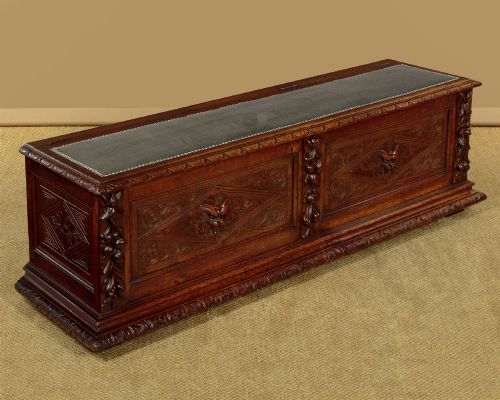
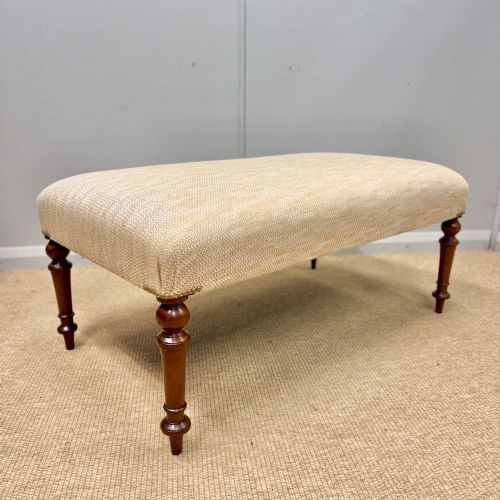
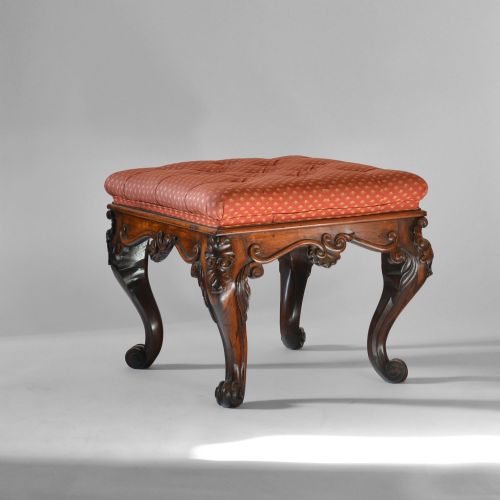
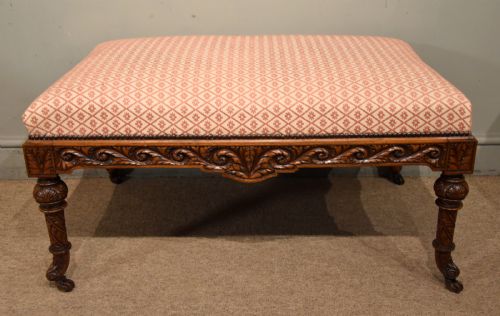
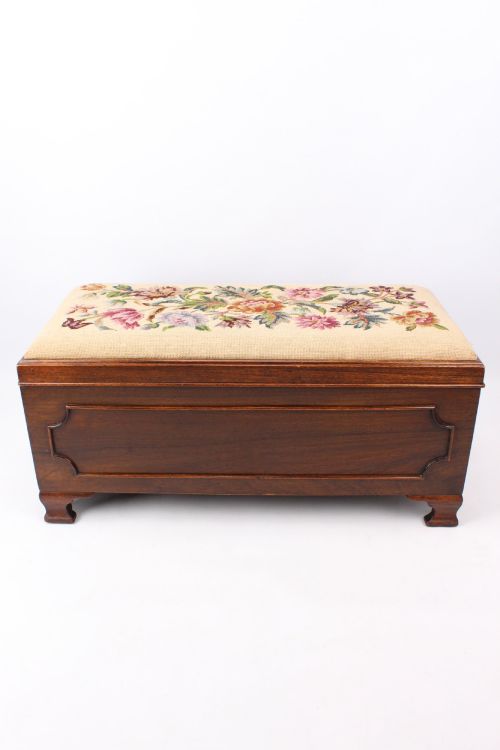
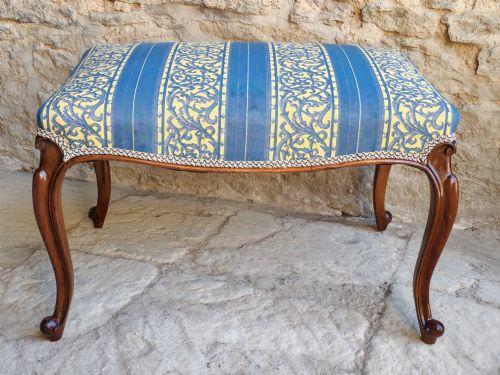
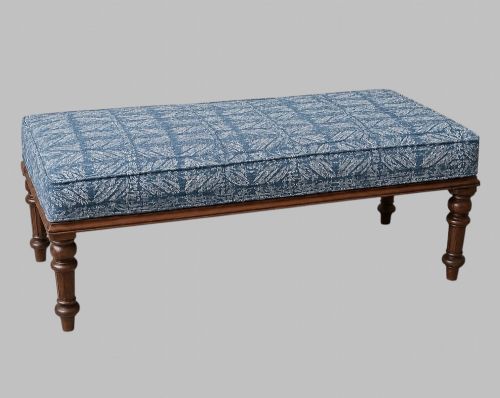
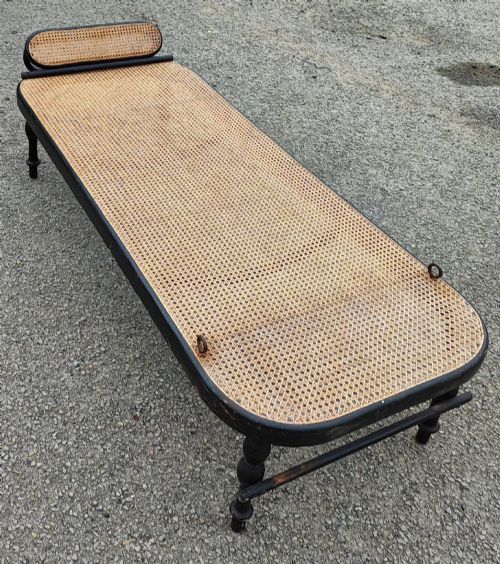
A victorian ottoman bench encompasses a variety of low seating forms, including footstools, window seats, box seats, and daybeds originating from the nineteenth century. These pieces serve multiple domestic functions, operating as low coffee tables, hallway benches, or end-of-bed storage boxes.
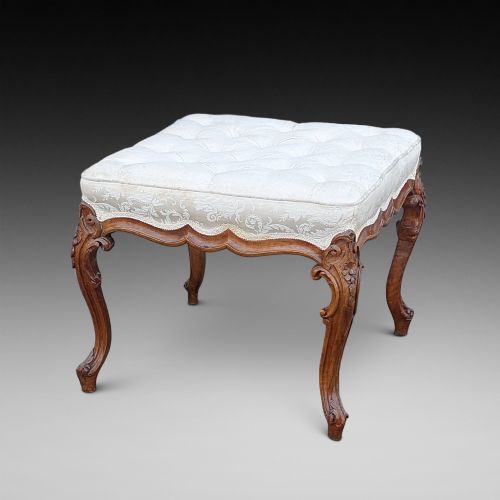
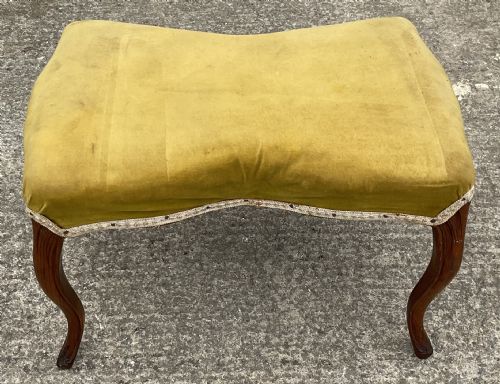
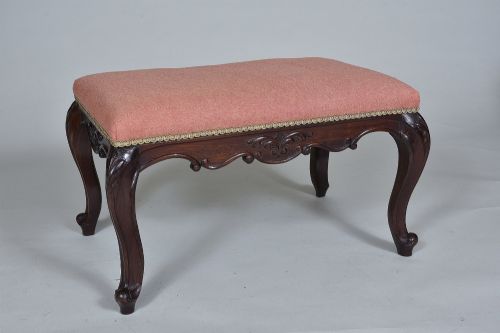
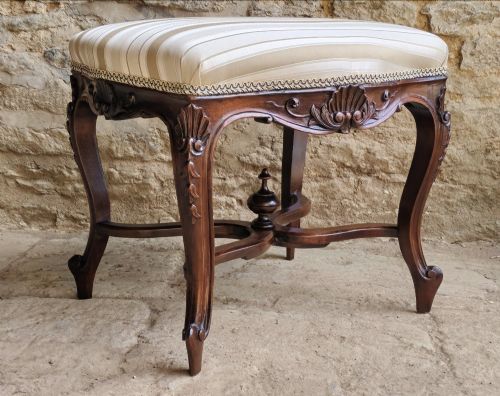
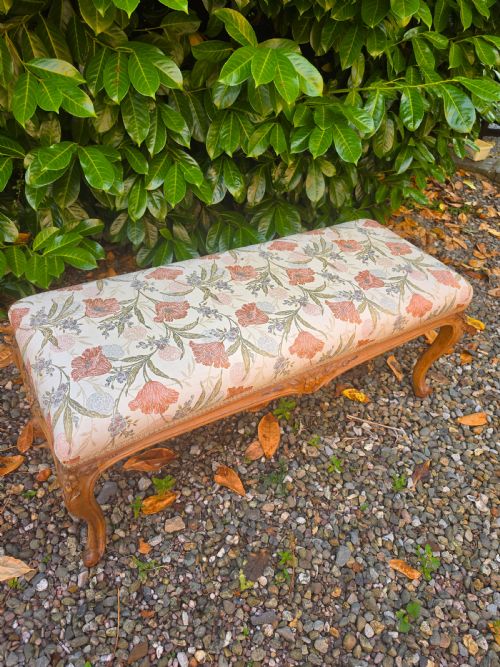
The most common examples on this page are walnut and mahogany framed stools featuring upholstered seats, cabriole legs, or box storage mechanisms. Regional variations such as Anglo-Indian rosewood and Moorish window seats also appear alongside English country house pieces.
Makers utilised sturdy timbers to construct frames designed for heavy upholstery and frequent use, ranging from compact footstools to large storage ottomans. The proportion is typically low to the ground, reflecting the domestic comfort priorities of the nineteenth century.

Materials and construction
Makers constructed the structural frames from dense hardwoods including walnut, mahogany, rosewood, and oak, often shaping the timber with carving or turning. These woods provide the rigidity necessary to support heavy upholstery and active daily use over generations.
Upholstery techniques involved traditional stuffing and buttoning finished with textile, velvet, leather, or needlework covers. Many pieces incorporate brass castors on the feet for mobility and decorative detail.
Listings feature woods such as walnut, mahogany, rosewood, and oak, alongside brass and cane details.
Judging the standard
The quality of a victorian ottoman bench rests primarily on the crispness of the timber carving and the architectural proportion of the frame. Superior examples demonstrate fluid cabriole legs, well-balanced dimensions, and dense hardwoods that show minimal warping.
Originality of components, such as intact brass castors and authentic timber patination, separates standard pieces from heavily altered ones. The standard of secondary woods and the joinery hidden beneath the upholstery reveal the original workshop's commitment to durability.
Hallett & Sons
The Victorian Ottoman Bench Glossary
- Cabriole leg
- A furniture leg that curves outward and then tapers inward, mimicking an animal's limb. This style is frequently found on mid-nineteenth-century walnut and mahogany stools.
- Buttoned
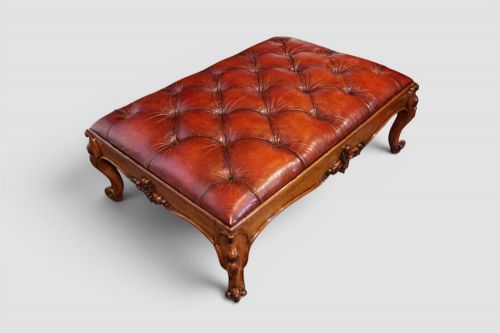
- An upholstery technique where deep indentations are secured with buttons in a grid pattern. This secures internal stuffing and creates a textured surface on leather or velvet seats.
- Window seat
- A long, narrow bench designed to fit beneath a window recess. These often feature low backs or arms and upholstered tops suitable for sitting.
- Box ottoman
- A hinged seat designed to lift and reveal an internal storage compartment. This form combines seating with practical trunk storage.
- X-frame
- A furniture base formed by intersecting diagonal timbers shaped like the letter X. This structural support appears on various nineteenth-century stools.
Victorian Ottoman Bench: Frequently Asked Questions
How were these benches used originally?
These pieces served multiple functions in nineteenth-century homes, acting as dressing stools, window seats, and hallway benches. Box variations provided discreet storage for blankets, textiles, or personal items in formal rooms.
Their low profile made them suitable for resting feet or providing auxiliary seating around a fireplace or salon. Many doubled as daybeds or long rests for casual reclining during the afternoon.
How do I care for antique leather upholstery?
Antique leather requires gentle cleaning with a dry or slightly damp cloth to remove surface dust without stripping natural oils. Avoid harsh chemical cleaners and direct sunlight, which can dry and crack aged hides.
Applying a specialist leather conditioner periodically helps maintain suppleness and preserves hand-dyed finishes. Professional conservation is recommended for fragile or splitting surfaces.
Can I use an ottoman as a coffee table?
Upholstered stools and ottomans with firm padding or flat leather surfaces function well as low coffee tables. Placing a solid tray on top provides a stable resting place for drinks and books.
Firmly buttoned leather or tight fabric tops withstand daily surface use better than delicate silk or loose needlework covers. Ensure the height matches surrounding seating for balanced proportions.
How do I distinguish mid-Victorian from late Victorian pieces?
Mid-Victorian pieces often feature ornate rosewood or walnut frames with curved cabriole legs and Rococo Revival influences. Carving tends to be deep, fluid, and focused on floral or natural motifs.
Late Victorian examples frequently adopt simpler geometric lines, darker ebonised finishes, or oak constructions associated with Gothic Revival and Arts and Crafts aesthetics. Proportions also shifted toward broader storage boxes and window seats.