
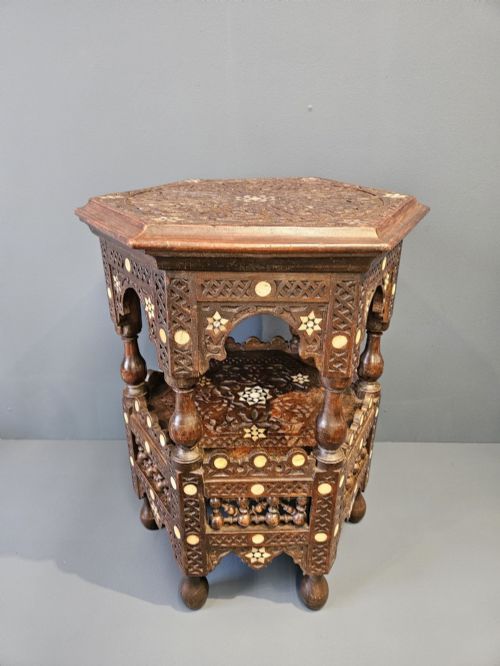


Victorian Oriental Plant Table
A victorian oriental plant table brings eclectic nineteenth-century exoticism into a room, serving as an ornate display surface for pots and lamps.

Victorian Oriental Plant Table
A victorian oriental plant table encompasses diverse forms such as jardiniere stands, occasional tables, side tables, and pedestals originating from nineteenth-century Britain and various Eastern influences. Buyers encounter pieces reflecting Anglo-Indian, Chinese Export, Japanese Meiji, Aesthetic Movement, and Victorian Chinoiserie styles, spanning the period from the mid-nineteenth century into the early twentieth century.
The domestic versions most frequently met on this page combine British Victorian utility with imported decorative traditions, appearing as circular, octagonal, hexagonal, or oval tables. Makers utilised traditional regional forms adapted for Western drawing rooms, resulting in compact plant stands and multi-tiered side tables designed specifically to elevate flora or display ornaments.
Materials and Technique
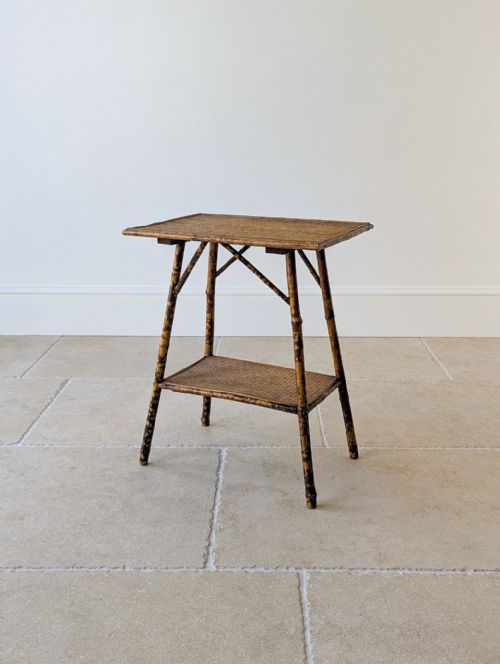
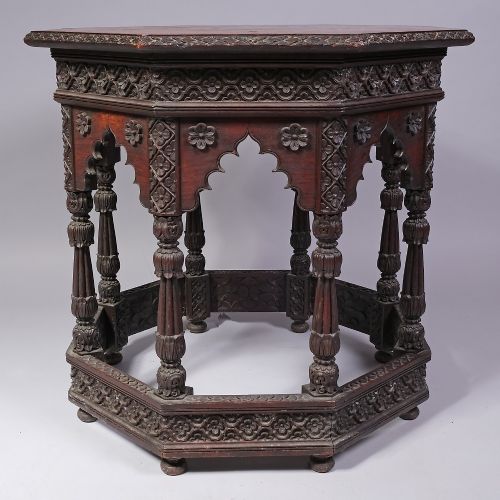
Construction relies heavily on dense exotic timbers including teak, padouk, rosewood, sheesham, and assorted hardwoods alongside bamboo and ebonised elm. Artisans employed intricate hand-carving techniques to render deep relief motifs of dragons, elephants, foliage, and geometric patterns into the solid wood structures.
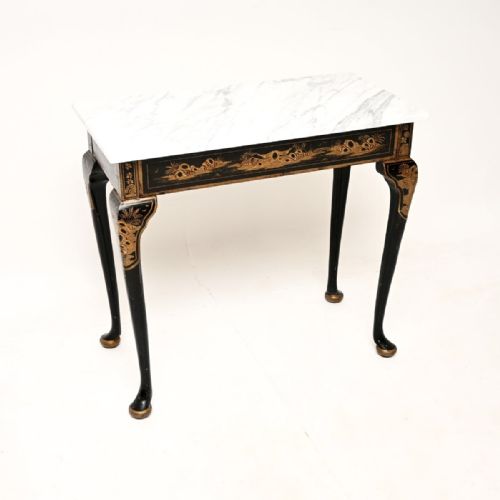
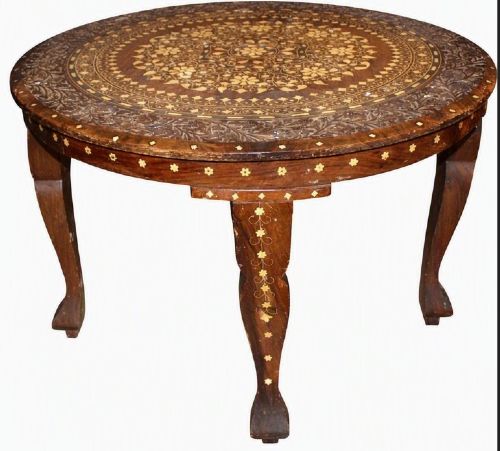
Surface ornamentation distinguishes the genre through varied techniques such as bone inlay, brass wire inlay, lacquer panels, and inset marble tops. Japanese Meiji and Chinese Qing examples often pair dark ebonised or lacquered frames with contrasting rouge or white marble inserts intended to support damp plant pots safely.
Listings include materials ranging from bone and brass inlay to marble, bamboo, and solid rosewood.
Craftsmanship and Material Depth
Quality separates through the crispness of the hand-carving and the integrity of the timber selection, where deep, detailed relief work on solid padouk or rosewood outshines shallow surface scoring on lesser woods. The precision of bone and brass inlay work further divides standard export pieces from finer workshop productions.
Structural stability and the quality of inset materials dictate the upper tier of the range, visible in heavy, well-fitted marble tops and robust joinery rather than lightweight assembled frames. Pieces bearing maker attribution or retailer stamps demonstrate superior provenance and higher execution standards.
Liberty and Co·Gabriel Viardot
The Victorian Oriental Plant Table Glossary
- Jardiniere stand
- A tall, slender table designed specifically to hold a plant container or flower pot. These pieces usually feature circular or octagonal tops raised on elongated legs.
- Chabudai
- A short Japanese low table traditionally used for partaking in tea or meals while kneeling on tatami mats. Nineteenth-century examples often reached Western markets as occasional display furniture.
- Padouk
- A heavy, durable tropical hardwood displaying rich reddish-brown colour tones. Artisans utilised this dense material for intricate nineteenth-century carving.
- Japonisme
- A late nineteenth-century European artistic movement influenced by Japanese art and design. This aesthetic appears across ebonised furniture and decorative panels.
- Chinoiserie
- The European interpretation and imitation of Chinese artistic traditions and motifs. This style manifests in lacquered surfaces and decorated side tables.
Victorian Oriental Plant Table: Frequently Asked Questions
What is a victorian oriental plant table?
A victorian oriental plant table is a nineteenth-century small furniture piece designed to display plants, lamps, or ornaments, combining British domestic forms with Asian decorative styles.
These tables draw on traditions from India, China, Japan, and Burma, incorporating carved hardwoods, bamboo, and inlaid surfaces to suit Victorian interiors.
How do I style a plant table?
These tables suit corners, hallways, or living rooms as standalone accent pieces beneath table lamps or trailing greenery. The inset marble or lacquered tops provide durable surfaces that naturally resist moisture from potted plants.
Pairing a low jardiniere stand with taller furniture creates visual height variation in a traditional interior scheme.
How do I identify the period?
Dating relies on stylistic markers such as Meiji period Japanese influences, Aesthetic Movement ebonising, or Qing Dynasty carving patterns combined with nineteenth-century construction methods. Wood types, joinery techniques, and retailer stamps help narrow the production era between eighteen-forty and nineteen-thirty.
Earlier nineteenth-century examples tend to feature heavier solid hardwoods and deeper hand-carving.