
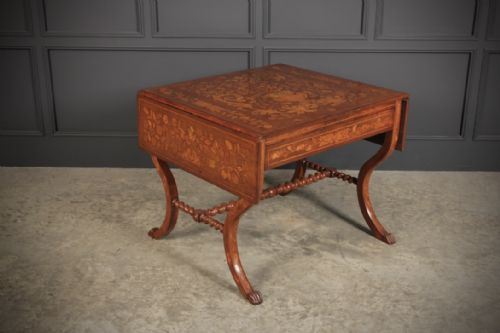


Carved Floral Accent Table
A carved floral accent table brings organic warmth and intricate craftsmanship to a room, offering a functional surface steeped in historic detail.

Carved Floral Accent Table
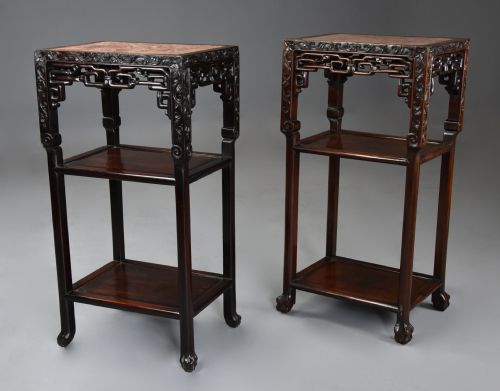
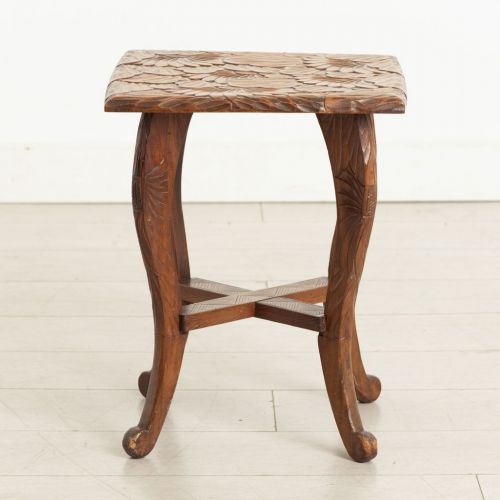
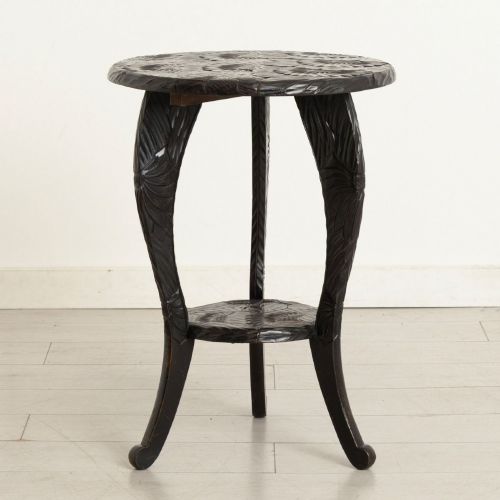
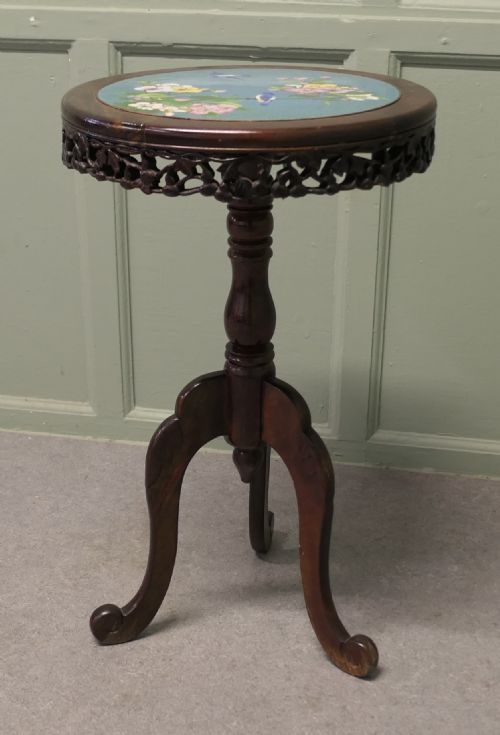
A carved floral accent table encompasses a diverse group of smaller surfaces designed for domestic use, including side tables, occasional pieces, centre tables, and plant stands. When searching for a carved floral accent table, buyers encounter varied forms spanning the Victorian era through the early twentieth century.
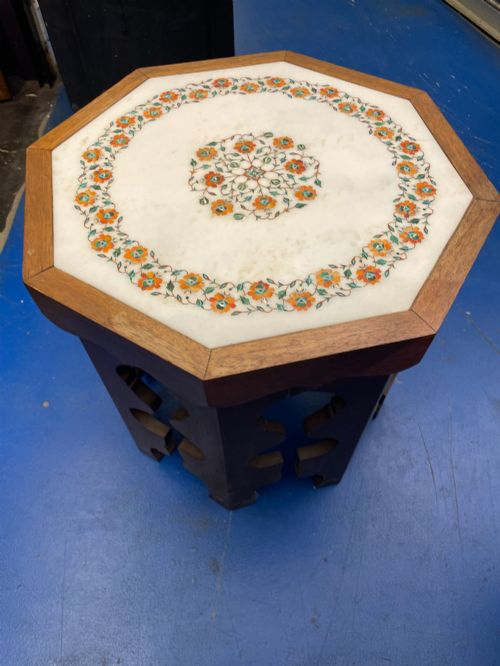
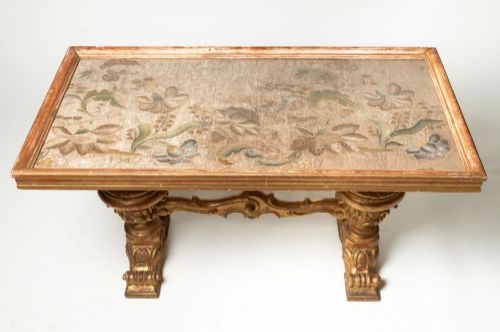
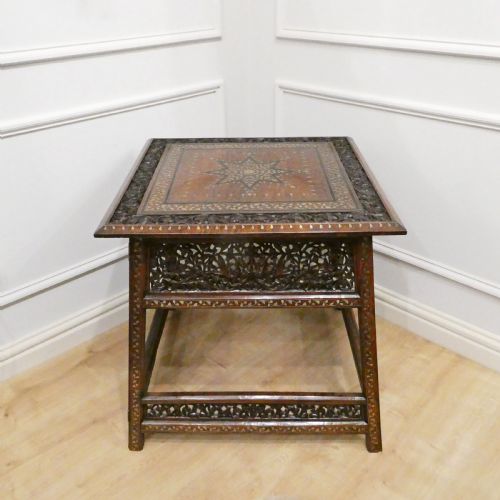
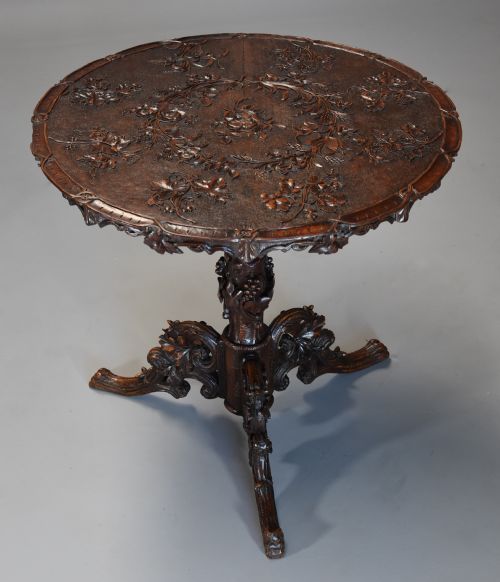
The inventory reveals pieces shaped by distinct regional traditions, ranging from Anglo-Indian and Black Forest workshops to Chinese hardwood furniture and European marquetry. These items function as versatile focal points in contemporary interiors, serving as lamp tables, wine tables, or low coffee tables.
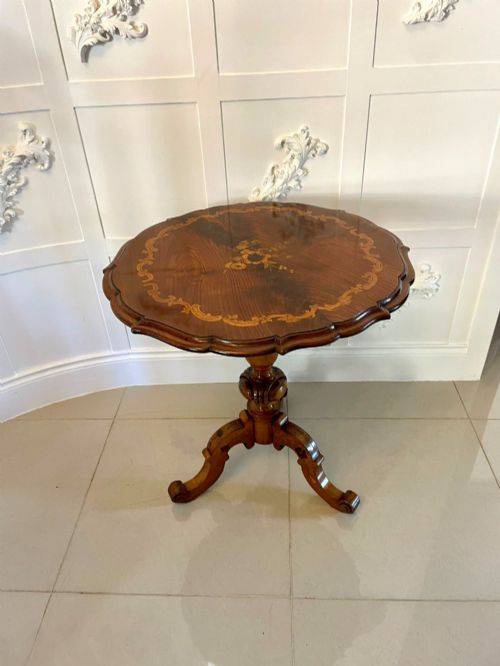
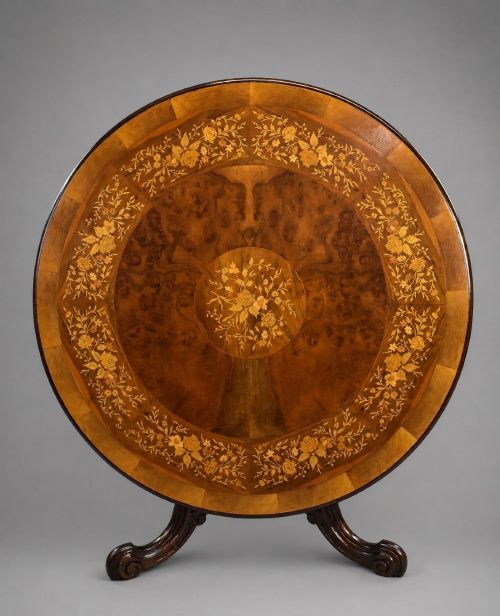
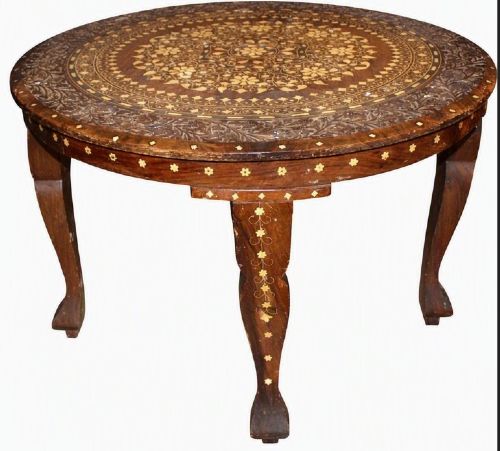
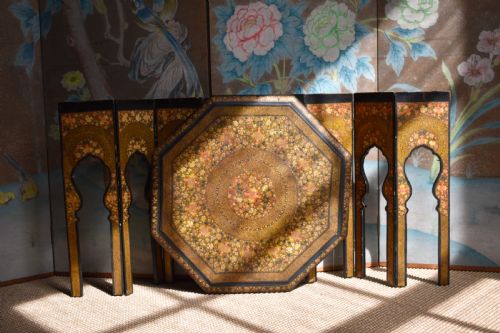
Victorian walnut and burr walnut examples sit alongside exotic hardwoods, olive wood, and linden wood constructions. The floral ornamentation manifests through deep relief carving, marquetry inlay, and painted botanical motifs across circular, square, and tripod tabletops.
Evaluating quality and execution
The standard of a carved floral accent table rests on the depth and crispness of the hand carving. Superior examples display undercut floral motifs with sharp botanical detail, whereas lesser pieces rely on shallow surface stamping or machine-cut decoration.
Material selection and joinery integrity dictate the upper tier of the range. Solid hardwoods and expertly matched burr walnut veneers, combined with stable framing and well-fitted inlays of bone or brass, separate master-workshop output from standard commercial production.
The listings span from the 1870s through the 1930s, featuring walnut, oak, hardwood, and brass materials.
Liberty & Co·Liberty of London
The Carved Floral Accent Table Glossary
- Marquetry
- Decorative veneer work forming pictures or patterns by using thin pieces of wood, shell, or bone fitted into a wooden background. This technique creates elaborate floral table tops.
- Burr walnut
- A figured wood grain obtained from the wart-like growths on walnut trees, prized for its swirling patterns. It frequently forms the primary decorative surface on Victorian table tops.
- Occasional table
- A small, light table designed for intermittent use around a living space. These pieces function easily as lamp or display stands.
- Tripod table
- A small table supported by a pillar on three legs, often featuring a tilt top mechanism. This form gained popularity during the nineteenth century for space-saving storage.
Carved Floral Accent Table: Frequently Asked Questions
Where should I place a carved floral accent table?
These tables suit smaller spaces such as hallways, reading corners, or beside armchairs as lamp surfaces. Their decorative floral tops also allow them to function as freestanding plant or vase stands.
Because many examples feature delicate marquetry or deep relief carving, positioning them away from direct heat sources and strong sunlight preserves the wood and inlay over time.
How do I care for antique wood and inlay?
Maintenance requires regular dusting with a soft, dry cloth to prevent debris accumulation within carved recesses. Avoid silicone-based sprays and excess moisture, opting instead for traditional beeswax applied sparingly.
Environmental stability is crucial for pieces combining wood with bone or brass inlay, as fluctuating humidity causes different materials to expand at varying rates.
What distinguishes Victorian examples from later pieces?
Nineteenth-century pieces frequently employ dense walnut, burr walnut, and rosewood with heavy reliance on marquetry and robust turning. These items often reflect classical European revival styles or intricate British colonial trade influences.
Early twentieth-century items, including those associated with specific retailers, often incorporate lighter oak structures, Arts and Crafts influences, or specific regional carving techniques from Asia and Europe.
How can I identify regional carving styles?
Black Forest pieces typically feature deep, naturalistic linden wood carving of foliage and animals, while Anglo-Indian tables display dense, symmetrical botanical motifs sometimes combined with bone inlay. Chinese hardwood stands favour geometric borders framing floral panels.
Examining the underside and interior construction reveals the specific joinery traditions and wood species characteristic of these distinct geographic workshops.