




Chinese Export Wine Table
These chinese export wine table pieces bring together Far Eastern craftsmanship and traditional British interior forms, offering a distinct surface for drinks or display.

Chinese Export Wine Table
A chinese export wine table typically appears as a compact occasional, side, or tripod piece created for Western markets during the eighteenth, nineteenth, and early twentieth centuries. The selection on this page demonstrates forms ranging from George III examples to Victorian and Edwardian interpretations.
Makers utilised distinct regional aesthetics, combining traditional Chinese carving techniques and Chinoiserie decoration with forms recognisable in British homes. These versatile stands function effectively as lamp tables, small plant stands, or occasional surfaces within a room.
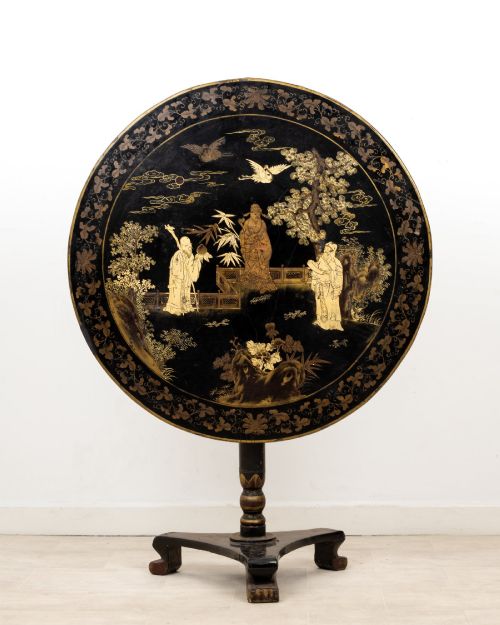
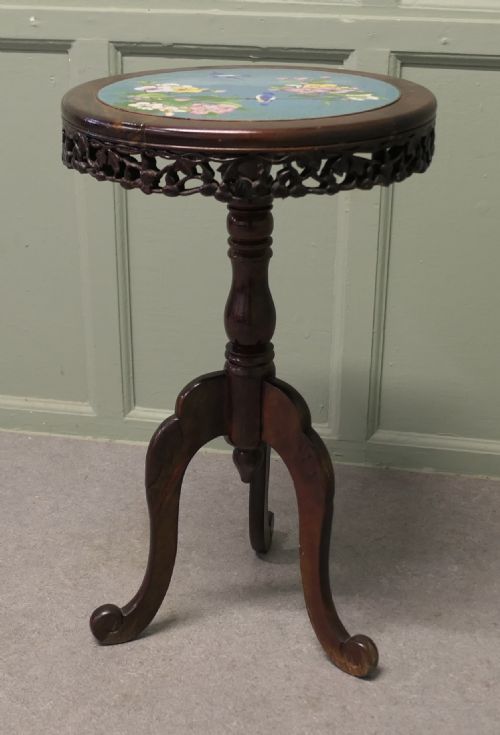
Most pieces seen here rely on robust timbers such as hardwood and rosewood, alongside decorative finishes like lacquer and cloisonné enamel. Buyers frequently encounter tilt-top mechanisms or octagonal tops that reflect specific period preferences for adaptable furniture.
Materials and construction
Workshops constructed these tables using dense timbers like rosewood and general hardwoods, providing a sturdy framework capable of supporting intricate surface carving. Artisans often employed traditional joinery methods to secure tripod bases and occasional table tops.
Surface ornamentation involved specialised techniques, including black lacquer finishes, applied gold leaf, and detailed cloisonné enamel panels depicting birds and flowers. Inset marble tops also appear, introducing a contrasting cool surface to the warm wood frames.
Chinese Export Wine Table Retail Price Guide 2026
Typical asking prices for chinese export wine table among the pieces listed under this phrase on Sellingantiques today, from the lower quarter to the upper quarter. They describe what is for sale here now, not the wider market.
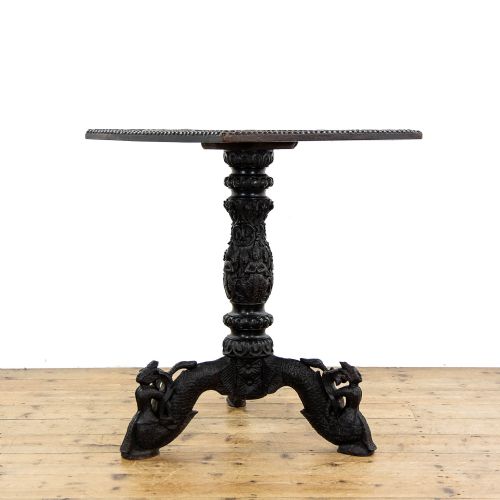
Several dragon motifs keep a silent, watchful eye on your evening glass of wine.
Judging quality in these tables
The distinction between standard and exceptional pieces rests upon the depth and precision of the hand-carved elements, particularly around the apron and legs. Finer examples display crisp detail in dragon motifs, floral patterns, and geometric borders without shallow or hurried execution.
Material selection and finish integrity heavily influence the standing of a piece, with deep, lustrous lacquer and unblemished cloisonné panels commanding greater attention. The stability of the tripod base and the seamless operation of any tilt-top mechanism further separate superior production from simpler workshop output.
The Chinese Export Wine Table Glossary
- Cloisonné enamel
- A metalwork technique where thin wire creates partitioned cells filled with coloured vitreous enamel, often depicting floral or avian scenes on tabletop surfaces.
- Chinoiserie
- European artistic style reflecting Chinese motifs and decorative techniques, frequently applied to furniture produced for export during the eighteenth and nineteenth centuries.
- Tripod table
- A small freestanding table supported by three legs radiating from a central pillar, common in various nineteenth-century occasional and wine table formats.
- Tilt-top table
- A table featuring a hinged mechanism allowing the surface to fold vertically when not in use, saving space in period interiors.
- Jardiniere stand
- A tall, small-surfaced occasional table specifically designed to hold heavy decorative plant pots or urns.
Chinese Export Wine Table: Frequently Asked Questions
What is a chinese export wine table used for?
These pieces served historically as small occasional surfaces for drinks or display within principal rooms of a house. Today, buyers use them as compact side tables, lamp stands, or elevated supports for plants and decorative objects.
Their modest footprint allows them to fit easily beside seating arrangements or in narrow hallways without dominating the floor space.
How do I date a chinese export wine table?
Dating relies on examining the construction methods, timber types, and decorative styles aligned with periods such as the Georgian, Victorian, or Edwardian eras. Stylistic clues like ebonised finishes, specific carved motifs, and brass fittings help narrow down the decade of production.
Comparing the piece to documented examples from the nineteenth or early twentieth centuries provides further clarity on its age.
How do I care for a lacquered wine table?
Maintain lacquered and polished surfaces by dusting regularly with a soft, dry cloth and avoiding harsh chemical cleaning agents. Keep the table away from direct sunlight and extreme temperature fluctuations to prevent the wood from warping and the finish from cracking.
Applying a suitable microcrystalline wax occasionally helps protect historic wooden surfaces without harming the original patina.