
Victorian Open Armchairs
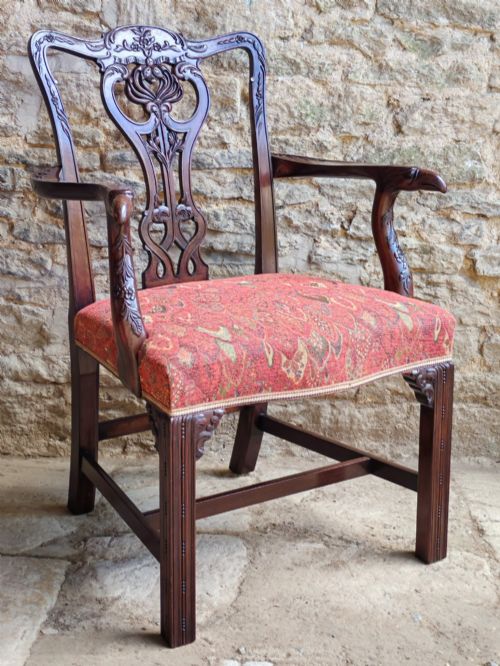
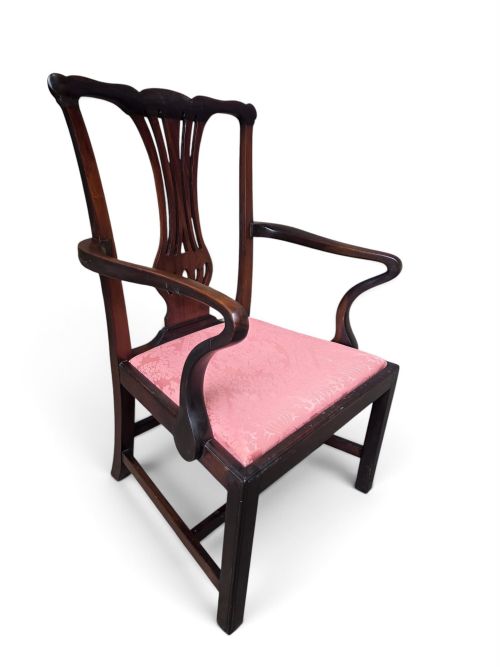
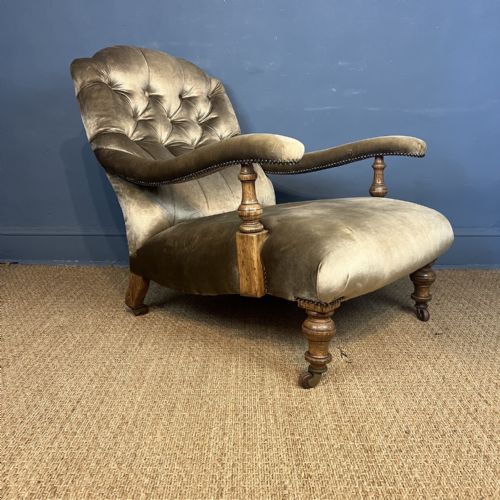
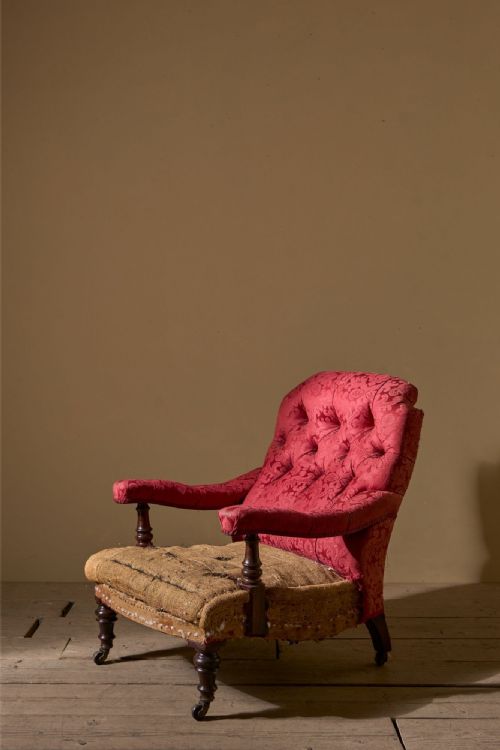
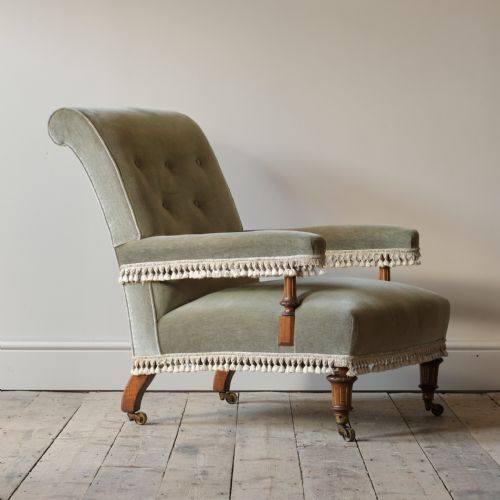
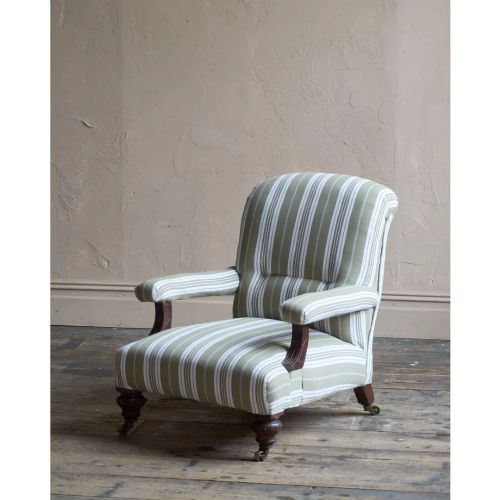
Victorian open armchairs bring seating of strong line and rich timber to the room, built for both formal drawing rooms and quiet libraries.
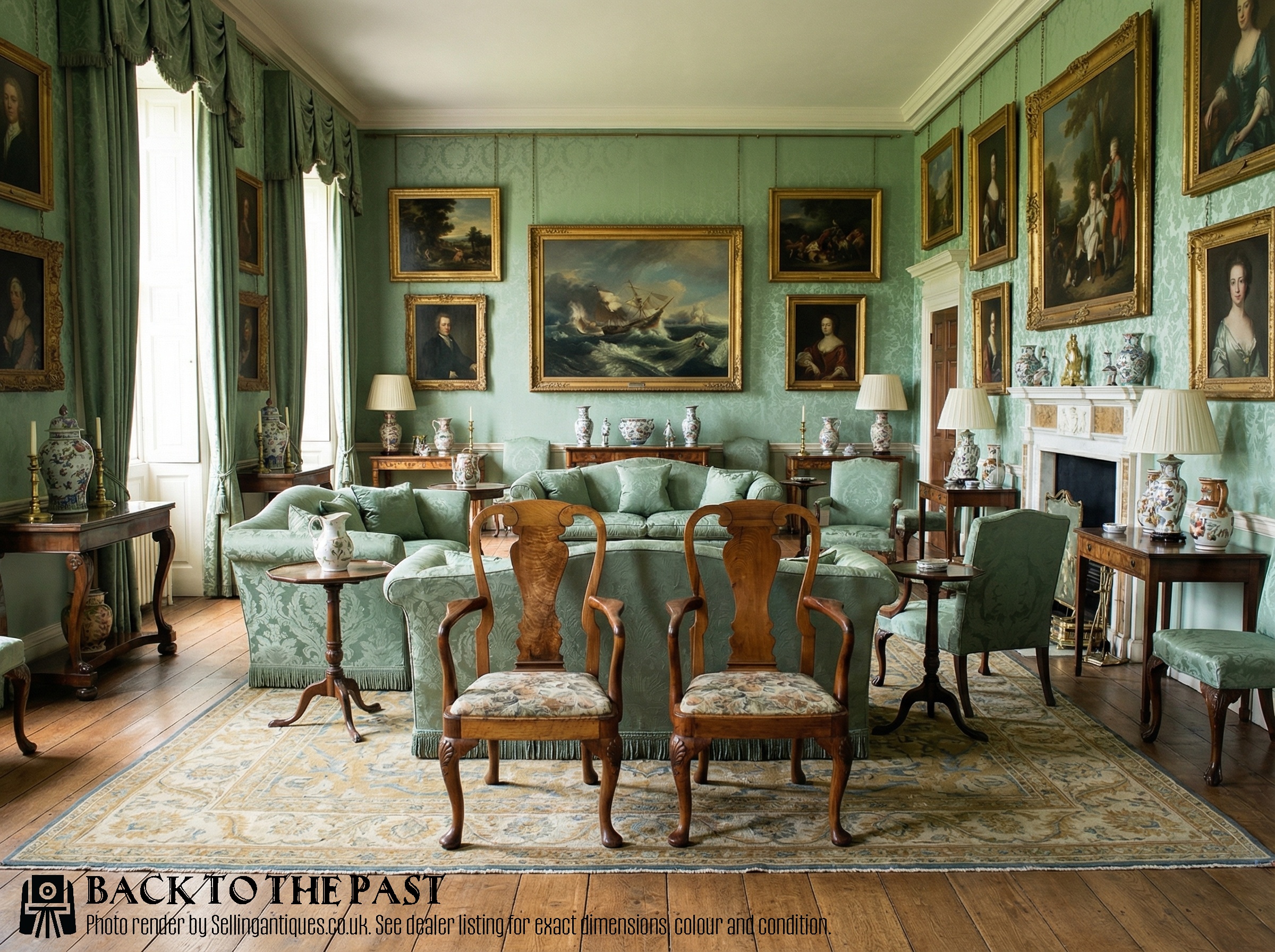
Understanding Victorian open armchairs
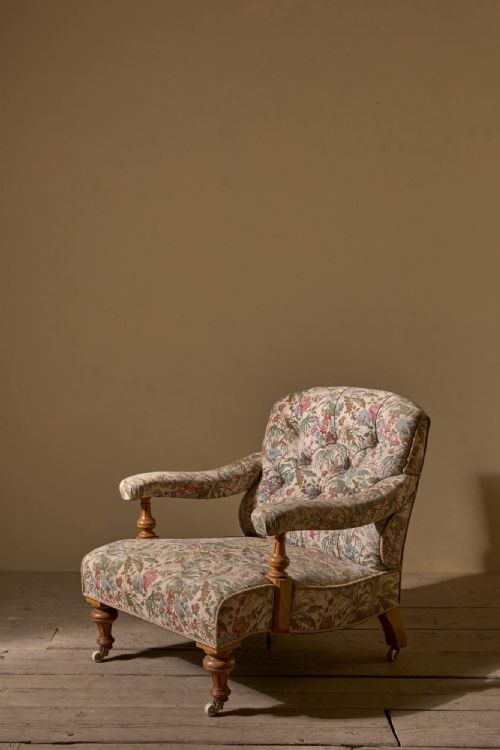
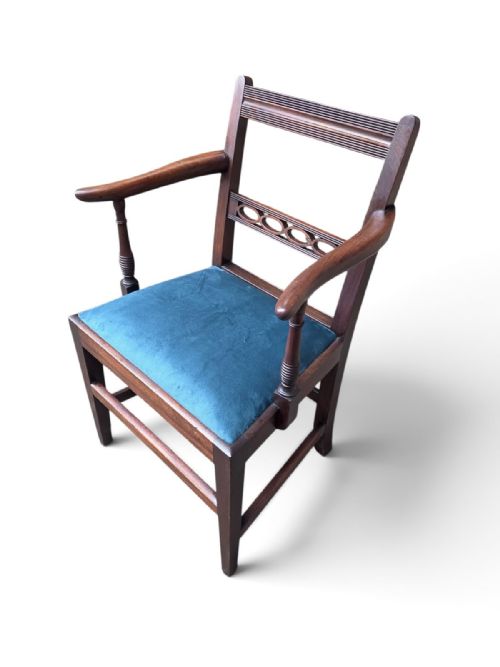
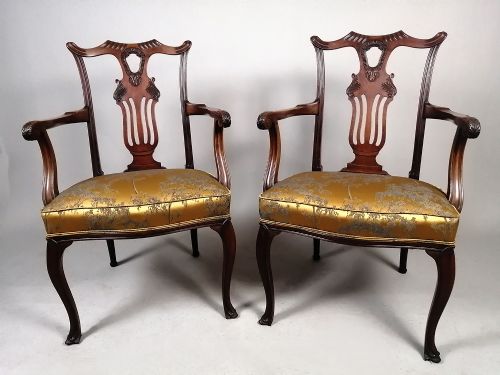
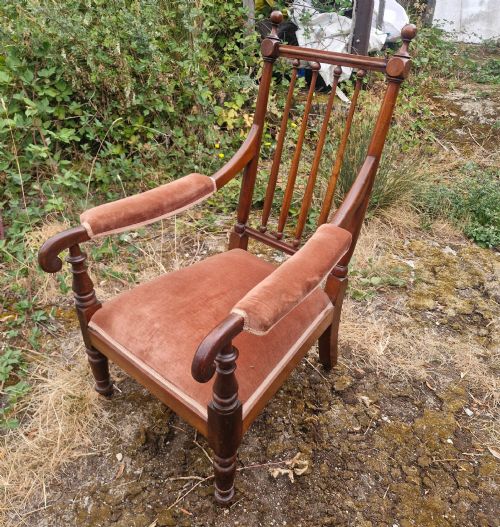
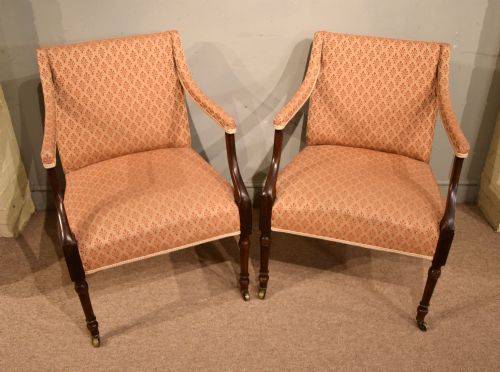
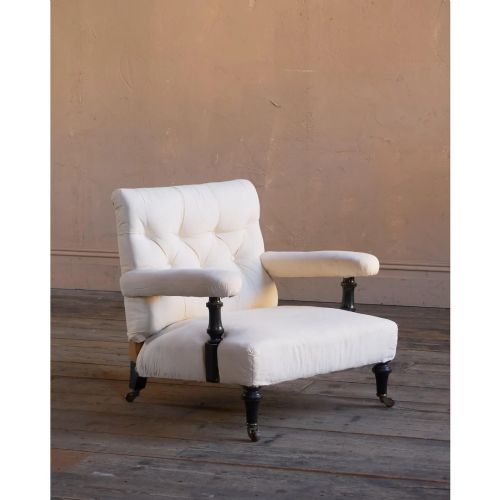
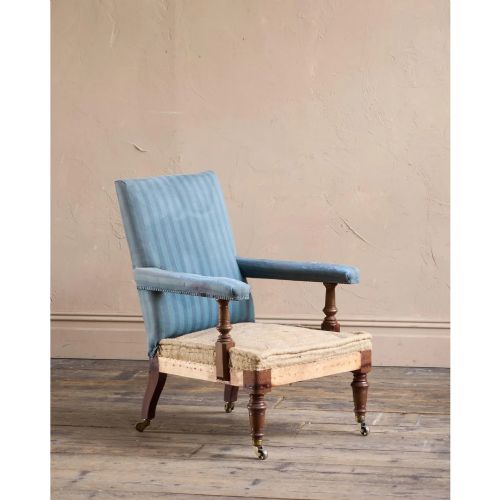
Victorian open armchairs are substantial seating pieces designed with exposed wooden frames and uninhibited arms, appearing frequently in pairs across our records. These items span various decades of the nineteenth century, including specific dates such as eighteen-sixty and eighteen-eighty alongside broader Victorian designations.
Materials and construction
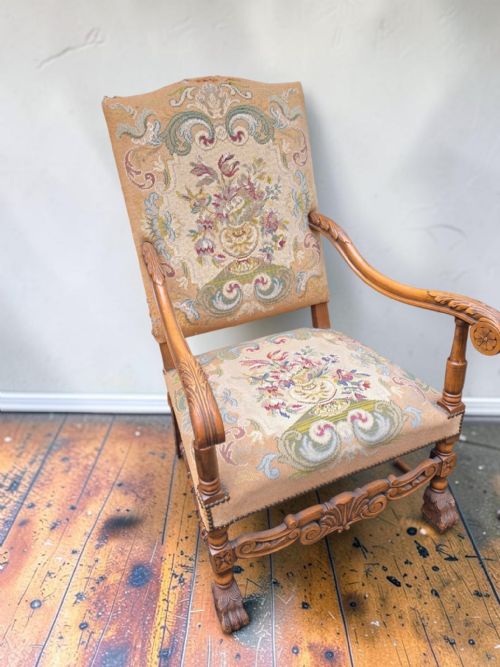
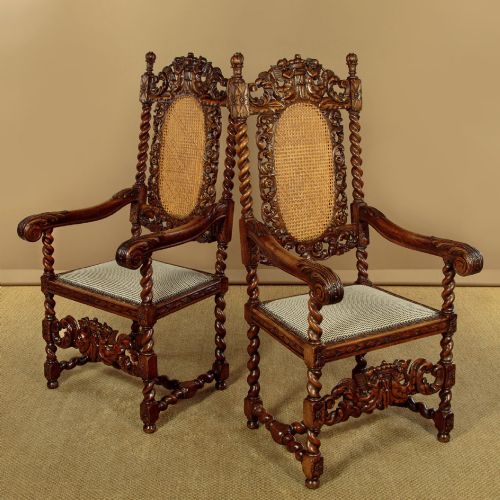
Construction relies upon dense hardwoods such as walnut, mahogany, rosewood, oak, and ebonised or black lacquered wood. Frames often feature carved detailing executed directly into the timber, while structural stability is reinforced with brass elements.
Upholstery incorporates traditional fabric and leather surfaces, sometimes secured with exposed studs along the borders. Gilding is also applied to select frames to create a highly decorative finish.
Retail Price Guide 2026
Typical UK retail prices for victorian open armchairs, calculated from the Sellingantiques database of over a million retail prices indexed since 2003. This retail price guide relies exclusively on Sellingantiques data; no external sources or auction records are used, so the figures do not describe the wider market.
Walnut and mahogany dominate the timber selections across these Victorian listings.
Judgements of quality
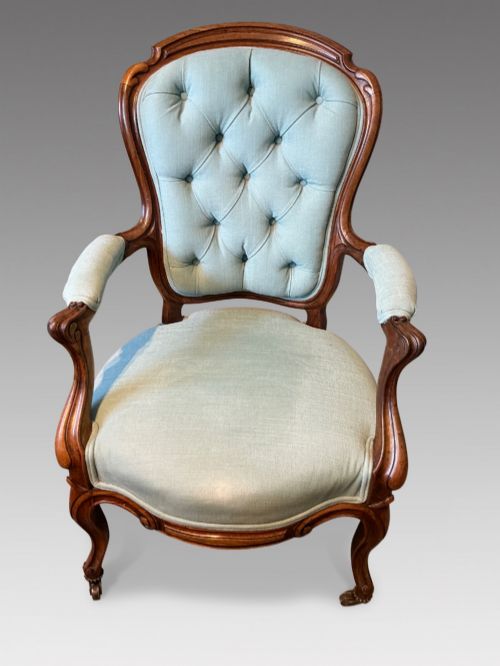
Quality rests upon the crispness of the timber carving and the inherent grain and depth of woods like walnut and mahogany. Superior examples demonstrate confident proportions and harmonious stylistic details rather than heavy or uninspired execution.
The integration of the upholstery material with the wooden structure dictates the overall visual success of the piece. Frames that retain their original gilding or deep ebonised finishes command greater visual presence.
Holland and Sons
The Victorian Open Armchairs Glossary
- Open armchair
- A wooden seating form characterised by un-upholstered armrests that expose the structural frame. These pieces offer a lighter visual appearance than fully padded upholstered variants.
- Ebonised wood
- Timber treated with a chemical stain or finish to imitate expensive ebony. This dark, light-absorbing surface was particularly popular for formal Victorian salon furniture.
- Library chair
- A heavy, durable seating form intended for study spaces, frequently upholstered in leather. These items prioritise sturdy support alongside traditional aesthetic appeal.
Frequently Asked Questions
Where were these chairs used?
They served primarily in formal drawing rooms, libraries, and private sitting spaces as principal or occasional seating. Many survive today as matched pairs intended for opposing placement.
Library variants upholstered in leather were specifically designed for prolonged reading and study use.
How do I care for the leather?
Leather upholstery requires gentle dusting and occasional conditioning to prevent the natural material from drying out. Avoid placing these pieces in direct sunlight to protect the surface colour.
Wooden frames benefit from simple dry dusting and careful handling of the carved structural elements.
How are different periods identified?
Dating relies upon specific timber choices, construction techniques, and stylistic markers recorded across the nineteenth century. Earlier pieces often favour mahogany, whilst later decades frequently employ ebonised finishes or walnut.
Stylist details such as Louis the Fifteenth curves point towards specific revival periods within the Victorian era.