


Victorian Salon Seating
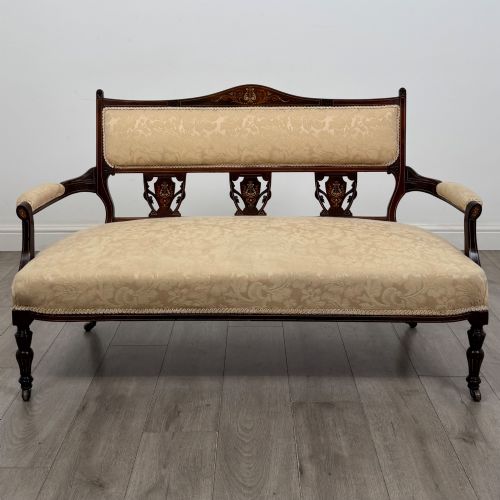
These pieces of victorian salon seating range from walnut armchairs to rosewood settees, offering comfortable formal display for any drawing room.
Victorian Salon Seating
When you search for victorian salon seating, you encounter a variety of formal chairs, sofas, and complete suites designed for nineteenth-century reception rooms. The selection on this page relies heavily on walnut and mahogany frames, featuring periods from the mid-nineteenth century up to nineteen hundred.
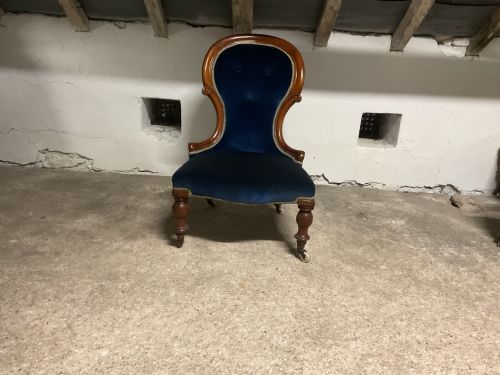
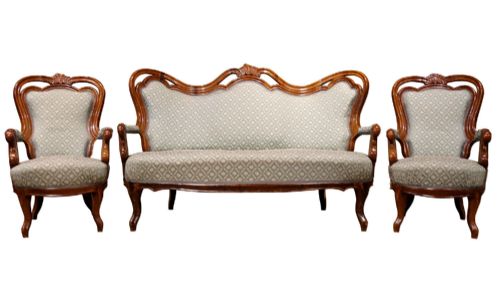
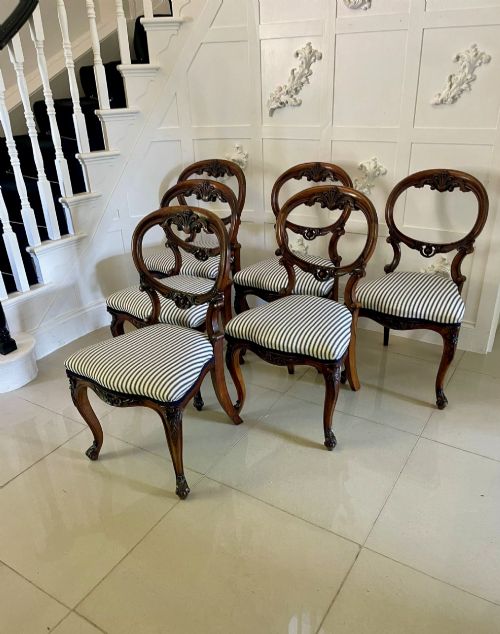
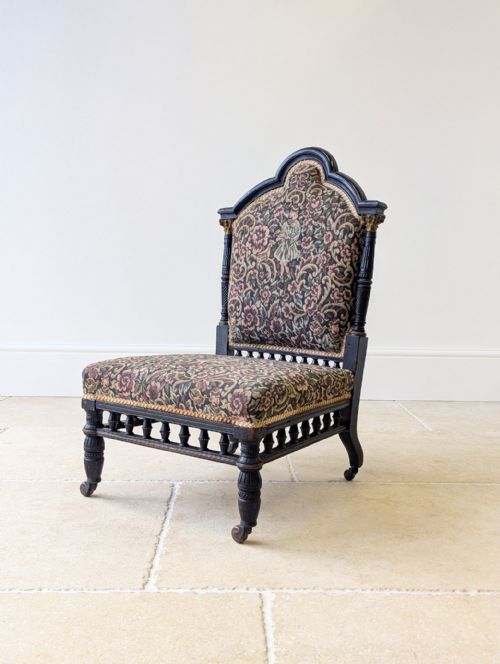
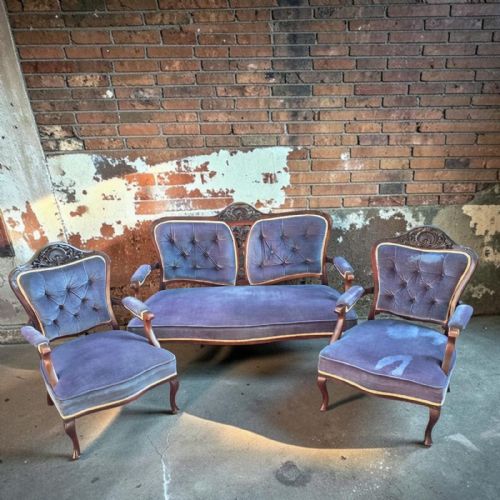
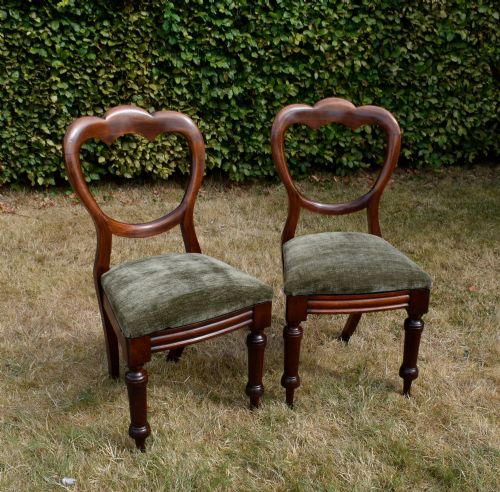
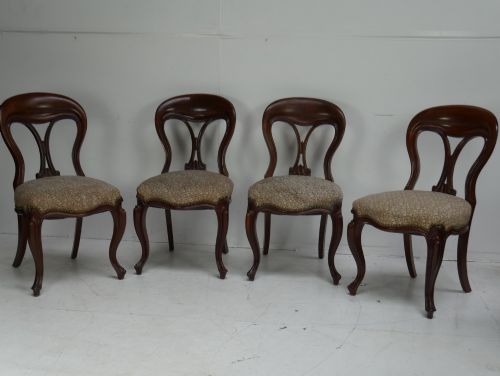
You meet numerous variations, from single nursing chairs and balloon-back chairs to large three-piece and nine-piece salon suites. These forms accommodate diverse interior scales, spanning intimate bedroom chairs to substantial settees intended for prominent drawing room placement.
Materials and construction
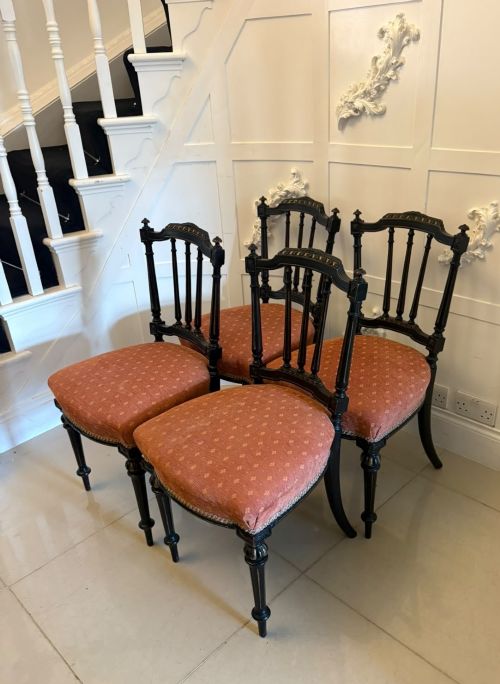
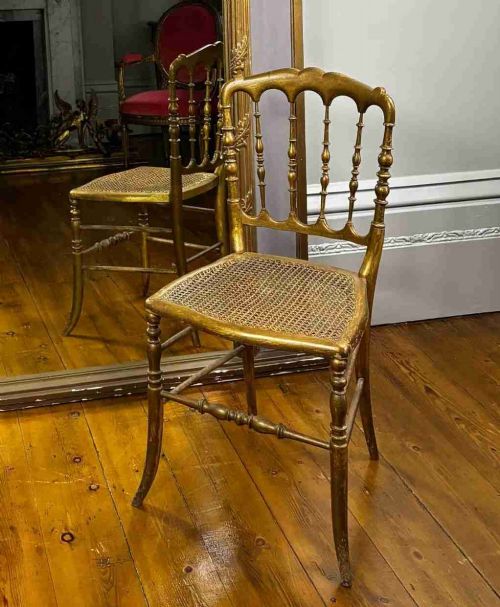
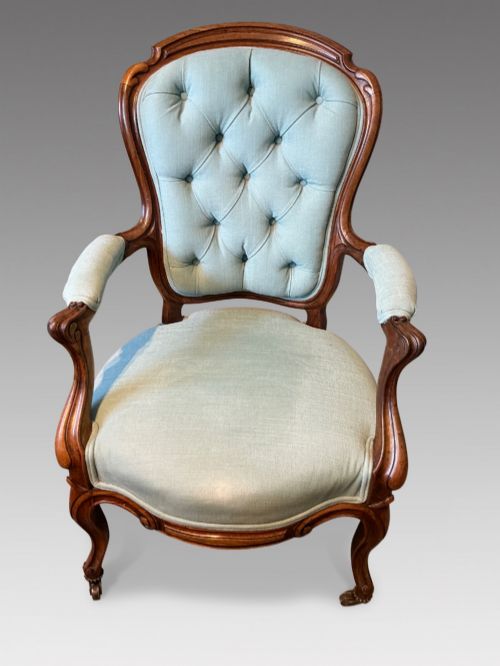
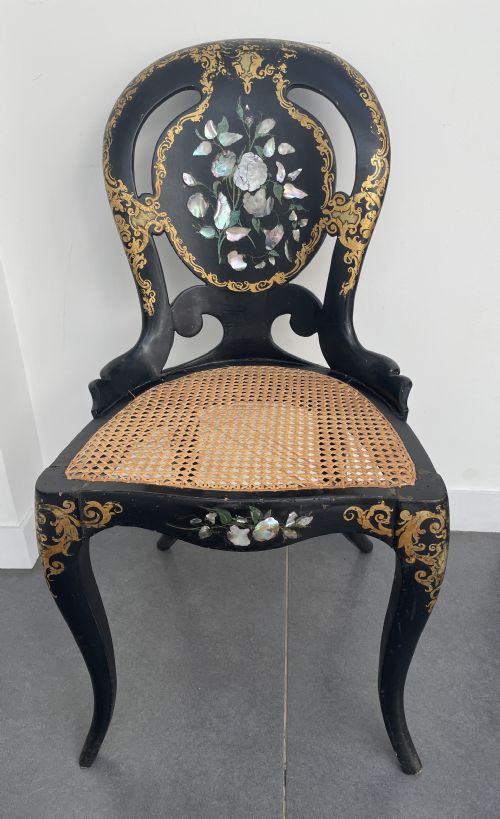
The framing timbers consist predominantly of walnut, mahogany, and rosewood, alongside occasional ebonised finishes, giltwood, and oak. These dense hardwoods allow deep carving for Rococo Revival and Aesthetic Movement styles.
Upholstery relies on traditional textiles including velvet, damask, silk, and needlework, supported by brass details and internal iron frames in certain later armchairs. Caned seats also appear on select giltwood salon chairs from the eighteen-seventies.
Several chairs double as nursemaids, offering low seats specifically designed for tending hearth fires in Victorian bedrooms.
Evaluating craftsmanship
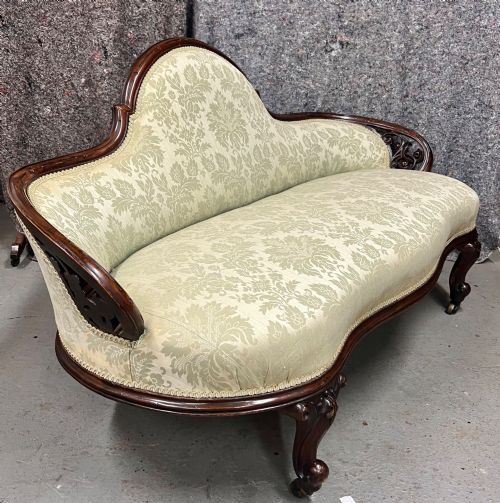
Carving depth and sharpness separate standard production from exhibition quality pieces, visible in the handling of walnut and rosewood frames. Elaborate piercing and detailed floral motifs indicate superior workshop output.
Cohesion within larger salon suites and sets indicates original manufacture rather than later assembly. Matching timber grain, uniform wood colour, and consistent upholstery treatment define the better examples.
Blyth & Sons
The Victorian Salon Seating Glossary
- Salon suite
- A matching set of seating furniture comprising a settee and multiple armchairs or side chairs designed for a formal drawing room.
- Balloon back
- A chair back shaped in a continuous oval curve resembling a balloon, characteristic of nineteenth-century seating.
- Fauteuil
- An open-armed French-style armchair with upholstered arm pads, seen in mid-nineteenth-century iterations.
- Aesthetic Movement
- A late nineteenth-century design style prioritising artistic expression, often utilising ebonised wood frames.
- Settee
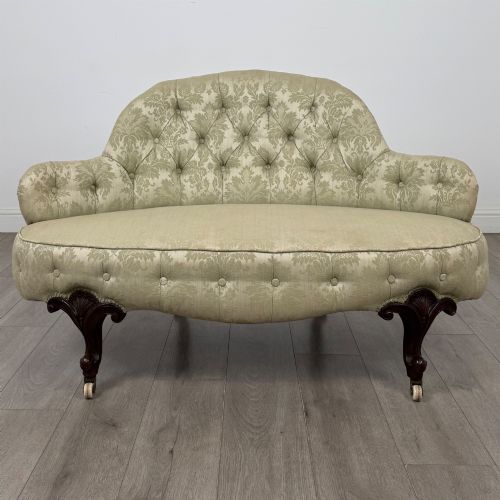
- A small upholstered sofa or bench intended for two or more occupants, frequently found in matching salon groupings.
Victorian Salon Seating: Frequently Asked Questions
What defines victorian salon seating?
These pieces comprise formal chairs, settees, and multi-piece suites produced during the nineteenth century for reception rooms. They utilise hardwoods like walnut and rosewood with diverse upholstery.
They reflect shifting aesthetic movements, encompassing Rococo Revival curves, Aesthetic Movement ebonisation, and French-inspired giltwood designs tailored for polite society.
How do I date these chairs?
Dating relies on stylistic shifts recorded across the period, moving from mid-century walnut carving towards late century ebonised finishes and Edwardian crossovers. Material choices also provide clues.
Specific design traits like balloon backs, crown backs, or low nursing seats align with precise decades between eighteen fifty and nineteen hundred.
Are salon suites matching sets?
Salon suites typically combine a settee with a matching pair or group of armchairs and side chairs. They share identical timber, carving, and textile coverings.
Larger suites extend to seven or nine pieces, providing uniform seating arrangements designed for entertaining in Victorian drawing rooms.