


Padded Arm Victorian Chairs
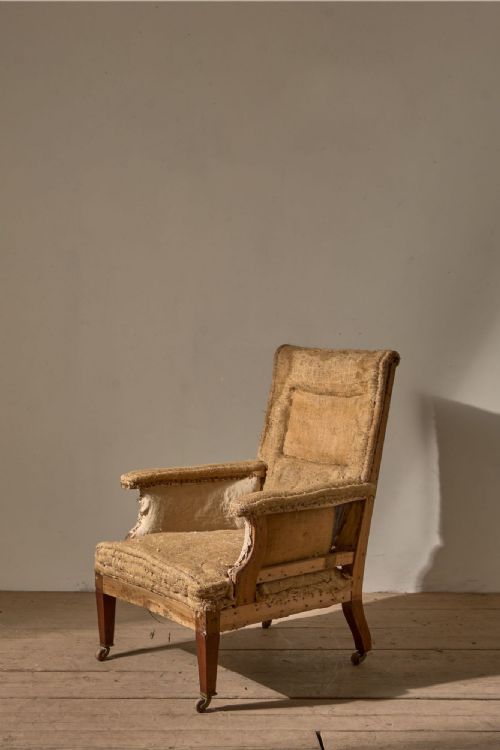
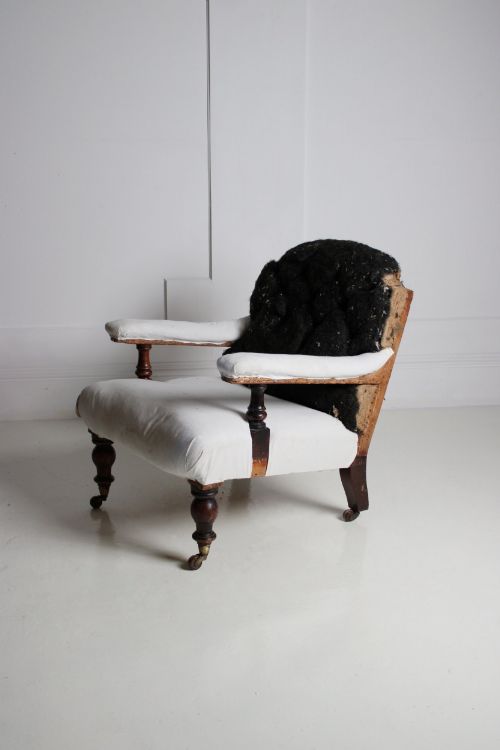
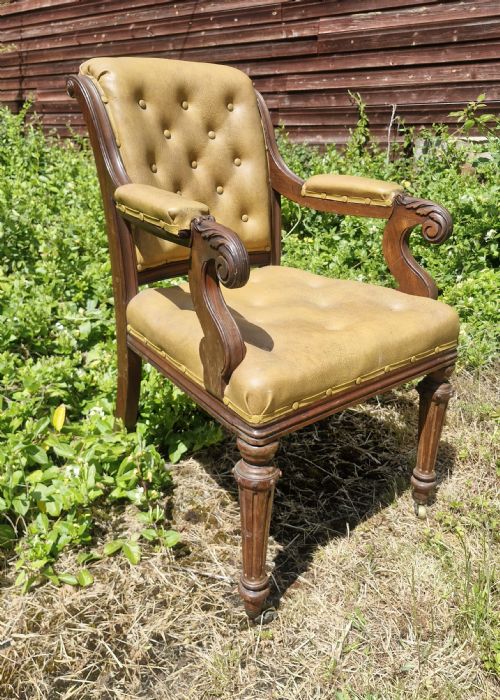
Padded arm Victorian chairs bring tactile comfort and period character to a room, offering sturdy nineteenth-century seating built for firesides and libraries.
Padded Arm Victorian Chairs
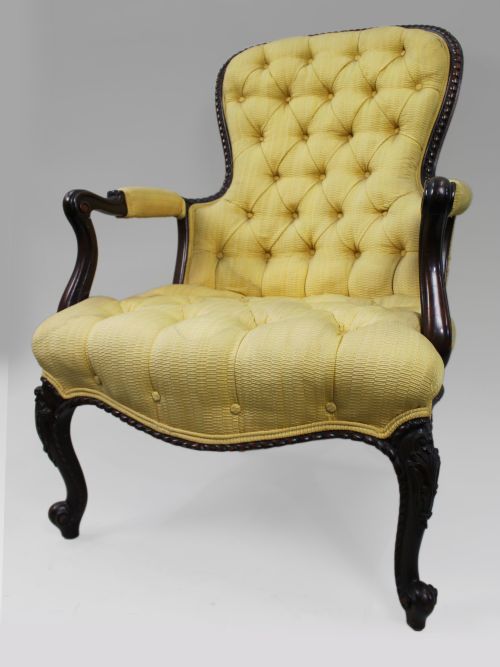
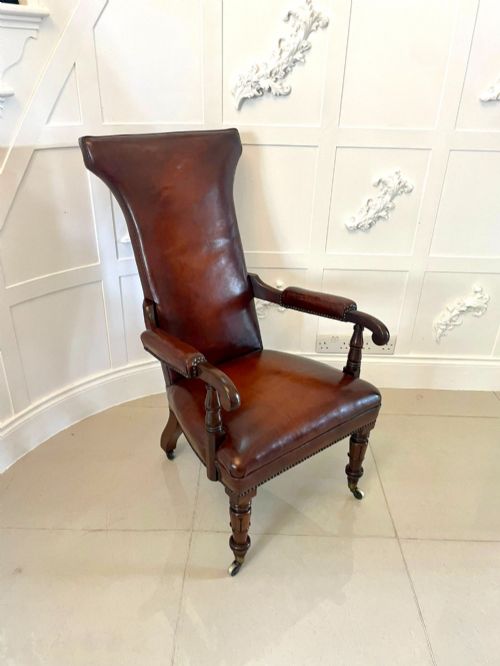
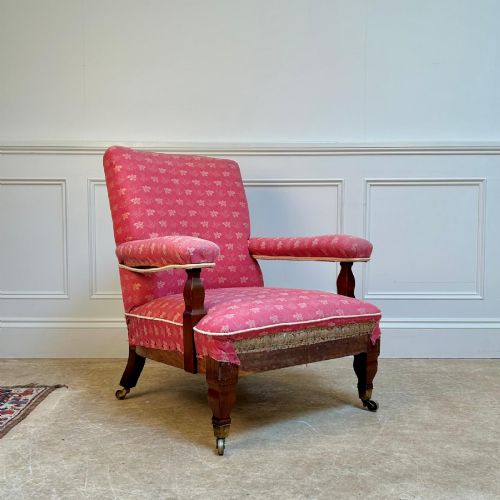
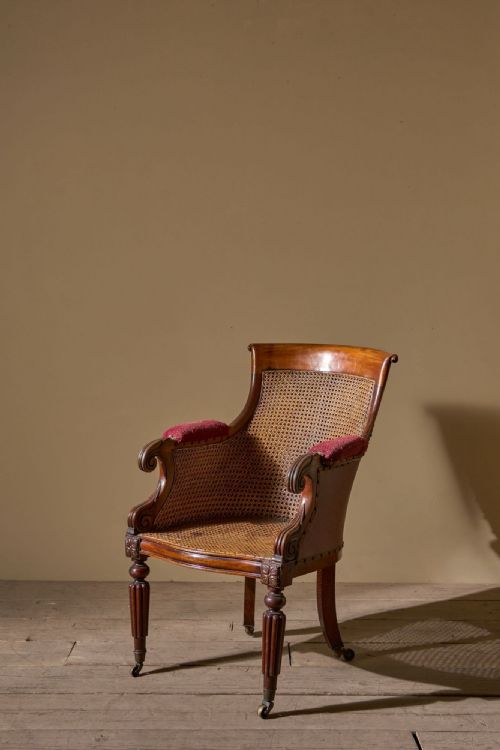
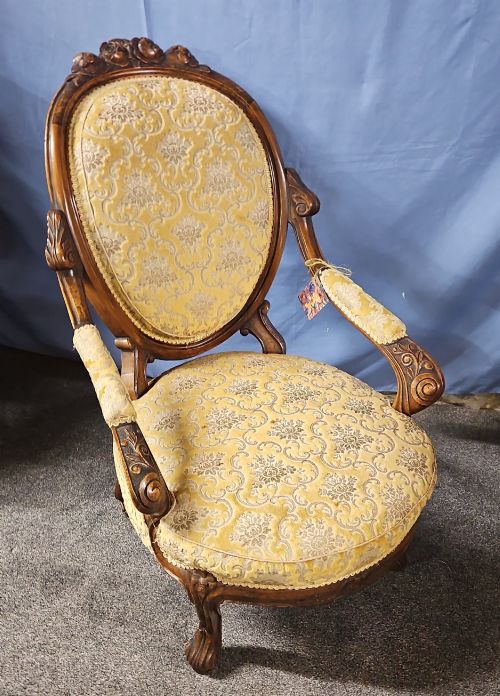
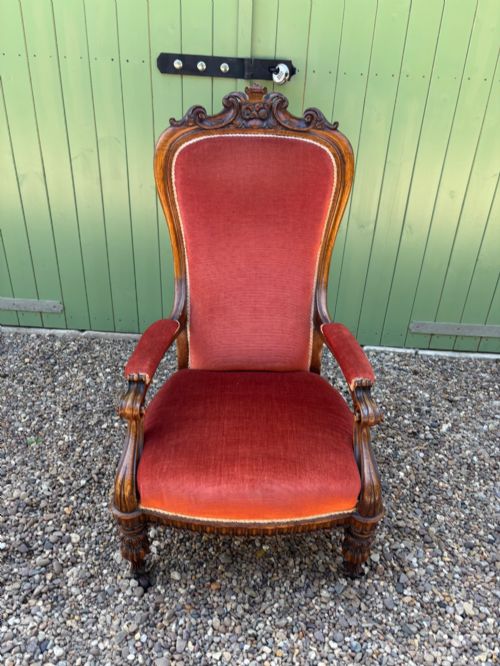
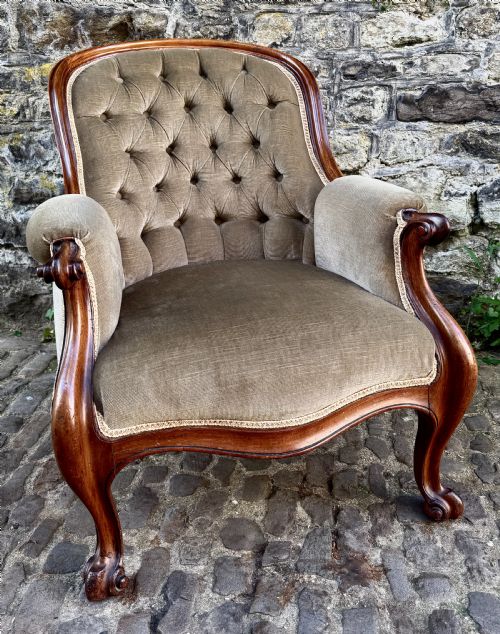
When you search for padded arm Victorian chairs, you encounter a variety of forms including library chairs, salon seats, and desk armchairs spanning the nineteenth century. These pieces range from robust walnut and mahogany frames to country house seating designed for everyday use.
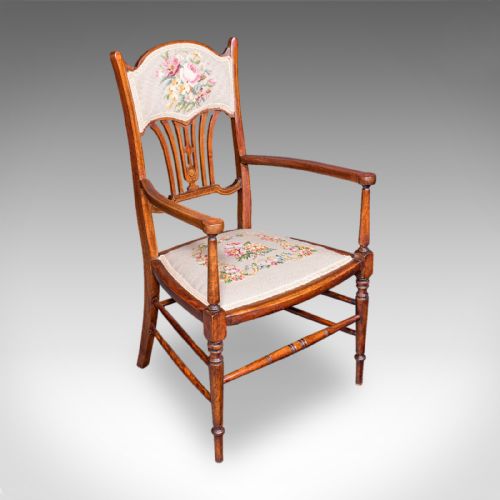
The most common examples on this page are walnut and mahogany armchairs featuring upholstered arm rests, open frames, and supportive high backs. Makers often employed beech, oak, and rosewood alongside specialised seating styles such as the Windsor or the revolving easy chair.
How they were made
Joiners and cabinet makers constructed these frames using dense hardwoods like mahogany, walnut, oak, and rosewood, often shaping show wood into cabriole legs or carved backs. Beech served as a reliable timber for painted or simpler country house seating.
Upholstery techniques combined traditional stuffing with textiles such as leather, velvet, fabric, and needlework covers, secured around padded arms and sprung seats. Brass fittings occasionally reinforced structural points or castors on desk chairs.
Some library chairs spent decades absorbing pipe smoke in quiet country houses before finding new life in modern reading corners.
What varies in quality
The distinction between standard seating and finer examples lies in the depth of timber carving, the choice of premium woods like figured walnut or rosewood, and the sophistication of the frame silhouette. Maker attribution also elevates certain pieces significantly.
Upholstery finish and the retention of original textiles or leather significantly affect the character of each chair. Superior examples display refined proportions and balanced joinery across both show wood frames and padded components.
George Jack For Morris·Howard and Sons
The Padded Arm Victorian Chairs Glossary
- Show wood
- Timber frame components left visible around the upholstered sections of a chair. Walnut and mahogany were frequently utilised for this purpose.
- Library chair
- A substantial armchair designed for reading rooms, often featuring leather upholstery and sturdy timber construction. These prioritize ergonomic support for extended sitting.
- Salon chair
- A smaller, decorative armchair intended for formal reception rooms. These typically exhibit lighter frames and ornate carving.
- Windsor chair
- A wooden seating form featuring spindles inserted into a solid seat. Padded variants combine traditional turned components with added cushioning.
- Cabriole leg
- A furniture leg that curves outward and then tapers inward, mimicking an animal limb. This style appears frequently on mid-nineteenth-century seating.
Padded Arm Victorian Chairs: Frequently Asked Questions
Where were these chairs placed?
Padded arm Victorian chairs suited domestic spaces such as morning rooms, libraries, and fireside parlours. They provided comfortable seating for reading and conversation.
Larger library chairs found homes in study spaces, while lighter salon chairs furnished formal entertaining areas.
How do I identify the period?
Dating relies on timber choices, leg profiles, and decorative motifs characteristic of the nineteenth century. Walnut and rosewood frames often align with mid-century production.
Later Victorian and Edwardian examples introduce alternative styles and revived historical influences such as Art Nouveau or Arts and Crafts details.
Are these chairs suitable for daily use?
Sturdy nineteenth-century construction makes these frames durable for modern seating. Many examples feature robust mahogany or oak structures.
Reupholstered pieces can easily integrate into contemporary interiors while retaining their historic timber frames and padded arms.
What is a desk armchair?
Desk armchairs feature supportive arm rests and often incorporate revolving mechanisms or specific heights suited to writing tables. Walnut and mahogany were standard materials.
Leather upholstery frequently appeared on these models to withstand regular office use in studies and libraries.