
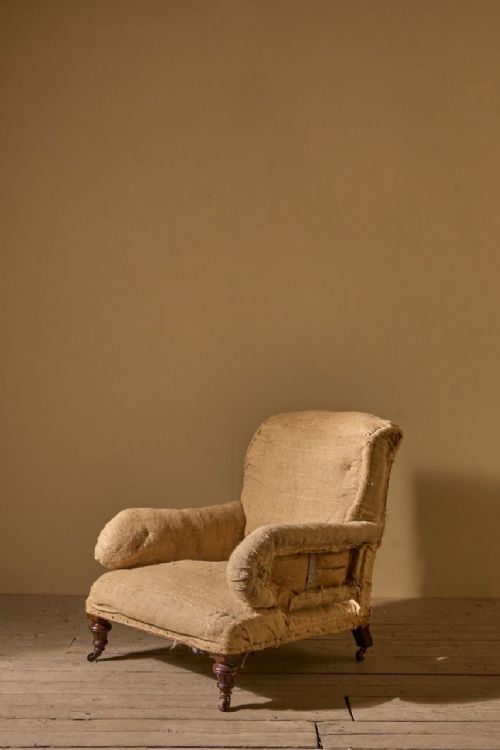
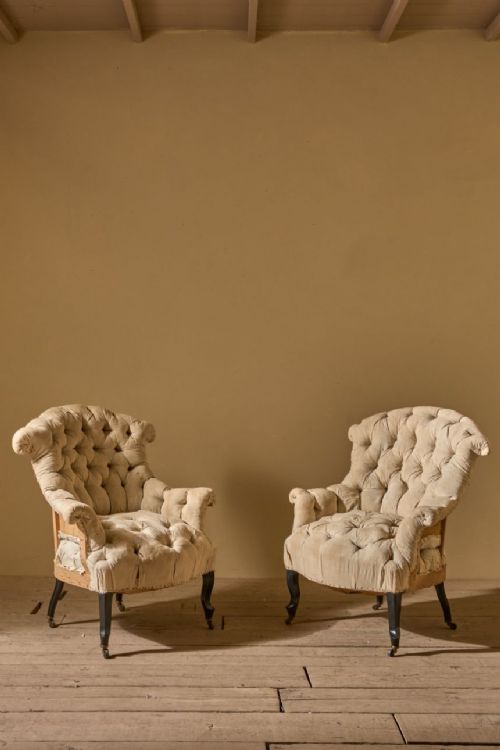
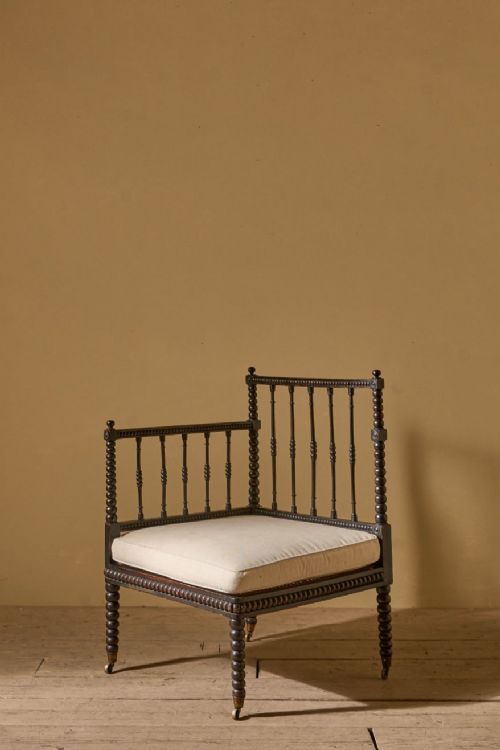
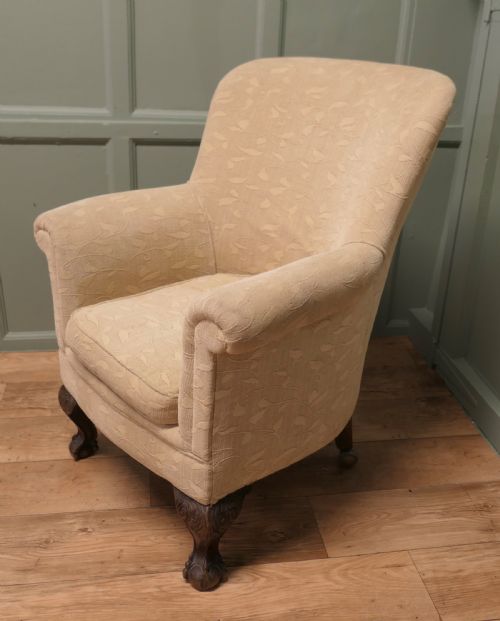


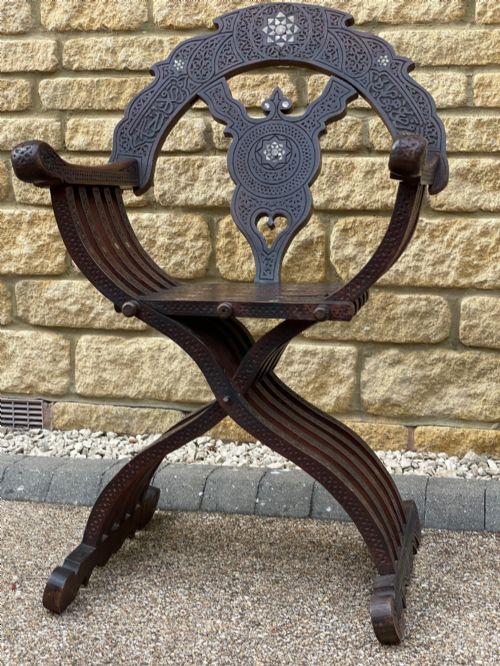
Victorian Accent Armchair
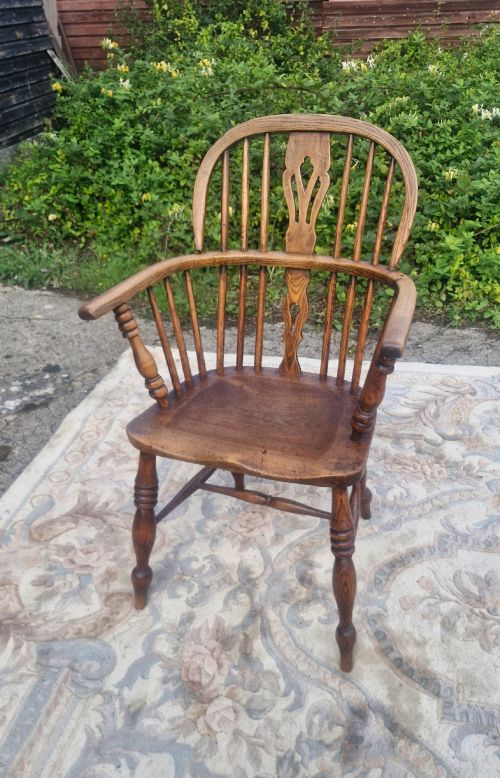
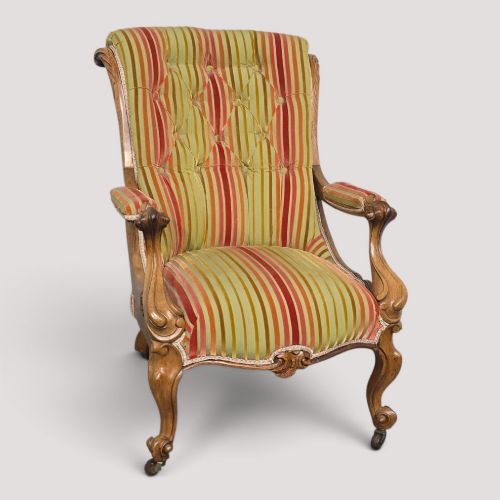
These Victorian accent armchair selections span low back Windsor forms, nursing chairs, and button back salon seats shaped by nineteenth-century craft.
Victorian Accent Armchair
A victorian accent armchair brings nineteenth-century seating into modern interiors through diverse forms such as low back Windsors, nursing chairs, and open salon seats. These pieces originate from periods spanning the mid-nineteenth century up to nineteen-hundred, incorporating regional English country styles alongside formal revival designs.
Buyers encounter walnut, mahogany, rosewood, and oak frames paired with upholstery in velvet, fabric, leather, and tapestry. The selection includes occasional chairs, elbow chairs, and highback kitchen armchairs that served varied domestic functions in period homes.
Materials and construction
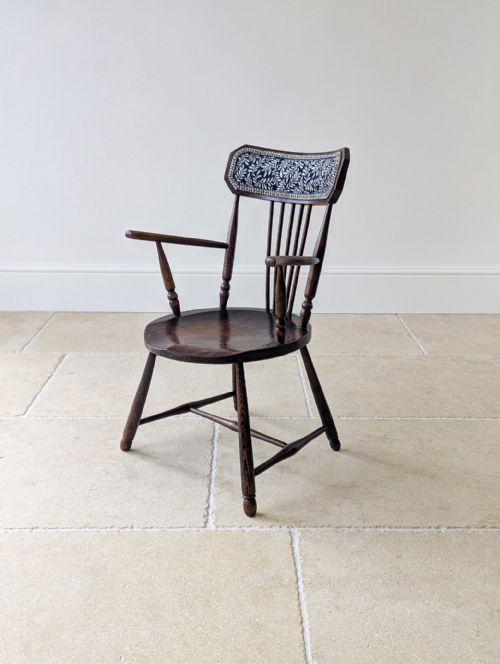
Frames rely on sturdy timbers including beech, elm, oak, walnut, and mahogany, shaped through traditional turning, carving, and joinery. Artisans applied mother of pearl inlay, ebonising, and detailed carving to frame surfaces.
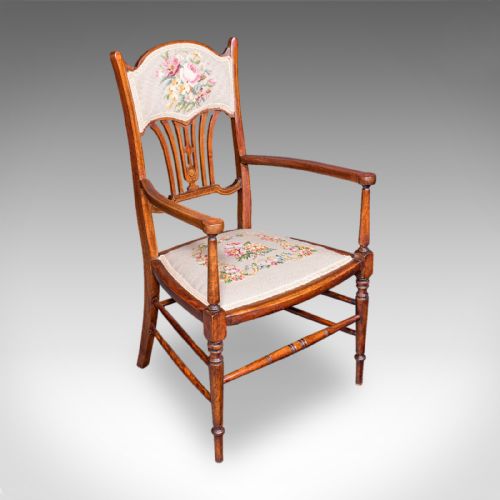
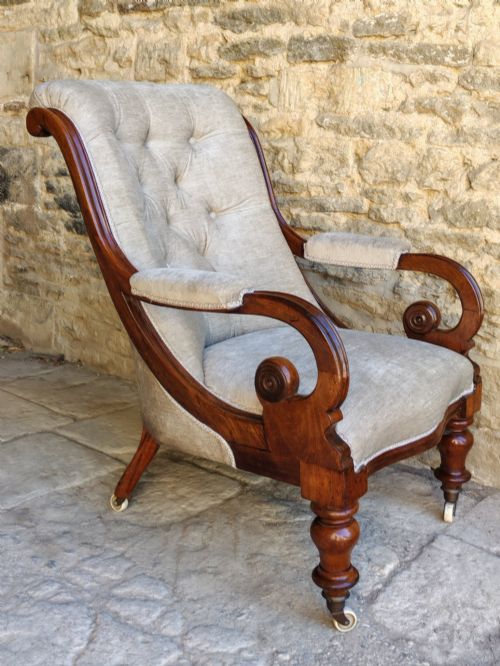
Upholstered variants utilise materials such as velvet, leather, tapestry, and fabric, often featuring button back padding and needlework finishes that reflect nineteenth-century interior aesthetics.
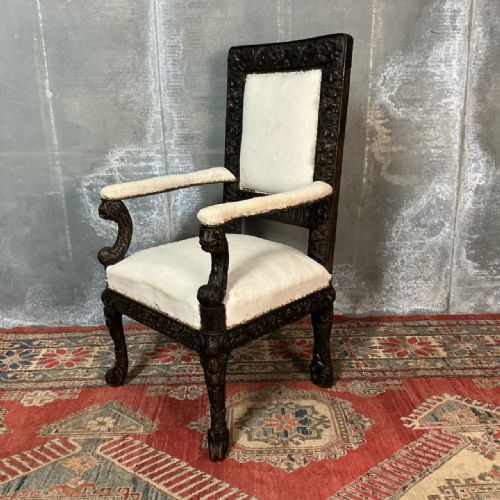
Burmese carved thistle chairs bring an unexpected botanical prickly charm to nineteenth-century seating collections.
Distinctions in quality
The standard of a victorian accent armchair depends upon the crispness of timber carving, the integrity of frame joinery, and the selection of primary woods such as rosewood or walnut over simpler utility timbers. Maker attribution and original upholstery finishes elevate particular examples.
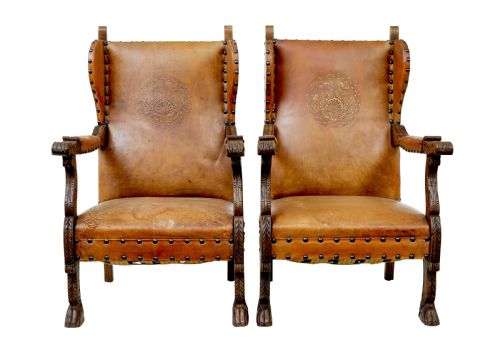
Refinement shows in balanced proportions, harmonious revival styling - ranging from Gothic to Aesthetic Movement - and the careful integration of decorative elements like mother of pearl or embossed leather.
Howard and Sons·Mellier and Co
The Victorian Accent Armchair Glossary
- Windsor chair
- A wooden chair construction featuring a solid saddle-shaped seat into which the legs and back spindles are raked and wedged. These sturdy seats appear in low back and highback formats.
- Nursing chair
- A low-seated upholstered chair designed originally for comfort while feeding infants or attending firesides. They often feature padded backs and turned wooden legs.
- Aesthetic Movement
- A late nineteenth-century design style emphasising visual beauty and artistic craft over utilitarian function. Ebonised frames and delicate ornamentation characterise this approach.
- Glastonbury armchair
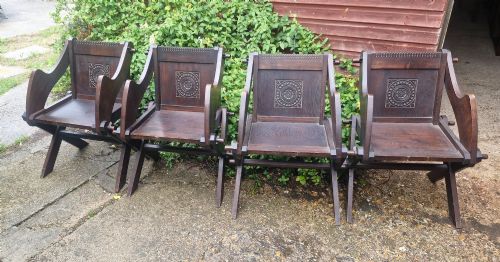
- A folding-style wooden chair with X-framed supports and sloping arms, derived from medieval prototypes. These typically appear in oak or pitch pine.
- Button back
- An upholstery technique where buttons are pulled deep into the padding to create a quilted pattern. This method secures the filling and adds formal detail to parlour seating.
Victorian Accent Armchair: Frequently Asked Questions
How do I identify a Windsor armchair?
Windsor armchairs are characterised by a solid wooden seat where individual turned spindles form the backrest and arm supports. Elm, beech, and yew wood frequently form these robust frames.
They appear in low back and highback variations, reflecting regional English country house traditions from the nineteenth century.
Where were salon chairs placed?
Salon chairs and occasional chairs were positioned in reception rooms and parlours to provide flexible seating for guests. Their lighter frames allowed easy movement around entertaining spaces.
Woods like rosewood, walnut, and ebonised beech often formed the decorative carved frames of these formal seats.
What defines Aesthetic Movement seating?
Aesthetic Movement chairs prioritise artistic design, often utilising ebonised timber surfaces and refined proportions. This late nineteenth-century style discarded heavy ornamentation in favour of visual harmony.
Such pieces fit well in spaces dedicated to distinctive decorative arts and historical character.