



Victorian Oak Server Table
A victorian oak server table combines utility with robust nineteenth century craftsmanship, offering a functional surface for dining or display.
Victorian Oak Server Table
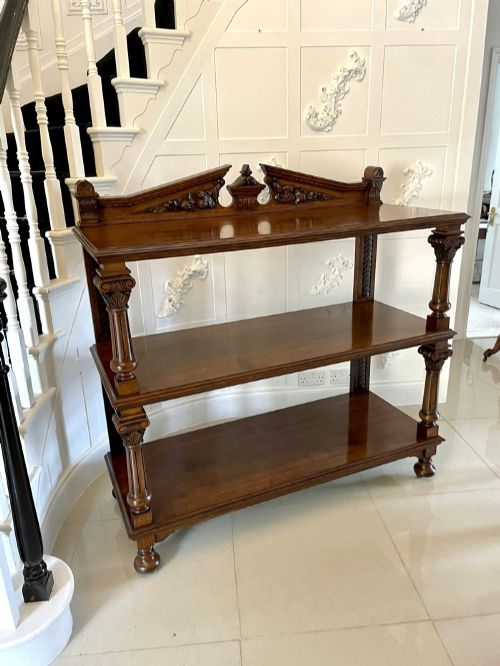
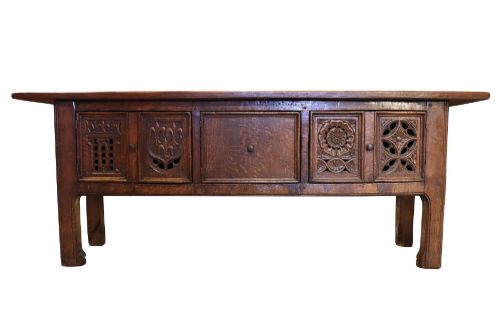
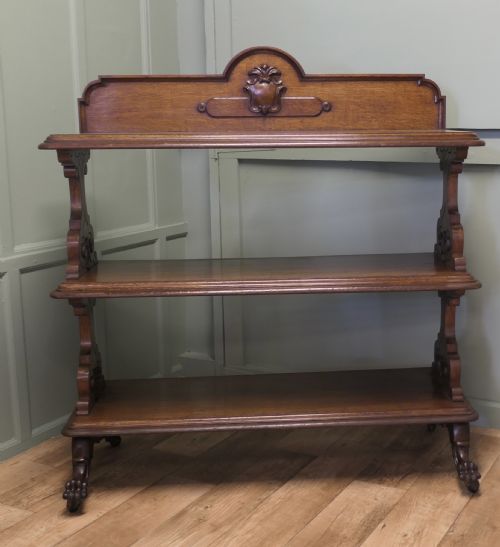
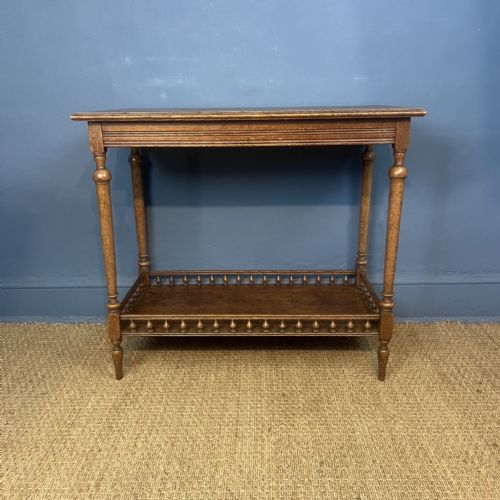
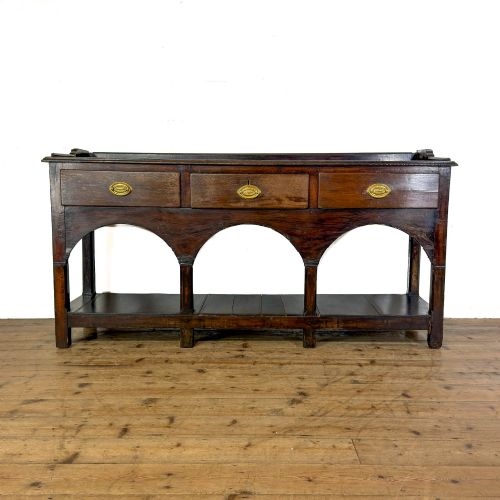
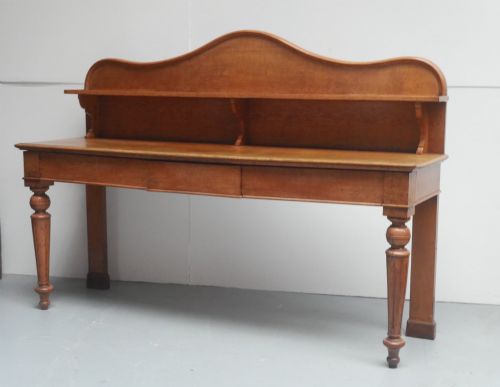
A victorian oak server table encompasses forms such as side tables, console tables, serving tables, and dressers. These pieces emerge primarily from the nineteenth century, spanning decades from 1850 to 1900.
Buyers will most frequently encounter sturdy side tables and console tables built for hallways or dining rooms. The selection includes substantial buffets, dumbwaiters, and dresser bases alongside more compact hall tables.
Origins range across English country workshops to larger Scottish workshops, capturing styles from Gothic Revival and Jacobean Revival to Aesthetic Movement and English Country.
How they were made
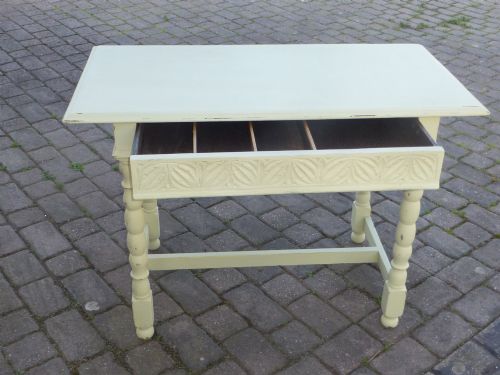
Construction relies heavily on solid oak and pollard oak, sometimes augmented by walnut or painted finishes. Joinery typically involves robust framing suited to heavy daily use in nineteenth century households.
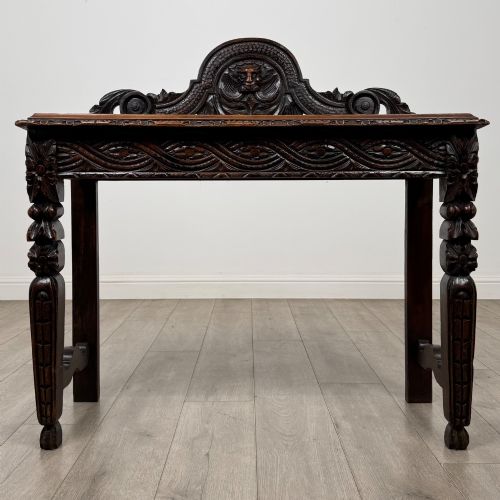
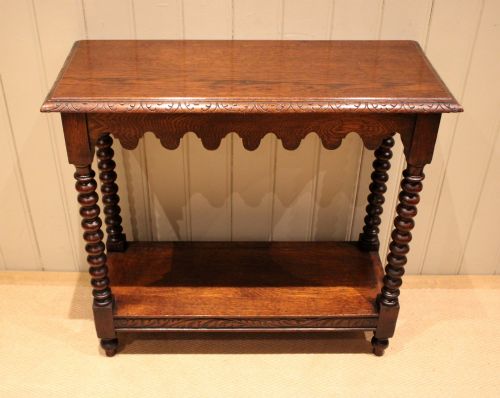
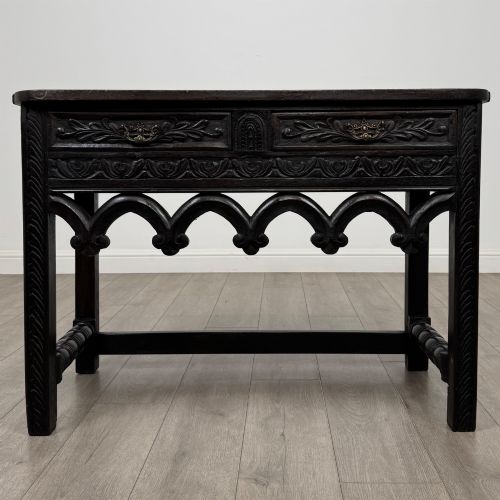
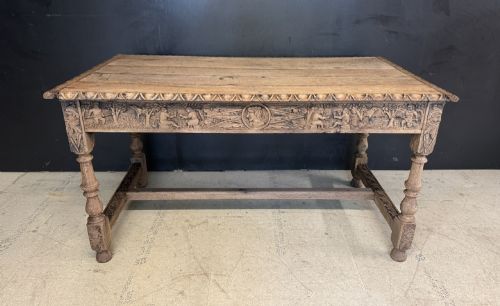
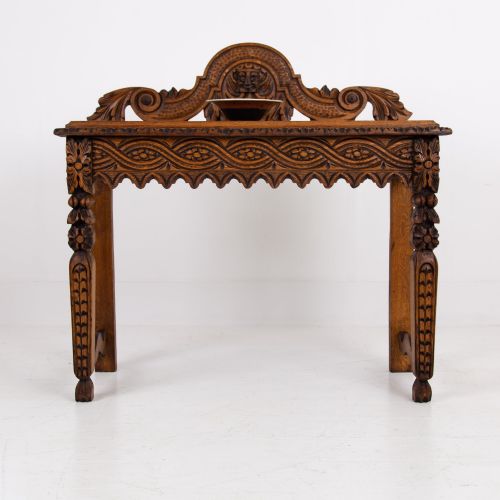
Decoration is achieved through deep carving, architectural moulding, and applied turnings such as bobbin legs. Hardware integrates brass elements, while specific forms incorporate glass or ceramic details and silver plate.
Listings feature oak alongside pollard oak and walnut, incorporating brass, ceramic, and silver plate.
What varies in quality
Quality rests on the depth and crispness of the carved ornamentation, distinguishing spirited work like Green Man motifs from standard mouldings. The choice of timber also shifts the standard, with figured pollard oak or golden oak elevating the visual weight.
Proportion and structural integrity dictate the upper tier of these tables. Narrow proportions, substantial timber thickness, and well-integrated tiers or top shelves separate bespoke architectural server tables from simpler domestic utility pieces.
Phillips Bristol
The Victorian Oak Server Table Glossary
- Pollard Oak
- Timber taken from trees that have been pollarded, producing a heavily figured, gnarled grain pattern. This decorative wood was favoured for high-status Victorian cabinet furniture.
- Gothic Revival
- An architectural and decorative style drawing on medieval forms, featuring pointed arches, tracery, and heavy carving. It appears frequently on nineteenth-century serving tables and buffets.
- Dumbwaiter
- A multi-tiered freestanding piece of furniture used for serving food or holding tableware without servant attendance. Victorian examples often incorporate turned supports and heavy oak construction.
- Dresser Base
- A low sideboard or serving table fitted with drawers and sometimes lower shelves, used originally in kitchens and dining rooms. These pieces provide substantial storage beneath a flat working surface.
- Green Man
- A sculptural motif depicting a human face disgorging foliage, symbolizing rebirth. It surfaces on carved nineteenth-century oak furniture and architectural woodwork.
Victorian Oak Server Table: Frequently Asked Questions
What is the difference between a server table and a sideboard?
A server table generally provides an open framework with a top surface and sometimes lower tiers for holding dishes. Sideboards and buffets often include enclosed cupboards and drawers for storage.
Both forms utilise heavy oak construction and share Victorian aesthetic traits, but servers emphasise open display space.
Where were these tables used in a Victorian home?
These tables served primarily in dining rooms as auxiliary surfaces for meals, holding dishes before service. Narrower variants functioned as hall or console tables for incoming items.
Their robust timber construction allowed them to withstand heavy daily use across various domestic spaces.
How can I tell the period of an oak server table?
Dating relies on stylistic clues like Gothic Revival tracery, Aesthetic Movement geometry, or Jacobean Revival twists. Construction methods and recorded dates from the nineteenth century help narrow the decade.
Cabinetmakers often employed specific decorative vocabularies that shift between 1850 and 1900.
What styles are common in these oak tables?
Victorian interpretations draw heavily on Gothic Revival, Jacobean Revival, and Renaissance Revival vocabularies. Aesthetic Movement examples appear with cleaner rectangular lines and tiered shelving.
English Country pieces offer a simpler vernacular interpretation without heavy ecclesiastical ornamentation.