
Victorian Oak Hall Stand
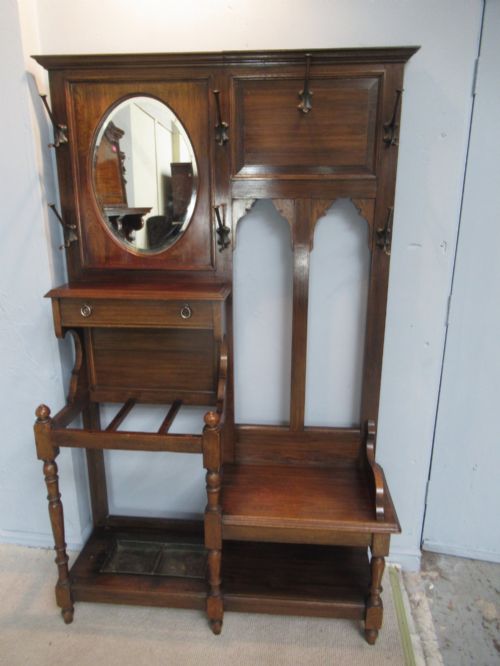
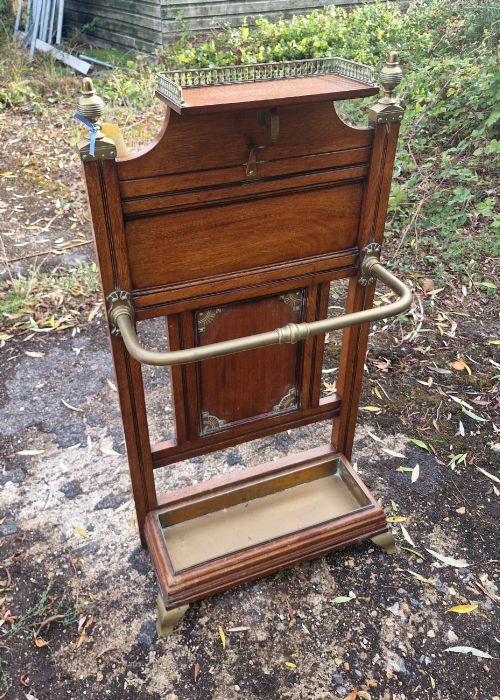
When choosing a victorian oak hall stand, you select a substantial piece of hallway furniture designed to organise coats, hats, and umbrellas.
Victorian Oak Hall Stand
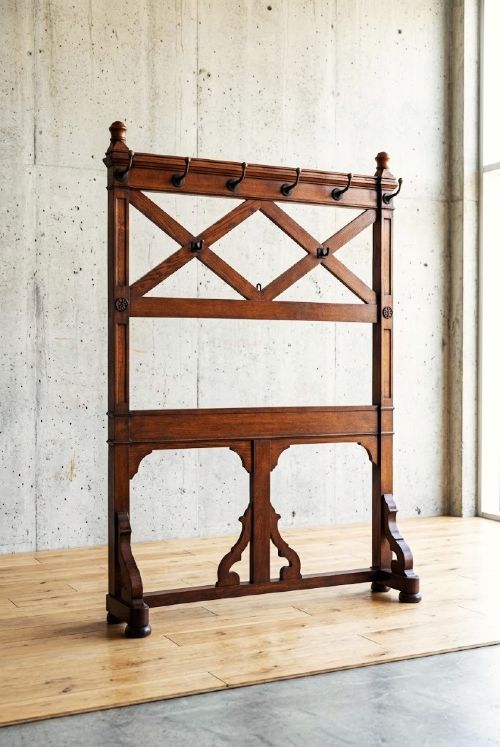
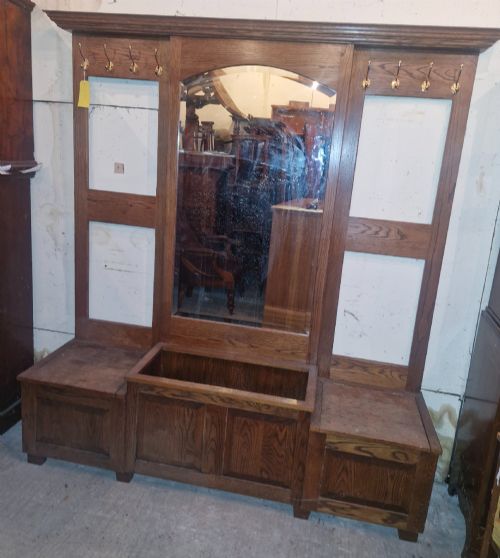
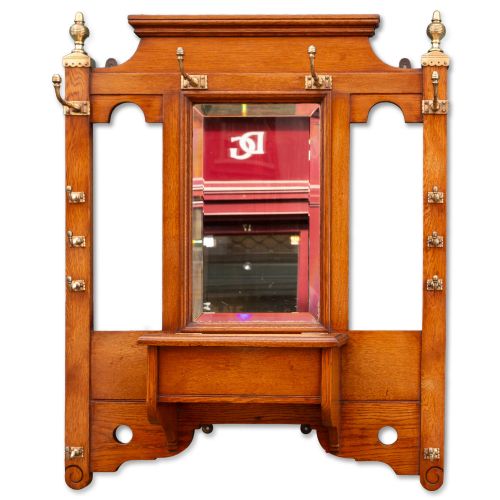
A victorian oak hall stand combines several functions into a single hallway piece, typically providing hooks for garments, a shelf or mirror, and a base fitted with drip pans for walking sticks and umbrellas.
The pieces appearing in this category span the nineteenth and early twentieth centuries, encompassing nineteenth-century, Victorian, and Edwardian periods.
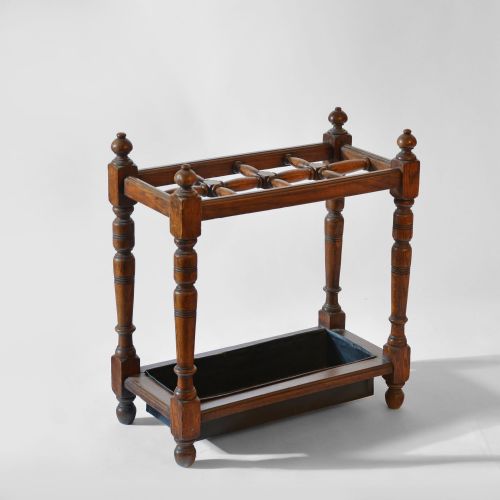
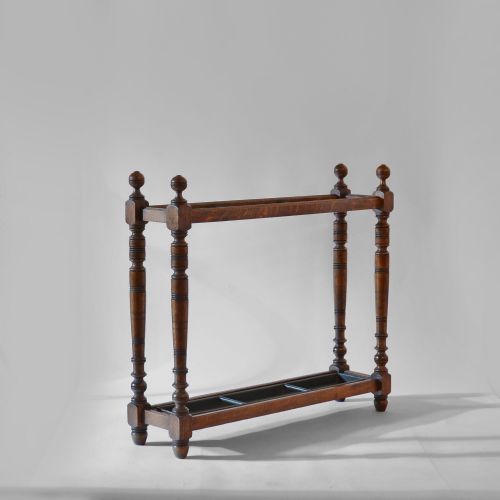
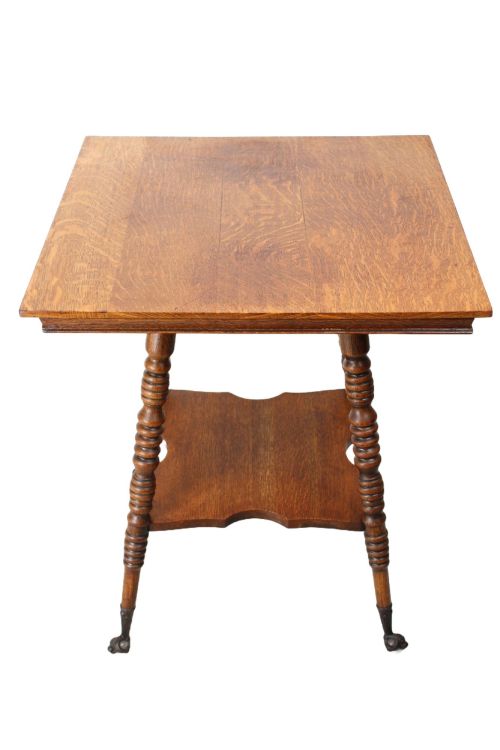
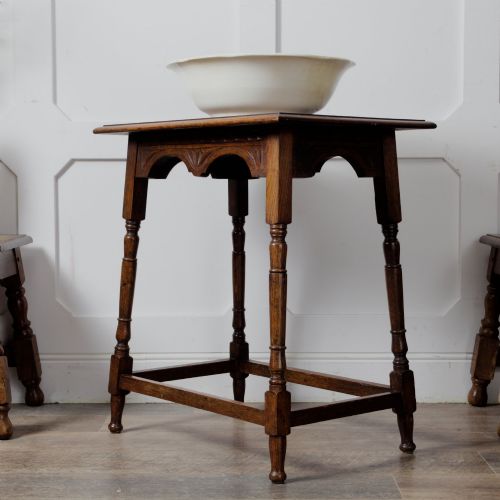
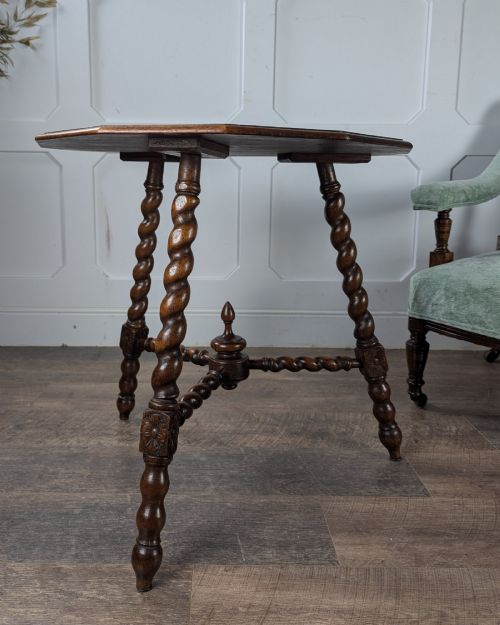
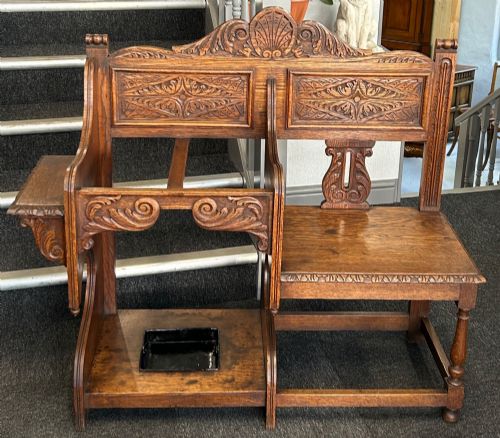
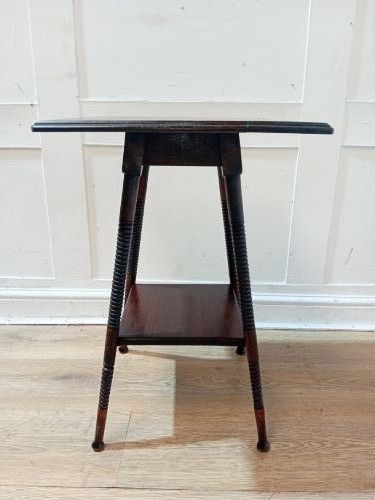
Beyond standard combination stands, the selection includes related entrance furniture such as stick stands, umbrella stands, hall seats, side tables, coat racks, and hall cupboards.
How they were made
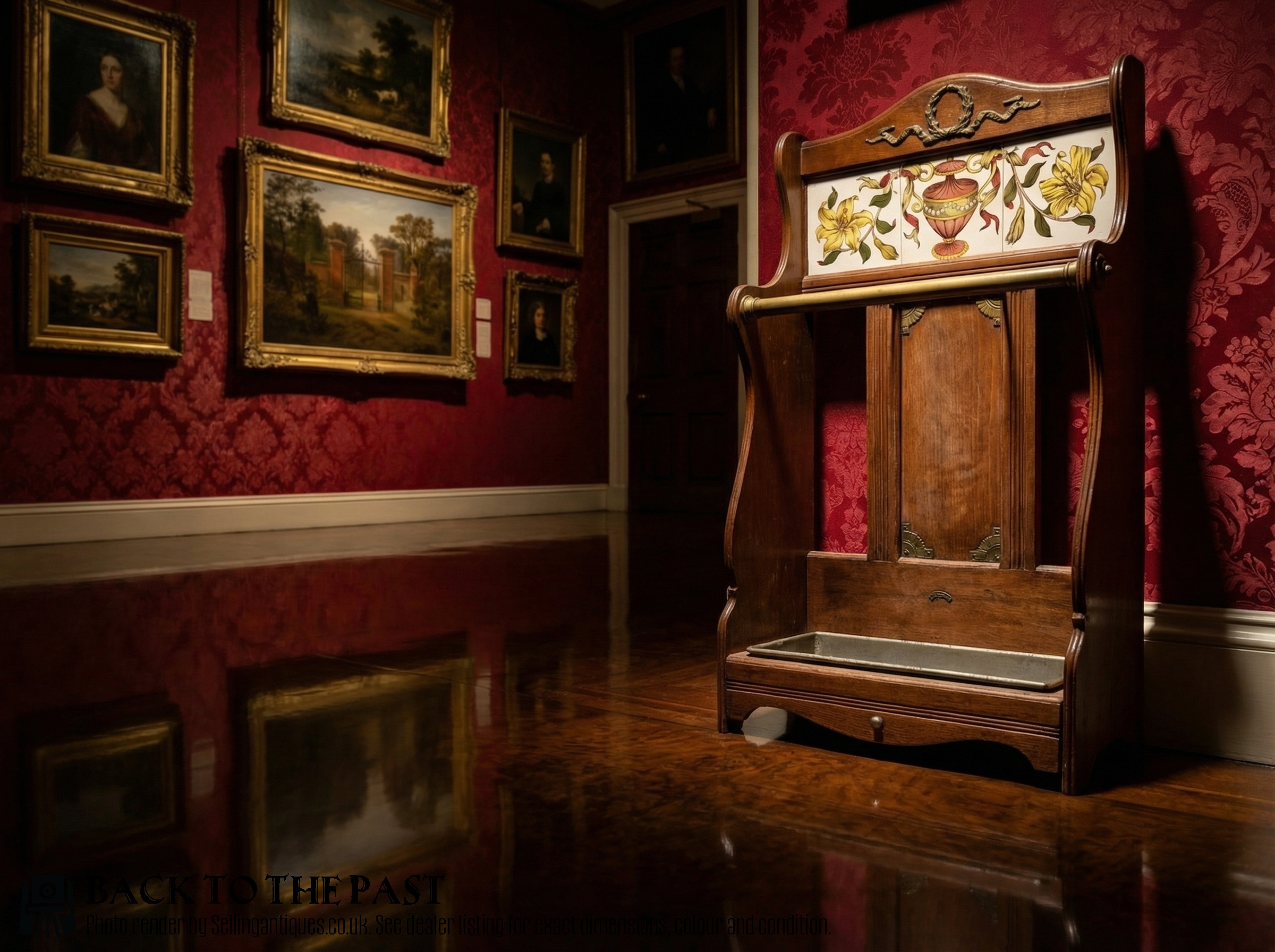
Constructed primarily from solid oak and carved wood, these pieces utilise supplementary materials including brass, iron, metal, glass, marble, and zinc for hooks, mirrors, and drip pans.
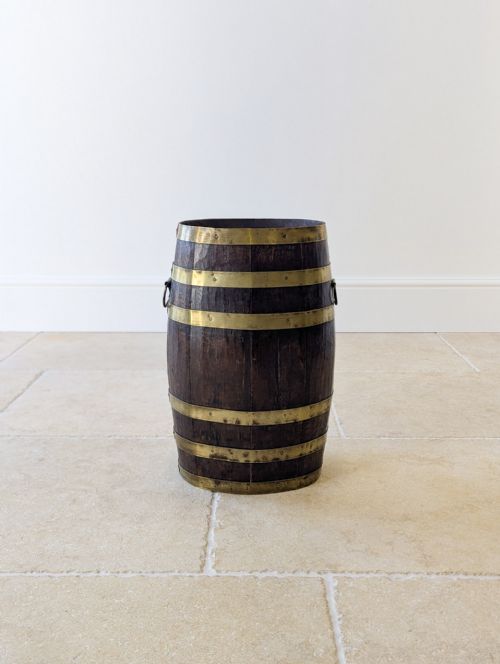
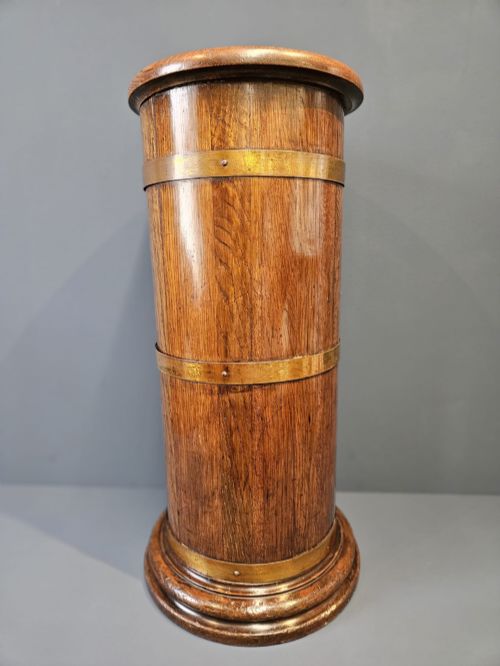
Cabinetmakers applied decorative techniques ranging from Gothic Revival tracery and Arts and Crafts simplicity to elaborate Green Man carvings and coopered stave construction for barrel-style umbrella stands.
Victorian Oak Hall Stand Retail Price Guide 2026
Typical asking prices for victorian oak hall stand among the pieces listed under this phrase on Sellingantiques today, from the lower quarter to the upper quarter. They describe what is for sale here now, not the wider market.
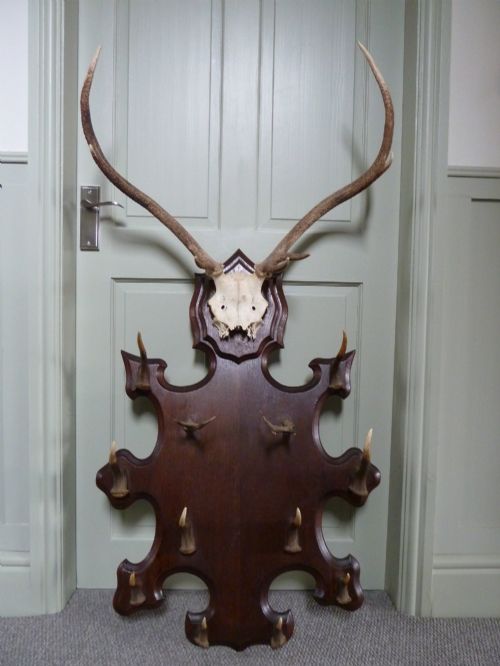
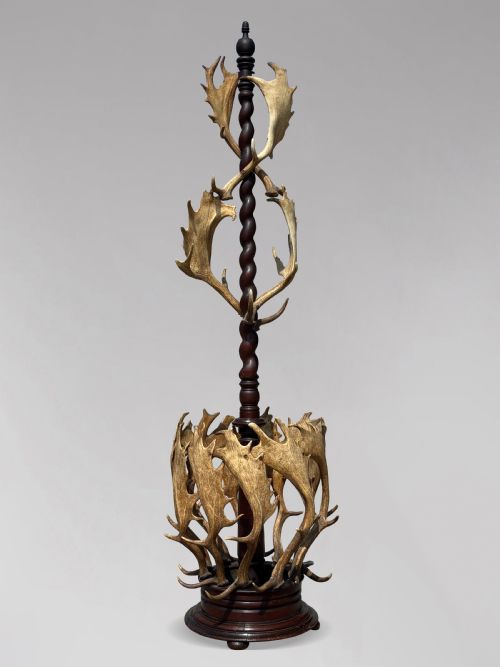
Several pieces incorporate genuine stags' and cows' horns alongside carved wood to hold hats and walking sticks in country house style.
What varies in quality
Quality rests in the depth and execution of the carved detail, distinguishing standard production hall stands from ambitious examples featuring figural motifs like Green Men, knights, or stag and cow horns.
The choice of hardware and structural joinery dictates durability, with heavy brass fittings, robust coppered staves, and integrated bevelled mirrors marking the higher tier of craftsmanship.
William Birch·Liberty of London·J. Parker of Woodstock·Fischel
The Victorian Oak Hall Stand Glossary
- Coopered
- Method of construction using tapered wooden staves bound with metal hoops, commonly seen on cylindrical umbrella and stick stands.
- Green Man
- A sculptural motif depicting a human face entwined with foliage, frequently carved into the crests of Victorian entrance furniture.
- Demi lune
- A half-moon shape characteristic of hall furniture designed to sit flat against an entryway wall without projecting too far.
- Gothic Revival
- An architectural and decorative style drawing on medieval forms, featuring pointed arches, tracery, and heavy mouldings.
Victorian Oak Hall Stand: Frequently Asked Questions
What is a hall stand used for?
A hall stand serves as a central storage hub in an entranceway for outdoor wear and accessories. It keeps coats, hats, and walking sticks neatly arranged.
Many designs incorporate umbrella wells with metal drip pans to catch moisture from wet weather gear. Others feature mirrors and small compartments for keys and calling cards.
How do I identify a Victorian hall stand?
Victorian examples are characterised by robust oak construction, often featuring dark finishes and prominent grain. Look for architectural elements such as pediments, panelled backs, and applied mouldings.
Decoration frequently draws on Gothic Revival, Arts and Crafts, or Aesthetic Movement styles, incorporating carved foliage or figural details.
Are all hall stands fitted with mirrors?
Not all hall stands include mirrors, though many mid to late-Victorian examples feature bevelled glass plates set into the central wooden backboard.
Stands without mirrors often prioritise structural woodwork, relying on hat pegs and heavy cornice moulding for visual presence in the hallway.
How do I care for antique oak hall furniture?
Maintain oak hall furniture by keeping it away from direct heat sources and dramatic humidity shifts, which can cause the timber to split. Dust the carved surfaces regularly with a soft cloth.
Apply a quality beeswax periodically to nourish the wood and preserve the finish without building up heavy residue.