





Antique Hallway Organiser
An antique hallway organiser brings immediate order to boots, sticks and letters, offering the honest utility of past centuries.
Antique Hallway Organiser
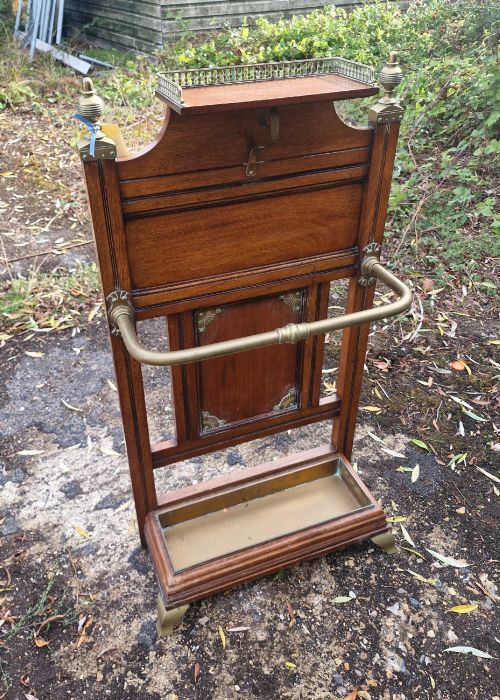
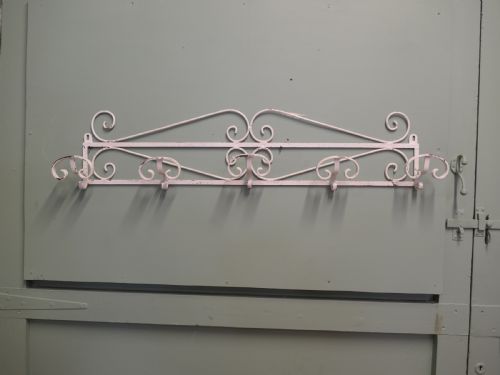
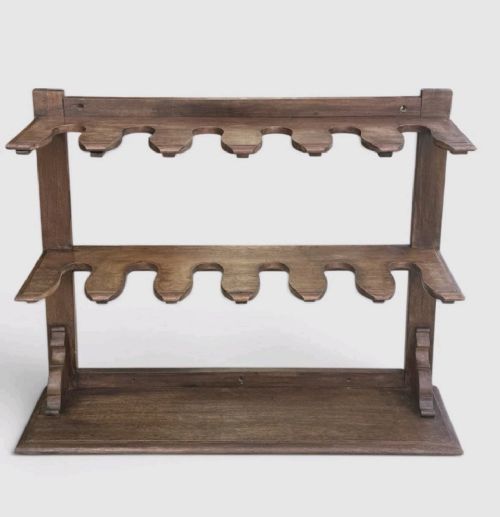
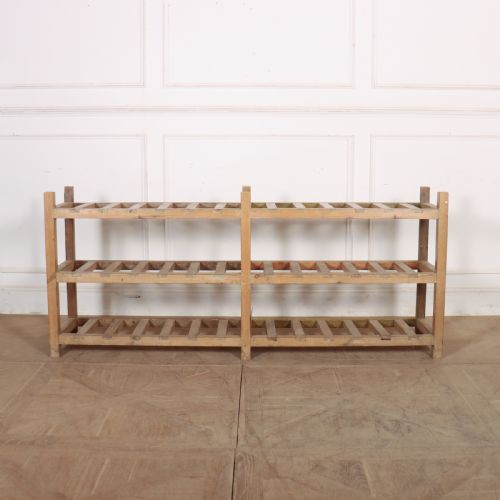
When you search for an antique hallway organiser, you encounter pieces designed to manage the clutter of coats, umbrellas and footwear by the front door. The selection spans umbrella stands, boot racks, stick stands, shoe racks, and key racks.
Most examples you meet on this page date from the Victorian era and the nineteenth century, alongside occasional pieces from the Regency period, 1900, 1920, and 1930. These take forms such as corner stick stands, revolving bootstands, and hotel reception key boards.
The aesthetic ranges from rustic country and traditional British to English Country House and Victorian styles. Materials include oak, mahogany, pine, walnut, cast iron, metal, brass, wood, leather, and timber.
Construction and materials
Metalworking played an essential part in heavier items, resulting in cast iron umbrella stands and brass fittings. Leather also appears in specialised umbrella stands, while timber and metal combine to support daily use.
Antique Hallway Organiser Retail Price Guide 2026
Typical asking prices for hallway organiser among the pieces listed under this phrase on Sellingantiques today, from the lower quarter to the upper quarter. They describe what is for sale here now, not the wider market.
A twenty-four division country house umbrella stand ensures nobody loses track of their walking stick after tea.
Judging quality and character
Quality rests upon the selection of timber and the execution of hand-carved elements. A piece featuring twenty-four divisions or a revolving mechanism demands greater skill from the maker than a basic frame.
The integrity of the materials, whether cast iron or solid mahogany, dictates longevity. Finer items display thoughtful proportion and robust construction designed for heavy household traffic.
The Antique Hallway Organiser Glossary
- Umbrella stand
- A receptacle designed to hold wet umbrellas and walking sticks near an entrance. These often incorporate metal drip trays to protect wooden floors.
- Boot rack
- A piece of furniture configured with horizontal bars or vertical posts to air and store riding boots or shoes. Examples range from wall-mounted racks to revolving stands.
- Stick stand
- A compact holder specifically intended for walking sticks and canes. They frequently share designs with umbrella stands.
- Key board
- A wall-hanging board furnished with hooks for organising household or establishment keys. Hotel reception key boards offer a larger scale with numerous designated slots.
- Regency period
- An era of British design spanning the early nineteenth century known for classical restraint and elegant proportions. Pieces from this time show distinct cabinetmaking standards.
Antique Hallway Organiser: Frequently Asked Questions
What is an antique hallway organiser?
An antique hallway organiser is a functional piece of entrance furniture intended to hold walking sticks, umbrellas, boots, shoes, or keys.
These items range from cast iron umbrella stands to mahogany boot racks and oak key boards designed for domestic or hotel use.
How were umbrella stands used?
Umbrella and stick stands sat near the front door to keep wet umbrellas and walking aids contained upon entering a house.
Drip trays placed beneath the stands caught rainwater, protecting the hallway floor from moisture and mud.
Where do boot racks come from?
Boot racks originated in country houses and stables where riding boots required proper ventilation and storage after use.
Designs include hand-carved wooden stands, revolving pieces, and wall-mounted pine or mahogany racks.
How do I date a hallway piece?
Dating relies on identifying the timber, construction methods, and stylistic cues associated with periods like the Regency or Victorian eras.
Nineteenth-century pieces often display hand-carving or heavy cast iron casting, whereas later items from the 1920s and 1930s reflect different institutional or domestic needs.