





Victorian Oak Bureau
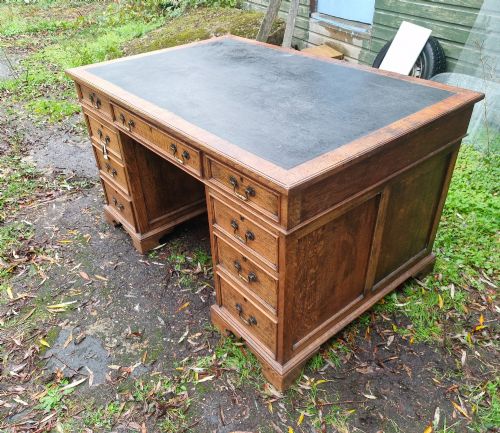
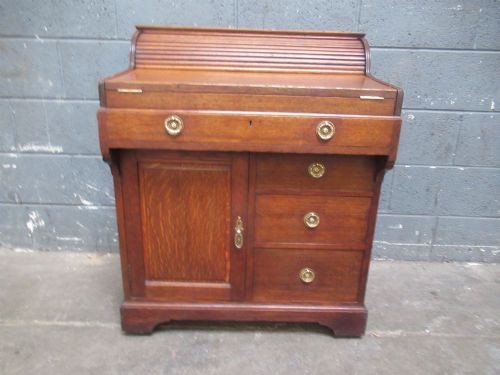
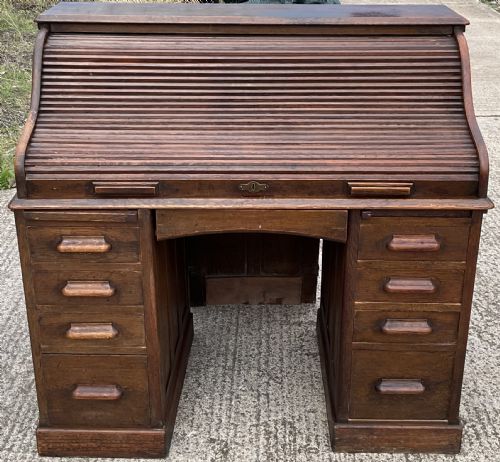
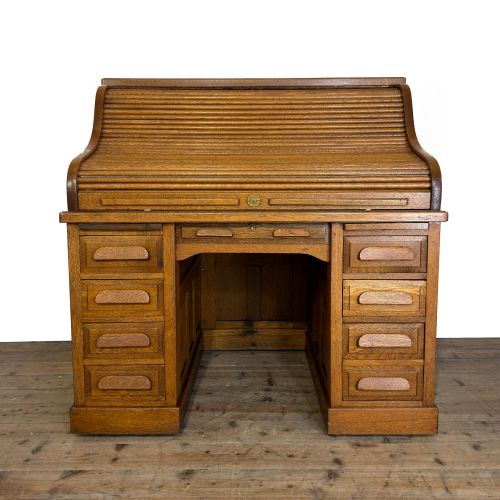
Solid timber writing pieces designed for correspondence and storage, a victorian oak bureau brings robust domestic history into any study.
Victorian Oak Bureau
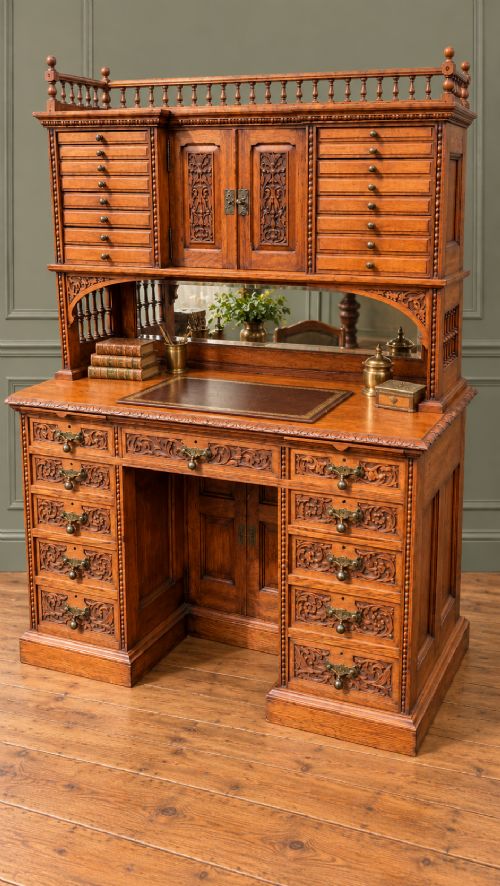
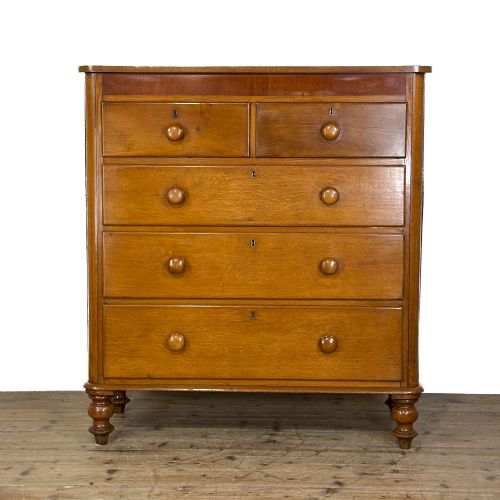
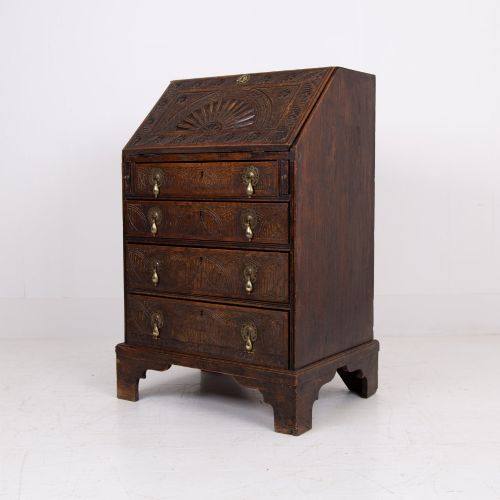
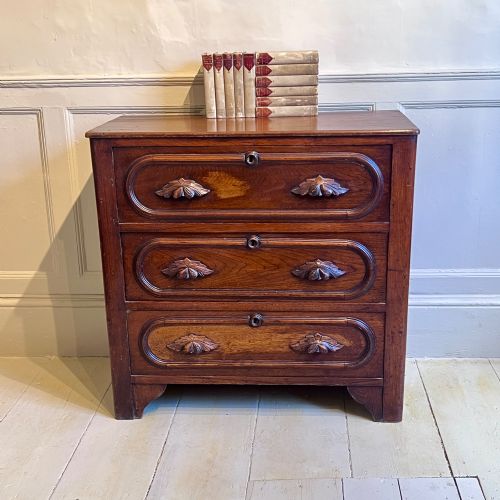
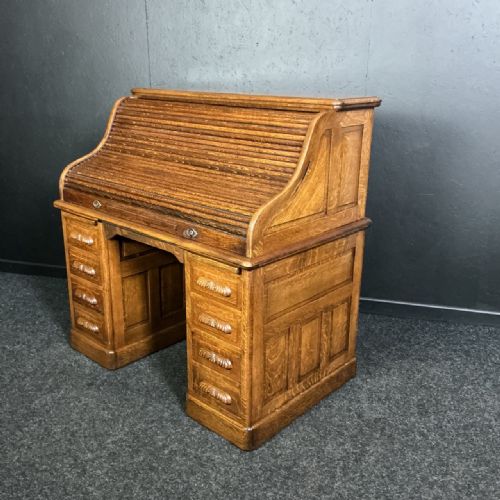
A victorian oak bureau is a dedicated writing cabinet featuring a sloping fall-front flap that opens to reveal internal compartments, pigeonholes and small drawers. These practical workspace items appear in various forms across this selection, from compact country examples to large cabinet variations combined with bookcases.
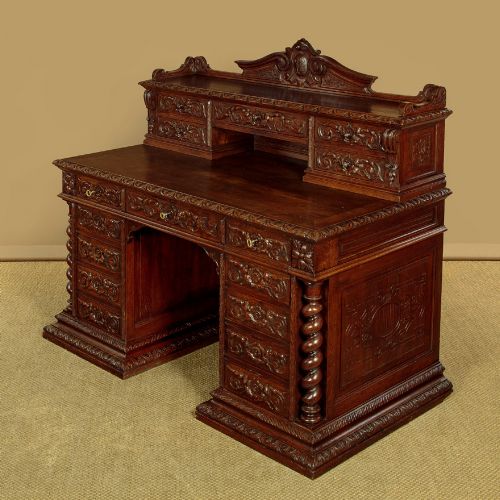
Most pieces seen here belong to the later nineteenth century, particularly the eighteen-eighties and eighteen-nineties, drawing on diverse stylistic influences including Gothic Revival and Arts and Crafts movements. Buyers encounter heavy architectural carving, green man grotesques, and simpler vernacular designs intended for daily Victorian correspondence.
What varies in quality
The degree of carving depth, sharpness of hand-chiselled detail, and structural integrity of the fall-front hinges separate standard utilitarian pieces from workshop-attributed items. Superior examples retain original fitted interior stationery drawers and working brass locks without modern replacement timbers.
Timber selection dictates overall visual weight, where figured pollard oak or matched burr veneers elevate standard construction into high-end cabinet work. Workshop provenance, such as documented maker stamps on pedestals and desks, distinguishes ordinary production furniture from bespoke retailer output.
Victorian Oak Bureau Retail Price Guide 2026
Typical asking prices for victorian oak bureau among the pieces listed under this phrase on Sellingantiques today, from the lower quarter to the upper quarter. They describe what is for sale here now, not the wider market.
Listings demonstrate a strong preference for oak, supplemented by pollard oak, brass hardware, and leather writing surfaces.

Blyth & Son London·George W Jack·Harris Lebus·Liberty of London·Edwards & Roberts·Thomas Turner
The Victorian Oak Bureau Glossary
- Bureau
- A writing desk featuring a sloping hinged lid that drops down to form a writing surface. It encloses small drawers and pigeonholes.
- Fall-front
- The vertical or slanted wooden panel that pulls down or folds forward to create the desk surface. It conceals internal compartments when closed.
- Green Man
- An architectural ornament depicting a human face carved with leaves, vines or branches sprouting from the mouth. It appears frequently on carved late Victorian panels.
- Pigeonhole
- A small, open compartment inside a desk used for sorting letters and stationery. These compartments sit above the main writing surface.
- Secretaire
- A cabinet or bookcase incorporating a concealed writing drawer or drop-front desk compartment. It combines library storage with a writing station.
Victorian Oak Bureau: Frequently Asked Questions
What is a bureau?
A bureau is a compact writing desk fitted with a sloping fall-front lid that opens to create a flat writing space.
Inside, it provides pigeonholes and small drawers for organising correspondence and paperwork.
How were these desks used?
Victorian households utilised these cabinets for writing letters, managing household accounts and storing private documents.
The lockable fall-front kept personal papers secure from domestic staff and visitors.
How do I style an oak bureau?
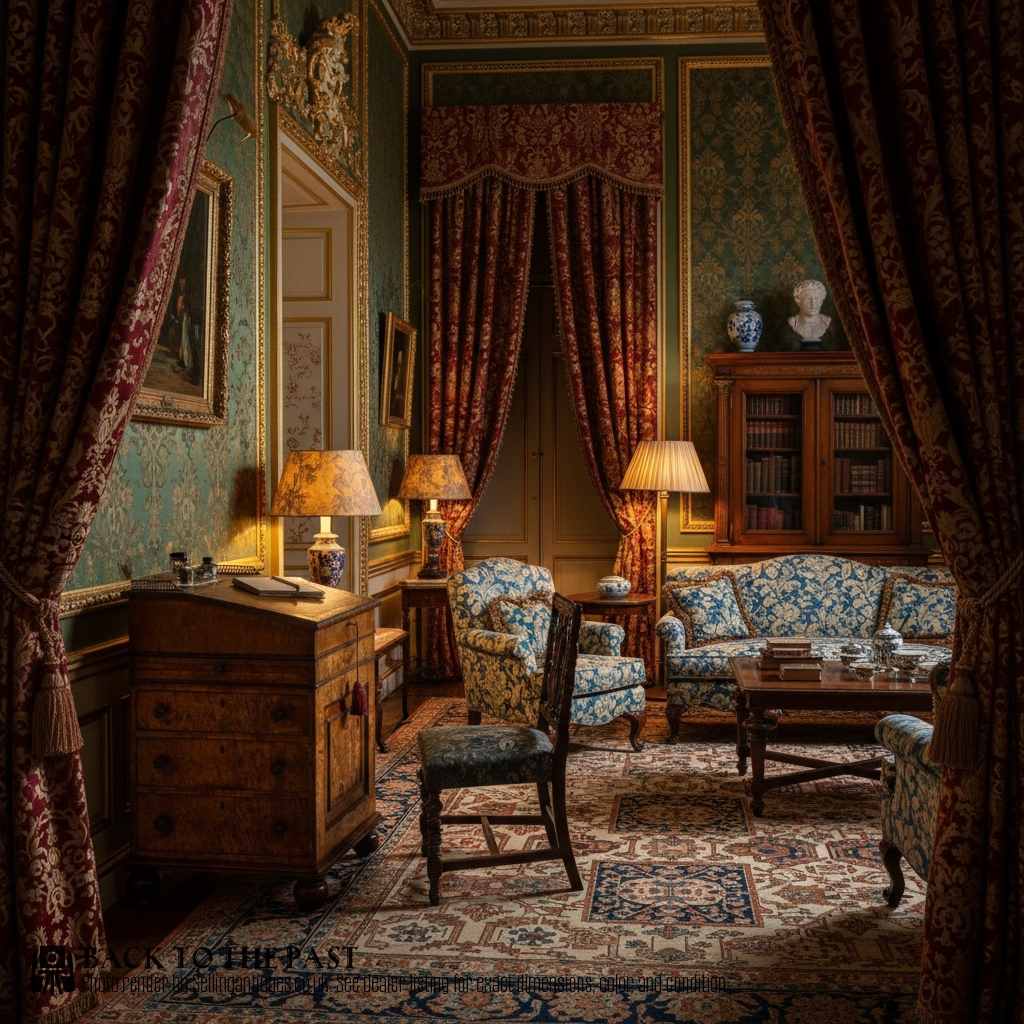
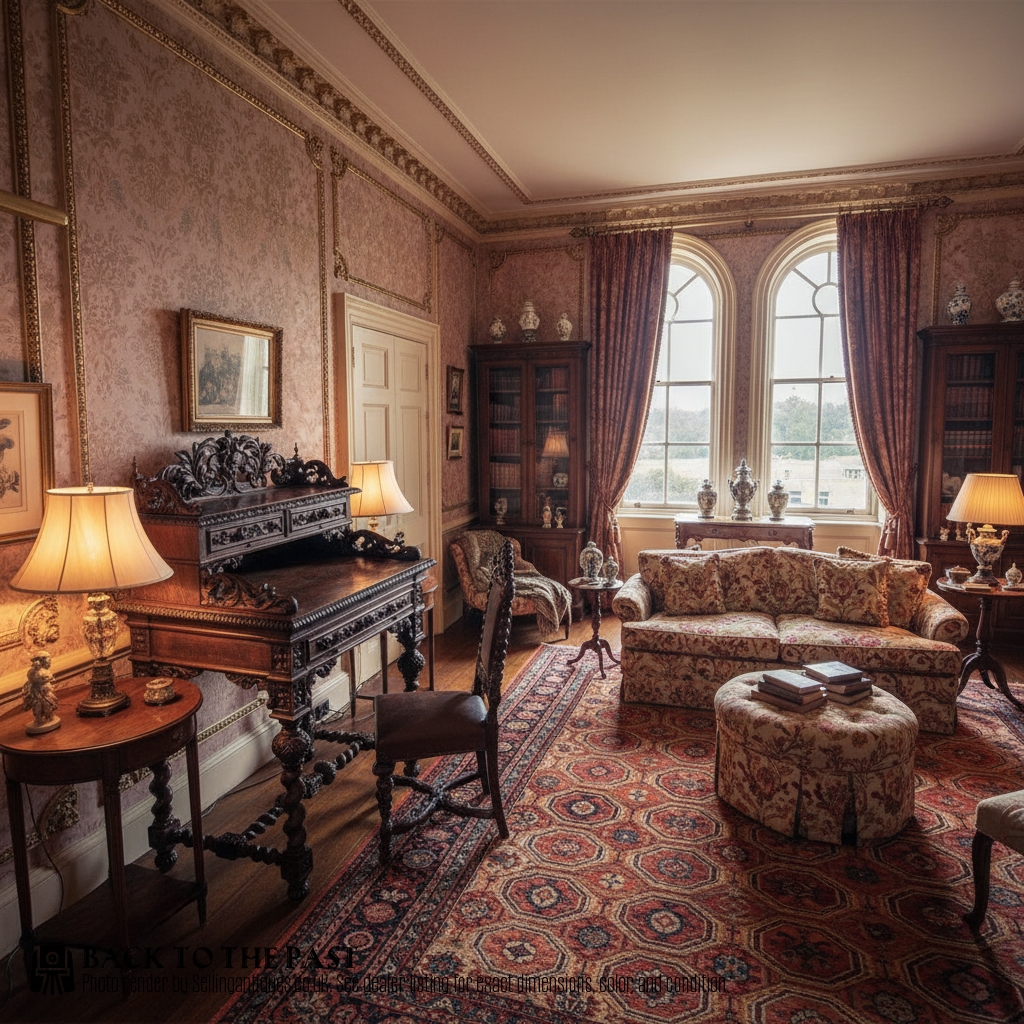
Place the piece in a study, library or living room where its dark timber tones complement traditional and eclectic interiors.
Keep the drop-front closed when not writing to display carved panels or figured wood grain.
How do I date a bureau?
Examine the construction methods, secondary woods, and decorative motifs such as green man carvings or aesthetic movement ebonising.
stylistic influences like Arts and Crafts or Gothic Revival help narrow the manufacturing period.