







Victorian Neoclassical Mirror
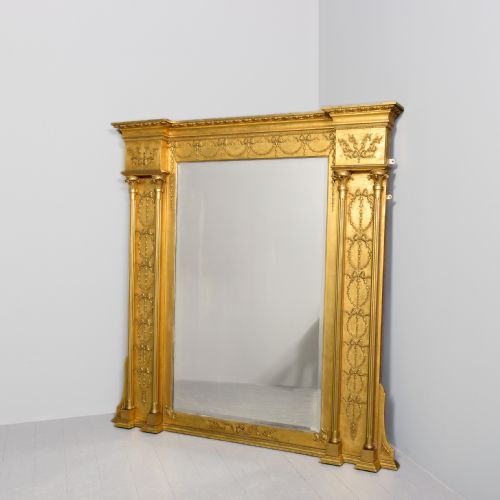
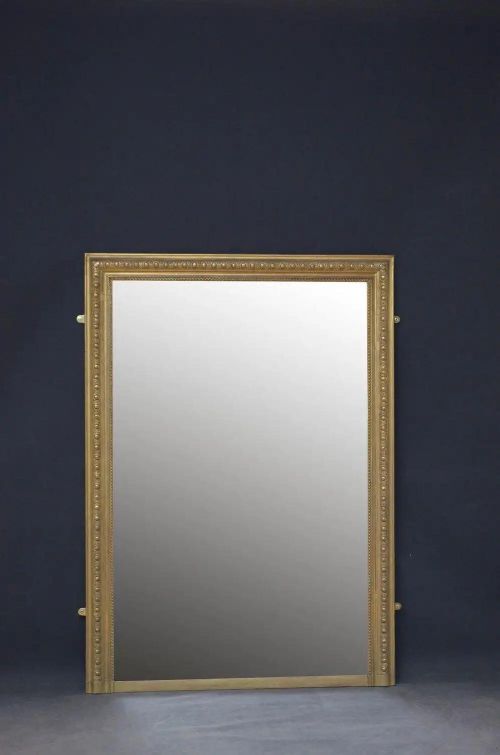
A victorian neoclassical mirror brings symmetry and classic proportion into a room through carved urns, swags, and gilt frames.
Victorian Neoclassical Mirror
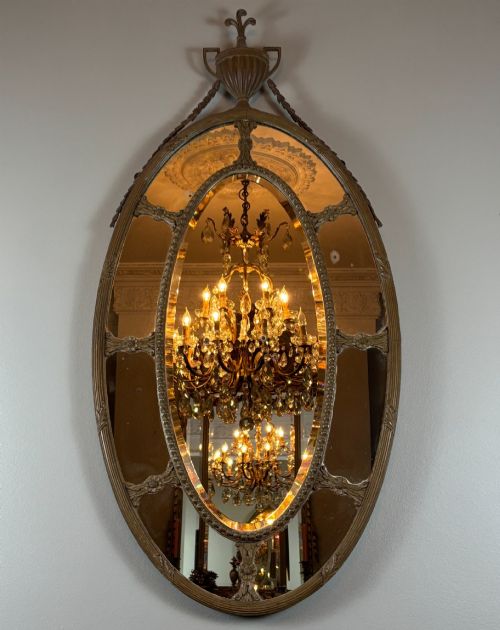
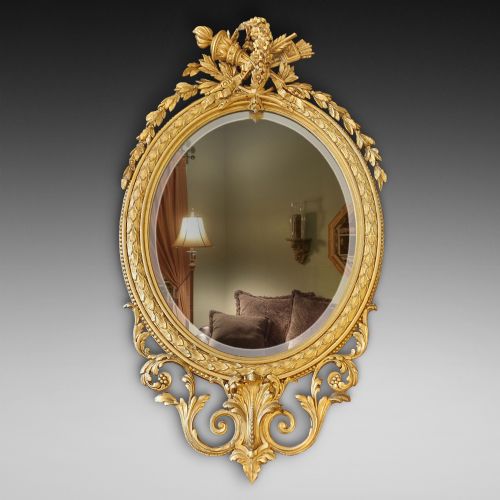
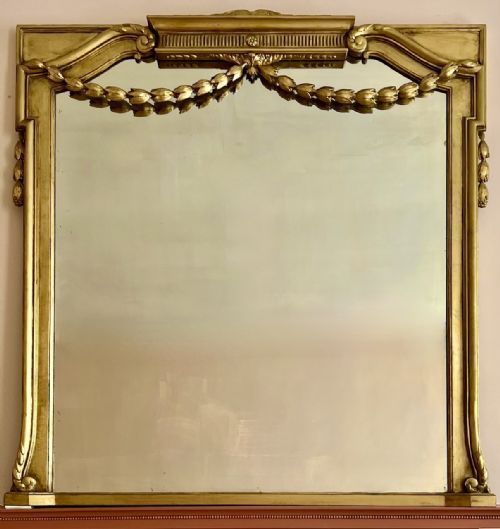
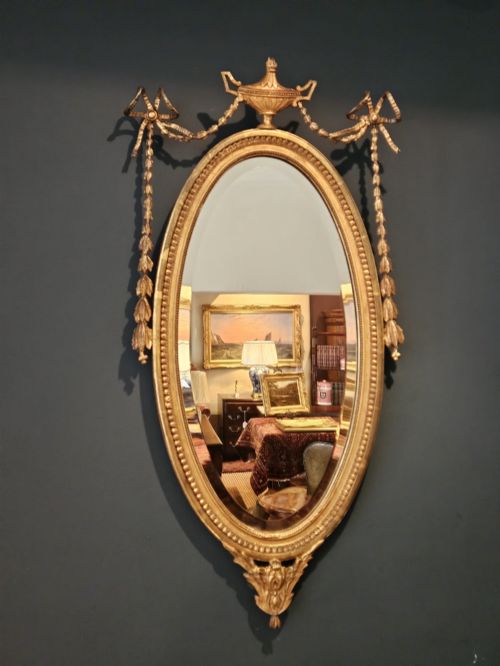
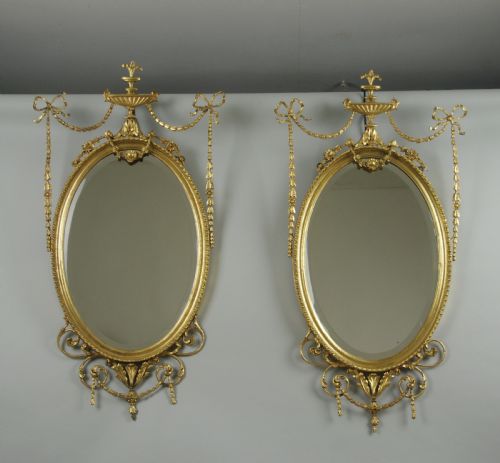
When searching for a victorian neoclassical mirror, a buyer encounters grand overmantel designs, tall pier glasses, and oval wall mirrors dating from the nineteenth century. These pieces reflect the nineteenth-century revival of Adam and Regency motifs, incorporating architectural symmetry and classical ornamentation into domestic interiors.
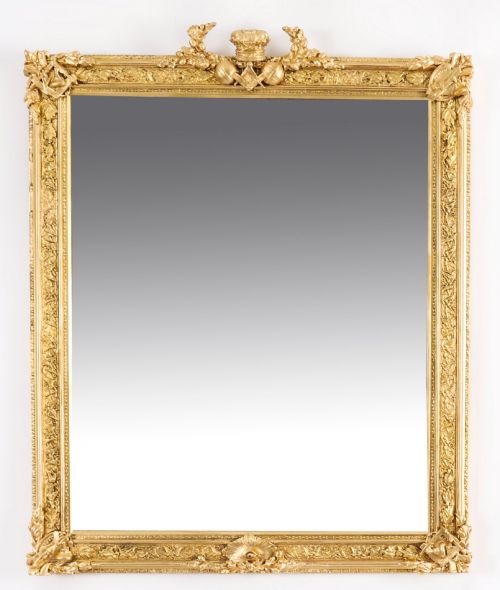
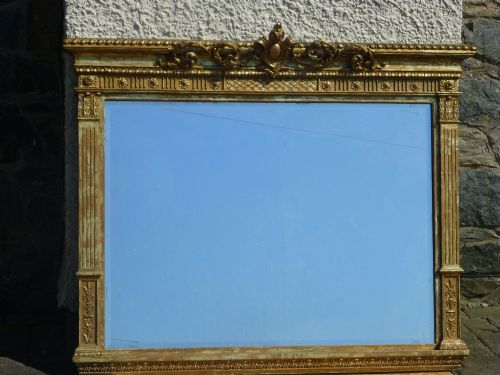
The version most commonly met on this page is the large giltwood overmantel mirror designed to sit above a fireplace. These domestic items often feature decorative composition details such as swags, urns, and column framing, reflecting the enduring popularity of classical antiquity during the Victorian period.
How they were made
Wood frameworks provide the structural base, layered with gesso and gold leaf or paint to achieve a polished or gilded surface. Artisans also utilised carved wood, ebonised finishes, and parcel-gilt highlights to create depth and visual contrast.
Mirror glass is set within these frames, sometimes accompanied by margin plates or etched and engraved details. Composition ornament is moulded and applied to timber backings to form intricate neoclassical motifs like swags and urns.
Victorian Neoclassical Mirror Retail Price Guide 2026
Typical asking prices for victorian neoclassical mirror among the pieces listed under this phrase on Sellingantiques today, from the lower quarter to the upper quarter. They describe what is for sale here now, not the wider market.
Listings feature items dated across the nineteenth century, including specific years from 1850 to 1910.
What varies in quality
The refinement of the carved or moulded ornament separates standard production from exceptional examples. Crisp detail in the gesso swags and urns indicates skilled handwork rather than heavy, indistinct casting.
The depth of the gilding and the clarity of the original mirror glass contribute to the overall presence of the object. Substantial timber construction and intact columns or parcel-gilt highlights signal superior nineteenth-century craftsmanship.
Nosotti's
The Victorian Neoclassical Mirror Glossary
- Overmantel mirror
- A large glass designed specifically to hang above a fireplace mantelpiece. These pieces often anchor the decorative scheme of a nineteenth-century reception room.
- Giltwood
- Timber that has been coated with a thin layer of gold leaf. This material catches the light and provides a brilliant metallic finish to neoclassical frames.
- Gesso
- A plaster-like mixture applied to wood frames to create a smooth surface for gilding. Artisans carve and mould this material to form intricate decorative reliefs.
- Pier mirror
- A tall, narrow glass made to fit the wall space between windows. These items frequently match console tables or extend the perceived light in a room.
- Parcel-gilt
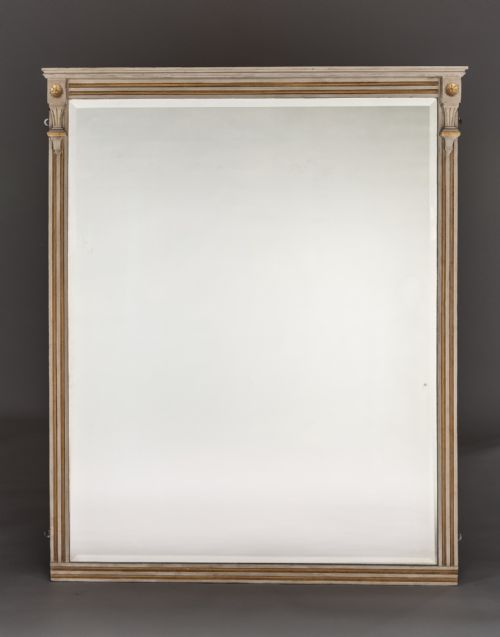
- Partially gilded woodwork where gold leaf highlights specific carved areas while the rest of the frame remains painted or ebonised.
Victorian Neoclassical Mirror: Frequently Asked Questions
Where should a large overmantel mirror hang?
These large glasses traditionally anchor the wall space directly above a fireplace. They reflect light across the room and balance the proportions of the hearth below.
In modern interiors, they function equally well mounted above low sideboards or console tables to create a strong focal point.
What is a pier mirror used for?
A pier mirror fits into the narrow wall section between two windows. This placement maximises natural light within nineteenth-century rooms.
Their tall and narrow proportions also suit hallways and dressing areas where wider overmantel frames would prove too bulky.
How do you identify Adam revival style?
Adam revival pieces draw upon eighteenth-century classical design principles. They typically feature symmetrical arrangements of urns, swags, ribbons, and delicate fluting.
Victorian makers adopted these neoclassical motifs to inject a sense of refined antiquity and architectural order into domestic spaces.
What is the difference between giltwood and painted frames?
Giltwood frames feature a layer of gold leaf applied over gesso and wood. This technique produces a reflective golden surface characteristic of formal reception rooms.
Painted or ebonised frames with parcel-gilt details offer a more restrained aesthetic, contrasting dark or light paint with targeted touches of gold.