



Victorian Natural History Cabinet
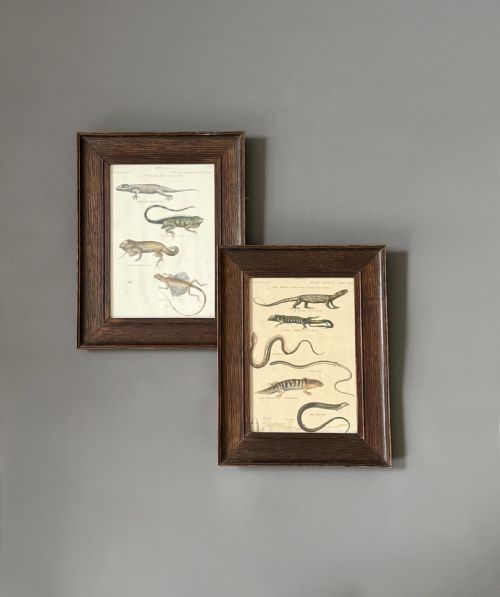
A victorian natural history cabinet holds preserved specimens and scientific curiosities, offering a glimpse into nineteenth-century collector rooms.
Victorian Natural History Cabinet
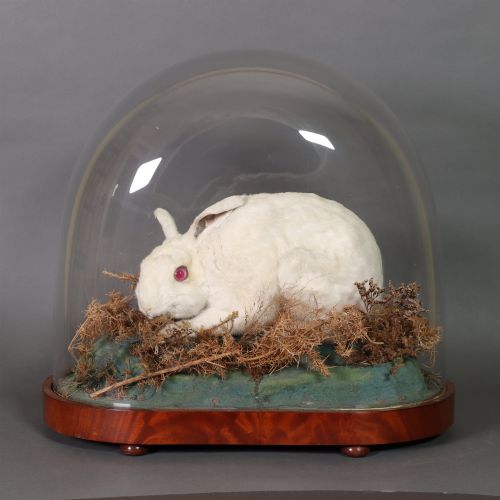
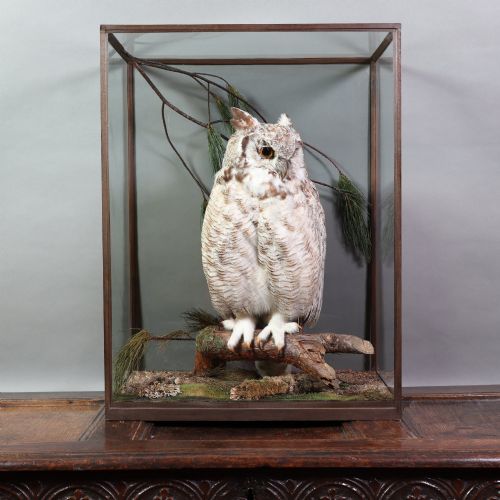
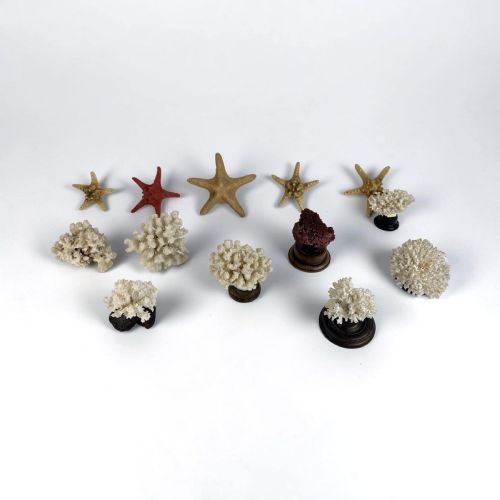
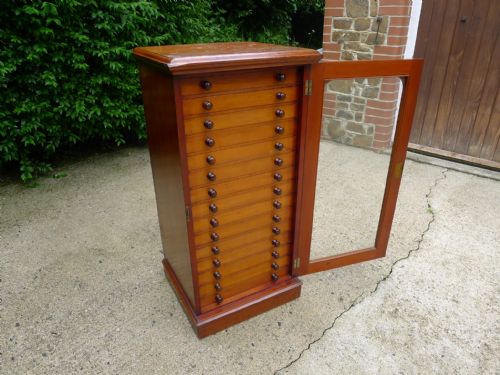
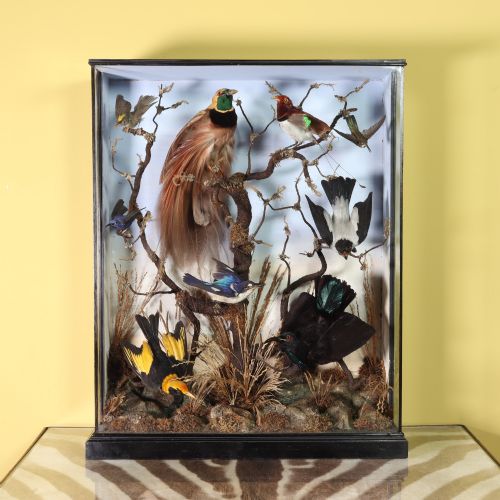
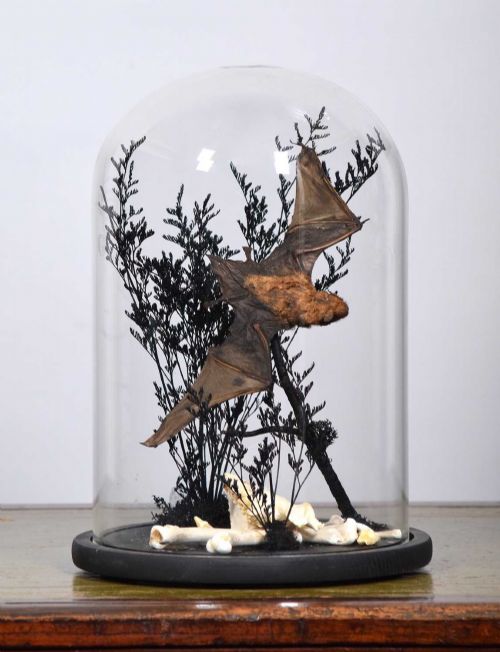
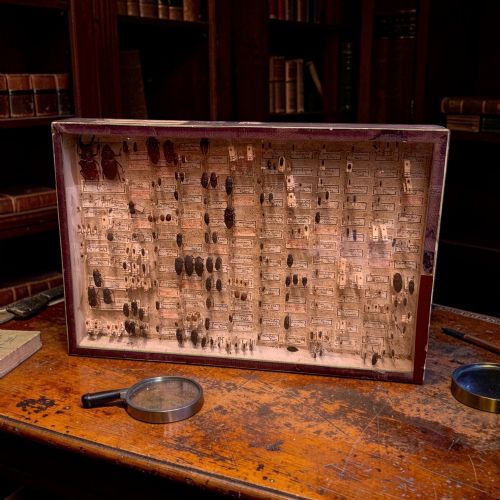
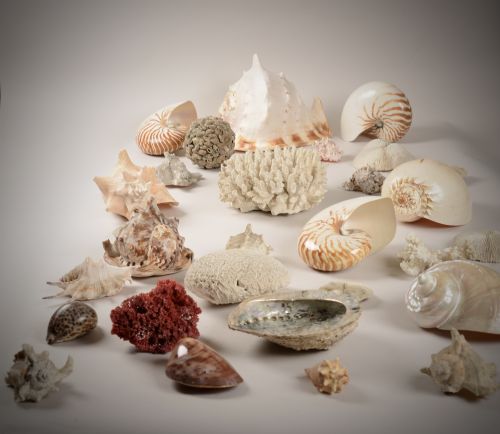
A victorian natural history cabinet encompasses tall multi-drawer storage furniture alongside glazed taxidermy display cases, entomology boxes, and glass domes. These pieces house preserved birds, mammals, reptiles, shells, coral, and botanical specimens gathered during the nineteenth and early twentieth centuries.
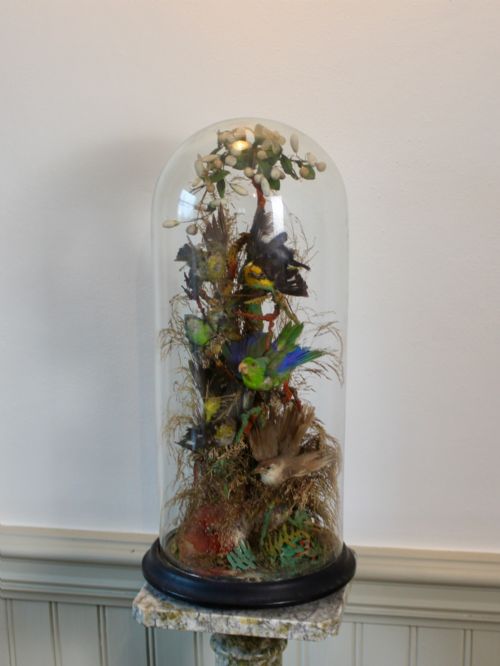
The objects on this page range from fifteen-drawer insect storage units in solid mahogany to glass-fronted wall cases containing owls, parrots, and waterfowl. Collectors also encounter free-standing specimen domes, turtle shell carapaces, and seed pods designed to showcase natural wonders.
Originating predominantly from the Victorian and Edwardian periods, these cabinets and display pieces reflect the intense scientific curiosity of their era. Makers utilised timber frames and blown glass to protect fragile organic items from dust and light.
How They Were Made
Cabinet makers constructed large multi-drawer storage units primarily from dense timbers such as mahogany, often fitted with numerous shallow drawers tailored for insects, shells, or botanical specimens. Smaller display pieces utilised ebonised wood, oak, and brass hardware to frame glazed panels.
Taxidermy mounts and osteological specimens required meticulous preservation techniques using arsenic soaps, wires, and plaster, arranged within hand-blown glass domes or timber-framed cases with painted naturalistic backgrounds. Engravings and paper labels completed the documentation of individual specimens.
The inventory includes multi-drawer storage furniture, taxidermy display cases, glass domes, and carved seed pods.
What Varies In Quality
The standing of a piece depends heavily on the precision of the cabinet work, the density and figure of the mahogany, and the structural integrity of the internal drawer construction. Finer storage units feature cleanly fitted multiple drawers with original brass pulls and dust-proof ledges.
Taxidermy and display quality rests on the anatomical accuracy of the mounting, the crispness of the glass work, and the reputation of the taxidermist or firm responsible. Works by documented makers display superior feather or fur taxidermy and sophisticated compositional arrangement within their glazed enclosures.
James Gardner·Rowland Ward Ltd·Watkins & Doncaster·Henry Ward London·A Pollard·J Dobson
The Victorian Natural History Cabinet Glossary
- Taxidermy
- The art of preparing, stuffing, and mounting the skins of animals for display. Victorian practitioners created lifelike poses inside glass cases.
- Ebonised Wood
- Timber treated with a dark finish to imitate ebony. This dark staining provided a stark, formal contrast to colourful bird plumage and pale bones.
- Carapace
- The upper shell of a turtle, tortoise, or crustacean. Collectors often cleaned and polished these carapaces for display as decorative curiosities.
- Coco de Mer
- The double coconut seed pod native to the Seychelles. These large, unusual organic forms were prized items in nineteenth-century cabinets.
- Entomology Case
- A shallow glazed wooden box designed for pinning and classifying insects. These cases kept fragile specimens safe from light and pests.
Victorian Natural History Cabinet: Frequently Asked Questions
What fits inside a natural history cabinet?
These cabinets house specialised collections including pinned insects, marine shells, corals, bird eggs, and small botanical or geological specimens.
Larger drawer units serve to organise extensive scientific reference collections rather than bulky display items.
How were taxidermy domes displayed?
Glass domes sat upon turned wooden or ebonised bases to protect delicate stuffed birds and mammals from dust and handling in Victorian drawing rooms.
Flat-sided domes allowed viewers to inspect the composition clearly from specific angles without optical distortion.
What timber was used for cabinets?
Cabinet makers relied heavily on mahogany for large multi-drawer specimen units due to its strength and resistance to warping over time.
Oak and ebonised softwoods also appear frequently in smaller display cases and wall-mounted cabinets.
How do I identify the period?
Dating relies on construction methods, drawer dovetailing techniques, and the style of the timber framing alongside any original maker labels.
Nineteenth-century examples often display hand-cut joinery and old trade stamps pasted inside drawer interiors or on case backs.