

Dark Wood Collector Chest
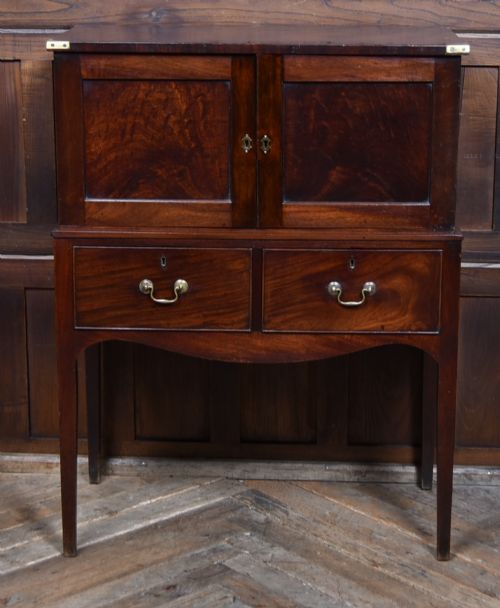
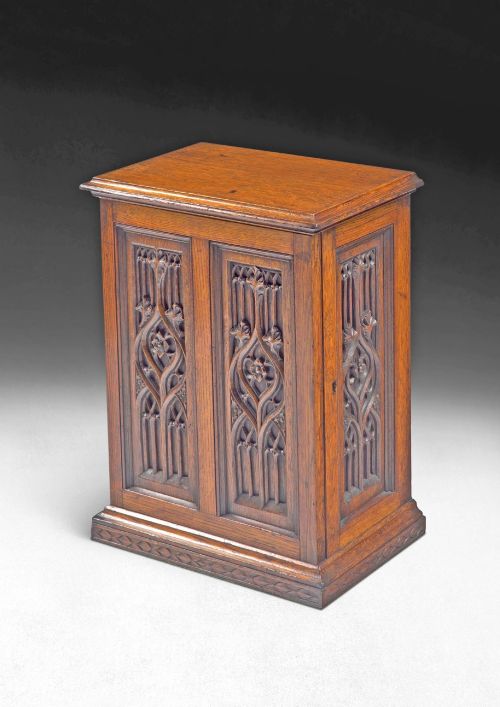
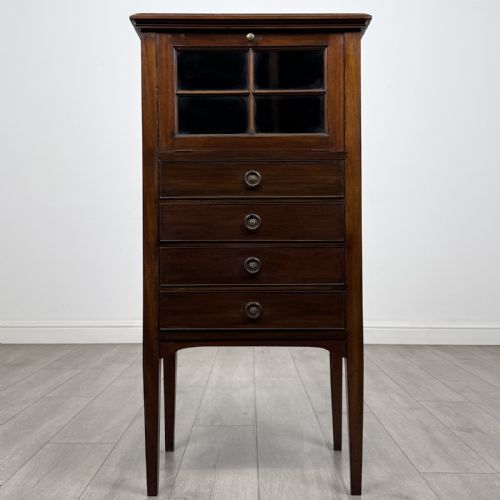
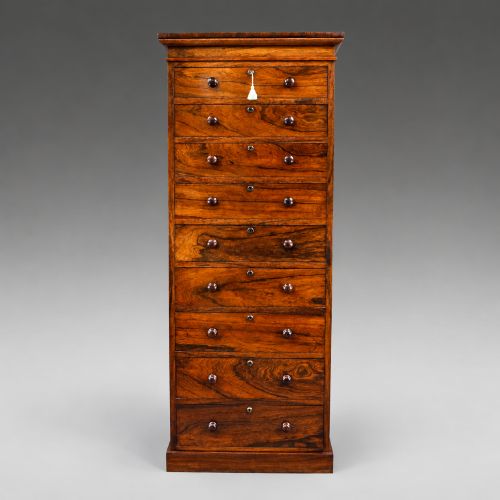
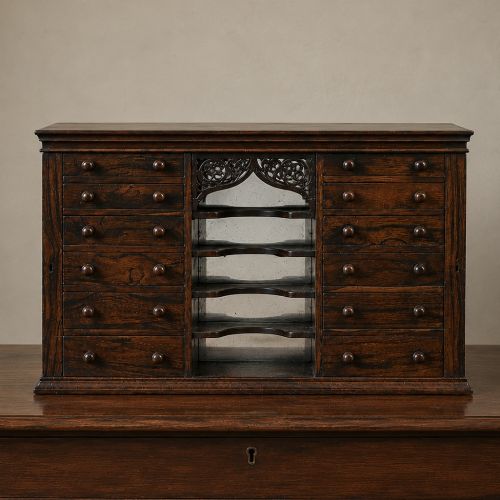
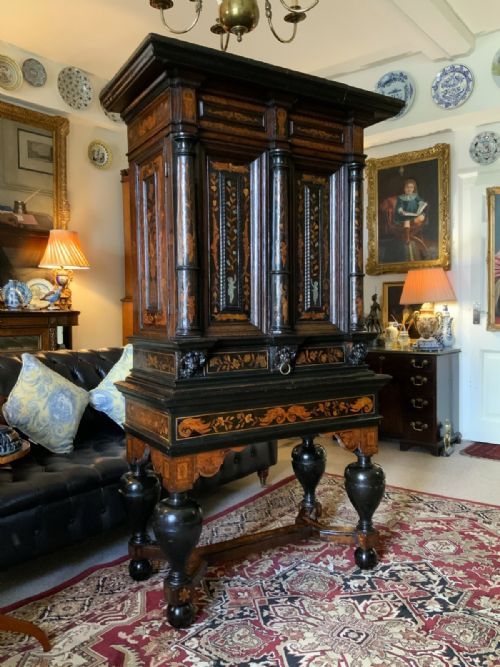
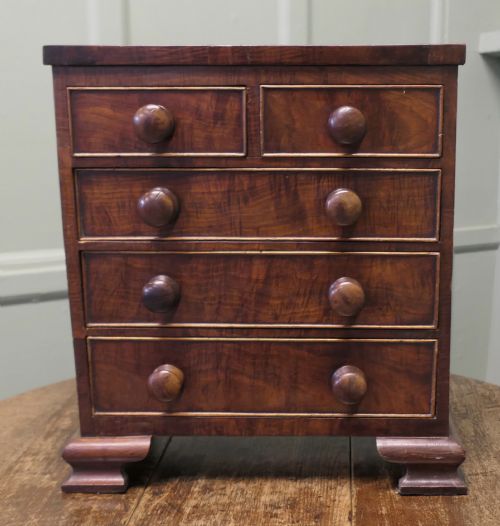
A dark wood collector chest organises small specimens, coins and curiosities within dense timbers from the Georgian, Victorian and seventeenth-century periods.
Dark Wood Collector Chest
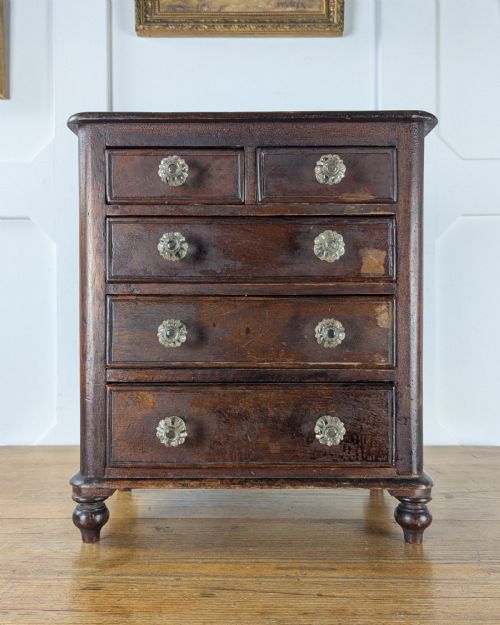
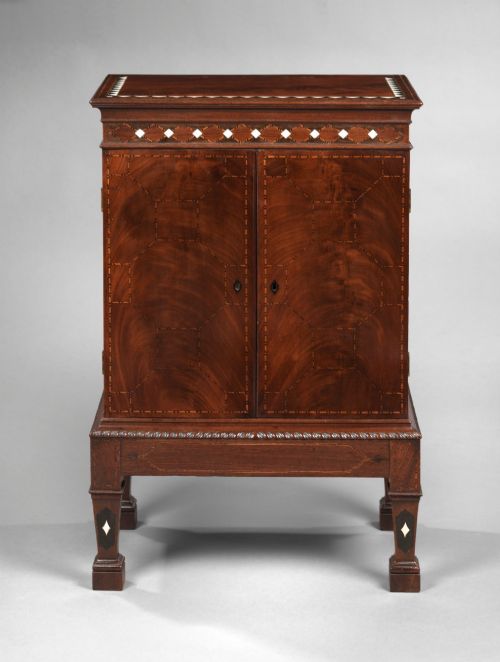
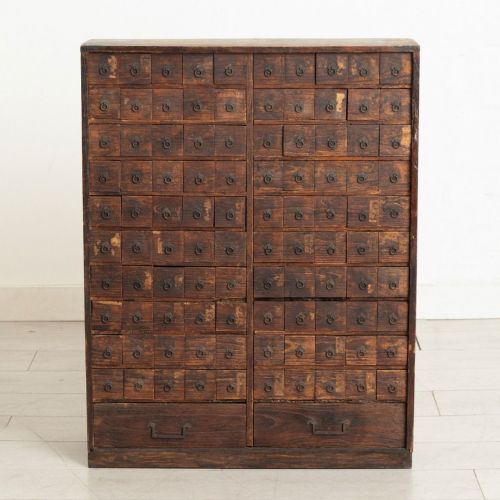
A dark wood collector chest brings together small-scale cabinetry designed for disciplined sorting, ranging from miniature apprentice drawers to multi-drawer specimen cabinets. Buyers seeking a dark wood collector chest encounter pieces spanning the Georgian and Victorian eras, alongside seventeenth-century table cabinets and utilitarian filing units.
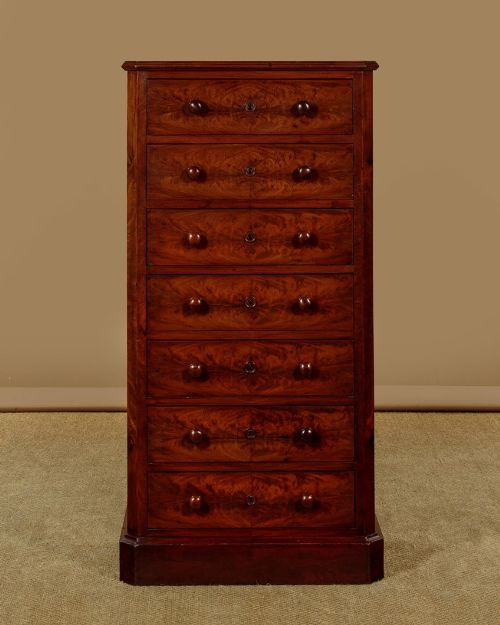
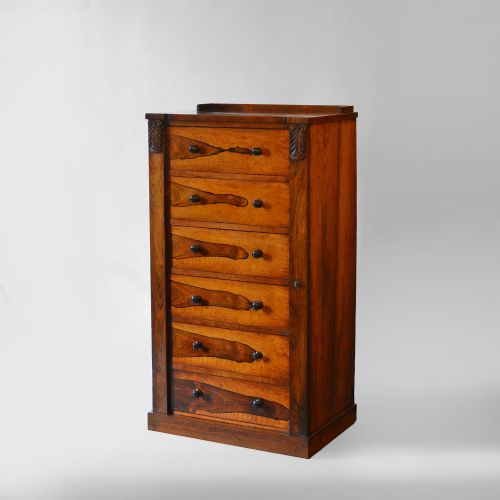
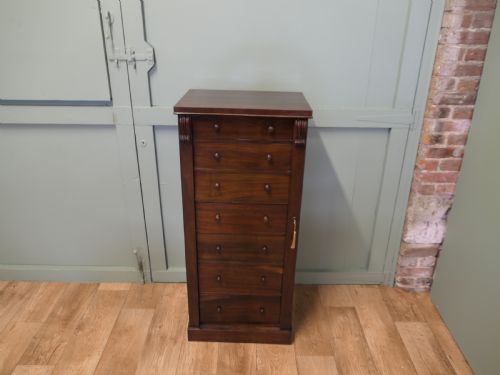
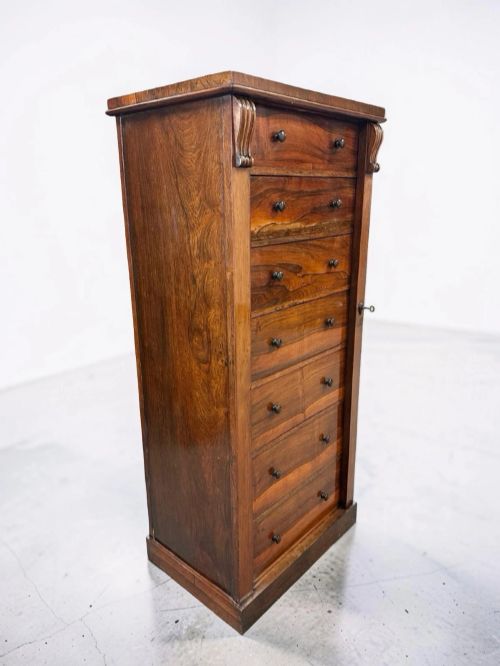
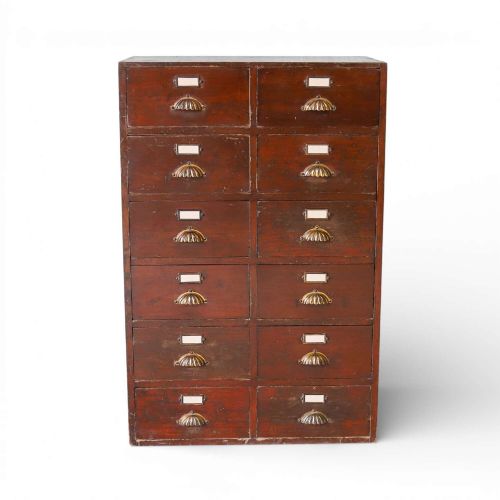
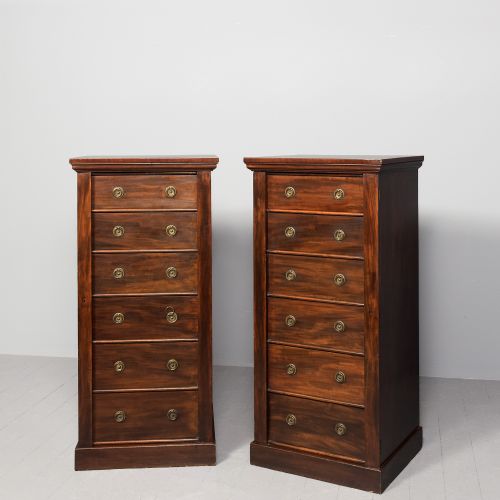
The objects take several distinct shapes in daily use, including compact Wellington chests with side locking bars, banks of shallow drawers, and glass-fronted display compartments. Mahogany, rosewood and walnut form the primary corpus, often organised in banks exceeding twenty drawers for specialised storage like microscope slides.
Origins stretch across English workshops, Dutch baroque makers, and overseas trade hubs, resulting in diverse functional forms. Miniature furniture and apothecary chests sit alongside formal collectors cabinets fitted with shell pulls, label holders and bone inlay.
Materials and Technique
Cabinetmakers constructed these chests using dense hardwoods such as mahogany, rosewood, teak and walnut, frequently laid over secondary timbers. Surfaces relied upon clear polish to reveal natural grain patterns, though seventeenth-century examples employ complex marquetry and pewter inlay.
Drawer construction involved precise dovetail joints designed to withstand frequent opening, complemented by turned wooden feet and brass drop handles. Locking mechanisms, notably the hinged side stile found on Wellington chests, secured entire columns of drawers with a single key.
Dark Wood Collector Chest Retail Price Guide 2026
Typical asking prices for dark wood collector chest among the pieces listed under this phrase on Sellingantiques today, from the lower quarter to the upper quarter. They describe what is for sale here now, not the wider market.
One tiny chest hides thirty-two microscopic slide drawers, proving that eighteenth-century science demanded the patience of a saint.
Standards of Construction
Quality rests upon the integrity of internal drawer construction and the selection of timber veneers. Superior examples maintain exact drawer fits, original brass hardware, and intact locking stiles without modern replacement parts.
The refinement of internal divisions separates utilitarian filing units from bespoke specimen cabinets intended for scientific collections. Fine execution appears in uniform drawer linings, well-preserved glass panels, and subtle details like original label holders.
BRADY OF EDMONTON·CHARLES WILLIAM SCHOFIELD
The Dark Wood Collector Chest Glossary
- Wellington chest
- A tall, narrow chest of drawers secured by a hinged locking bar on one side that fastens with a key.
- Apprentice piece
- A small-scale cabinet made by a craftsman to demonstrate skill before gaining master status.
- Specimen chest
- A specialised cabinet housing small natural history items, fossils, or microscope slides in shallow drawers.
- Marquetry
- Decorative patterns formed by fitting contrasting pieces of wood veneer into a prepared surface.
- Dovetail joint
- An interlocking wood joint formed by interlocking wedge-shaped fingers, ensuring strong drawer corners.
Dark Wood Collector Chest: Frequently Asked Questions
What were dark wood collector chests used for?
These cabinets served scientists, naturalists and collectors as secure storage for delicate specimens, coins, and dried plants. Multiple shallow drawers kept fragile items separated and protected from dust and light.
Over time, similar multi-drawer formats were adopted by apothecaries, watchmakers and florists for organising seeds, tools and small repair components.
How do I date a dark wood collector chest?
Dating relies upon timber choice, drawer construction techniques and locking mechanisms. Earlier seventeenth-century pieces display heavy marquetry and pewter inlay, while Georgian and Victorian versions favour dense mahogany or rosewood.
Hardware such as brass drop handles and label holders also provide chronological clues, alongside secondary woods hidden within the drawer linings.
Are Wellington chests different from standard chests?
Wellington chests stand taller and narrower than conventional drawer units, featuring a distinct vertical locking flap on one side. This hinged stile fastens over the drawer edges to secure every drawer simultaneously with a single turn of a key.
Originating in the nineteenth century, this form provided compact security for private papers and valuable specimens.
How should I clean a polished wood surface?
Maintain polished hardwood surfaces by dusting with a dry, soft cloth to prevent particulate accumulation. Avoid silicone sprays or modern household polishes that leave residues and attract further dirt.
Occasional application of pure beeswax preserves the historic sheen without softening underlying shellac or varnish layers.