


Victorian Mirrored Buffet
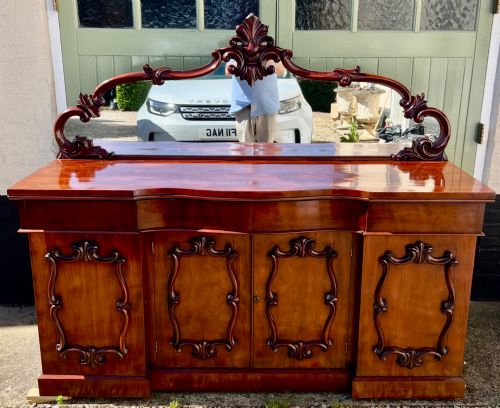
These nineteenth-century pieces bring a grand architectural presence to a room, combining substantial timber cabinetry with integrated mirror glass.

Victorian Mirrored Buffet
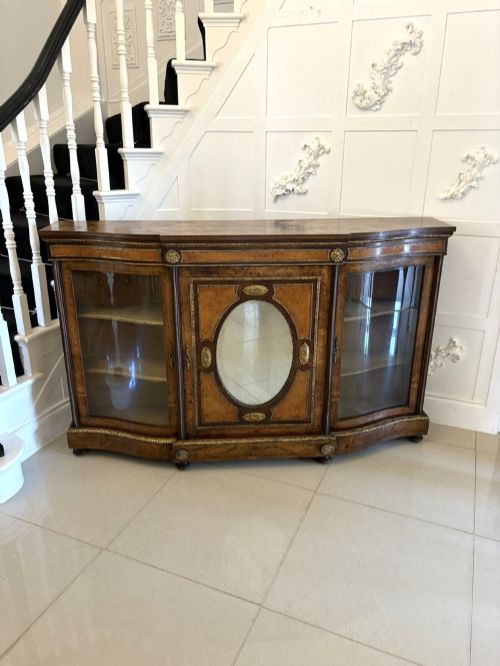
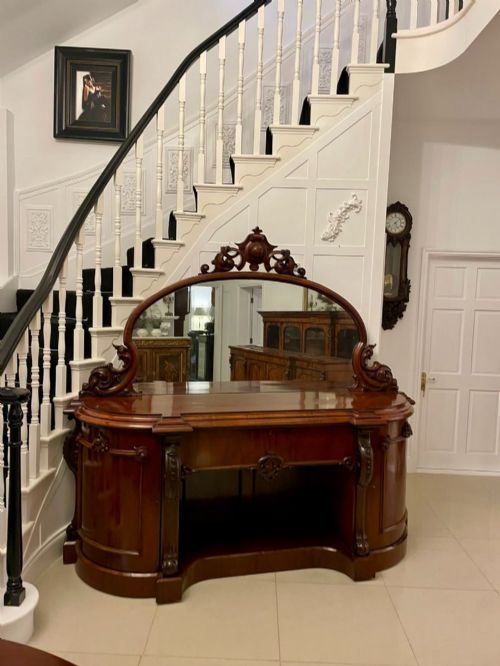
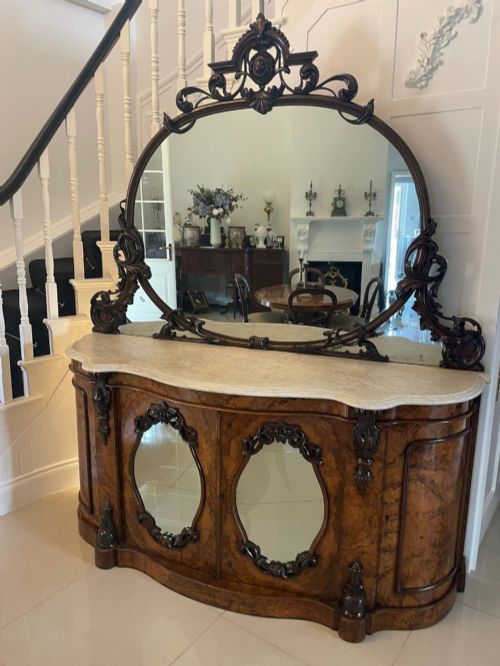
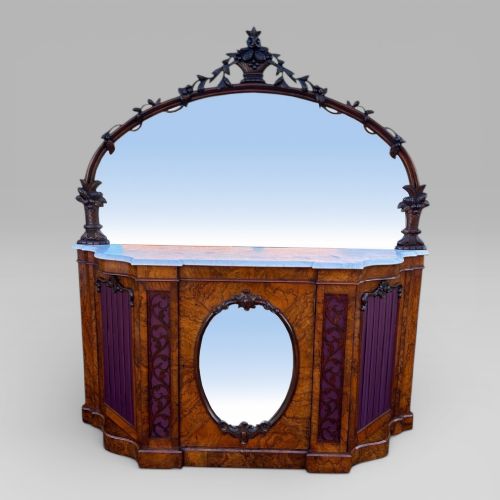
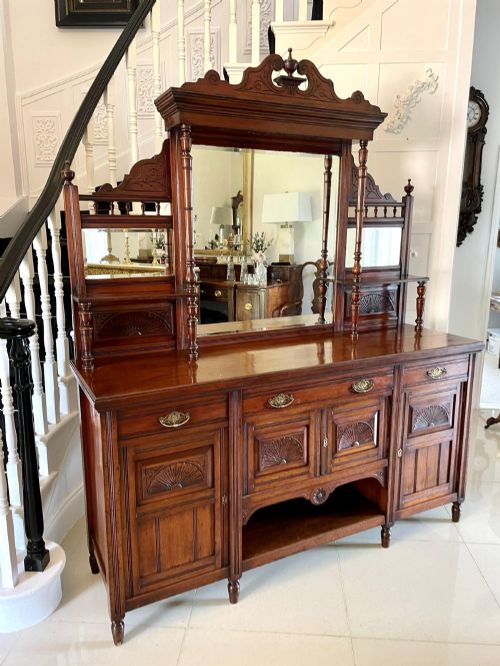
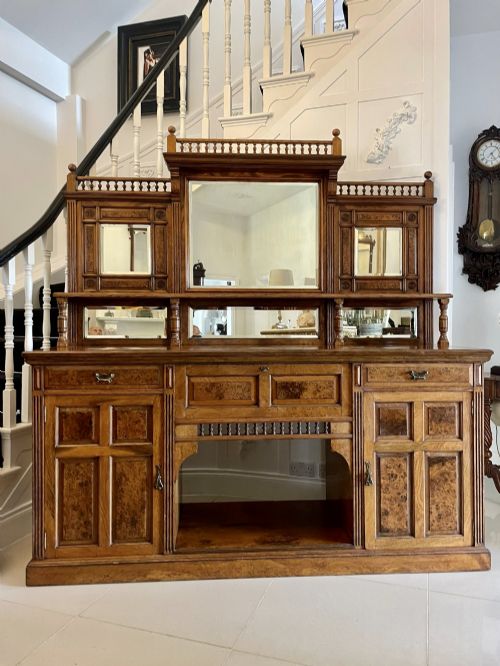
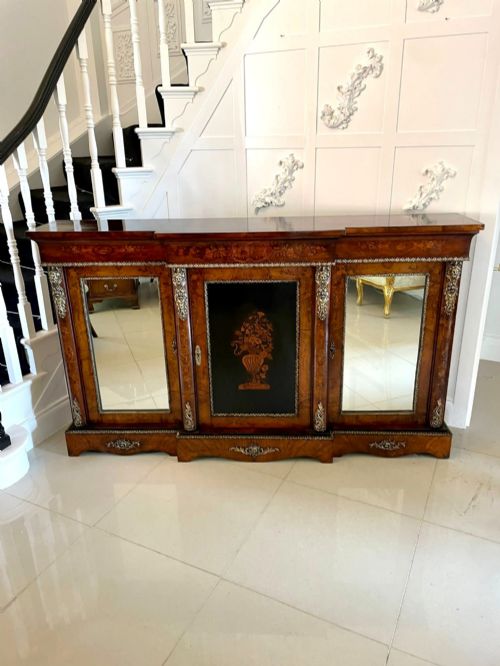
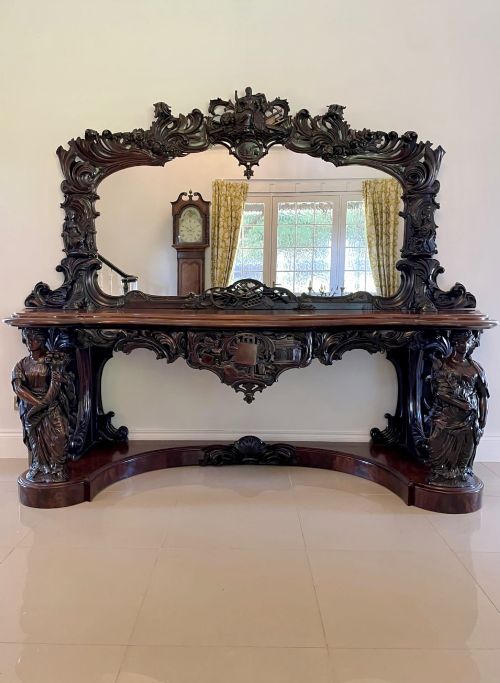
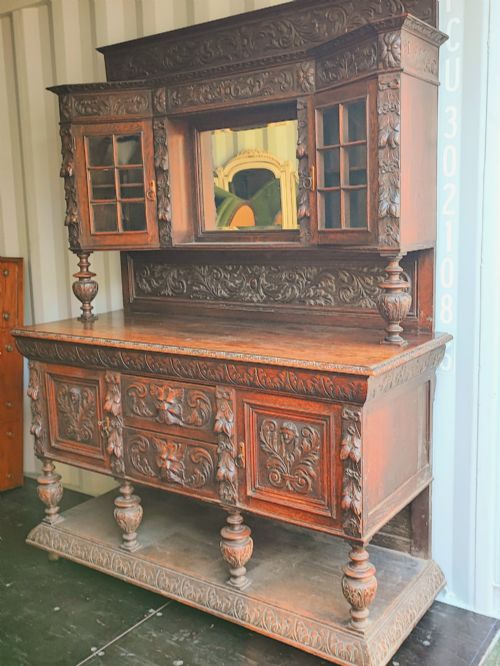
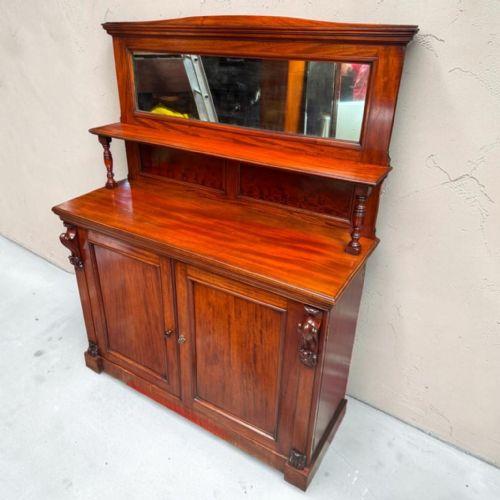
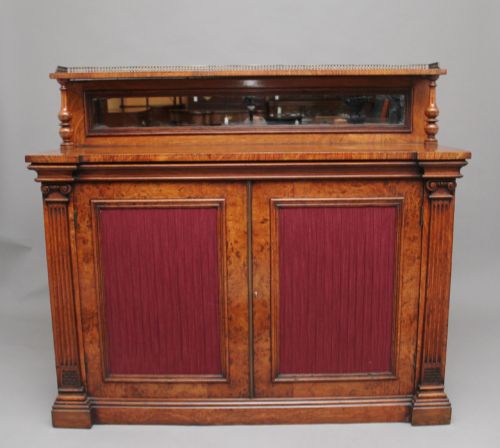
When you search for a victorian mirrored buffet, you encounter large dining room and parlour furniture designed to store tableware and display decorative objects. The forms span sideboards, credenzas, chiffoniers and console tables, unified by the presence of an upright mirror glass panel set into a carved or panelled wooden back.
The pieces you meet on this page date primarily from the Victorian era and the nineteenth century, extending into early twentieth-century revivals. They utilise sturdy carcases of mahogany, burr walnut, pollard oak and standard oak, often topped with marble or fitted with brass mounts.
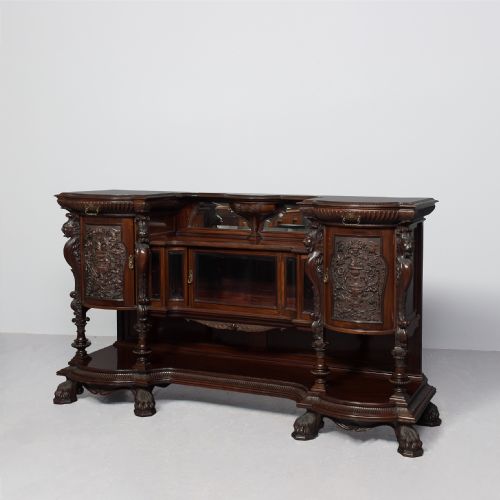
Stylistic variations range from restrained mahogany server designs to heavily carved Renaissance, Gothic and Jacobean revivals featuring detailed foliage and mythological motifs. Arts and Crafts and ebonised variants also appear, demonstrating the diverse decorative tastes of the period.
How they were made
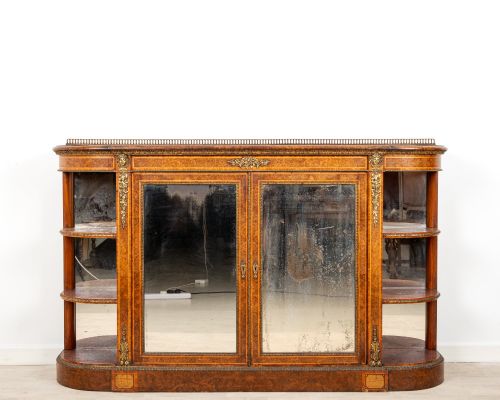
Cabinet makers constructed the foundational carcases using dense native and imported timbers such as mahogany, oak and walnut, frequently applying burr walnut or pollard oak veneers to display intricate grain patterns. Marquetry inlay in contrasting woods added geometric and floral decoration to doors and friezes.
The mirror glass components were integrated into wooden frames attached to the upper rear of the sideboards, sometimes accompanied by shaped shelves and turned supports. Brass or ormolu mounts provided structural highlights and decorative framing around doors and panels.
The furniture spans the Victorian period, William IV era, and early twentieth-century Arts and Crafts movements.
What varies in quality
The calibre of timber preparation and veneer selection separates standard utility furniture from exhibition pieces, particularly in the choice of richly figured burr walnut and pollard oak. Finer examples display meticulous matching of grain across drawer fronts and door panels.
Carving depth and execution define the distinction between mass-produced items and bespoke commissions, with high-end pieces featuring deep relief work, crisp mouldings and detailed figural motifs executed by skilled hands.
T Simpson and Son·Shapland & Petter
The Victorian Mirrored Buffet Glossary
- Credenza
- A low cabinet or sideboard, frequently fitted with mirrored doors and ormolu mounts, used in formal reception rooms.
- Chiffonier
- A compact sideboard or side cabinet incorporating a raised shelf and mirror back above lower storage cupboards.
- Ormolu
- Gilded bronze applied as decorative mounts and framing elements on nineteenth-century cabinet furniture.
- Burr walnut
- A highly figured wood veneer sliced from the knotty growths of walnut trees, prized for its swirling patterns.
- Pedestal sideboard
- A heavy dining room cabinet featuring two substantial lower pedestals flanking a central serving surface.
Victorian Mirrored Buffet: Frequently Asked Questions
Where were these pieces used?
These large cabinets served primarily in dining rooms and formal reception areas to store heavy porcelain, cutlery and linen.
The surface and mirror back also provided a display area for silver service items and decorative ceramics during formal meals.
How do I clean the wood?
Maintain timber surfaces by dusting with a dry, soft cloth to prevent the accumulation of abrasive grit in carved details.
Apply a traditional beeswax polish sparingly to nourish the grain without leaving a heavy, dust-attracting residue.
Can the mirror back be removed?
The upright mirror frames are structurally integrated into the main carcase and designed to remain attached as part of the piece's aesthetic.
Attempting to separate the mirror back typically disrupts the original joinery and mounting points established by the maker.
How do I identify revival styles?
Gothic, Jacobean and Renaissance revival pieces display specific historical motifs like linenfold panelling, strapwork and heavy geometric moulding.
Compare these architectural details against the cleaner lines of standard Victorian mahogany server furniture.