
Victorian Metal Double Bed
When you want a victorian metal double bed, you are looking at substantial iron and brass frames that bring lasting character to a bedroom.
Victorian Metal Double Bed
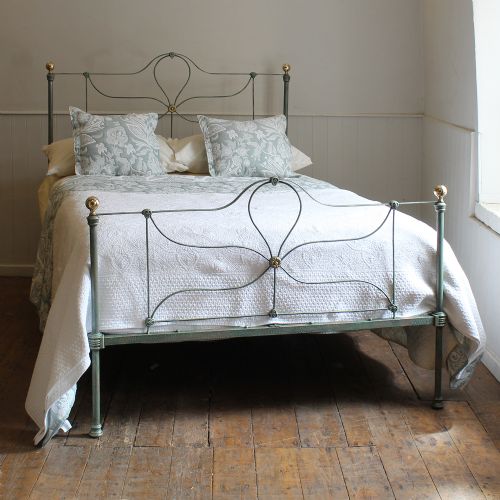
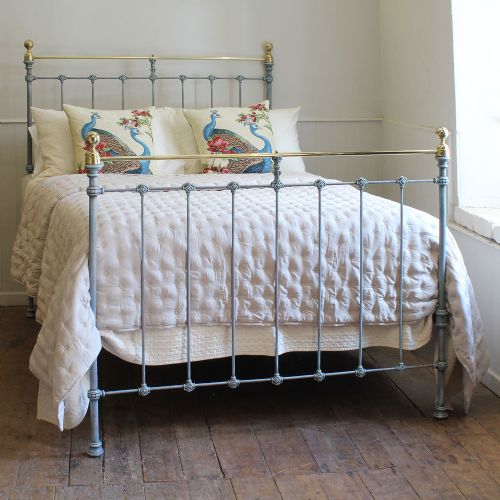
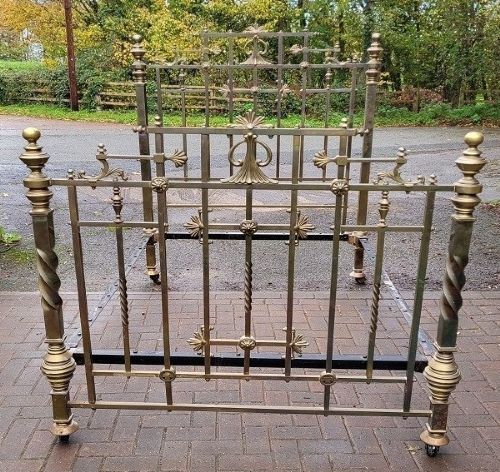
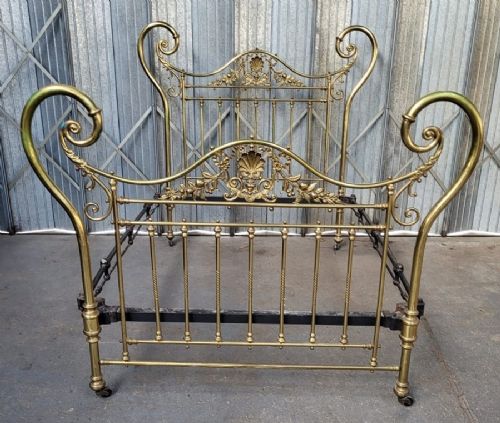
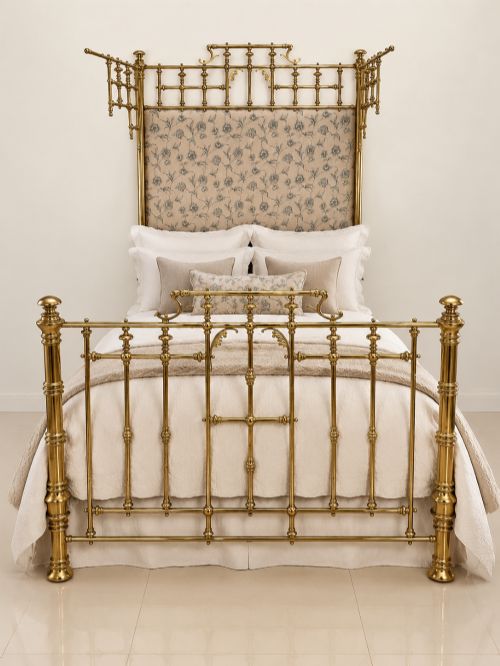
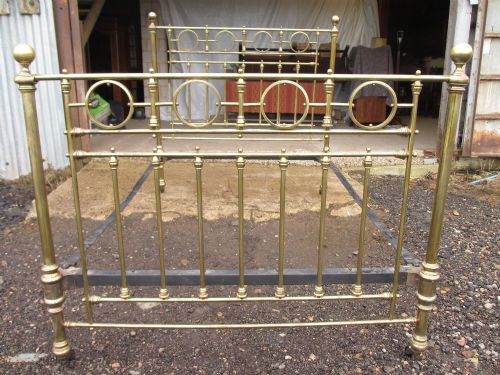
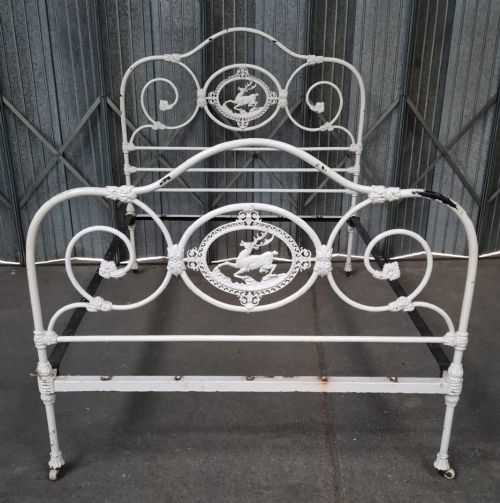
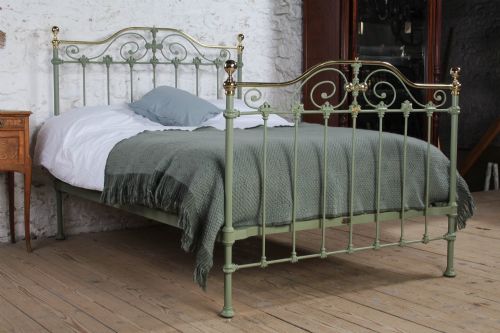
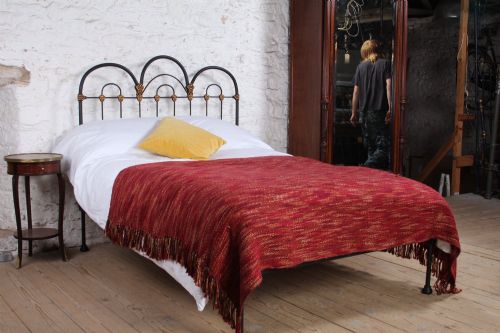
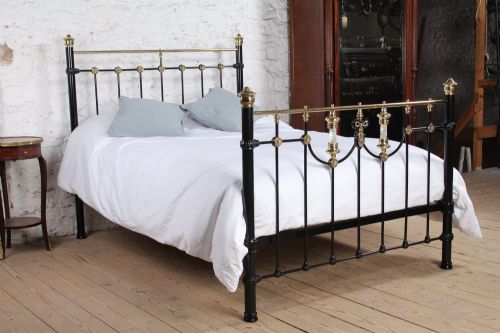
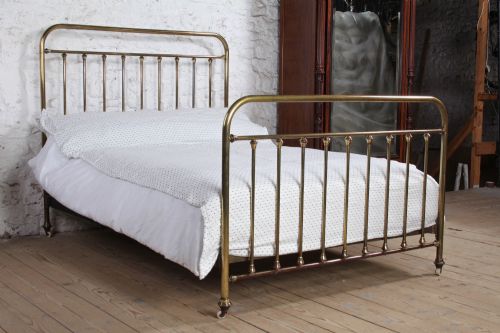
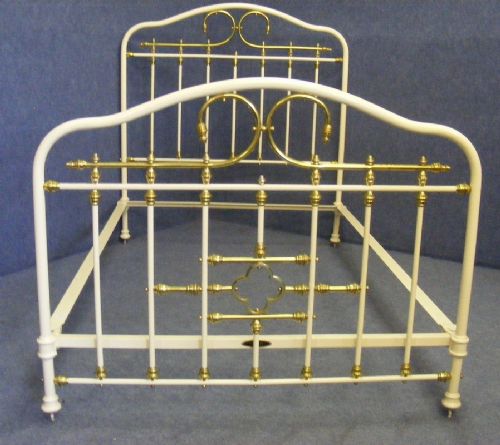
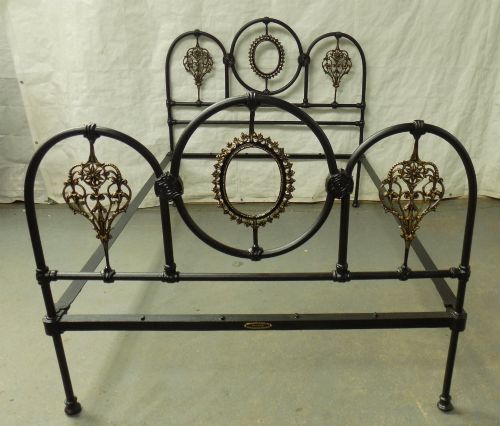
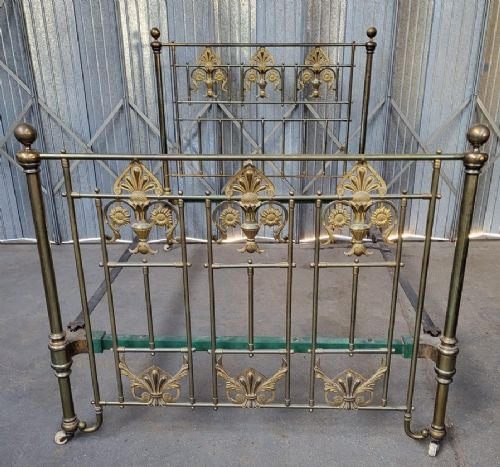
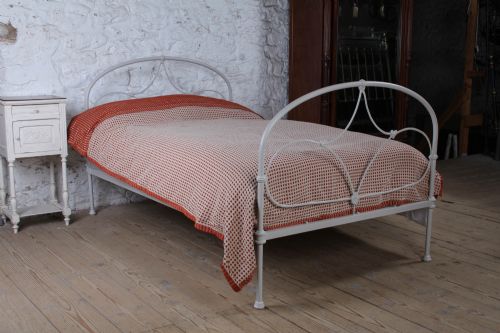
A victorian metal double bed encompasses robust bedsteads and frames constructed primarily during the nineteenth and early twentieth centuries. These pieces appear in configurations ranging from all-iron frameworks to combinations of cast iron, wrought iron, and polished brass.
Most examples date from the Victorian period through to about 1910, incorporating stylistic influences such as French Provincial, Art Nouveau, and Celtic Revival. Buyers frequently encounter frames featuring decorative brass details, half tester canopies, or simple straight rails designed for daily domestic use.
How they were made
Makers utilised heavy cast iron and malleable wrought iron for the structural framework, often combining these metals with solid brass components. Slot-in iron frames and metal castors provided mobility and straightforward assembly for larger bedsteads.
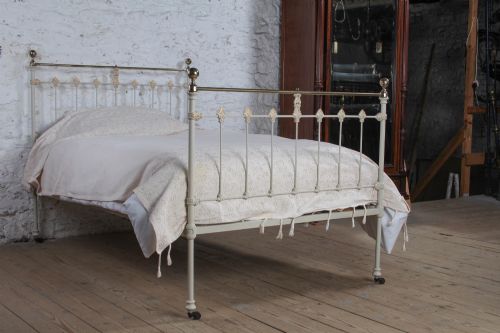
Surface decoration involved applied paint finishes, notably in black and green, alongside polished brass ornamentation. Select examples integrated mother of pearl inlays to add refined detail to the metal framework.
Mother of pearl accents occasionally peek through the ironwork, proving that even a heavy Victorian bed fancied a bit of jewellery.
What varies in quality
The distinction between tiers rests upon the complexity of the ironwork and the presence of solid brass elements rather than plated metals. Ornate, curly iron castings and exhibition quality solid brass half tester designs represent the upper end of the scale.
Detailing in the brass mounts and the inclusion of original painted finishes or decorative inlays such as mother of pearl elevate certain pieces above standard utilitarian frames.
Winfield·RW Winfield·Maple & Co.
The Victorian Metal Double Bed Glossary
- Bedstead
- A framework of a bed supporting the mattress and springs. These metal structures typically include headboards, footboards, and side rails.
- Half Tester
- A canopy that projects from the wall or headboard over the upper portion of the bed. This style provides a decorative crown without enclosing the entire sleeping area.
- Cast Iron
- Iron shaped by pouring molten metal into a mould. It allows for intricate ornamentation and sturdy structural components in Victorian bed frames.
- Art Nouveau
- A style of decorative art characterised by flowing lines and natural motifs. This aesthetic appears on brass bed frames dating towards the end of the Victorian era.
- Slot-In Frame
- A mechanical joint system allowing iron side rails to lock securely into the headboard and footboard posts.
Victorian Metal Double Bed: Frequently Asked Questions
How do I assemble these metal beds?
Most pieces utilise iron slot-in frames that connect the headboard and footboard securely without complex tools. Simply align the side rails into the integrated slots on the posts.
Ensure the structure is level on its castors before placing any base or mattress onto the frame.
What sizes are available?
While the primary search focuses on double beds, the period production also encompasses small double, three quarter queen, and king size variations.
Checking the specific measurements is essential as nineteenth century proportions differ from modern standard mattress sizes.
How do I clean brass parts?
Solid brass components benefit from gentle dusting and occasional cleaning with a mild, non-abrasive metal polish. Avoid harsh chemical cleaners that might strip original patinas or damage adjacent ironwork and paint.
Regular maintenance preserves the bright finish characteristic of quality Victorian bedsteads.
Are these beds sturdy for daily use?
Constructed from heavy cast and wrought iron, these frames are built for enduring structural stability. The robust metal components support modern mattresses reliably when properly assembled.
Their substantial weight ensures they remain firmly in place during everyday domestic life.