


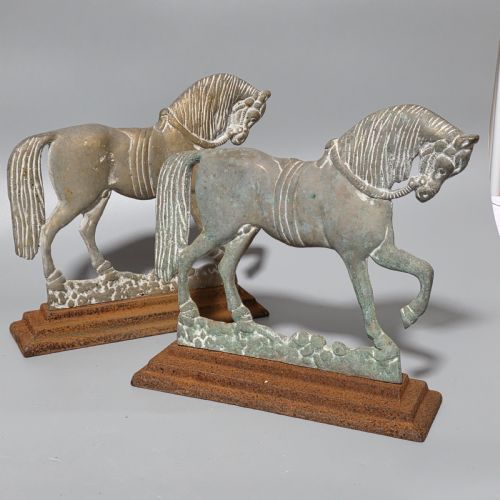


Victorian Metal Doorstop
A victorian metal doorstop holds heavy doors open with mass and character, combining utilitarian iron or brass with figurative craft.
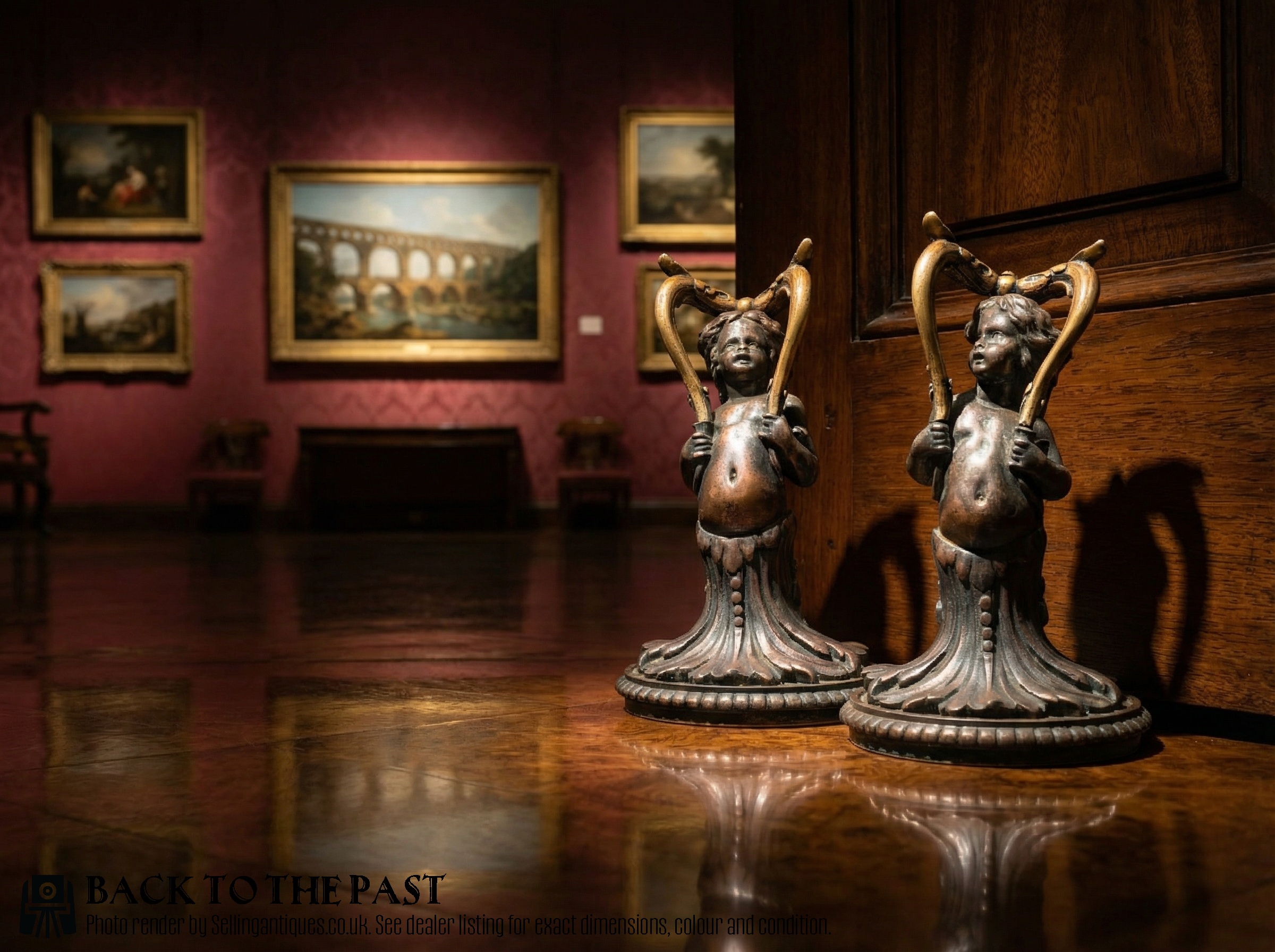
Victorian Metal Doorstop
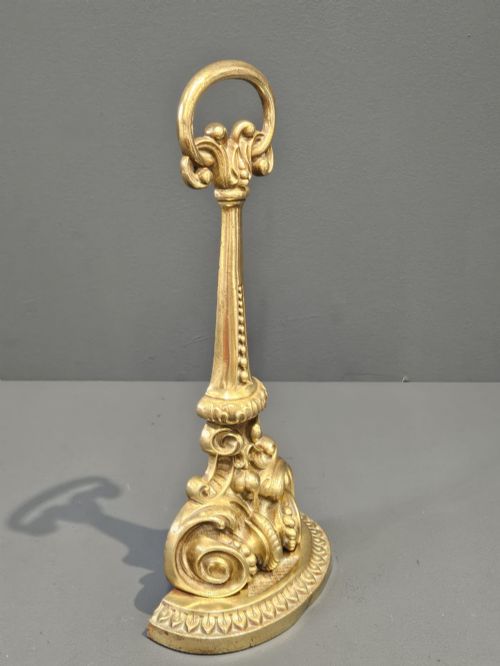
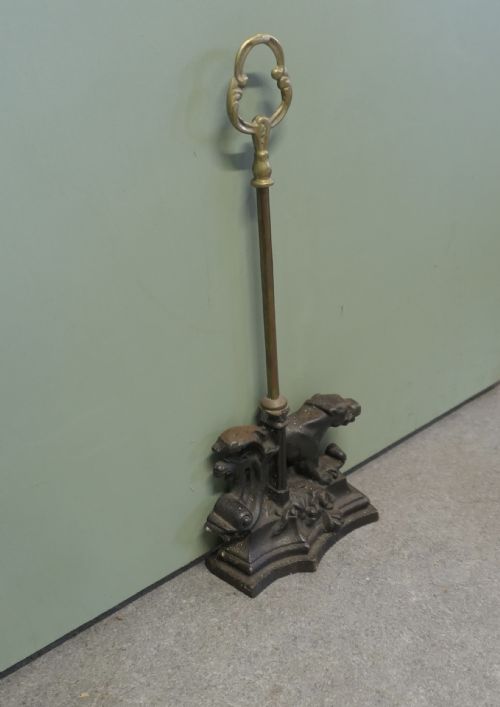
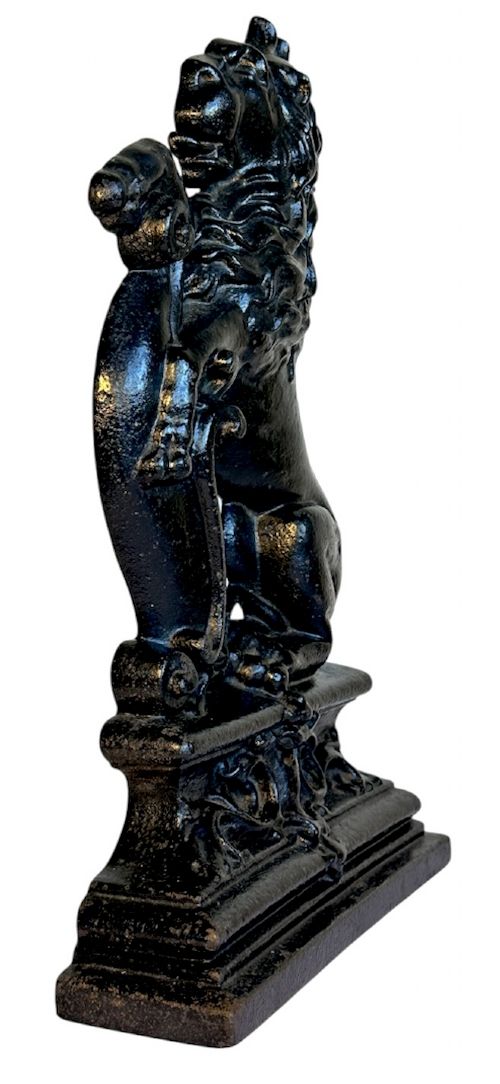
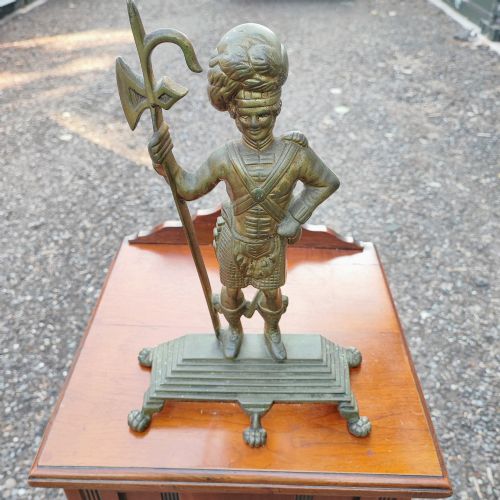
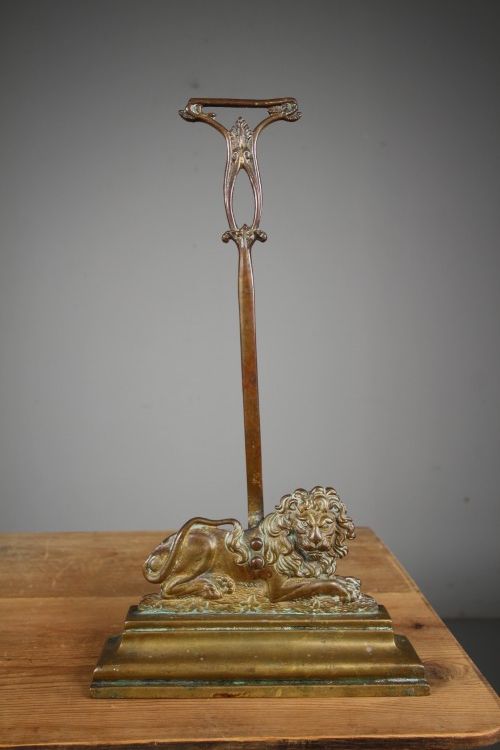
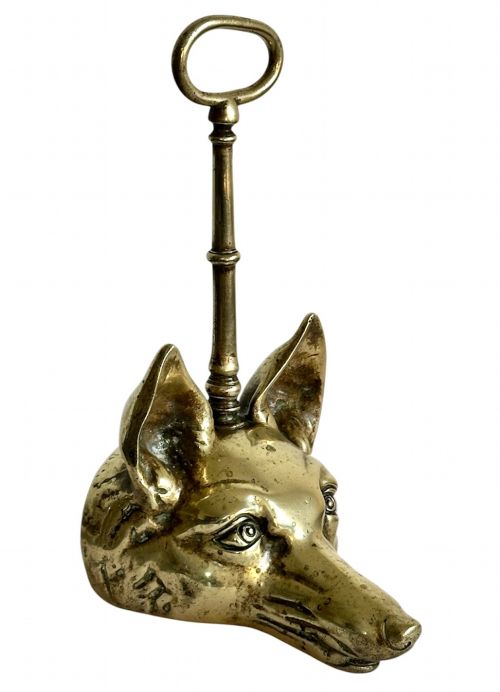
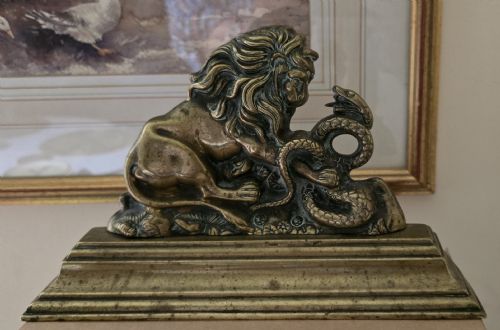
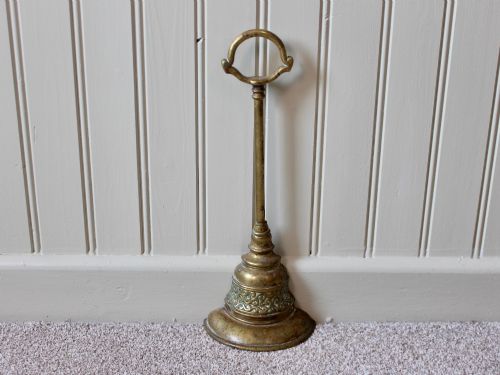
A victorian metal doorstop is a heavy utilitarian object designed to hold interior doors open, appearing on this page in forms ranging from lions and horses to soldiers and literary figures. These pieces originate primarily from the nineteenth century, including specific decades like the eighteen fifties, sixties, eighties, and nineties, alongside Georgian and Edwardian examples.
Materials and construction
These items rely on foundry casting methods utilising cast iron, cast brass, and bronze, frequently combined with applied surface paint or gilt finishes. Molten metal poured into moulds produced substantial weights capable of keeping heavy doors stationary.
Makers integrated handles, integral bases, and distinct backing plates into the castings, while secondary metals like copper appear in specific fireside ornaments. Iron pieces often display black paint or natural patination, whereas brass versions showcase polished surfaces or aged patinas.
Listings feature cast iron, brass, bronze, and copper across the nineteenth and early twentieth centuries.
Distinctions in quality
The sophistication of the original design, whether a complex cherub grouping or a standard heraldic lion, dictates the level of artisan work involved in the finishing stages.
Tonks·William Tonks·William Tonks Sons
The Victorian Metal Doorstop Glossary
- Door porter
- An alternative term for a doorstop, often referring to a heavier or taller piece designed to be lifted by an integrated handle. These items served the same functional purpose in hallways and grand rooms.
- Cast iron
- An iron-carbon alloy poured into moulds to create rigid, heavy objects. It provides the necessary mass for keeping doors ajar.
- Gilt bronze
- Bronze treated with a gold or gilt surface layer to enhance appearance and resist tarnishing. This material elevates utilitarian items into decorative sculptures.
- Regency style
- An architectural and decorative style preceding the Victorian era, characterised by classical restraint and neoclassical motifs. Pieces from this lineage display refined proportions.
- Fireside ornament
- An alternative designation for decorative metalwork placed near the hearth, including boots and figurative subjects. These items often doubled as doorstops in period homes.
Victorian Metal Doorstop: Frequently Asked Questions
What is a door porter?
A door porter is simply another name for a doorstop, typically featuring a vertical handle at the top for lifting and carrying between rooms.
These pieces were constructed with sufficient weight to hold heavy timber doors open against draughts in large houses.
Were these used only for doors?
While primarily designed to keep doors stationary, many examples doubled as fireplace ornaments or heavy paperweights.
Their substantial metal mass suited multiple domestic duties around the hearth and study.
How do I care for cast iron?
Cast iron doorstops require dry indoor environments and occasional dusting to preserve the metal and any surviving paint finishes.
Avoid abrasive cleaners that might strip the original patination or historical surface treatments.
How are different periods identified?
Periods are recognised through stylistic cues, casting techniques, and the specific iconography popular during reigns such as the Victorian or Georgian eras.
Registration marks, material composition, and maker signatures further help narrow down the date of manufacture.