





Cast Bronze Putti
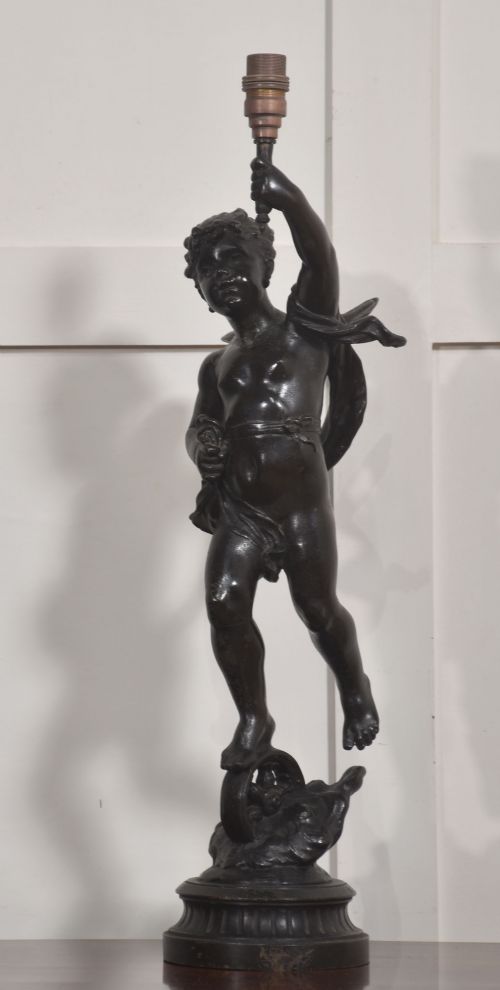
These cast bronze putti figures bring neoclassical charm to an interior, offering classic sculptural forms that double as lamps, andirons and decorative objects.
Cast Bronze Putti
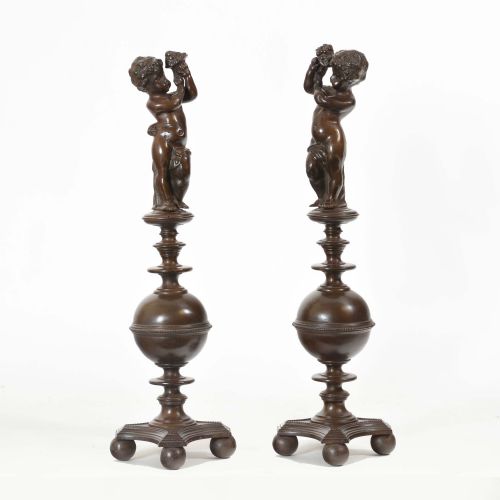
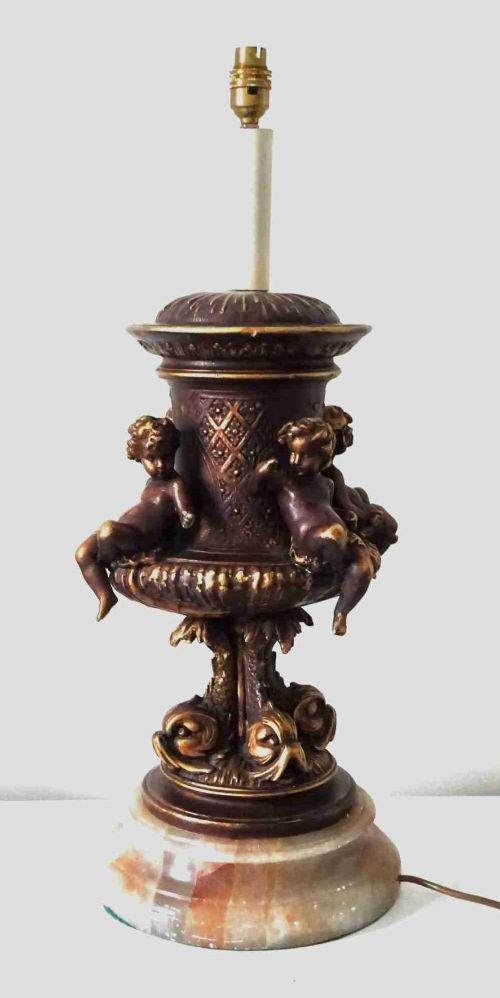
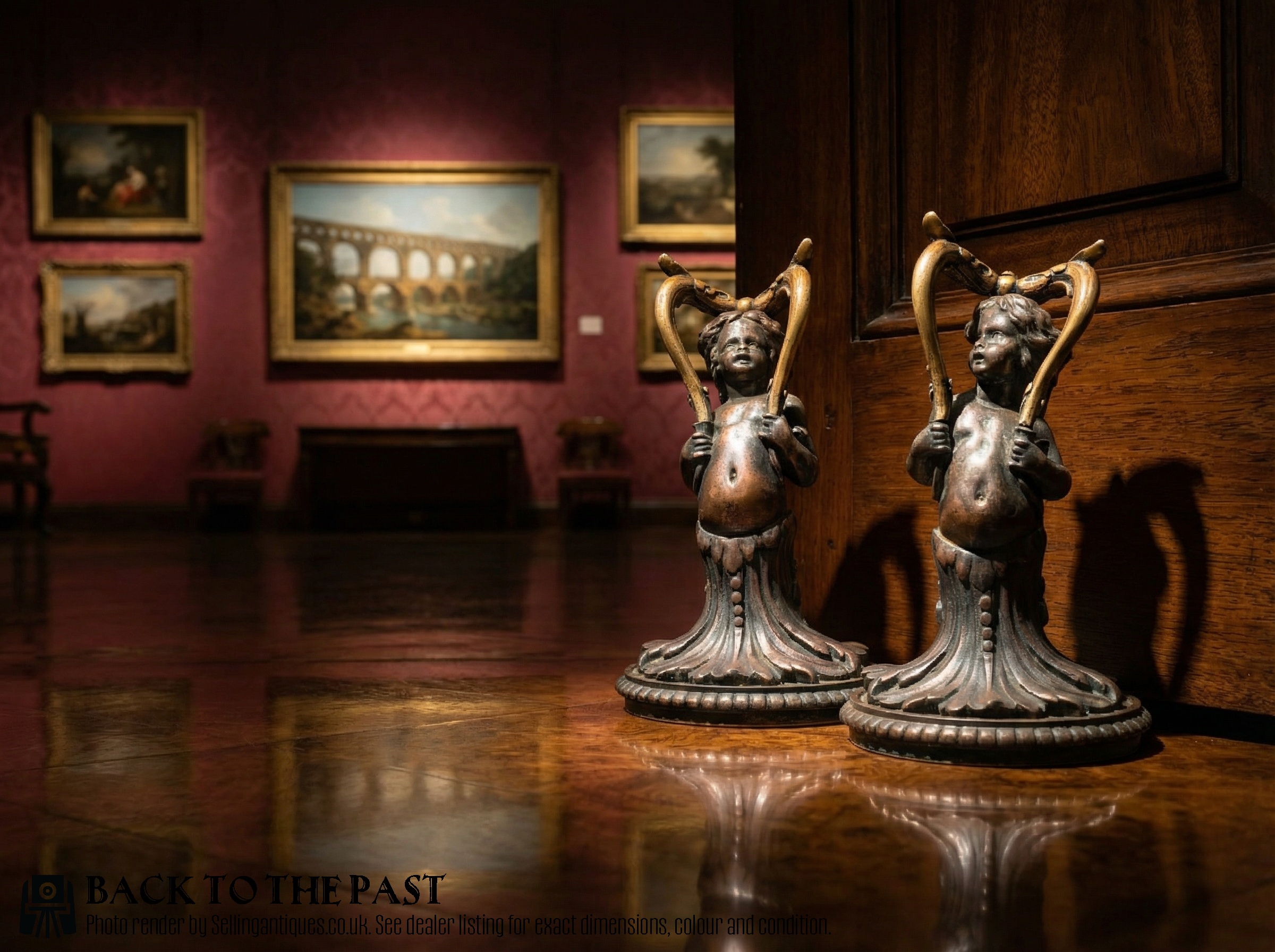
When searching for cast bronze putti, you are looking at figural representations of winged cherubs, cupids and mythological children derived from classical antiquity. These pieces take various functional and decorative forms, including table lamps, wall sconces, bookends, doorstops and andirons.
The selections available range from 19th-century Italian Grand Tour souvenirs and French campana-shaped vases to English Victorian decorative accessories. You will frequently encounter pairs designed for symmetrical placement on mantelpieces or flanking hearths.
Many of these figures draw directly on Renaissance Revival and Neoclassical vocabularies, showing influences from continental workshops and sculptors such as Clodion. They appear both as standalone sculptures and integrated into functional household items like wine-coolers, photo frames and lighting.
Materials and Techniques
These items rely on casting techniques using bronze, cast iron and patinated metal to achieve complex figural shapes. Molten metal is poured into moulds to capture fine anatomical details of the putti, from hair texture to muscular definition.
Surface finishes play a defining role, with patinated bronze and applied patinas creating varied tones ranging from dark brown to bright verdigris highlights. Artisans frequently combined cast bronze with other media, incorporating glass, felt and brass elements into the finished composition.
Listings feature items from the 19th century, Victorian era, and early 20th century, utilising materials including bronze, cast iron, and brass.
Qualities of Execution
The distinction between ordinary and superior pieces rests on the crispness of the metal chasing and the depth of the casting. Finer examples retain sharp facial expressions, well-defined fingers and clean feather details on the wings, whereas lesser items suffer from softened contours.
Surface patination further separates the range, with skilled application producing subtle tonal gradations and warmth across the bronze. The integrity of the mountings and the weight of the cast also indicate the level of craftsmanship invested in the object.
Aug. Moreau·K&O
The Cast Bronze Putti Glossary
- Putto
- A plump, often winged male child figure frequently found in classical art and architecture. They appear singly or in pairs across many 19th-century decorative items.
- Grand Tour
- A cultural journey undertaken by wealthy young Europeans in the 18th and 19th centuries to study classical art. Souvenirs from these trips often included small bronze sculptures.
- Campana
- A bell-shaped vessel style originating from ancient pottery forms. These urns and vases were frequently reinterpreted in bronze during the neoclassical revival.
- Andirons
- Horizontal metal bars raised on legs, designed to support logs in an open fireplace. Their visible fronts often feature cast decorative figures such as cherubs.
- Patina
- The surface coloration and sheen developed naturally over time or applied chemically by an artisan. It enhances the visual depth of cast metal objects.
Cast Bronze Putti: Frequently Asked Questions
What are putti?
Putti are figures of small children, often winged, originating in classical mythology and art. They symbolise divine love and playfulness.
In 19th-century decorative arts, they were adapted into numerous household objects, lending a lively, sculptural quality to utilitarian items.
How were andirons used?
Andirons supported firewood inside a hearth to allow air circulation beneath the logs. Pairs were placed facing into the room.
Decorative front pieces remained visible when the fireplace was unlit, making cast bronze cherubs a popular choice for wealthy interiors.
How do I style a table lamp?
A figural bronze lamp works well as a focal point on a sideboard, desk or side table. Pair it with a simple shade to let the metal sculpture stand out.
Ensure the lamp is placed away from heavy moisture and handle the patinated bronze surface carefully during cleaning.
How to tell periods apart?
Nineteenth-century pieces often exhibit heavier casting and darker, hand-applied patination associated with Grand Tour or Renaissance Revival tastes. Later Victorian and Edwardian examples show subtle shifts in mounting styles and fastening techniques.
Examining the underside and fixing points helps determine the manufacturing era.