




Victorian Maritime Painting
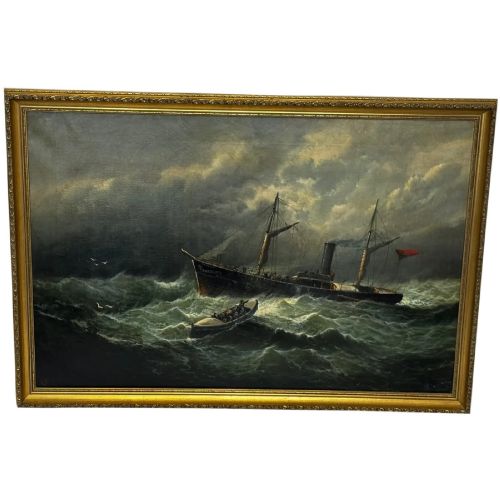
A victorian maritime painting captures the drama of coastal trade, fishing fleets and troubled seas through the eyes of nineteenth-century artists.
Victorian Maritime Painting
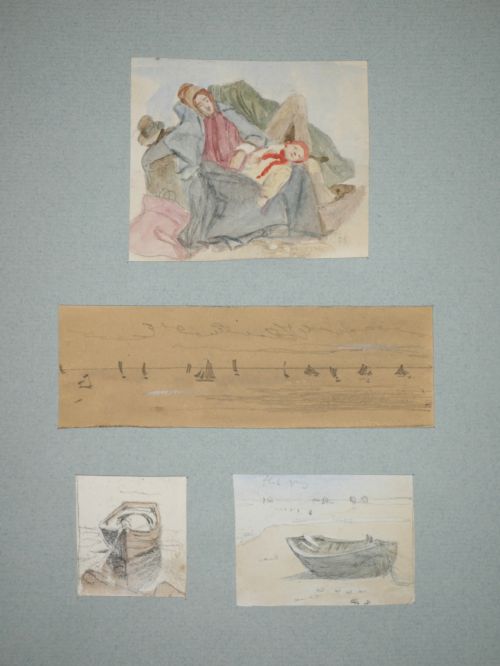
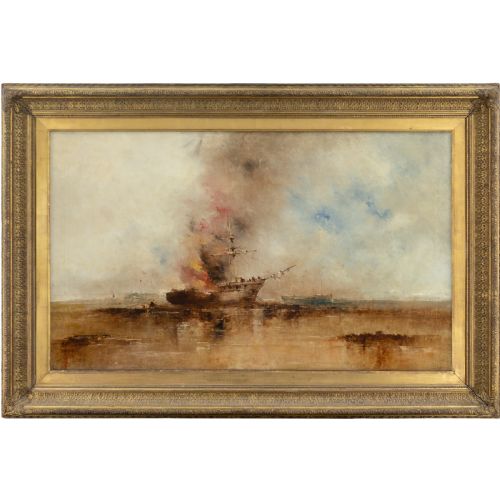
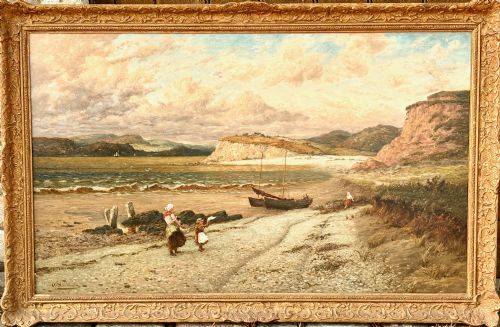
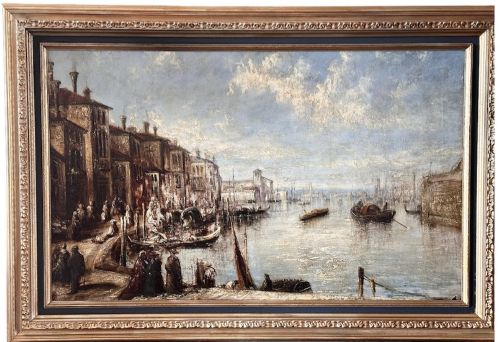
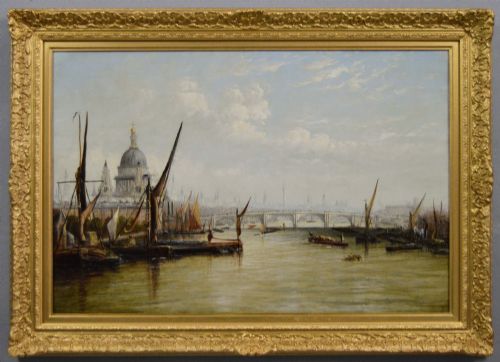
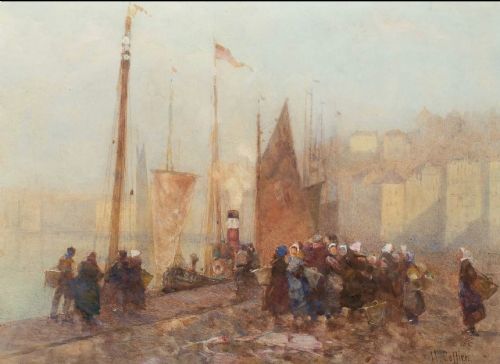
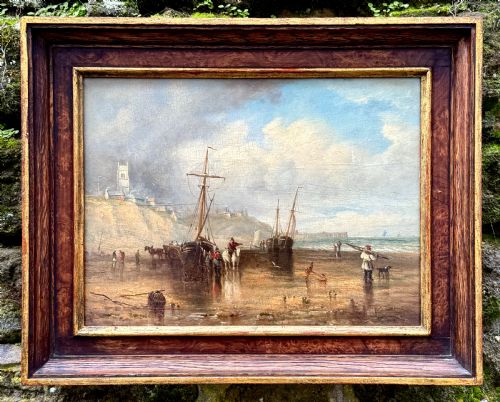
A victorian maritime painting encompasses framed depictions of coastal scenes, harbour views and open-sea shipping created during the nineteenth century. The examples found here range from detailed watercolours on paper to large oil paintings on canvas set within original gilt wood frames.
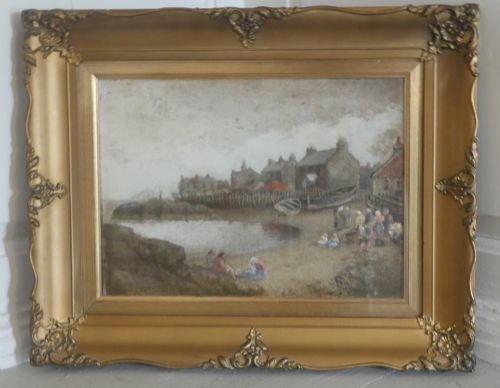
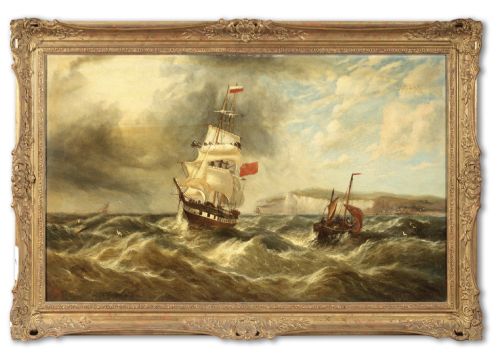
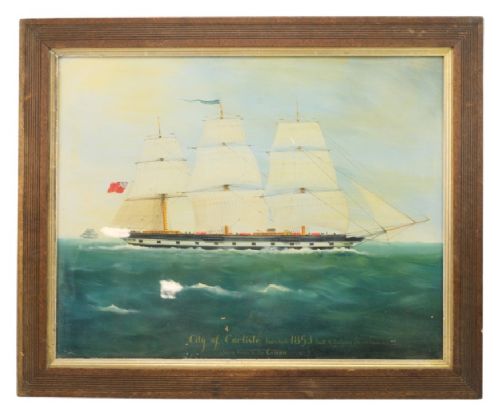
Buyers encounter depictions of specific vessels, local fishing boats off Cornwall and larger historical subjects like merchant ships or naval engagements. Many works record British ports, river estuaries and international waters during an era of industrial and maritime expansion.
How They Were Made
Artists of this period worked primarily in oil paint upon prepared canvas or board, and applied watercolour pigments to paper sheets. Oil paintings allowed for rich layering to depict turbulent water and heavy skies, whilst watercolours captured translucent light along beaches and harbour walls.
Framing played an integral role in presentation, with many works retained in heavy moulded gilt wood frames that complemented the tonal depth of the painting. Supporting materials included glass for watercolours and wooden stretchers to maintain the tension of canvas supports.
Victorian Maritime Painting Retail Price Guide 2026
Typical asking prices for victorian maritime painting among the pieces listed under this phrase on Sellingantiques today, from the lower quarter to the upper quarter. They describe what is for sale here now, not the wider market.
Listings feature works executed in oil on canvas, watercolour on paper, and oil on board across the nineteenth century.
What Varies in Quality
Quality rests upon the artist's command of atmospheric light, accurate rigging detail and the convincing movement of water. Skilled painters rendered the weight of heavy seas and the specific architecture of sailing ships with precise observation.
The condition of the paint surface and the survival of the original gilt wood frame influence the integrity of a piece. Works retaining strong pigments without excessive retouching present a clearer record of the period's artistic standards.
James Orrock·William McAlpine·Edward Mills·William Banks Fortescue·John Rose Miles·Francis Moltino·Hector Caffieri·Bernard Benedict Hemy·Thomas Creswick·TB Hardy·John Wilson Carmichael·Lai Fong·Alfred G Morgan·Abraham Cooper·John Macvicar Anderson·Joseph Farquharson·John Moore of Ipswich·Nicholas Condy·Richard B Spencer·William Henry Williamson·John Holland·George Stanfield Walters
The Victorian Maritime Painting Glossary
- Oil on Canvas
- A painting technique using pigments suspended in drying oils applied to a woven fabric stretched across a wooden frame. This method permits rich texture and deep colour saturation.
- Watercolour
- A painting method where coloured pigments are suspended in a water-soluble vehicle on paper. It produces transparent washes ideal for coastal skies and light effects.
- Gilt Wood
- Timber carved or moulded and coated with a thin layer of gold leaf or metallic paint. These frames were designed to enhance the visual impact of nineteenth-century artworks.
- Barque
- A sailing vessel with three or more masts having the fore-and-aft sail set on the mizzenmast and square sails on the others. They frequently appeared in commercial shipping art.
- Seascape
- A work of art depicting the sea, coastal views, ships or maritime activities. It forms the core subject matter for this category of nineteenth-century painting.
Victorian Maritime Painting: Frequently Asked Questions
What subjects appear in these paintings?
The artworks display coastal harbours, fishing boats, merchant sailing ships and rough seas around the British coastline. Scenes often document specific locations such as St Ives, Brighton Beach and the River Thames.
Other compositions record historical shipping movements, naval vessels and coastal smuggling narratives typical of the nineteenth-century maritime trade.
How should I clean a vintage frame?
Gilt wood frames require gentle dusting with a soft, dry brush to remove surface particles without disturbing fragile metallic leaf. Avoid moisture and chemical cleaning agents entirely.
Professional conservators should handle structural repairs or flaking gilt surfaces to preserve the original finish safely.
Are watercolours sensitive to light?
Paper and watercolour pigments fade when exposed to direct sunlight for extended periods. Displaying works away from bright windows protects the original colour integrity.
Framing with conservation-grade glass helps shield the paper support from ultraviolet light damage.
How do I identify the period?
Nineteenth-century paintings often carry clues within the riggings of depicted ships, artist signatures, and framing styles typical of the Victorian era. Written inscriptions on the reverse of canvases or paper sheets frequently record locations and dates.
Materials such as hand-stretched canvas on wedges and traditional gilt mouldings further confirm the age of the piece.