


Victorian Marble Urn
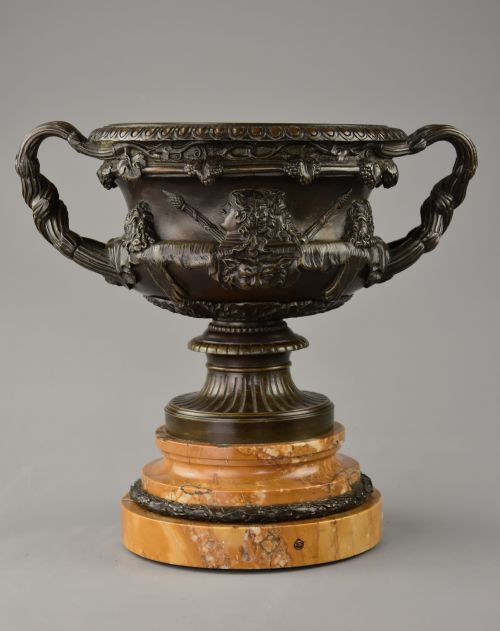
A victorian marble urn brings classical weight and presence into a room, combining quarried stone with metal mounts in forms shaped by the nineteenth-century passion for antiquity.
Victorian Marble Urn
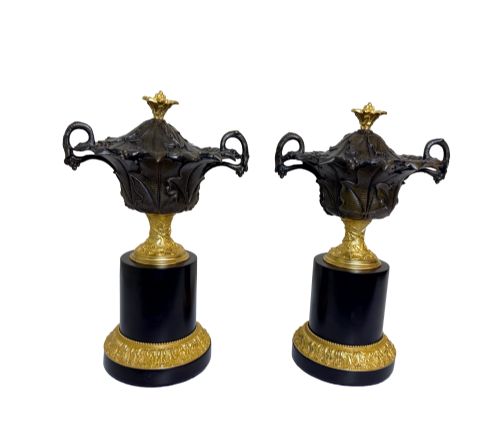
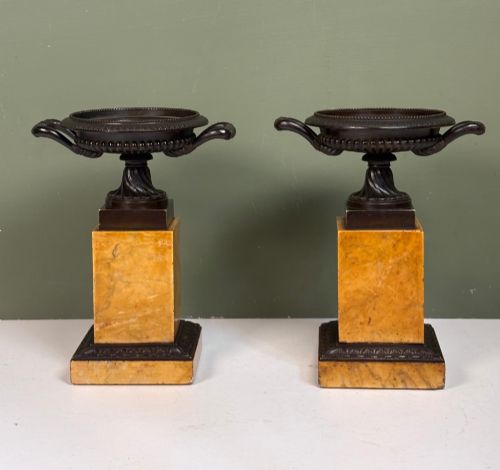
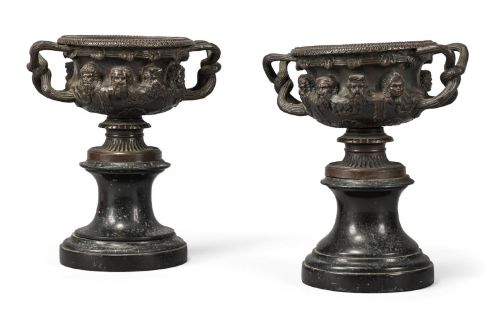
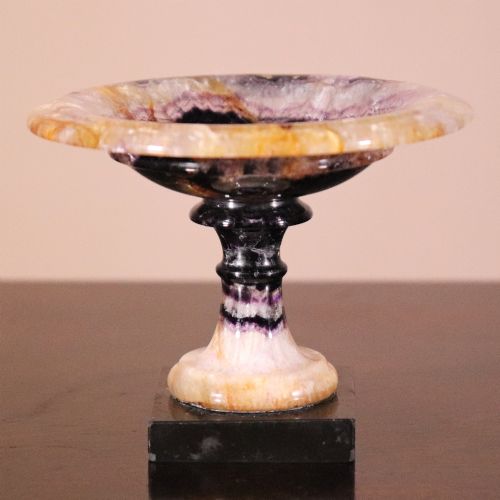
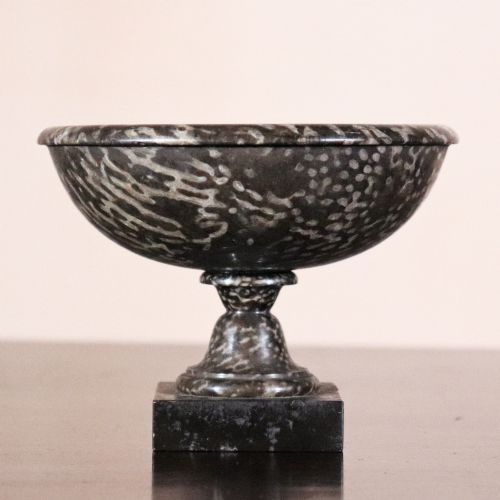
When you search for a victorian marble urn, you encounter decorative vessels, garniture vases, and tazza forms rooted in nineteenth-century classicism. These pieces draw heavily on archaeological discoveries and the Grand Tour, translating ancient Roman and Greek designs into domestic ornaments for nineteenth-century interiors.
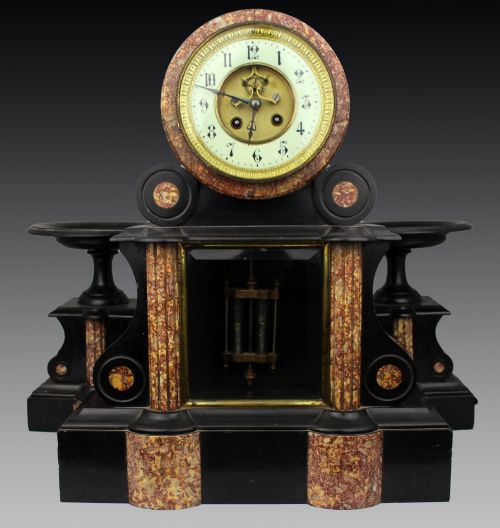
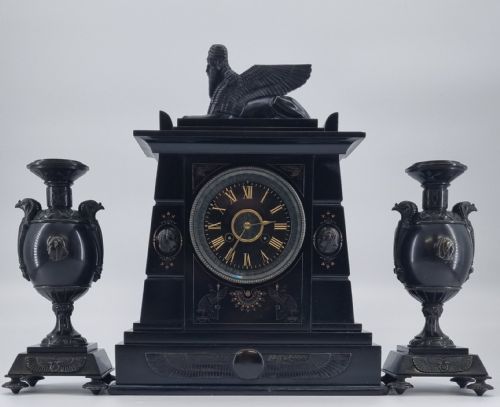
The selections on this page span several decades of the nineteenth century, alongside related forms like mantel clocks, pedestals, and plant stands that share the same material language. Black marble, white marble, Siena marble, and serpentine stone appear frequently, often paired with bronze or gilt bronze mounts.
Many items reflect specific revival movements, including French Second Empire, Egyptian Revival, and Neoclassical styles. Alongside European works, Chinese export pieces with inset marble tops demonstrate how widespread the use of marble was across different decorative traditions during the Victorian era.
What varies in quality
The crispness of the bronze casting and the precision of the stone turning set individual pieces apart. Superior examples display sharply rendered classical details on handles and mounts, whereas simpler items rely on plain turned stone bodies with minimal metal trim.
Japy Frères·Achille Brocot·Selim Bright
The Victorian Marble Urn Glossary
- Grand Tour
- A cultural journey undertaken by wealthy Europeans through France and Italy to study classical antiquities. Objects bought as souvenirs often formed the basis for these nineteenth-century decorative urns and vases.
- Garniture
- A set of three or more matching decorative objects, typically a central clock flanked by matching vases or urns, designed to sit upon a mantelpiece. They were a staple of Victorian drawing rooms.
- Tazza
- A shallow saucer-like vessel mounted on a stem and foot, used in classical antiquity and revived during the nineteenth century in marble and bronze. They make striking ornamental centrepieces.
- Rouge Griotte
- A rich red Italian marble characterised by white and grey mottling, frequently utilised for nineteenth-century clock bases and desk ornaments. Its deep tone complements patinated bronze mounts.
Victorian Marble Urn: Frequently Asked Questions
What is a garniture set?
A garniture set consists of a central clock accompanied by a pair of matching side pieces, such as urns, vases, or candelabra. These matched assemblies were designed to be displayed together on a mantelpiece or sideboard.
During the Victorian period, such sets served as both timepieces and decorative focal points for formal rooms. The side urns often mirrored the materials and motifs of the central clock to create a balanced arrangement.
How do I care for marble?
Marble requires gentle cleaning with a soft, dry cloth or a slightly damp sponge without harsh chemical detergents. Acidic substances can etch the polished surface of the stone if left unattended.
Because these nineteenth-century pieces often combine stone with delicate bronze mounts, avoid submerging them in water. Regular dusting preserves the natural lustre of both the marble and the metal elements.
What is Egyptian Revival style?
Egyptian Revival is a decorative style that incorporates motifs from ancient Egyptian art, such as sphinxes, hieroglyphs, and winged sun disks. This aesthetic gained popularity in Europe following major archaeological discoveries in the nineteenth century.
In these collections, the style appears on mantel clocks and garnitures where bronze pharaonic figures or symbols accent the dark marble or slate bodies.
Where were these pieces displayed?
These decorative urns and clock sets were primarily placed in prominent public rooms of Victorian homes, such as drawing rooms, libraries, and formal dining parlours. They signalled taste, education, and cultural engagement to visitors.
Smaller items like inkwells found a place on library desks, while larger stone pedestals and plant stands held ferns or decorative jardinières in hallways and bay windows.