



Neoclassical Marble Vessel
A neoclassical marble vessel brings the monumental sculpture of antiquity into a private interior through polished stone and cast bronze.
Neoclassical Marble Vessel
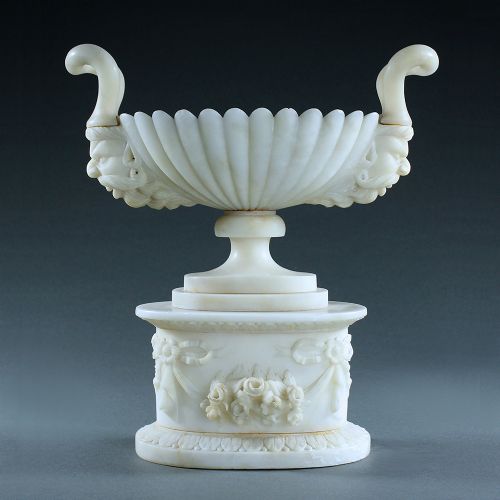
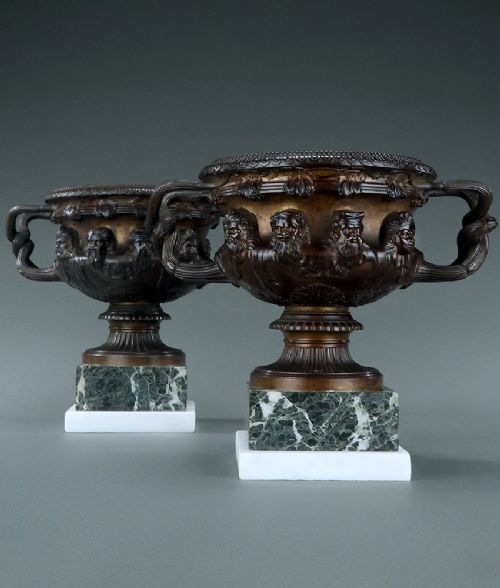
A neoclassical marble vessel takes the form of an urn, vase, tazza or lidded cup inspired by classical antiquity and the Italian Grand Tour. The pieces seen on this page date to the nineteenth century, spanning decades from eighteen fifty to eighteen seventy, and originate primarily from Italian and French workshops.
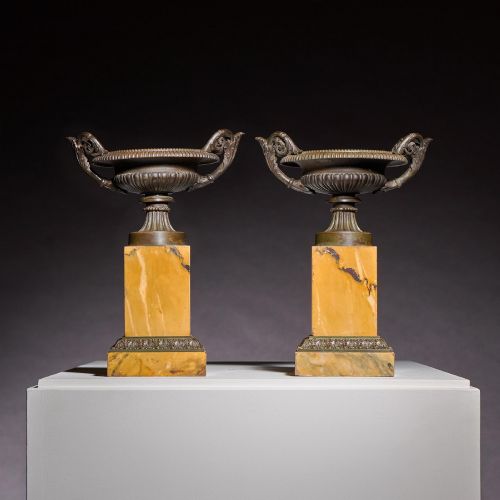
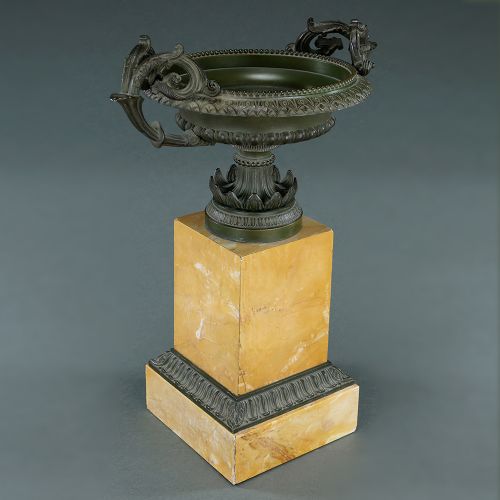
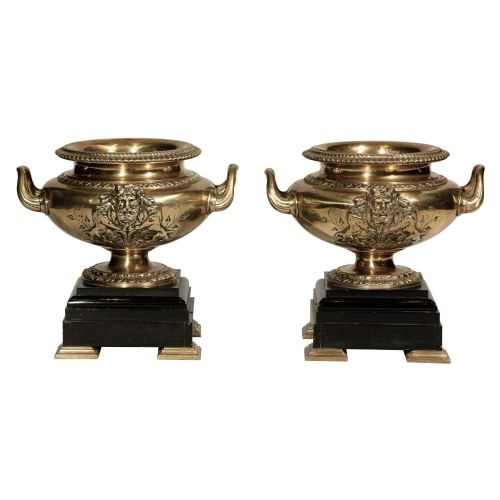
Forms include decorative bowls, tazzas on marble bases, and monumental urns executed in a strict neoclassical or French neoclassical style. Buyers frequently encounter pairs of bronze and marble vases alongside large solo tazzas intended for display on tables and pedestals.
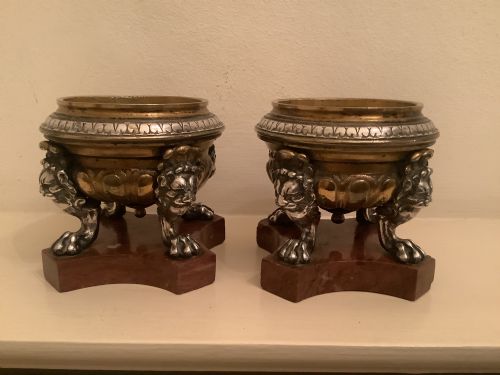
The materials dictate the visual weight of each piece, contrasting veined marbles with dark patinated bronze or bright ormolu mounts. These objects served as souvenirs of European travel for affluent collectors during the Victorian era.
How they were made
Masons turned dense marbles such as rosso antico, ashford black, white, and green marble on lathes to create hollow vessels and shallow tazzas. Artisans then polished the stone surfaces to reveal natural veining and varied mineral colours.
Foundries cast bronze elements, including handles, socles, and collars, often finishing them with fire gilding or dark patination. Stonemasons and metalworkers fitted the heavy bronze mounts directly to the marble bodies using threaded pins or adhesives.
Neoclassical Marble Vessel Retail Price Guide 2026
Typical asking prices for neoclassical marble vessel among the pieces listed under this phrase on Sellingantiques today, from the lower quarter to the upper quarter. They describe what is for sale here now, not the wider market.
The object types on this page include decorative bowls, lidded cups, and monumental urns.
What varies in quality
The precision of the turned profile and the weight of the cast ormolu or bronze mounts separate standard workshop production from works attributed to named makers. Detail in applied foliate ornament and handles indicates the level of skill invested by the maker.
Benedetto Boschetti·Selim Bright
The Neoclassical Marble Vessel Glossary
- Rosso Antico Marble
- A deep red antique marble prized by Italian stonemasons for its rich colour and fine grain. It frequently appears in grand tour pieces.
- Grand Tour
- A cultural journey undertaken by nineteenth century elites across Europe, acquiring souvenir antiquities and classical copies. These objects reflect that specific tradition of collecting.
- Tazza
- A shallow bowl or cup raised on a high foot and stem, designed for display on a table or sideboard. Examples often combine marble bowls with bronze bases.
- Ormolu
- Finely ground high-carat gold mercury-gilded to a bronze object, creating a bright metallic finish. This technique highlights mounts on neoclassical vessels.
Neoclassical Marble Vessel: Frequently Asked Questions
How do I identify nineteenth century marble?
Nineteenth century marble vessels display specific geological varieties like rosso antico, serpentine, and ashford black marble, shaped on mechanical lathes. The polish on these pieces tends to be smooth and even, reflecting the advanced stone-cutting techniques of the period.
Examining the underside often reveals tool marks and weathering consistent with Victorian workshop practices.
Where should I place a heavy marble vessel?
Heavy marble vessels require sturdy support, such as a low mahogany table, a column, or a stone console. Their substantial weight from bronze and solid stone means they demand stable surfaces away from high traffic areas.
Positioning them near natural light enhances the polished grain and the contrast of the gilt bronze mounts.
Are these vessels waterproof?
These vessels were created purely for decorative display rather than for holding water or fresh flowers. Pouring liquid into antique stone and bronze can damage the internal seams and stain porous marble.
Dry styling with decorative stems or leaving the vessels empty preserves the interior surfaces and the historical structure.