




Classical Campana Vase
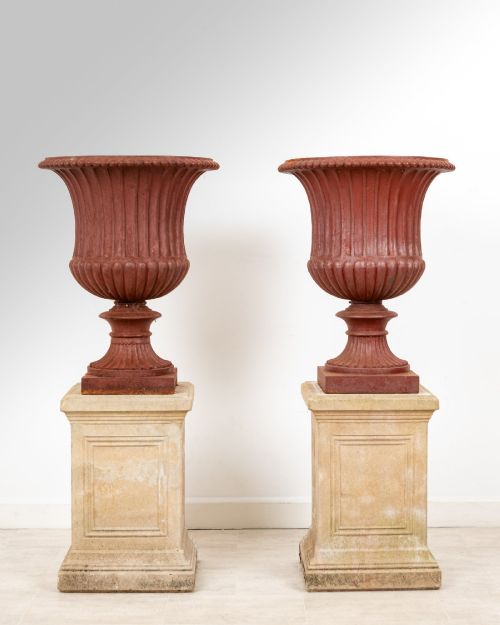
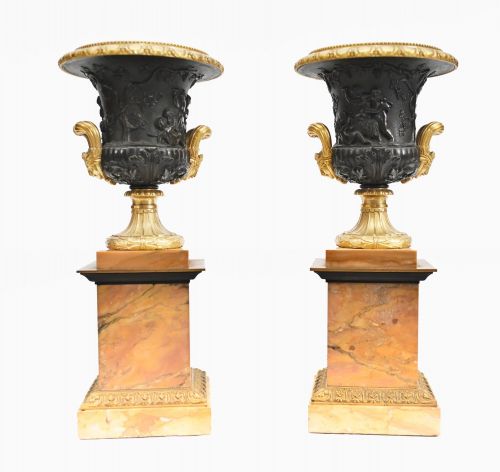
A classical campana vase brings monumental antiquity to a room, taking the inverted bell form of ancient pottery and casting it in bronze or carving it in stone.
Classical Campana Vase
A classical campana vase takes its defining inverted bell profile from ancient terracotta prototypes found in Italy. When searching for a classical campana vase, a buyer encounters forms that range from diminutive tabletop ornaments to substantial garden urns.
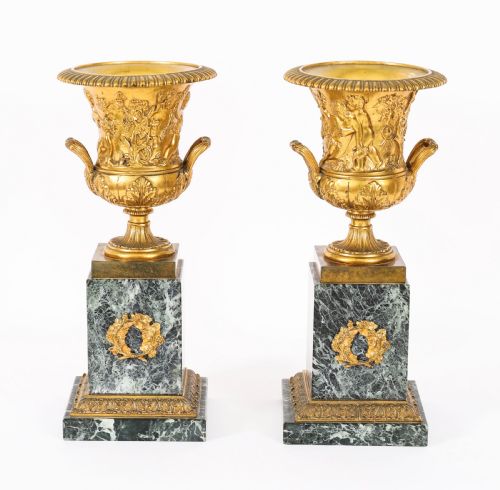
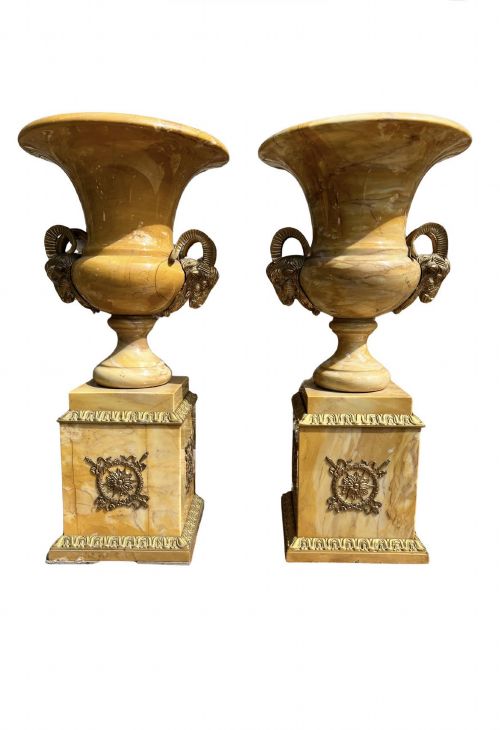
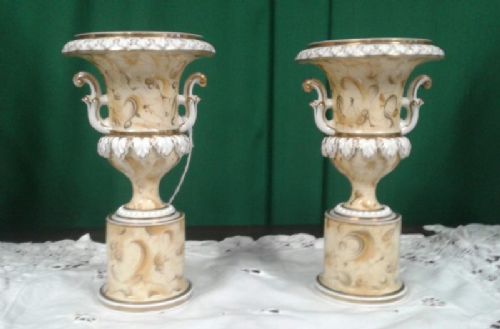
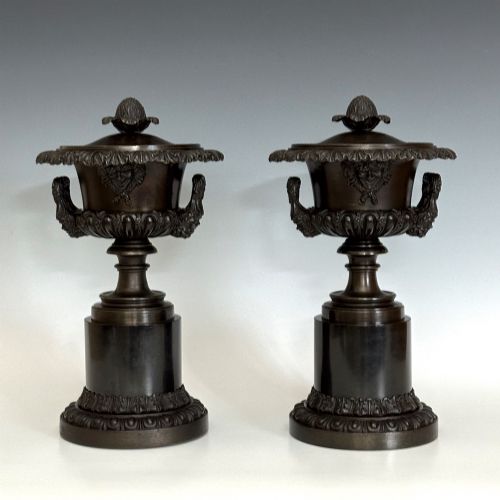
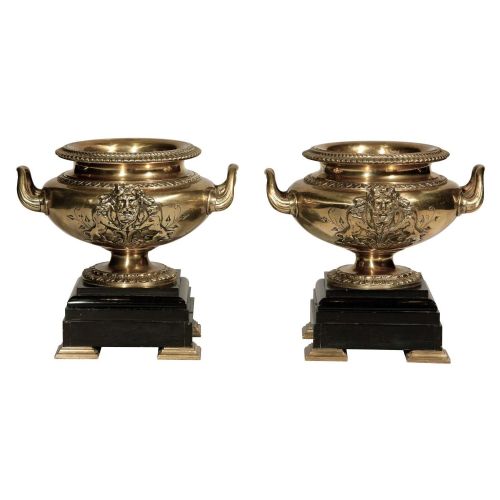
Nineteenth-century examples dominate the selections, spanning the Regency, Victorian, and later revival periods. These pieces frequently appear as matched pairs mounted upon dedicated marble or stone pedestals.
Origins stretch across European workshops, with French French Grand Tour pieces and Italian productions appearing alongside English iterations. Makers adapted the antique vocabulary for domestic drawing rooms and terrace displays alike.
What varies in quality
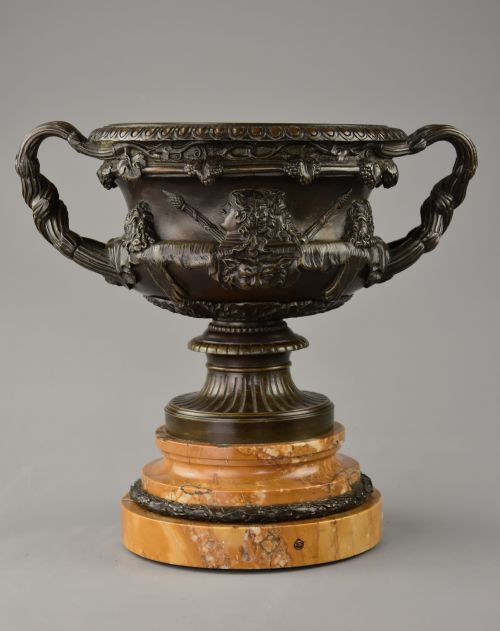
The crispness of the chased detail distinguishes superior metal castings from softer production pieces, particularly around figural friezes and handles. Sharp relief work indicates a foundry that invested time in finishing the metal after it left the sand or wax mould.
The selection of raw materials dictates the calibre of stone examples, where richly figured marble with harmonious veining outranks plain or uniform compositions. Matched pairs showing consistent grain and colour across both urns command greater appreciation than assembled counterparts.
The archive reveals that Grand Tour reductions frequently replicated celebrated ancient antiquities such as the Warwick Vase and the Gaeta vase.
Ridgeways·Selim Bright·Wedgwood
The Classical Campana Vase Glossary
- Campana
- A vessel shape resembling an inverted bell, widening towards the rim with a distinct pedestal foot. This silhouette originates from ancient pottery utilised for mixing wine and water.
- Grand Tour
- An extended cultural journey of continental Europe undertaken by wealthy young men during the eighteenth and nineteenth centuries. Travellers acquired miniature bronzes and marble vases as tangible evidence of their classical education.
- Ormolu
- Finely ground high-carat gold applied to a bronze base through a mercury amalgamation process. This technique produces a brilliant, durable metallic lustre found on high-status nineteenth-century decorative urns.
- Cassolette
- A decorative vase or urn featuring a reversible lid that functions either as a solid cover or a burner for pastilles. These dual-purpose vessels were popular during the Regency and Charles X periods.
- Jasperware
- A type of fine stoneware developed by Josiah Wedgwood featuring a matte pastel body contrasted with white moulded reliefs. Pieces from the nineteenth century often replicate classic campana vase profiles.
Classical Campana Vase: Frequently Asked Questions
How were grand tour vases used?
Grand tour vases served as decorative ornaments and conversation pieces in nineteenth-century drawing rooms and libraries. Travellers brought them home from Italy and France to display their classical erudition.
Some examples doubled as pastille burners or wine coolers, though most functioned purely as sculptural statements celebrating antiquity.
Where should I place a stone urn?
Stone and marble campana vases suit interior side tables, mantelpieces, or pedestals where their heavy materials can be properly supported. Weathered cast iron or composition stone versions are suited for garden terraces.
Protect polished marble varieties from moisture and direct sunlight to preserve the integrity of the stone and any brass or gilt mounts.
How do I date a bronze urn?
Dating relies on examining the casting technique, patination, and stylistic markers associated with specific nineteenth-century revivals. Regency and Charles X pieces display crisp neoclassical restraint, while later Victorian examples often incorporate heavier relief work.
Base construction and the presence of patinated bronze versus modern brass provide further clues to the manufacturing decade.