




Victorian Mantelpiece Clock
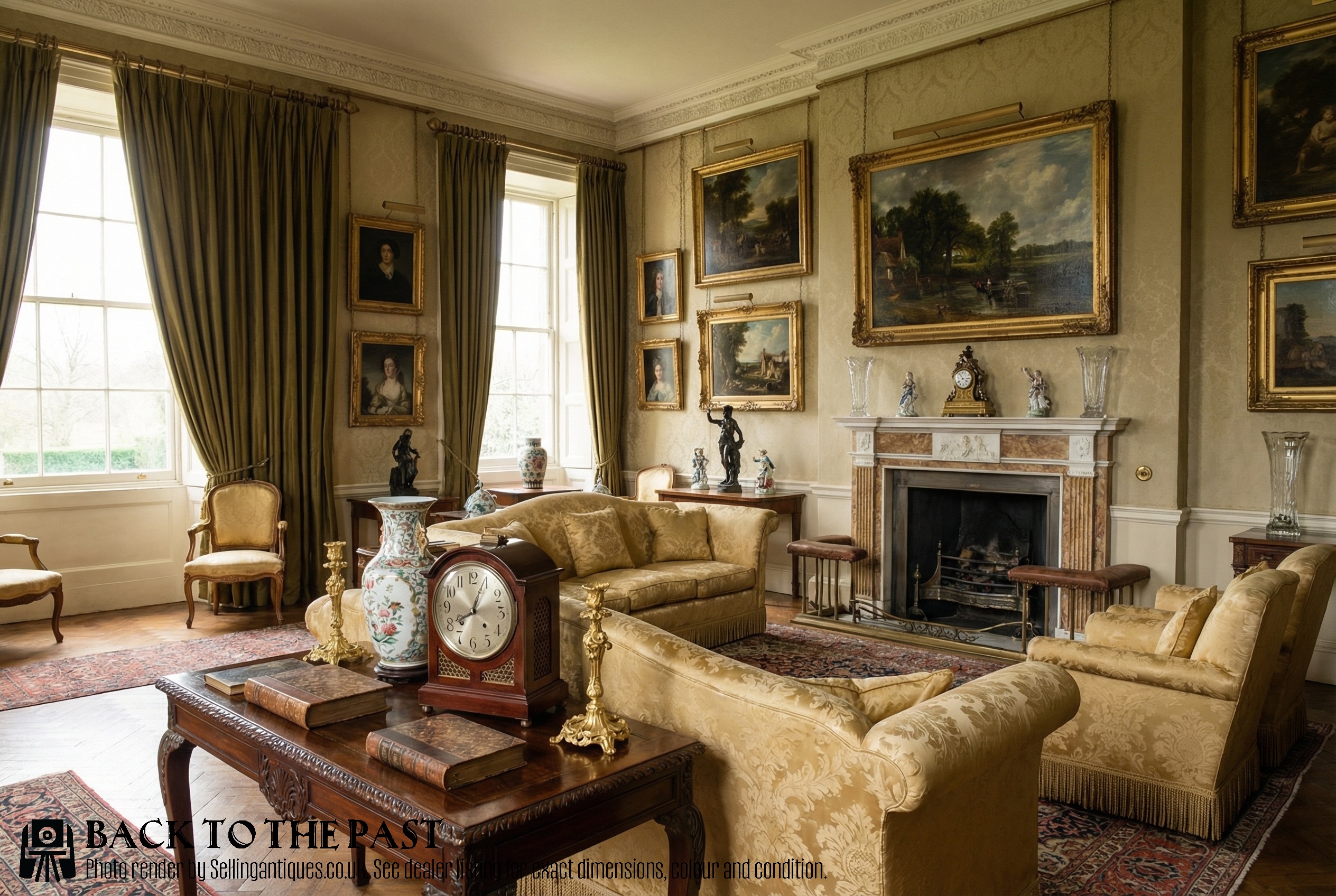
A victorian mantelpiece clock brings heavy stone, gleaming brass and steady mechanical rhythm straight into the heart of the room.

What these pieces are
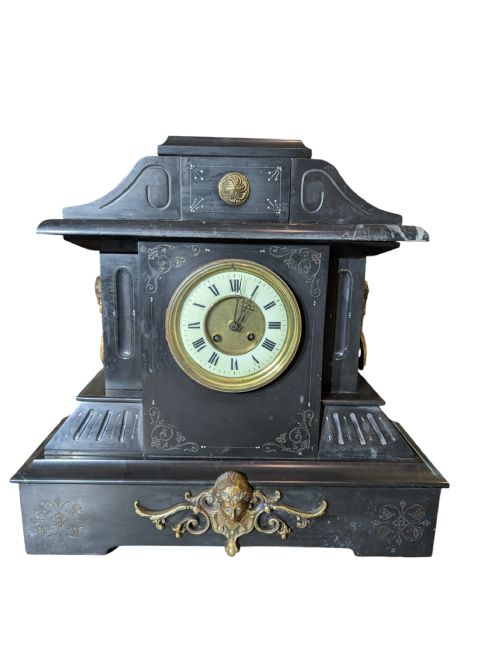
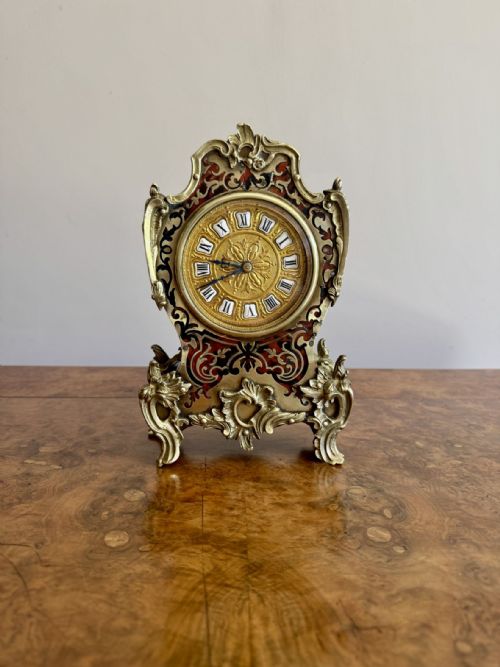
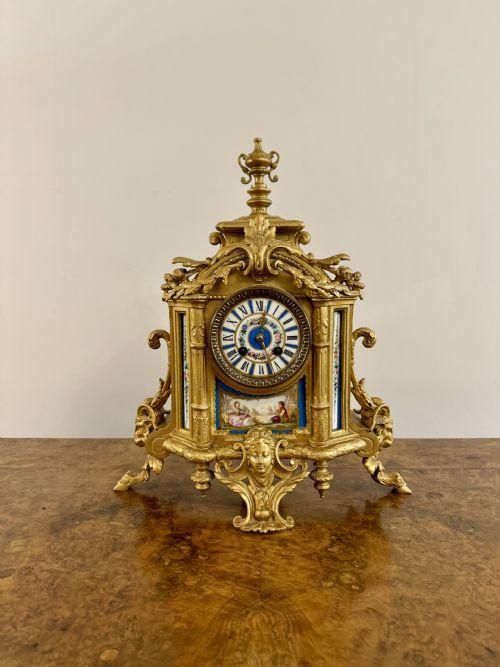
A victorian mantelpiece clock stands as a sturdy domestic timekeeper designed to sit prominently upon a fireplace ledge or shelf. These functional objects range from architectural architectural slate cases to ornate revival designs reflecting nineteenth century tastes.
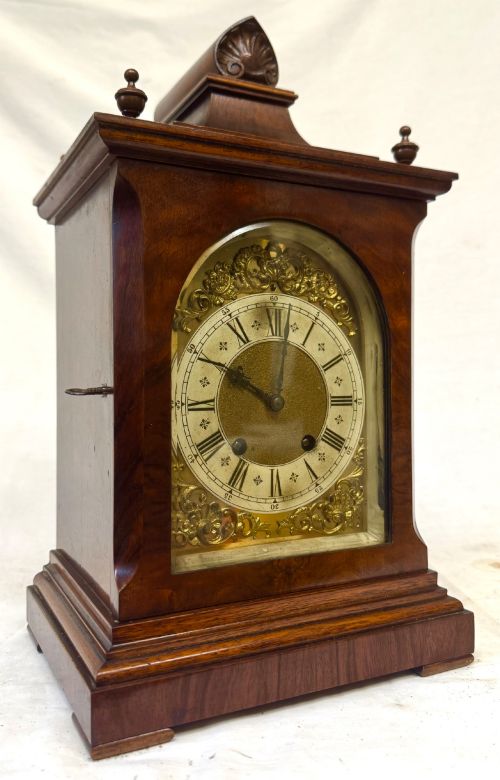
Most examples found here date from the mid to late nineteenth century, spanning periods from eighteen sixty to eighteen ninety. Buyers encounter standard marble bodies, heavy black slate, and occasional mahogany bracket forms alongside French inspired architectural pieces.
How they were made
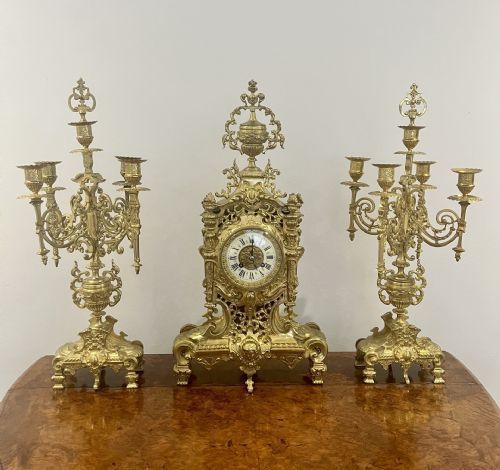
Maker workshops constructed these timepieces utilising dense materials such as black slate, marble, brass, and gilt metal. Interiors house complex mechanical movements driven by springs, often featuring eight day striking capabilities.
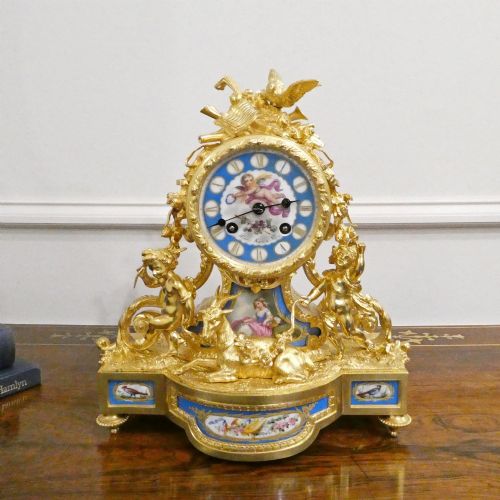
Glass covers protect delicate enamel dials and steel hands from dust and damage. Cabinetmakers and metalworkers combined mahogany timber, bronze mounts, and cast brass bezels to build substantial ornamental housings.
Retail Price Guide 2026
Typical UK retail prices for victorian mantelpiece clock, calculated from the Sellingantiques database of over a million retail prices indexed since 2003. This retail price guide relies exclusively on Sellingantiques data; no external sources or auction records are used, so the figures do not describe the wider market.
Heavy slate cases were built so solidly they could easily double as household doorstops in an emergency.
What varies in quality
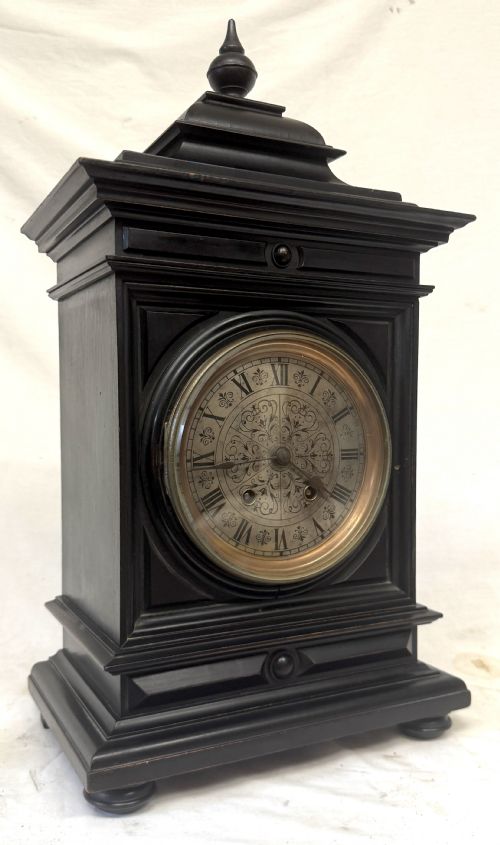
The distinction between ordinary and superior pieces rests on the weight and finish of the materials, from plain slate to intricately sculpted marble and bronze. Heavier, more substantial stone cases and finely cast gilt metal mounts mark out the better examples.
Movement sophistication also divides the range, particularly eight day striking mechanisms housed alongside signed dials and intricate enamel work. The harmony between the architectural case and the precision of the internal movement defines the upper tier.
Clerke Royal Exchange London·A Delépine·Thomas Cole·Howell James And Co·W And H
The Victorian Mantelpiece Clock Glossary
- Marble
- A hard metamorphic rock utilised for heavy, architectural clock cases. It provides a smooth, polished surface often combined with contrasting slate.
- Enamel
- A fused glassy substance applied to copper or brass clock faces to form the dial. It creates a crisp, white background for painted numerals.
- Bracket clock
- A portable table or shelf clock originally designed to sit on a wall bracket. Nineteenth century versions often feature mahogany and brass construction.
- Carriage clock
- A small, spring driven timekeeper originally made for travelling. These pieces typically feature glass panels on all sides to display the internal escapement.
Frequently Asked Questions
Where should I place a heavy marble clock?
These dense stone and slate timekeepers require a deeply stable, level surface capable of supporting considerable weight. A sturdy fireplace mantel or a heavy sideboard serves well.
Placing the clock on a level plane ensures the pendulum or balance wheel swings evenly. Uneven surfaces cause the mechanical beat to falter and eventually stop.
How do I identify the period of a clock?
Dating relies on examining the combination of materials, case styles, and mechanical signatures recorded in the listing details. Mid nineteenth century pieces often favour heavy classical stone revival forms.
Later Victorian examples introduce different timber cases and simpler dial layouts. Comparing the maker's signature or style against known nineteenth century records helps narrow the date.
Do these clocks chime on the hour?
Many of the listed examples feature eight day striking movements designed to sound bells or gongs on the hour and half hour. These audible strikes rely on internal count wheels or rack striking systems.
Not all models include a strike train, as some carriage and bracket formats focus purely on visual timekeeping. Checking the movement description clarifies whether a bell or gong is present.