
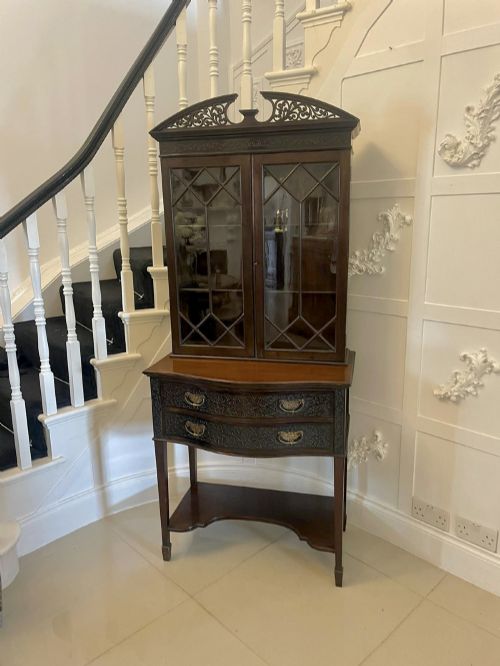
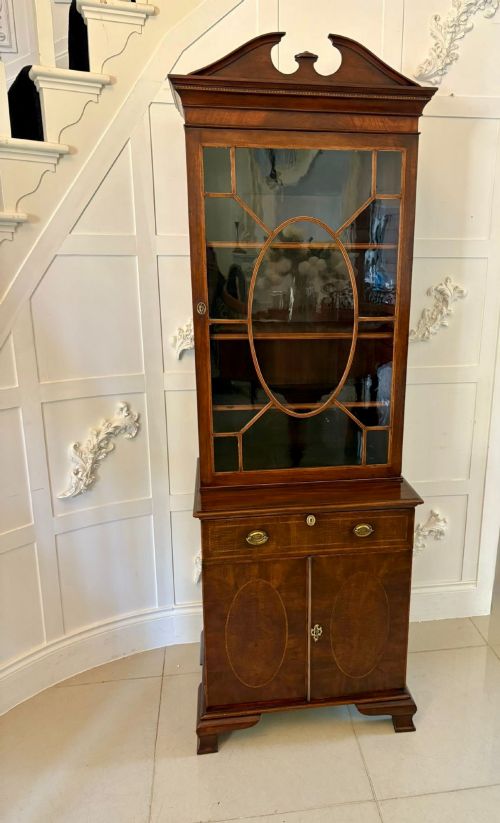
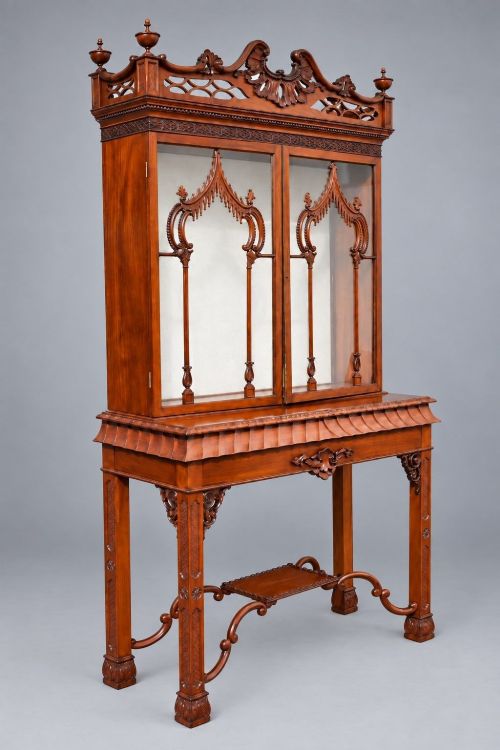
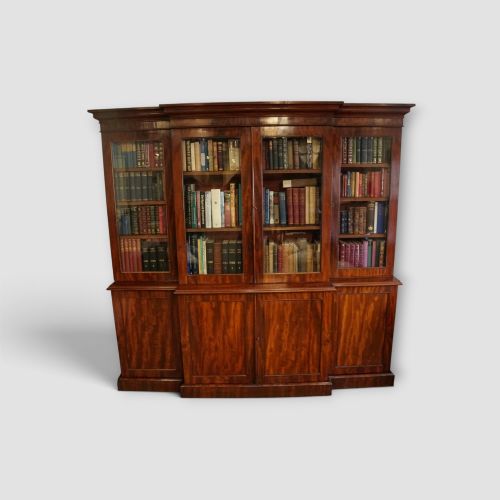
Victorian Mahogany Glazed Bookcase
When you need a victorian mahogany glazed bookcase, you are looking at tall display furniture built to house libraries and collections safely behind glass.
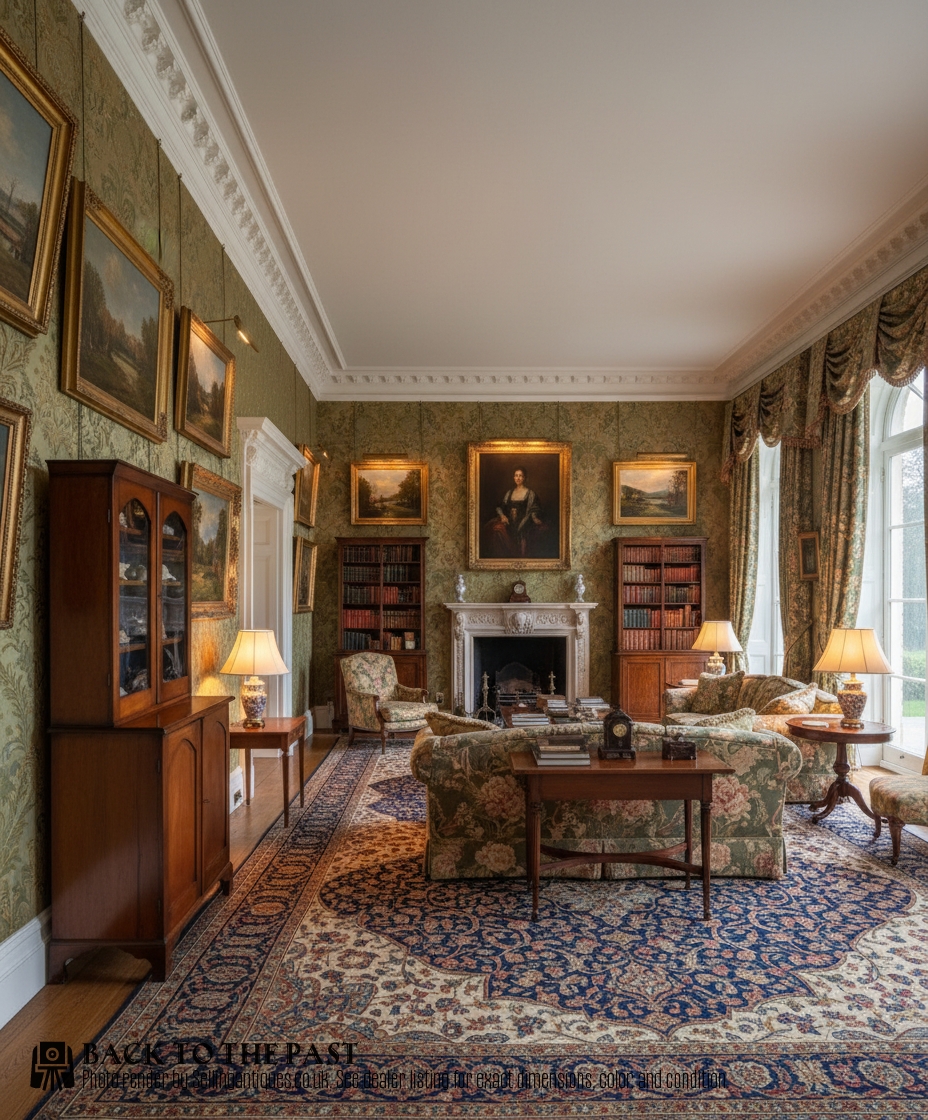
Victorian Mahogany Glazed Bookcase
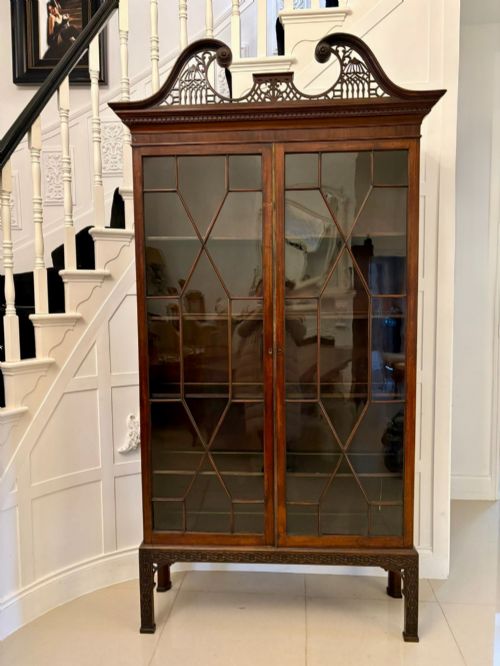
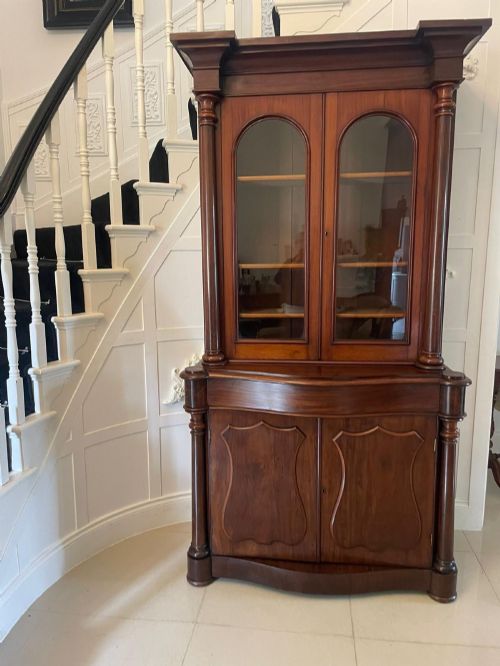
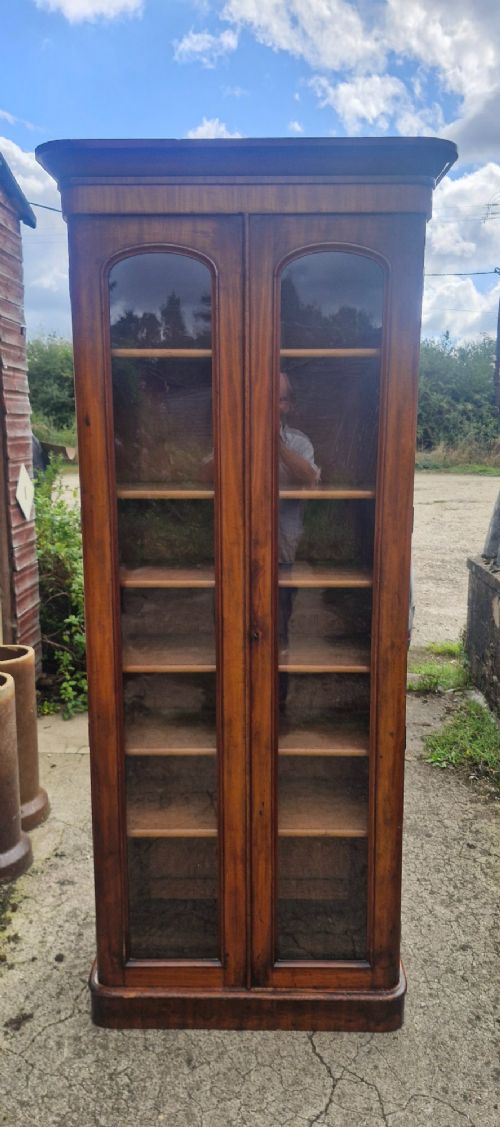
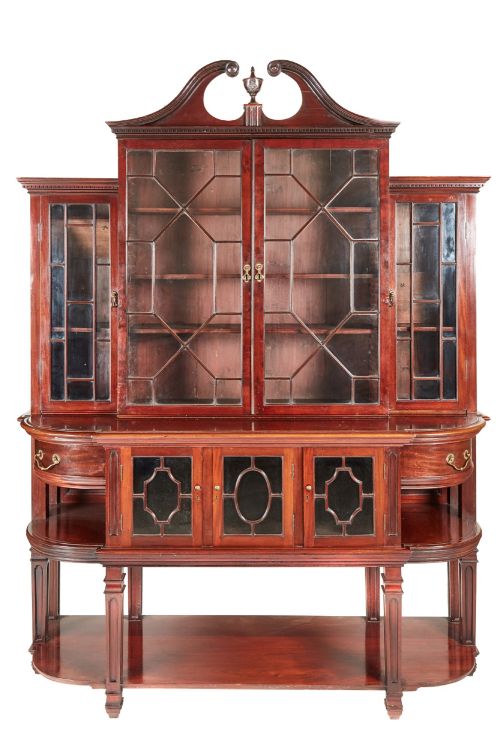
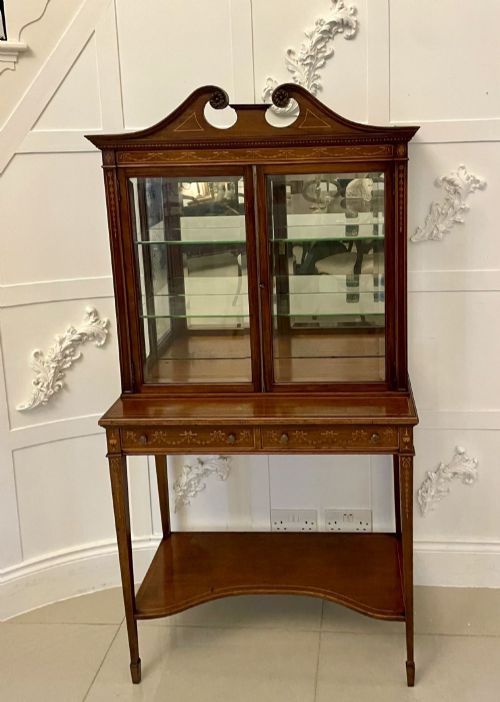
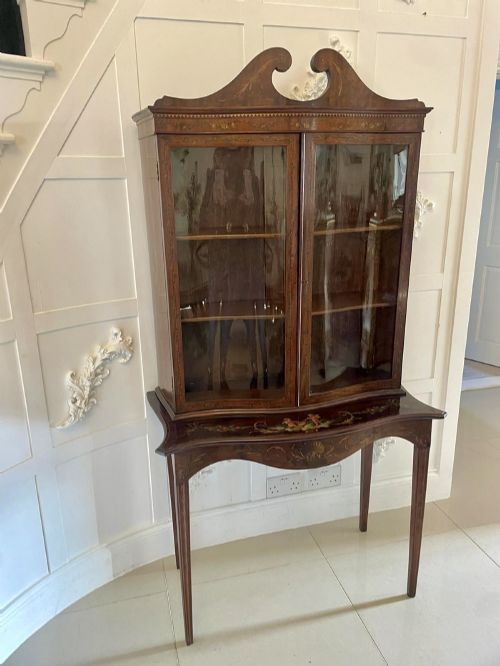
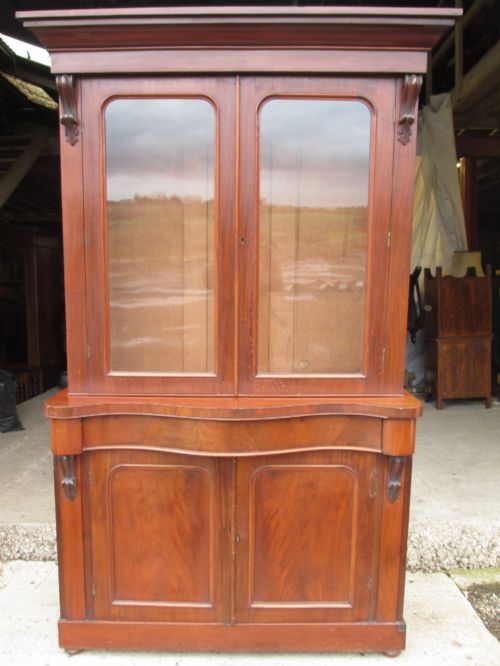
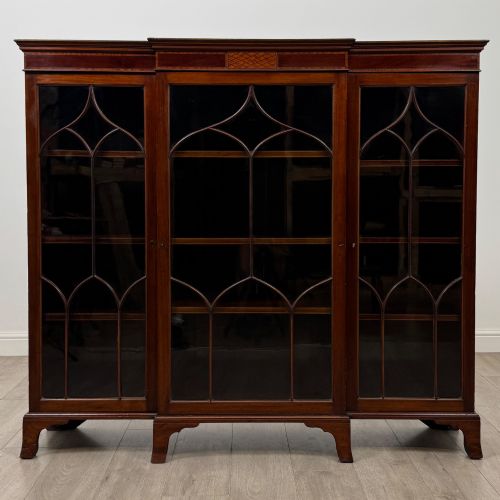
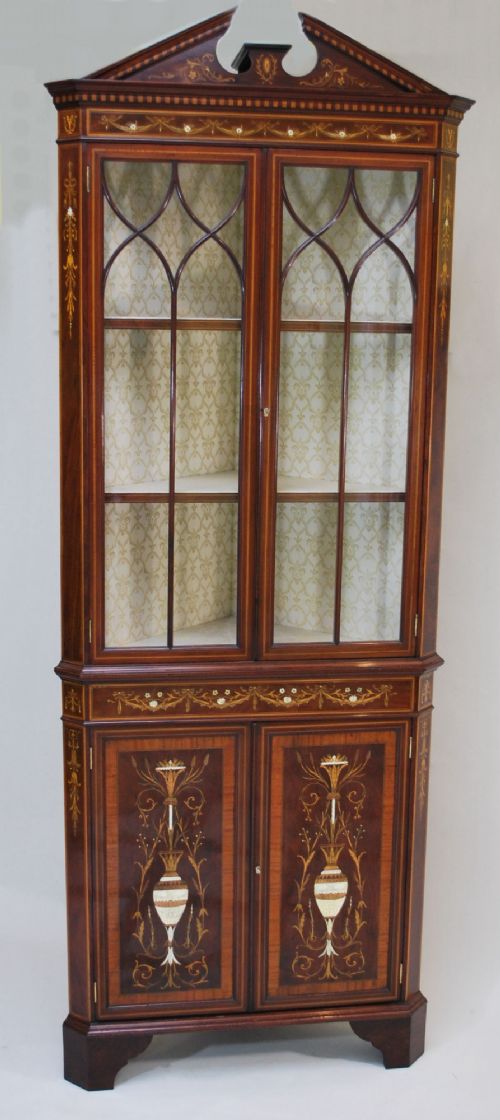
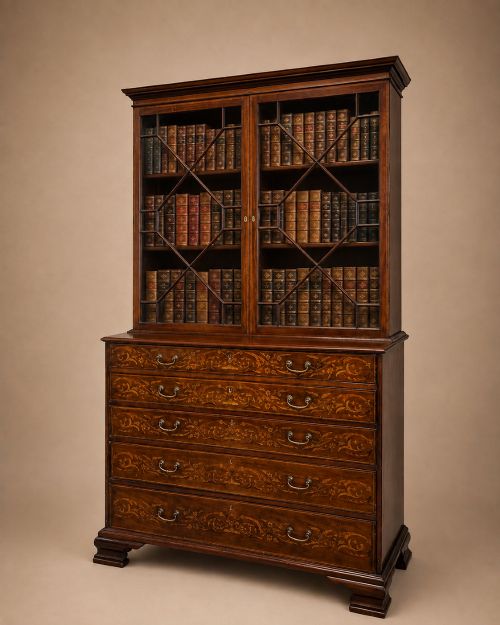
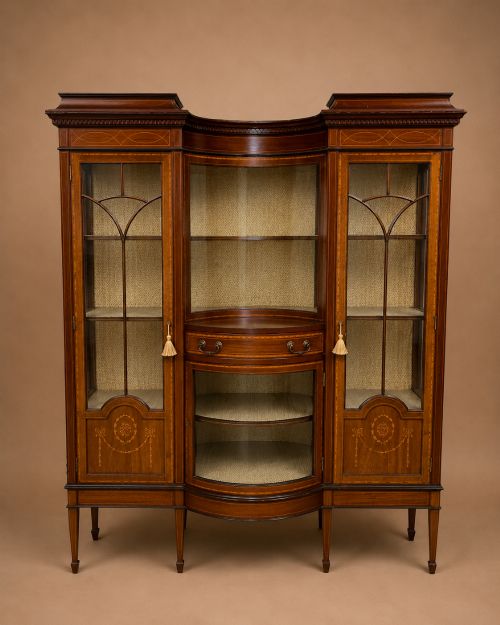
A victorian mahogany glazed bookcase typically combines an upper glazed display section with lower wooden cupboards or drawers, standing tall against a wall. The pieces appearing most frequently span the mid to late nineteenth century, ranging from large breakfront library editions down to slim two-door cabinets and corner units.
Makers and workshops adapted various historical references, producing items in Sheraton Revival, Regency, and Chippendale styles alongside standard Victorian formats. These cabinets served primarily in parlours, studies, and libraries to protect leather-bound volumes from dust while displaying them clearly.
How they were made
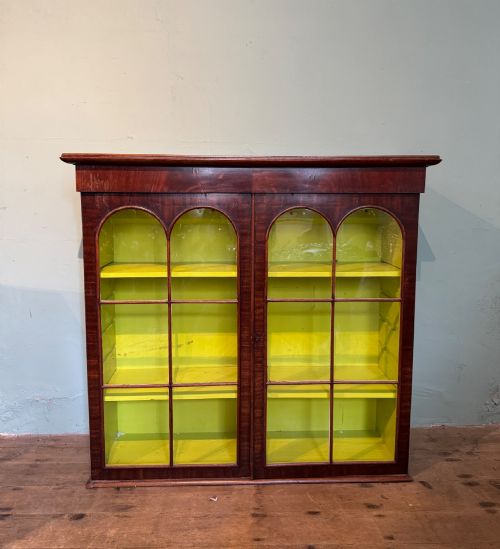
Cabinetmakers utilised solid timber alongside flame mahogany veneer to create rich figure and depth across the main body of the furniture. Glass doors featured wooden astragals or glazing bars arranged in geometric patterns, while brass hardware secured the doors and drawers.
Finer examples incorporated satinwood inlay, marquetry, and delicate painted decoration to accent the mahogany surfaces. Adjustable wooden shelves inside the upper section allowed owners to alter shelf heights for different volumes of books.
Materials recorded across the inventory include solid mahogany, flame veneer, satinwood inlay, glass, and brass.
What varies in quality
The choice of timber grain defines much of the visual standard, with highly figured flame mahogany and crisp carving marking out superior editions. The precision of the joinery in the glazing bars and the delicacy of any inlay work also separate standard utility furniture from finer display pieces.
Proportion and scale dictate the architectural presence of the cabinet, where well-balanced breakfront cornices and original brass fittings enhance the overall integrity of the construction.
Jas Shoolbred·Edwards & Roberts
The Victorian Mahogany Glazed Bookcase Glossary
- Astragal glazed
- Glass doors divided by thin wooden strips into smaller panes. This technique creates a grid pattern that supports larger glass areas safely.
- Breakfront
- A piece of furniture where the central section projects forward from the flanking sides. This adds architectural depth to large library cabinets.
- Flame mahogany
- Timber cut from the fork of the mahogany tree to produce a swirling, flame-like grain pattern. It was widely used on prominent door panels.
- Secretaire
- A desk disguised as a drawer that pulls out to reveal a writing surface and small pigeonholes. These sometimes integrate into the lower section of a bookcase.
- Satinwood inlay
- Contrasting pale exotic wood inserted into the darker mahogany surface in decorative bands or motifs. It provides crisp linear borders on late nineteenth-century cabinets.
Victorian Mahogany Glazed Bookcase: Frequently Asked Questions
How do I adjust the shelves?
Most nineteenth-century bookcases utilise wooden racks or brass studs inside the cabinet walls to support movable shelves.
You simply lift the shelf off its supports and reposition the pegs into alternative slots at the desired height.
Are the glass panes original?
Original glass often displays subtle surface waviness, small bubbles, and minor imperfections resulting from nineteenth-century manufacturing methods.
Inspect the putty or wooden glazing beads holding the glass to check if the panes match the age of the frame.
How do I care for mahogany?
Keep wooden furniture away from direct heat sources and strong sunlight to prevent the timber and polish from drying out.
Apply a traditional wax polish occasionally and buff gently with a soft cloth to maintain the lustre of the finish.
Can the bookcase be dismantled?
Many large library bookcases separate into a heavy lower base and an upper glazed section for easier transport.
Cornices and plinths sometimes detach independently, though you should check the specific construction before attempting to move the piece.