

Victorian Low Seat Chair
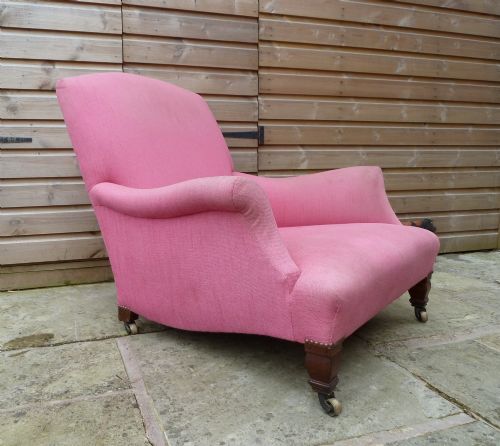
A victorian low seat chair is a low-slung, comfortable seat designed for nineteenth-century parlours and bedrooms, offering relaxed posture and compact proportions.
Victorian Low Seat Chair
When you search for a victorian low seat chair, you encounter a variety of nineteenth-century forms intended for intimate rooms. These pieces include nursing chairs, slipper chairs, and low salon chairs originating from the Victorian and Edwardian periods.
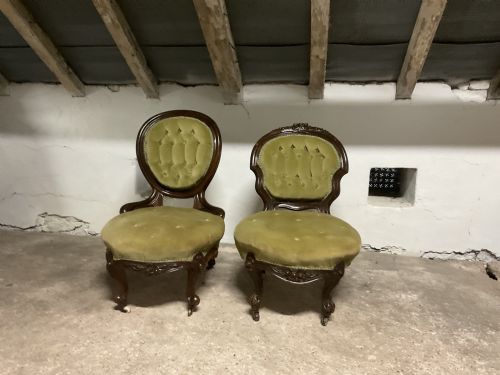
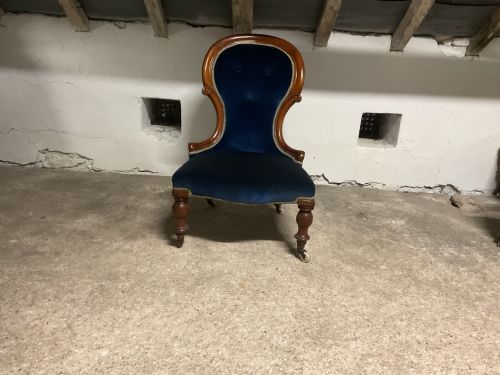
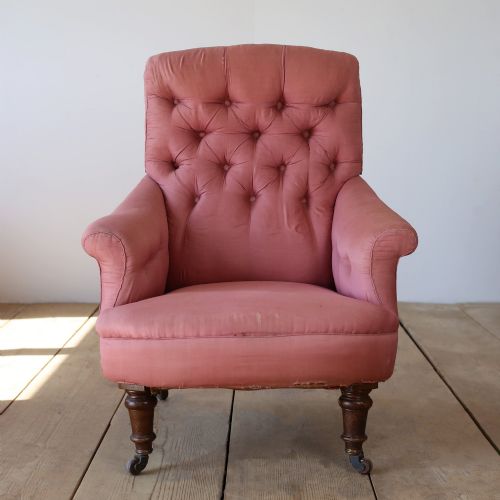
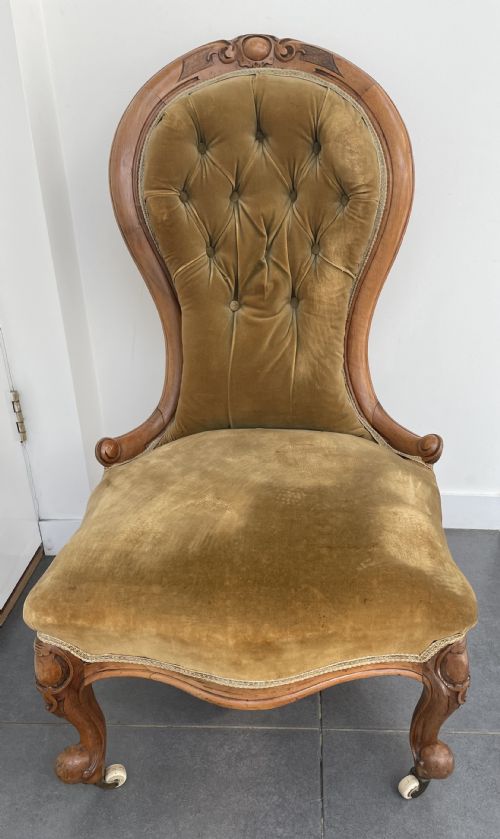
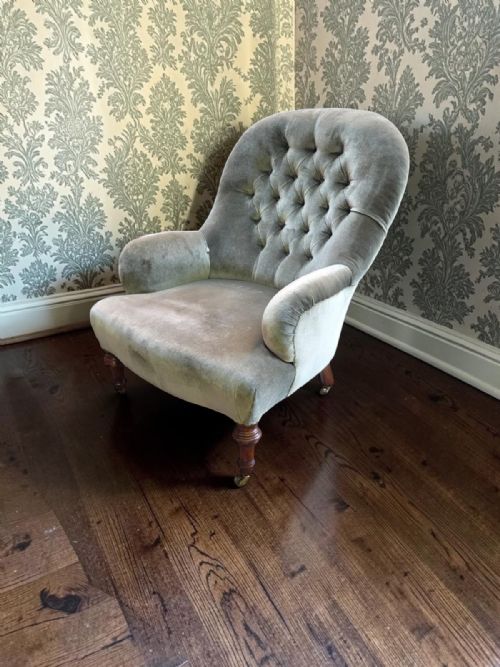
The version you are most likely to meet on this page is the walnut or mahogany nursing chair featuring a low profile, often with a buttoned back and upholstered seat. Such chairs sit low to the floor, reflecting the domestic habits and seating styles of the period.
How they were made
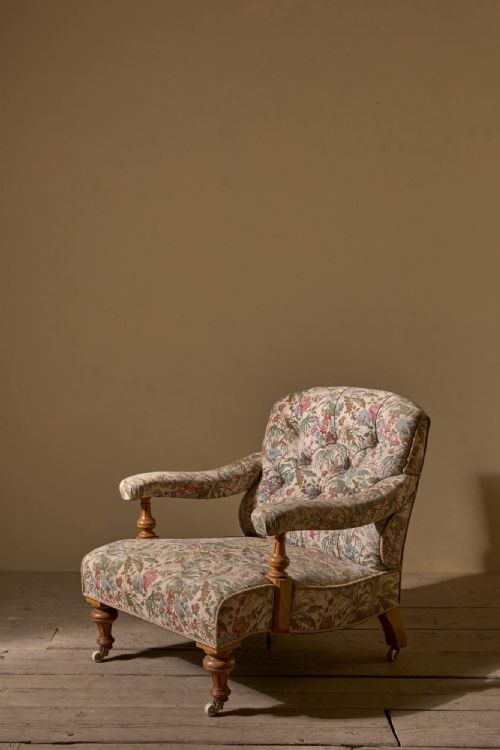
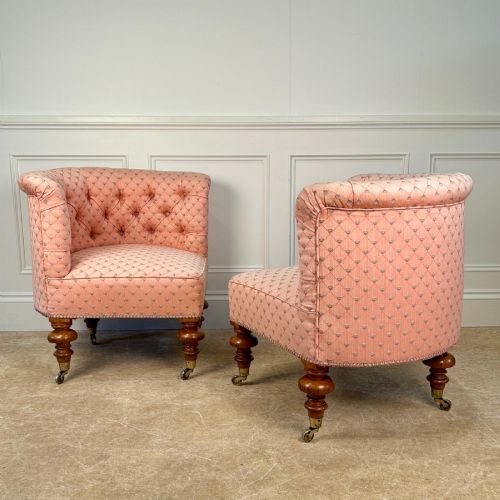
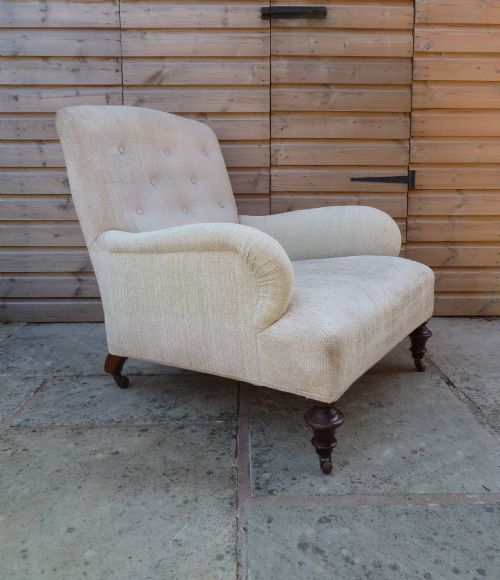
Makers constructed the frames of a victorian low seat chair using dense timbers such as walnut, mahogany, oak, and rosewood, often shaping the wood with turned elements or carving. Brass components and castors frequently appear on the legs to aid movement across heavy carpets.
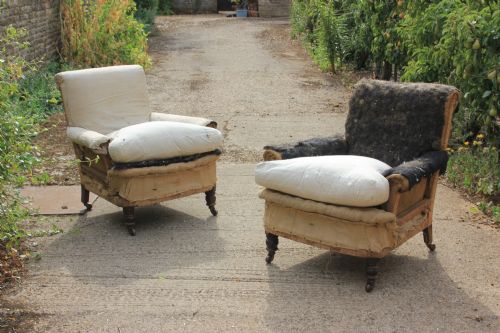
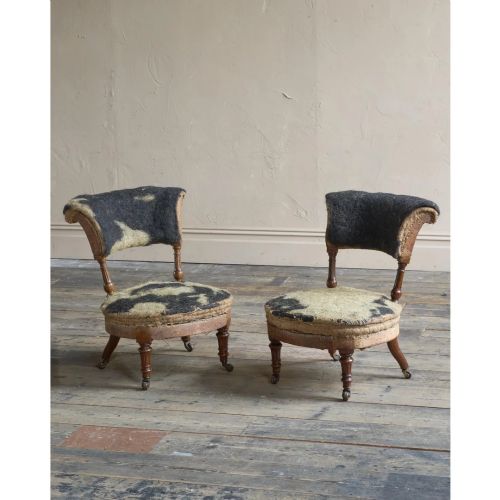
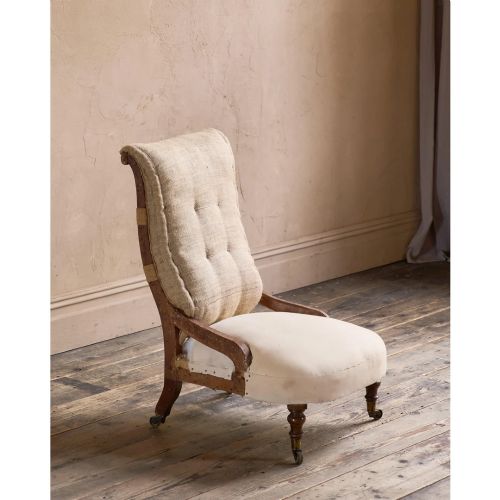
Internal stuffing relied on traditional materials including horsehair and webbing beneath foundational layers of calico and hessian. Final coverings utilised fabrics like velvet and leather, frequently secured with deep buttoning.
Listings feature walnut, mahogany, rosewood, and oak frames paired with traditional upholstery foundations like calico, hessian, and horsehair.
What varies in quality
The distinction between standard output and superior examples rests in the crispness of the timber carving and the sophistication of the frame silhouette. Pieces attributed to prominent makers exhibit refined proportions and careful joinery that elevate them above simpler workshop production.
Quality also manifests in the integrity of the internal stuffing and the execution of complex upholstery details such as buttoned backs and fringing. A well-constructed frame supports durable comfort and retains its intended posture over generations of use.
Howard and Sons·Gillows·Hampton and Sons
The Victorian Low Seat Chair Glossary
- Nursing chair
- A low-seated chair historically designed for feeding infants or general bedroom use. These pieces feature compact dimensions and low backs.
- Slipper chair
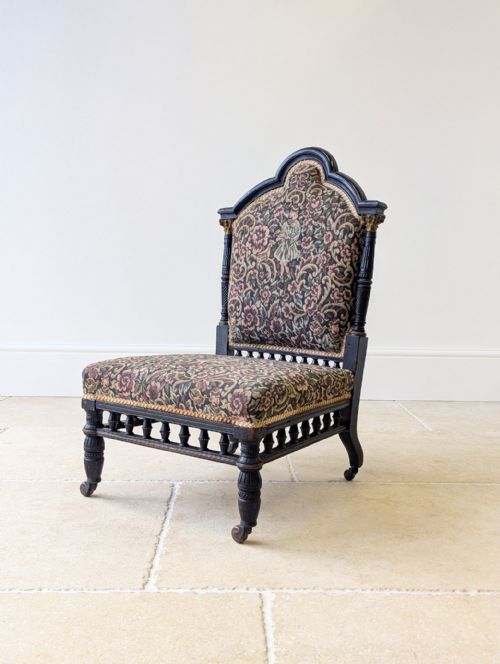
- An upholstered chair with a low seat, originally kept in a bedroom for changing shoes. They typically lack arms to accommodate voluminous nineteenth-century garments.
- Button back
- An upholstery technique where indentations are formed by pulling stitches tightly through the stuffing to secure fabric in a geometric pattern. This method adds structural tension and decorative depth.
- Bobbin framing
- A type of furniture turning where the wood is shaped to resemble a string of beads or bobbins. This decorative detail is common on late nineteenth-century chairs.
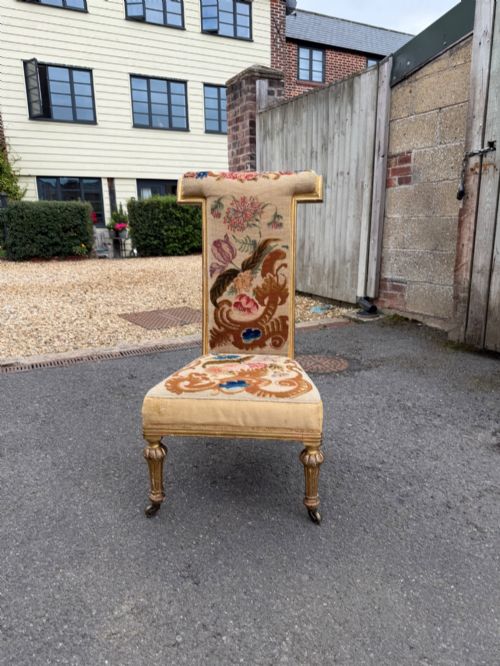
- Prie Dieu
- A devotional chair featuring a high, narrow back designed for kneeling and prayer. These items date primarily to the mid-nineteenth century.
Victorian Low Seat Chair: Frequently Asked Questions
What is a victorian low seat chair used for?
These pieces were originally designed for domestic spaces like bedrooms, dressing rooms, and intimate drawing rooms where lower seating heights suited the relaxed posture of the era.
Today, they function well as accent seating in living rooms or bedrooms, offering comfortable proportions without dominating a smaller space.
How do I identify a nursing chair?
Nursing chairs are characterised by their notably low seat, which sits closer to the floor than standard dining or salon chairs. They often feature upholstered backs and lack arms or possess low arms to ease movement.
Many examples also display buttoning and turned wooden legs fitted with brass castors.
Are these chairs comfortable for daily use?
Many nineteenth-century low chairs were built with deep padding and sprung seats designed for relaxation. Their low posture encourages a lounge-like sitting position.
Original internal stuffing can settle over time, so comfort often depends on the condition of the upholstery and whether the piece has been restored.
How do I date a low seat chair?
Dating relies on observing the combination of timber, frame style, and upholstery methods. Mid-nineteenth-century examples frequently use solid walnut or mahogany with carved details, while later Victorian and Edwardian pieces may show aesthetic movement influences or simpler turned framing.
Catalogues and maker stamps, where present, provide further chronological clues.