
Victorian Log Bucket
A Victorian log bucket brings weight and character to a hearth, holding fuel in metal or wood vessels crafted to endure decades of fireside service.
Victorian Log Bucket
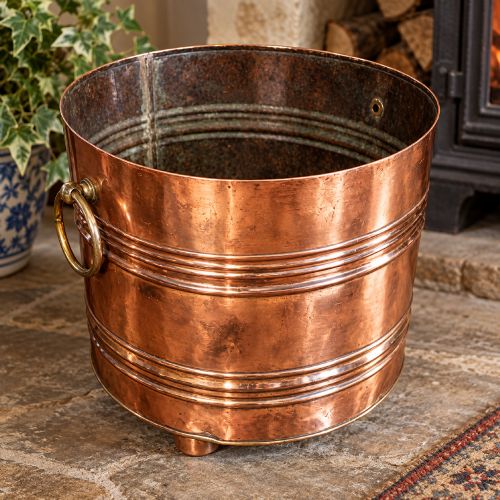
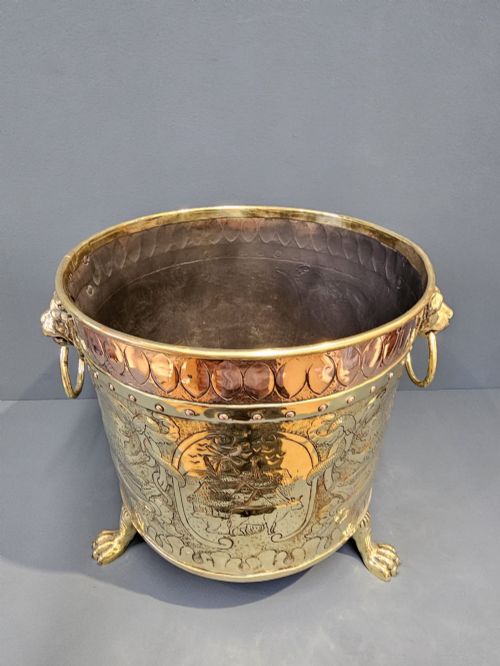
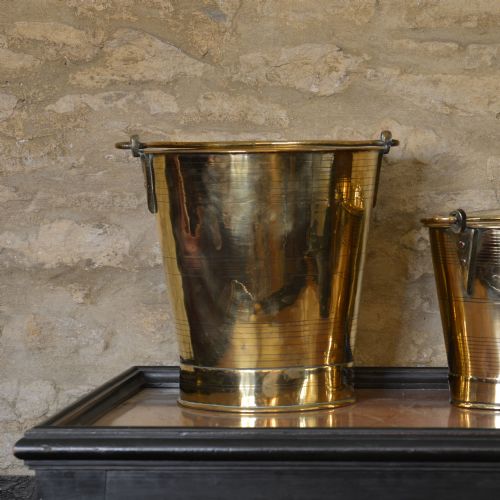
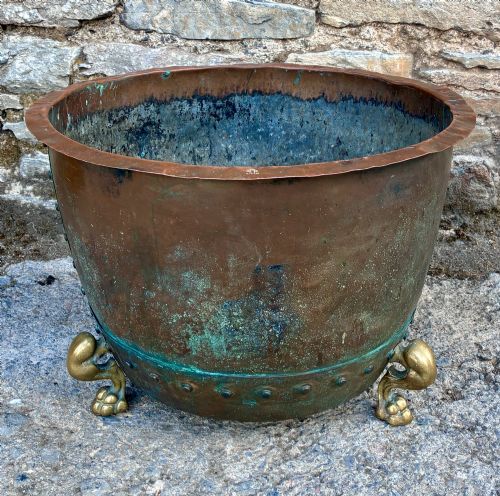
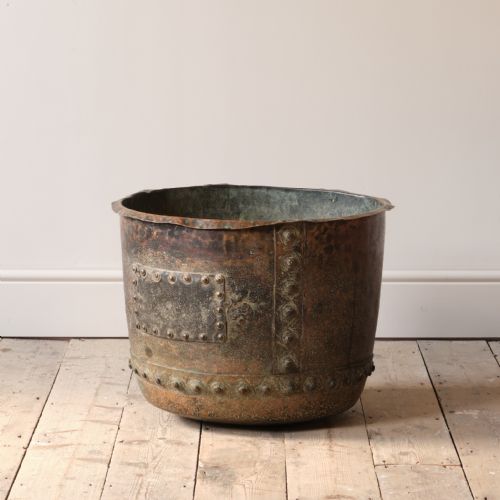
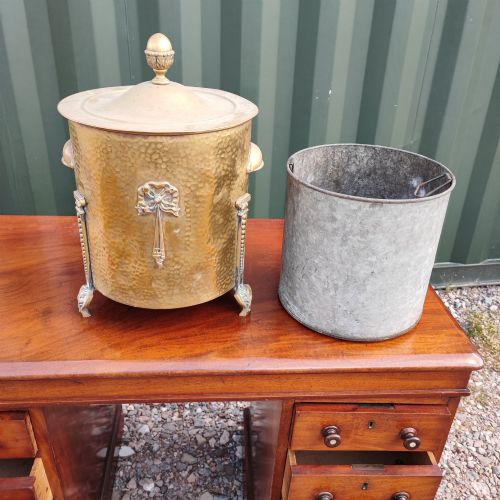
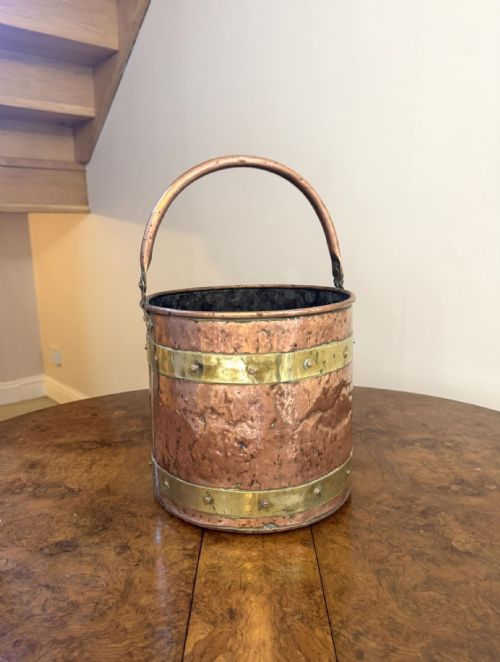
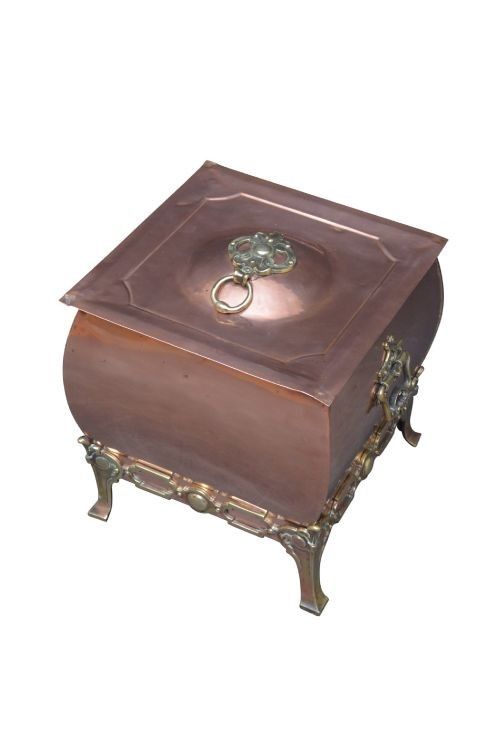
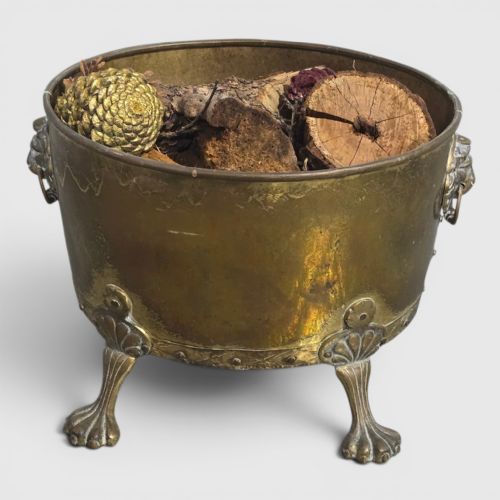
The version most commonly met on this page is the cylindrical brass or copper bin, often reinforced with iron handles, swing bails, or contrasting metal bands. Many examples bridge the gap between heavy utility and decorative interior pieces.
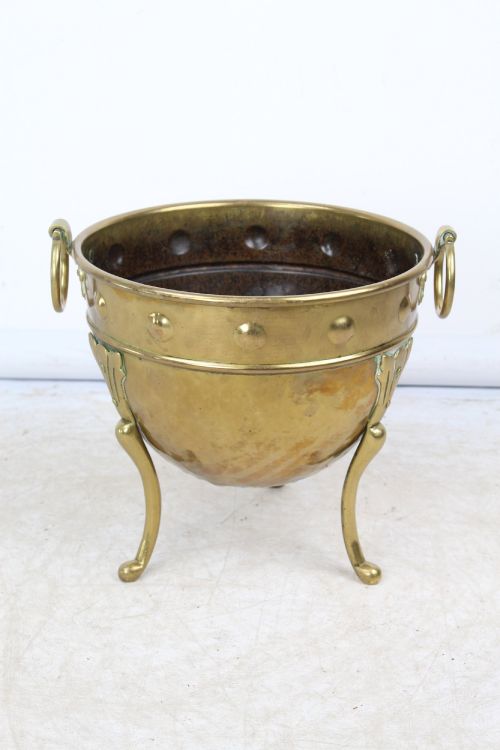
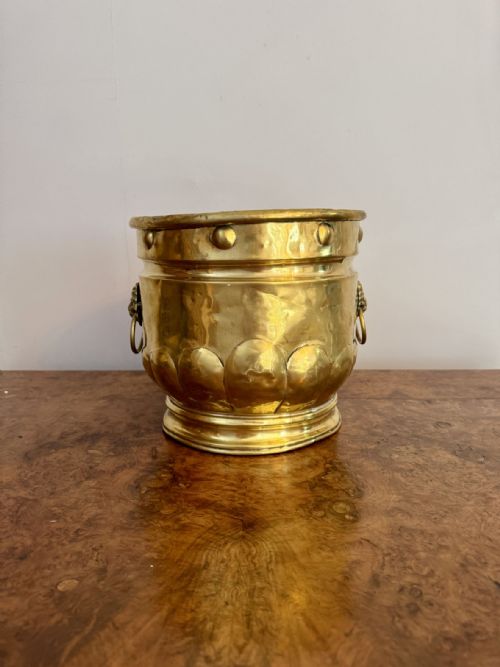
Makers adapted these containers into planters, jardiniere vessels, and champagne coolers, reflecting a nineteenth-century versatility that extends beyond simple fireside storage.
How they were made
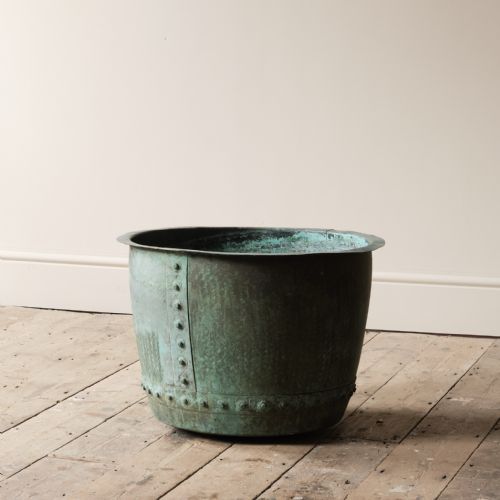
Metal vessels rely on hand-hammered sheets, riveted seams, and soldered joints, combining copper and brass with iron handles or bands. Smiths utilised heavy gauges of metal to withstand the daily strain of hauling heavy loads of coal and logs.
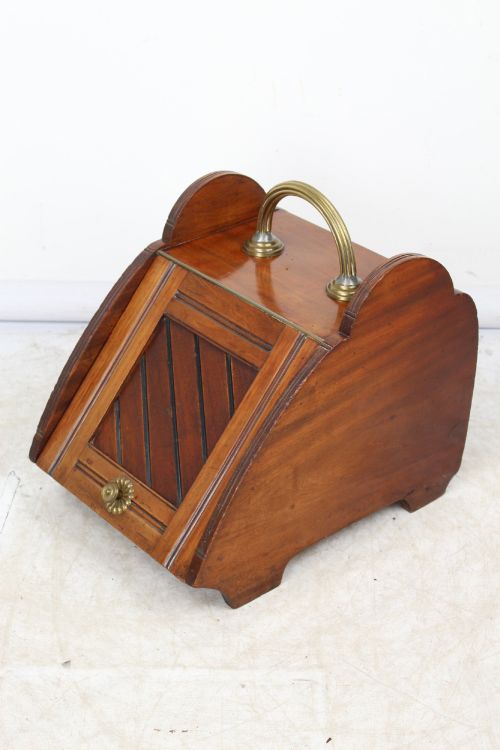
Wooden bins utilise coopered stave construction, binding segments of oak or mahogany with tight metal hoops to create solid, watertight cylinders. Liners of metal frequently protected the timber base from moisture and ash.
Surface finishes range from polished brass to embossed panels, applied crests, and hand-finished patination achieved through centuries of use and maintenance.
Listings feature vessels constructed from brass, copper, iron, oak, and mahogany across the Victorian era and the Arts and Crafts movement.
What varies in quality
Gauge thickness separates heavier, resilient metalwork from thinner sheets that dent easily under weight. Solid construction relies on tight riveting and robust handles firmly anchored to the body rather than soldered joints.
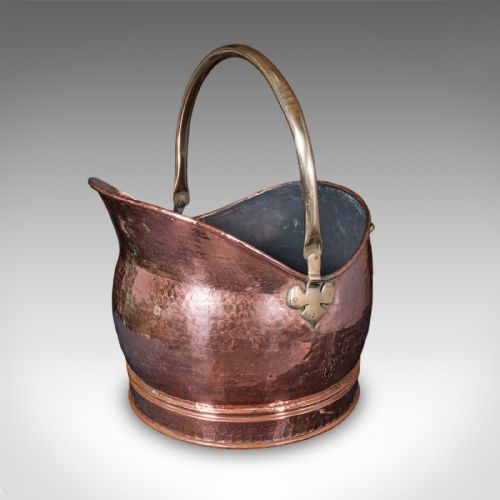
The crispness of hand-hammered texturing, detailed embossing, and crisp crests distinguish exceptional workshop production from plain utilitarian stamping. Proportions and the integration of contrasting brass bands dictate visual balance.
In wooden examples, tightly fitted coopered staves with intact original liners demonstrate superior joinery compared to later repairs or mismatched components.
Henry Loveridge
The Victorian Log Bucket Glossary
- Coopering
- The method of forming wooden buckets or barrels from curved staves bound together by metal hoops. This technique ensures a strong cylindrical vessel capable of holding heavy loads of timber.
- Jardiniere
- An ornamental pot or stand for displaying plants or flowers inside a room. Victorian examples often double as log bins or heavy metal waste vessels.
- Helmet scuttle
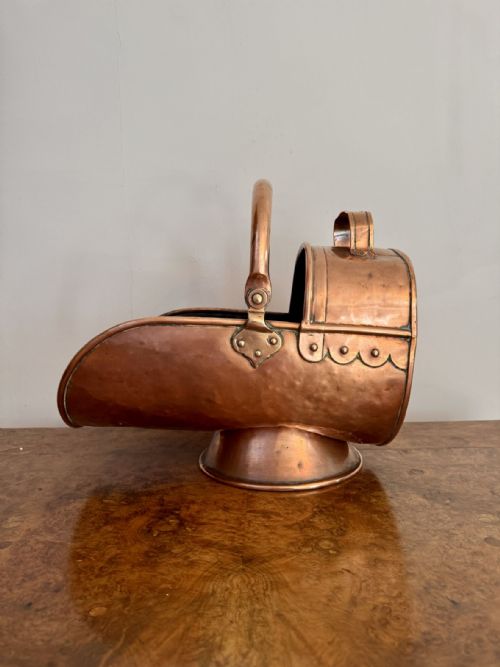
- A coal container featuring a flared, asymmetrical mouth resembling a classical helmet, designed for pouring fuel cleanly onto a fire. These pieces usually include a fixed rear handle and a swinging upper bail.
- Cauldron
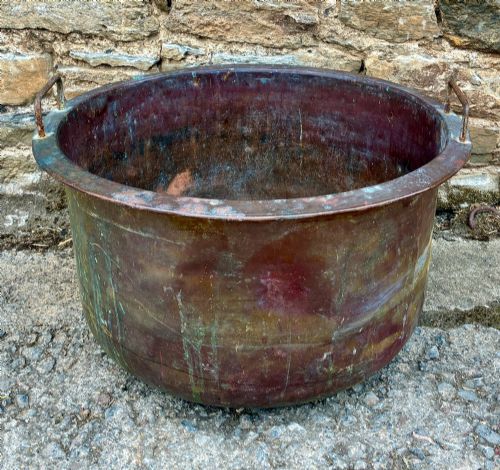
- A deep, round metal vessel with a rounded base, frequently fitted with swing handles or cast feet. They appear in brass or copper for hearth use.
- Bail
- A semicircular handle attached to opposite sides of a bucket or bin for lifting. Sturdy iron or brass bails are essential for carrying heavy fuel loads.
Victorian Log Bucket: Frequently Asked Questions
What is the difference between a log bucket and a coal scuttle?
A log bucket is typically a wide, straight-sided cylindrical vessel designed for stacking logs and heavy timber. Coal scuttles often feature helmet shapes or spouts intended for pouring loose fuel directly into a grate.
Both items served as essential fireside accessories throughout the nineteenth century, though their distinct forms reflect the different physical properties of wood and coal.
Were these vessels used only for fireside fuel?
Nineteenth-century households adapted these durable metal and wooden containers for multiple domestic tasks beyond storing coal or firewood. Surviving examples frequently double as umbrella stands, large planters, and wine coolers.
Their robust construction made them suitable for heavy farm or country house duties, transitioning easily between utility spaces and principal rooms.
How do I maintain a copper or brass log bucket?
Routine maintenance involves dusting with a soft cloth and occasionally cleaning the metal with a suitable polish if a bright finish is preferred. Many collectors prefer to leave the aged, darkened patina undisturbed.
Wooden staves benefit from occasional conditioning to prevent the timber from drying out, while metal liners should be kept free of damp ash to avoid corrosion.
How can I tell a Victorian piece from a later reproduction?
Authentic nineteenth-century examples display hand-cut rivets, heavy gauge metals, and natural wear patterns consistent with decades of manual use. Construction marks, such as hand-hammering variations and authentic patination, offer reliable indicators of period manufacture.
Edges and joins on older pieces show the slight irregularities characteristic of hand craftsmanship rather than modern mass production.