


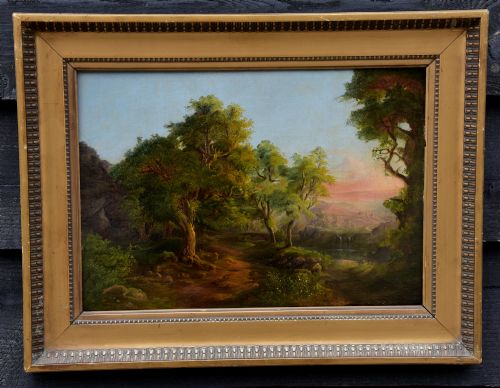
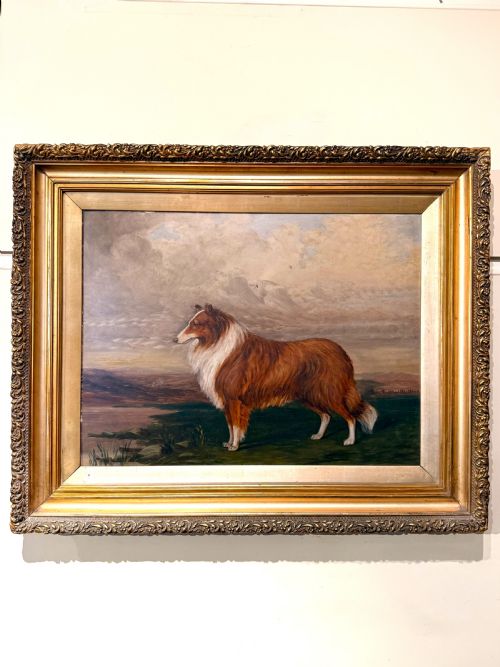
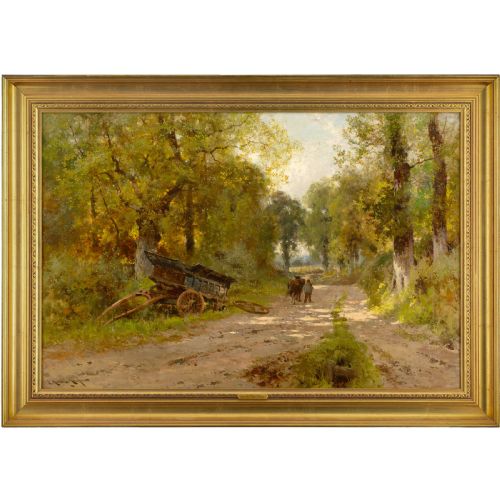
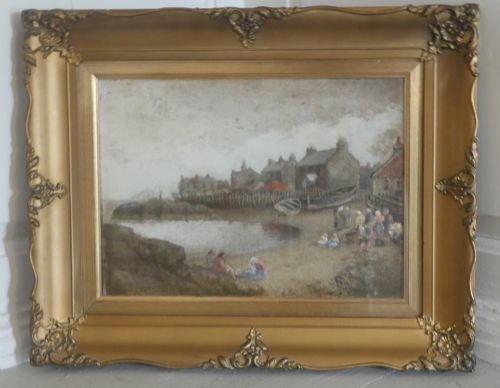

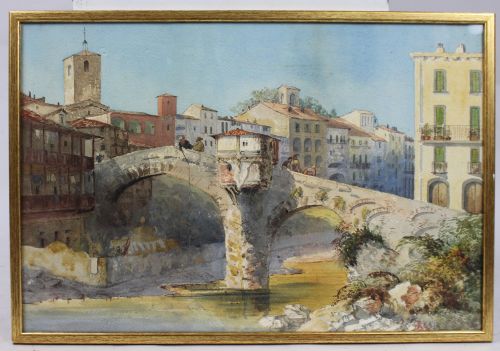
Victorian Landscape Wall Art
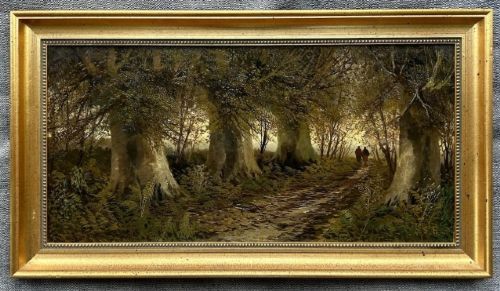
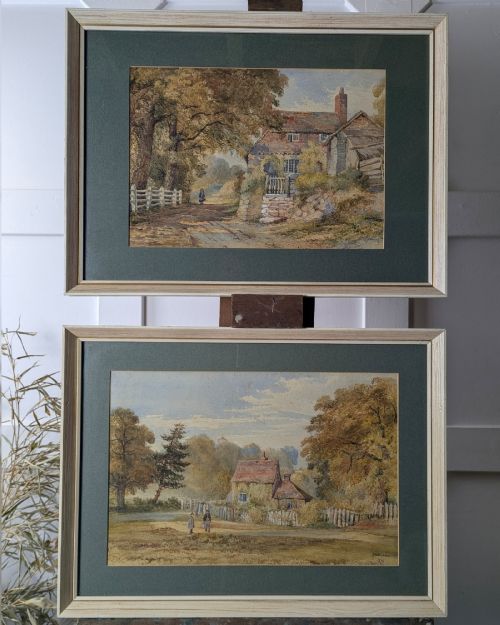
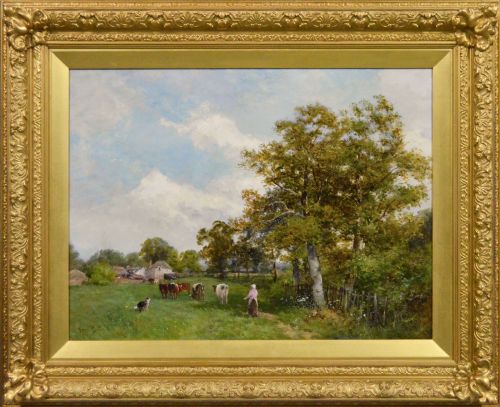
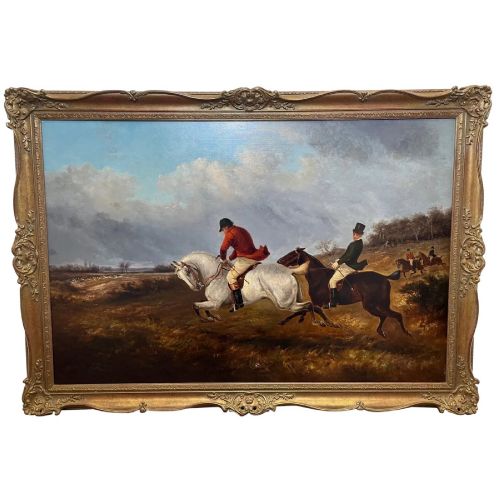
Victorian landscape wall art brings nineteenth-century pastoral views and river scenes into modern rooms through original oils and watercolours.
Victorian Landscape Wall Art
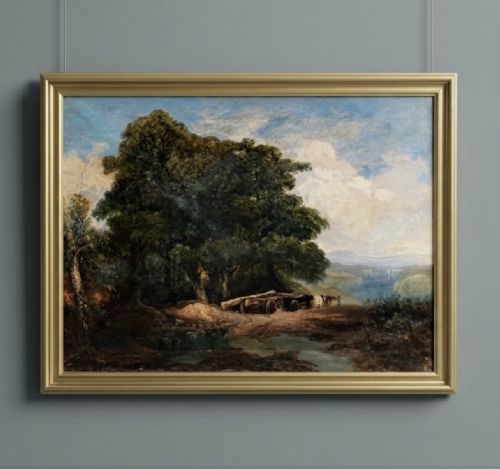
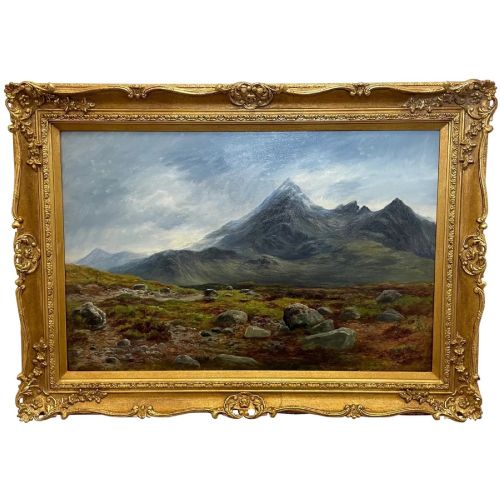
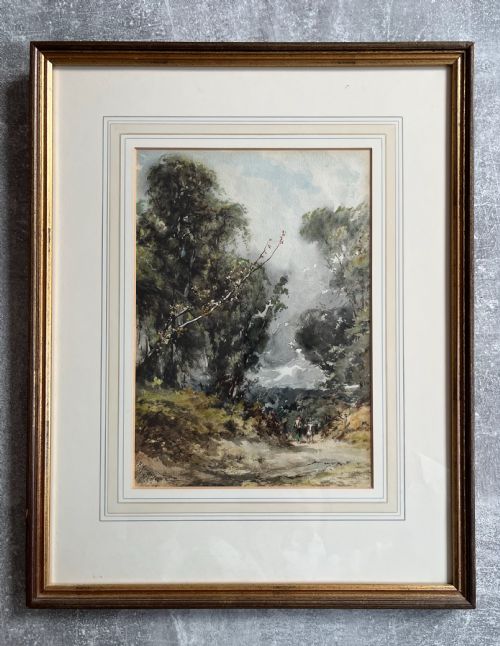
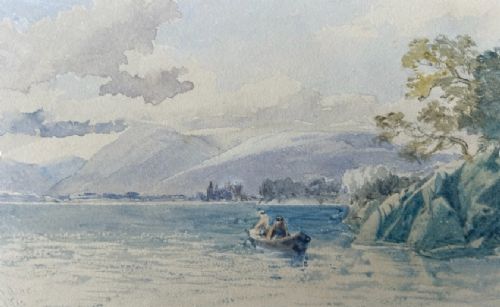
Victorian landscape wall art encompasses nineteenth-century oil paintings and watercolours depicting Scottish mountains, river scenes, and rural farmyards. These works capture the natural world through the lenses of British and French realism, ranging from intimate watercolours to very large framed canvases.
The selections available here lean heavily into pastoral subjects, featuring horses, historic castles, and tranquil riverbanks. Realist depictions from artists active between the eighteen-fifties and the Edwardian era dominate the forms you meet on this page.
Buyers seeking this phrase typically encounter framed artwork executed by listed artists who documented British and continental countryside. The period output runs from quiet morning moods by rivers to expansive architectural prospects set within manicured parklands.
Materials and construction
Painters of this period applied oil paint or watercolour onto prepared canvas and paper supports. Canvases are frequently stretched over wooden frames and housed within heavy gilt wood surrounds that reflect nineteenth-century framing conventions.
Pigments were worked with brushes to build atmospheric depth, capturing light on water, foliage, and stone architecture. Signed works and dated compositions demonstrate traditional academic training in handling oil and watercolour media.
Victorian Landscape Wall Art Retail Price Guide 2026
Typical asking prices for victorian landscape wall art among the pieces listed under this phrase on Sellingantiques today, from the lower quarter to the upper quarter. They describe what is for sale here now, not the wider market.
Listings span the nineteenth and early twentieth centuries, featuring works executed in oil on canvas, watercolour on paper, and framed within gilt wood.
Assessing quality and execution
Superior examples demonstrate confident brushwork and sophisticated handling of natural light, particularly in complex atmospheric effects like morning mist or shaded woodland. The ambition of the composition, from a simple river bend to a detailed architectural prospect with working figures, dictates the standing of the piece.
The integration of the artwork with its original or period gilt wood frame contributes significantly to the integrity of the object. Masterful draughtsmanship and documented provenance elevate certain works above standard decorative landscapes of the era.
William Beattie-Brown RSA·George Fotherly Hargitt·Albert Rieger·John Linnell·Stuart Lloyd·Robert Thomas Buttery·Thomas Creswick RA
The Victorian Landscape Wall Art Glossary
- Canvas
- A heavy woven fabric stretched across a wooden frame to serve as a support for oil paint. It provides a textured surface that absorbs layers of pigment.
- Gilt wood
- Wood carved and coated with gold leaf or metallic paint to form decorative picture frames. This finish was standard for framing fine art during the nineteenth century.
- Oil paint
- A slow-drying medium made by mixing pigments with oils such as linseed. It allows artists to achieve rich colour saturation and subtle tonal gradations.
- Watercolour
- A painting method in which pigments are suspended in a water-based solution, typically applied to paper. It produces translucent washes of colour well suited to atmospheric views.
- Realism
- An artistic movement focused on depicting subject matter truthfully without artificiality. Nineteenth-century practitioners rendered rural scenes and natural topography with close attention to observable detail.
Victorian Landscape Wall Art: Frequently Asked Questions
How should I hang these heavy gilt frames?
These framed canvases and watercolours require secure fixings into wall studs or appropriate masonry anchors due to the substantial weight of the wood and plaster frames.
Ensure the hanging wire or brackets on the reverse match the load capacity to protect both the artwork and the wall surface.
Were these paintings always framed in gilt wood?
Gilt wood surrounds were the standard choice for exhibiting fine art during the nineteenth century, designed to complement the tones within the oil or watercolour.
Many surviving pieces retain their period frames, though some may have been reframed or regilt over the decades.
How do I care for antique oil on canvas?
Keep nineteenth-century canvases away from direct sunlight and fluctuating humidity to prevent the oil paint from cracking and the canvas from slackening.
Dust the surface and the gilt frame gently with a soft, dry cloth without applying cleaning liquids or pressure to the paint layer.