

Victorian Landscape Picture
A victorian landscape picture brings the nineteenth-century countryside, river and coastal view onto the wall through oil and watercolour.
Victorian Landscape Picture
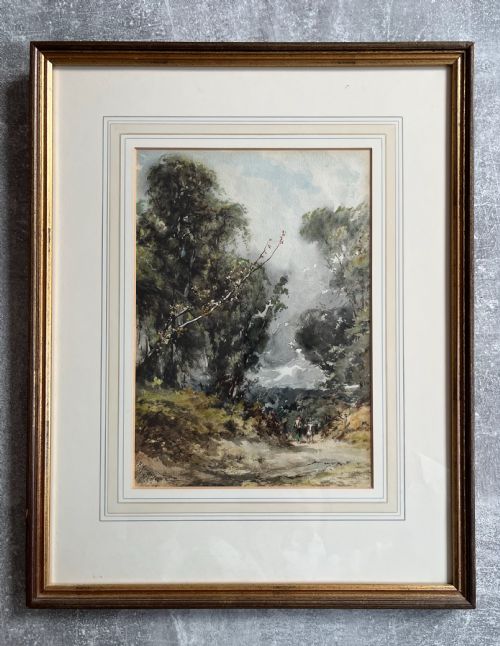
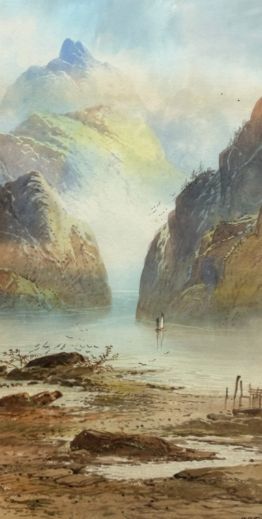
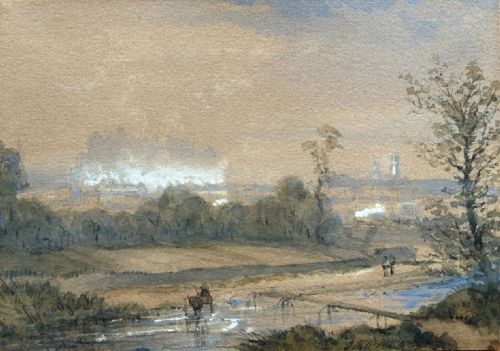
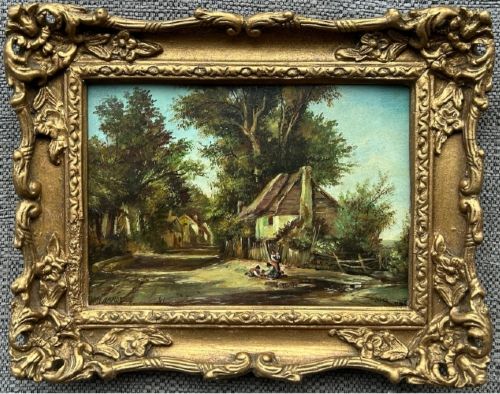
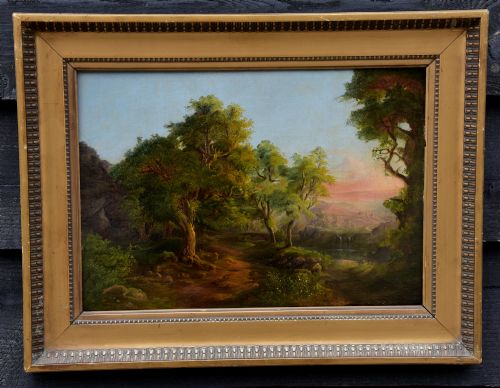
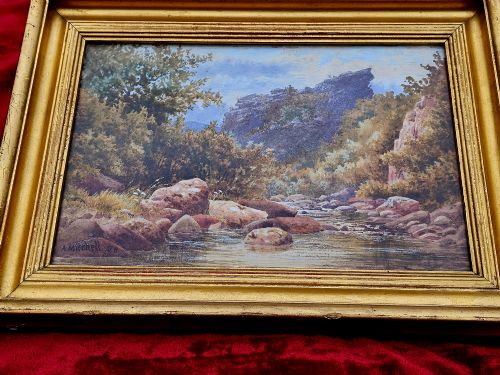
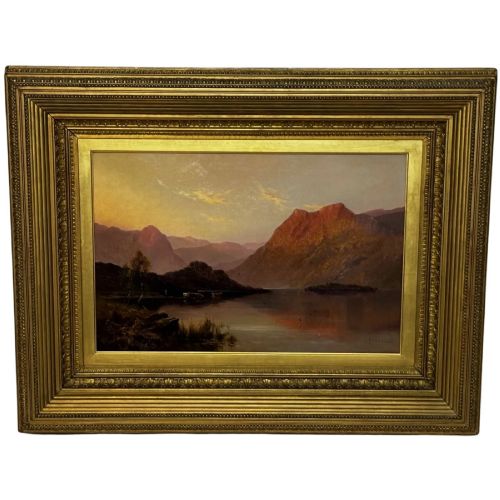
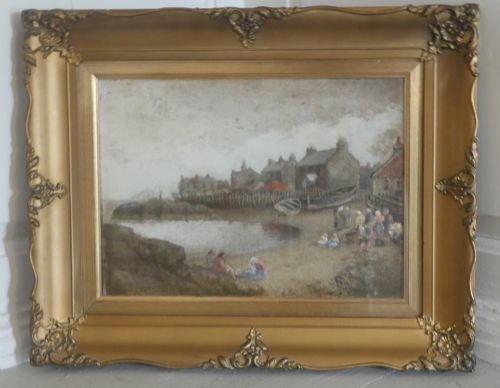
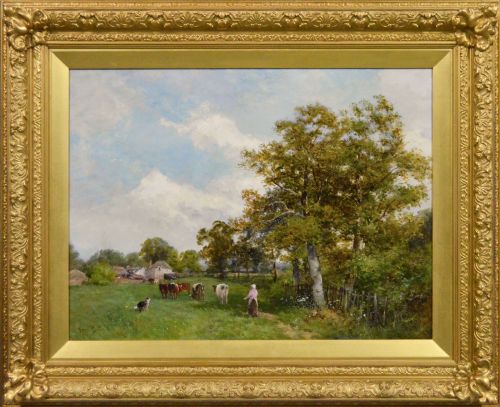
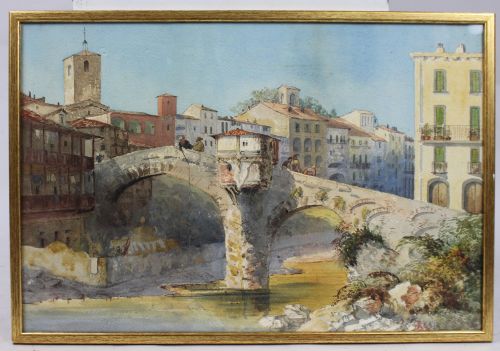
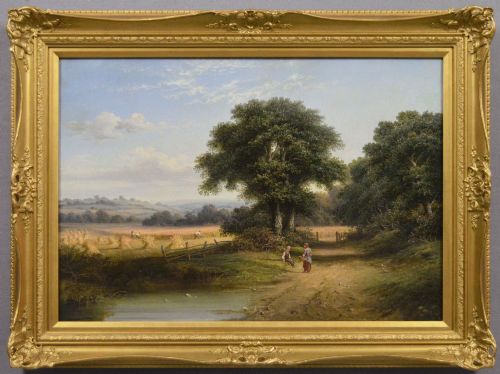
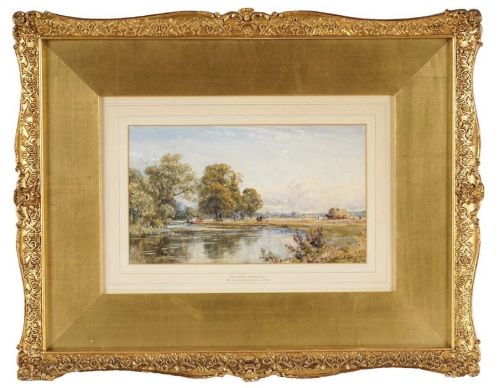
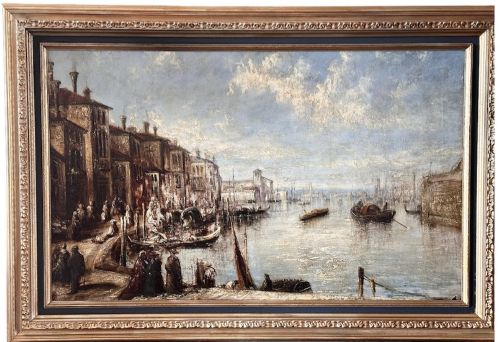
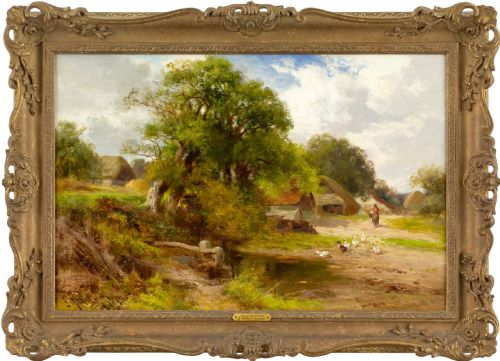
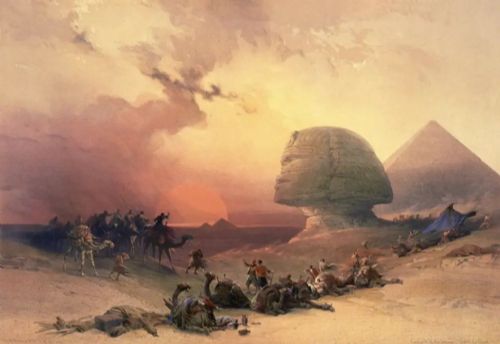
A victorian landscape picture encompasses framed paintings, watercolours, and works on paper depicting rural scenes, rivers, lochs, and coastal views. The selections on this page span the nineteenth century into the Edwardian era, showing British and European scenery executed by named artists and regional schools.
Buyers encounter both intimate watercolours intended for domestic interiors and large oil paintings on canvas or panel designed for principal rooms. The subjects range from pastoral farmland and Highland cattle to Italianate vistas and Venetian water scenes.
Works appear under object types such as wall art, oil paintings, and fine art, reflecting the diverse output of artists working between eighteen sixty and nineteen hundred. Many pieces preserve specific topography, from Scottish river valleys to Welsh mountain passes.
How They Were Made
Painters utilised oil on canvas, panel, or board, building rich textures and atmospheric light through layered application. Watercolours on paper capture luminous skies and translucent water, frequently finished with delicate brushwork.
Works are housed in period frames of gilt wood or giltwood, protecting the paper or canvas beneath glass where watercolours are concerned. Artists signed and dated their compositions directly on the surface or mount, documenting the production period.
Listings feature works spanning the nineteenth century, Victorian era, and Edwardian period, executed in oil and watercolour on paper, canvas, and panel.
What Varies In Quality
The distinction between ordinary and superior pieces rests upon the confidence of the brushwork and the handling of natural light. Master practitioners render atmosphere, foliage, and water with economy and precision, whereas lesser works rely on repetitive formula.
Condition and originality dictate the standing of a piece within its period. Intact surfaces retaining their original gilt frames and clear artist signatures hold greater visual coherence than heavily restored examples.
George Fotherly Hargitt·William Henry Earp·John R Prentice·Alfred Young Nutt·William Howard Hardy·Alfred Fontville de Breanski Jr·Edward Mills·David Bates·Walter Heath Williams·Francis Moltino·John Horace Hooper·David Roberts·Frederick Walker·Frederick James Kerr·Albert Rieger·Charles Leslie·Henry Yeen King·Robert Watson·Henry Martin Pope·William Greaves·Henry Schouten·Herman S Melville·George Stanfield Walters·Charles Edward Wilson·William R Hoyles
The Victorian Landscape Picture Glossary
- Oil on Canvas
- A painting medium where pigments are suspended in drying oils and applied to stretched woven fabric. This technique allows for deep colour saturation and rich surface texture.
- Watercolour
- A painting method where water-soluble pigments are applied to paper. It yields translucent washes of colour well suited to atmospheric landscapes.
- Panel
- A rigid support for painting, typically constructed from wood. It offers a stable surface favoured by artists for smaller, detailed works.
- Giltwood
- Timber carved and coated with a thin layer of gold leaf or metallic powder. It provides the decorative framing standard for nineteenth-century fine art.
- Mezzotint
- A printmaking process of the intaglio family where the surface is roughened and then smoothed to produce tones. It creates subtle gradations of light and dark in pictorial works.
Victorian Landscape Picture: Frequently Asked Questions
How do I care for a watercolour painting?
Watercolours require protection from direct sunlight to prevent fading of the pigments and discolouration of the paper support. Glazing helps shield the delicate surface from airborne pollutants and moisture.
Display the work on interior walls away from direct heat sources and significant humidity fluctuations. Professional framing using acid-free materials ensures long-term preservation.
Are most of these pieces signed?
Many examples bear the artist signature, initials, or date inscribed directly onto the painted surface or mount. Signatures provide key evidence for attribution and dating within the nineteenth century.
Unsigned works often reflect the output of regional British schools or studio practice, attributed through stylistic comparison and contemporary framing.
What is the difference between oil and watercolour?
Oil paintings utilise pigment bound in drying oil applied to canvas or wood panel, producing opaque coverage and tactile texture. They are typically displayed without glass protection.
Watercolour works employ water-soluble pigments on paper, resulting in translucent washes and lighter effects. These require framing under glass to prevent surface damage.