



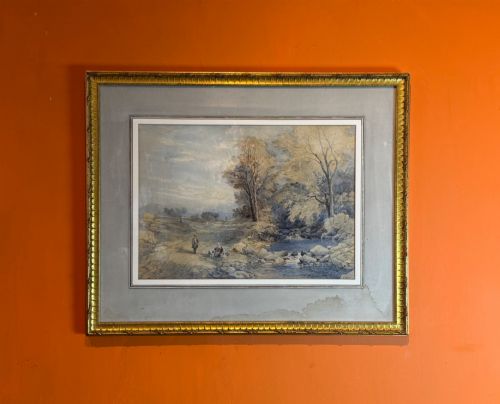
19th Century English Watercolour
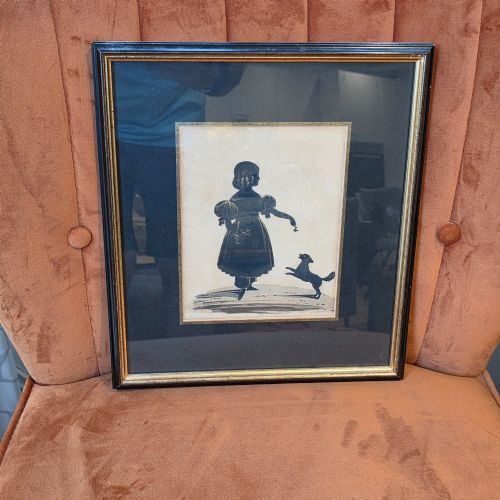
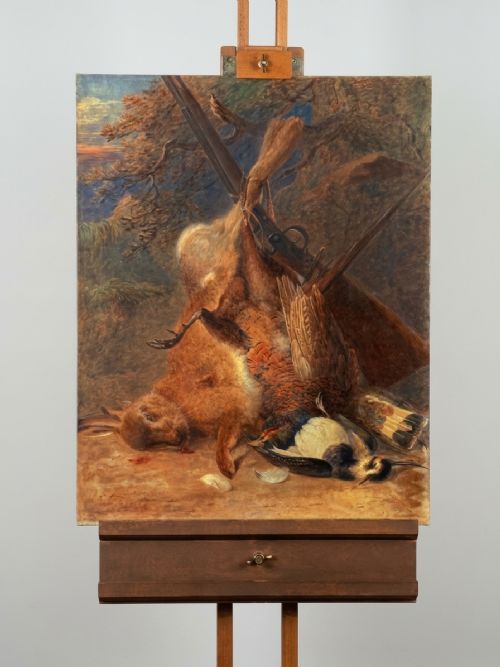
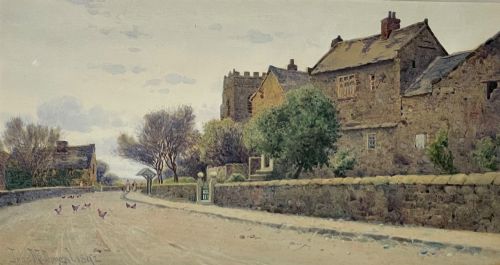
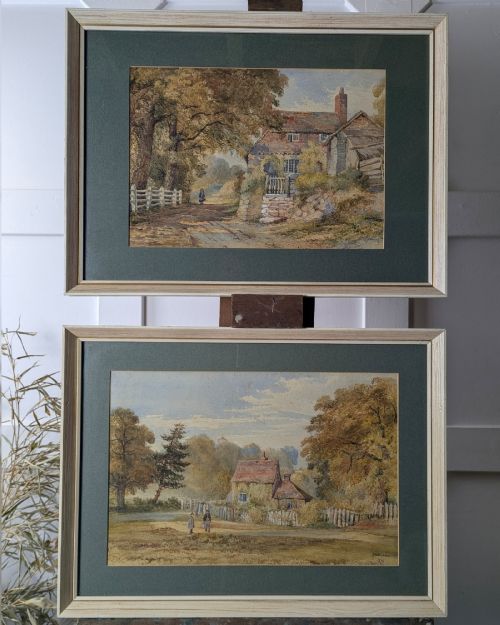
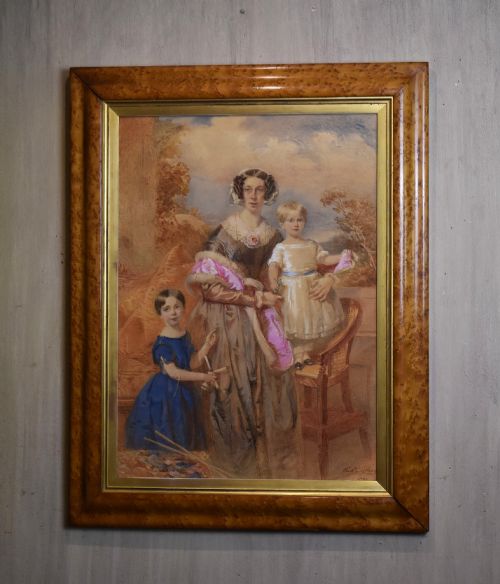
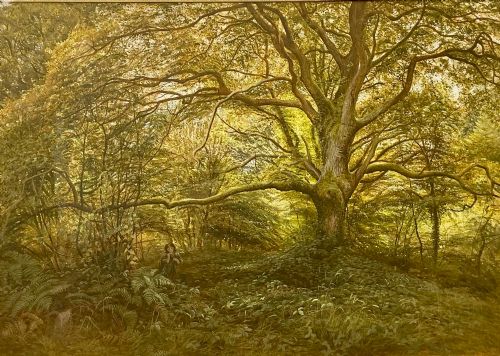
These works capture 19th century english watercolour tradition, offering intimate glimpses into pastoral landscapes, coastal scenes, and domestic portraiture that enrich any interior.
19th Century English Watercolour
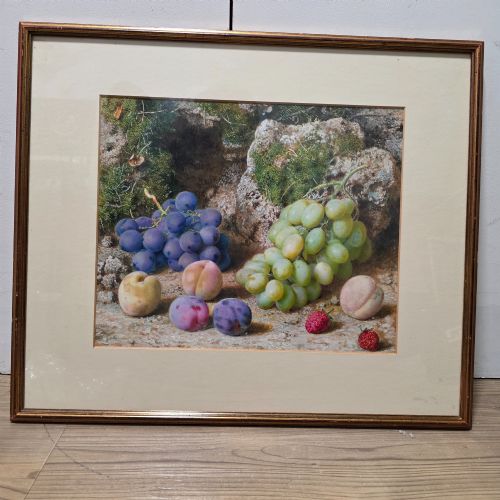
A 19th century english watercolour represents a paper-based painting executed during the Victorian era, spanning tranquil rural riverbanks, dramatic coastal harbours, and detailed botanical studies.
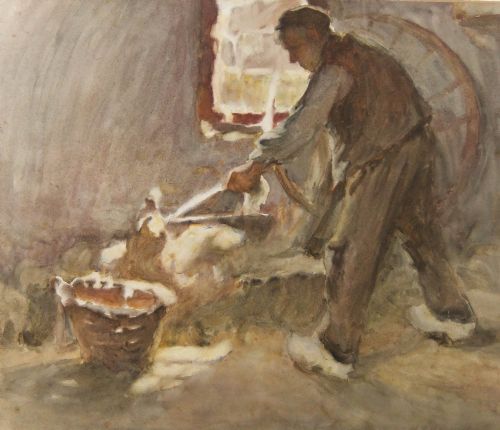
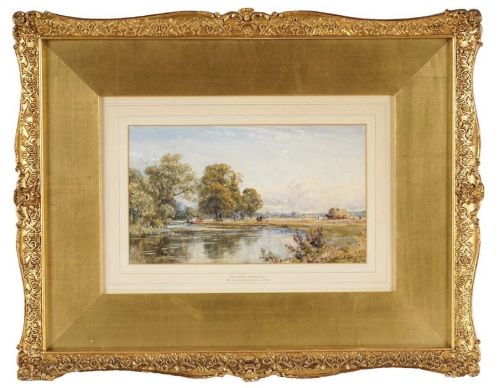
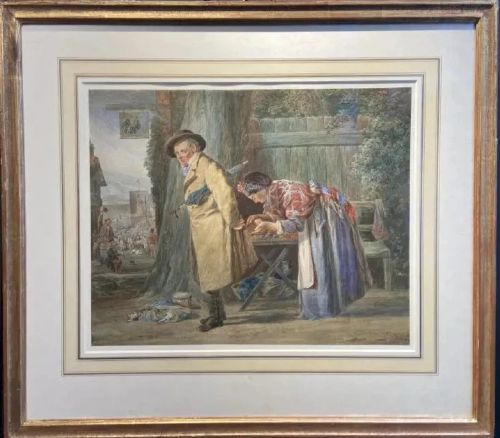
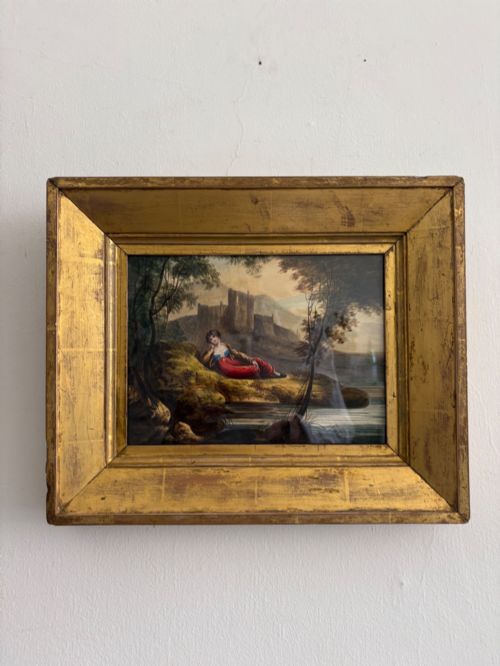
Buyers encounter subjects ranging from expansive British landscapes and castle prospects to genre scenes of country life, often housed within period gilt frames.
Many surviving examples originate from named artists working within regional schools or exhibiting at major galleries, while others remain attributed to skilled anonymous hands of the period.
How They Were Made
Artists applied transparent watercolour pigments onto heavyweight rag paper, sometimes building opacity with bodycolour or gouache to heighten specific areas of light.
Detail work frequently incorporated delicate pencil underdrawing and graphite sketching beneath the wash, establishing precise architectural perspectives and natural forms.
Finished sheets were mounted behind glass within moulded wood and gilt frames to protect the delicate water-soluble pigments from atmospheric moisture and handling.
19th Century English Watercolour Retail Price Guide 2026
Typical asking prices for 19th century english watercolour among the pieces listed under this phrase on Sellingantiques today, from the lower quarter to the upper quarter. They describe what is for sale here now, not the wider market.
The archive records Victorian landscape paintings alongside botanical studies in pencil, watercolour, and gouache.
What Varies in Quality
Mastery of pigment handling distinguishes exceptional sheets from routine topographical sketches, seen in how transparent washes retain luminous atmospheric depth without muddying.
The sophistication of composition and sureness of brushwork separate accomplished professional artists from provincial amateurs, particularly in challenging subjects like figures and moving water.
Survival of original colour vibrancy and the preservation of the paper support without excessive fading or foxing define the premier tier of surviving works.
William James Hubard·George Sydney Shepherd·James Orrock·Alfred Young Nutt·John McDougal·William Banks Fortescue·Henry Silkstone Hopwood·Vincent Clare·Robert Thorne Waite·Joseph H Barnes·Frederick Tatham·Bonomi Edward Warren·John Sherrin·David Cox·Charles Henry Slater·Herman S Melville·James Hayllar·Thomas Cooper Moore·Philip Richard Morris·John Bedloe Goddard·Charles Gregory·Alice Anne Renshaw·Robert Little·Harry Wanless·Henry John Kinnaird
The 19th Century English Watercolour Glossary
- Bodycolour
- An opaque watercolour paint mixed with white pigment, known as gouache, used to create solid highlights and dense areas of tone. It allows artists to work from dark to light on tinted papers.
- Gilt frame
- A wooden picture frame coated with a thin layer of gold leaf or metallic gilt, typical of Victorian presentation. These ornate surrounds often feature decorative moulding and corner ornaments.
- Provincial
- Pertaining to art produced outside London, recording local towns, countryside, and regional figures. These works offer authentic documentation of nineteenth-century British life away from the capital.
- Genre scene
- A painting depicting subjects from everyday life, such as market vendors, blacksmiths, or children playing. These narratives provide valuable social history regarding Victorian dress and occupation.
19th Century English Watercolour: Frequently Asked Questions
How should I hang watercolour paintings?
Watercolours are sensitive to prolonged direct sunlight, which causes the delicate pigments to fade over time. Position them on interior walls away from direct windows and sources of high humidity such as kitchens or unventilated bathrooms.
Ensure each piece is framed behind glass with adequate spacing between the paper surface and the glazing. This prevents condensation from adhering to the delicate painted pigments.
What subjects are most common?
British landscape views dominate the period, featuring rivers, coastal harbours, and mountain ranges from Wales to the Scottish borders. Pastoral scenes depicting haymaking, country cottages, and livestock remain widely available.
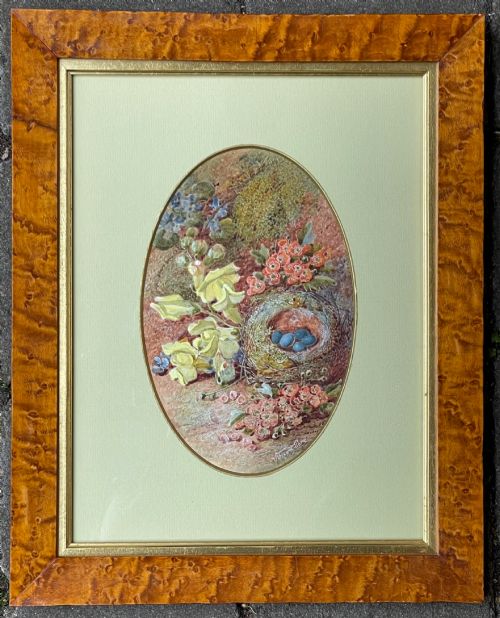
Portraiture and botanical studies also appear frequently, capturing individual sitters, family groups, and detailed floral arrangements executed with scientific precision.
How do I identify a Victorian frame?
Nineteenth-century frames typically utilise moulded wood finished with gesso and gold leaf, often showing distinct hand-carved corner ornamentation or compo decoration. The reverse side usually displays old framer labels, exposed handmade wood joinery, and oxidized fixings.
Original glazing often shows minor bubbles, waviness, or imperfections consistent with nineteenth-century glass production techniques.
What is the difference between watercolour and bodycolour?
Traditional watercolour utilises transparent washes of pigment where the white of the paper shines through to provide luminosity. This technique creates subtle atmospheric effects in skies and water.
Bodycolour incorporates white pigment mixed into the paint, producing an opaque finish similar to gouache. Artists used this method to apply bright highlights and solid details over darker washes.