


Traditional River Scene
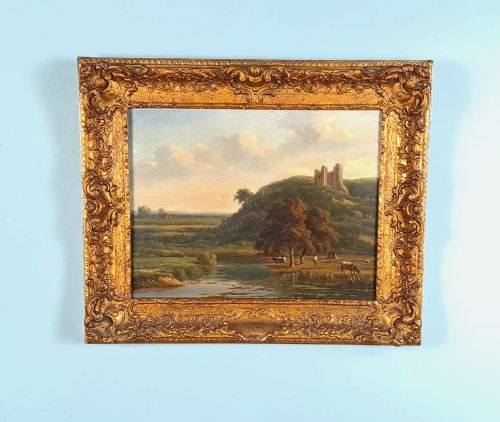
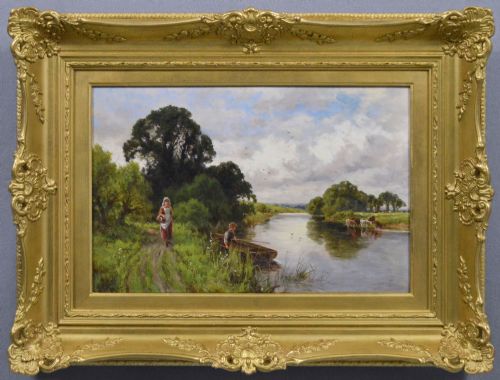
A traditional river scene captures the enduring appeal of pastoral waterways, bringing nineteenth-century riverbanks and pastoral settings into domestic spaces through period paintings.
Traditional River Scene
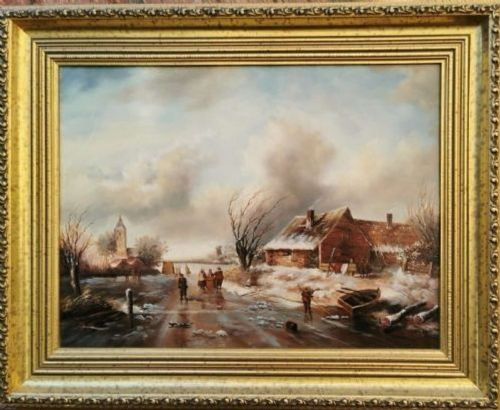
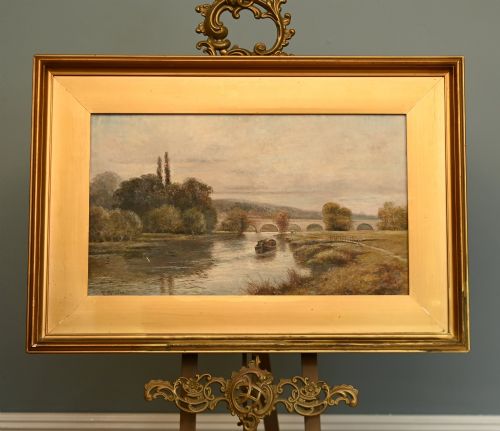
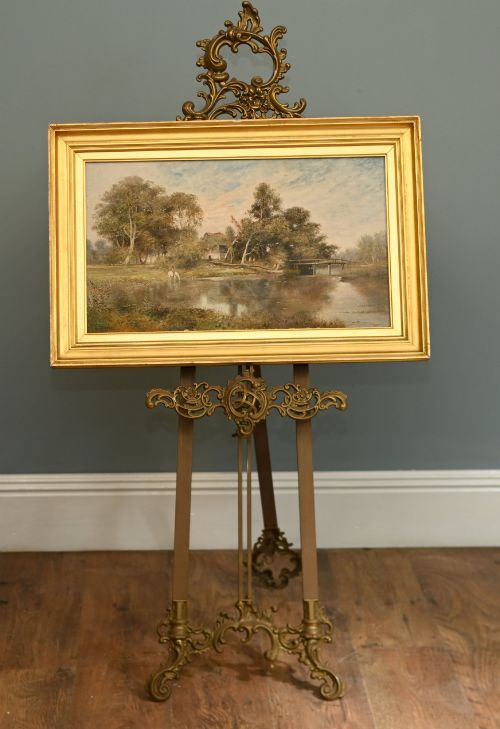
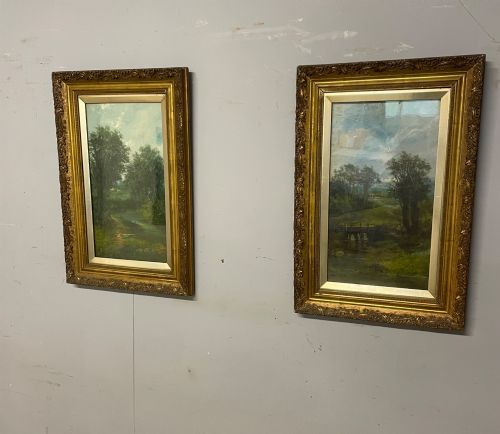
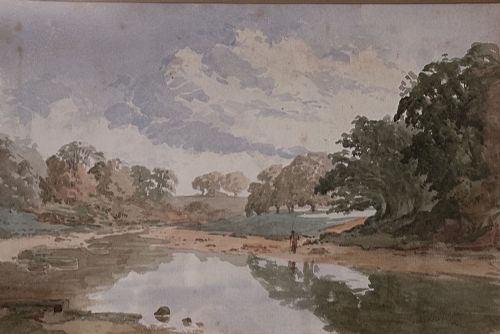
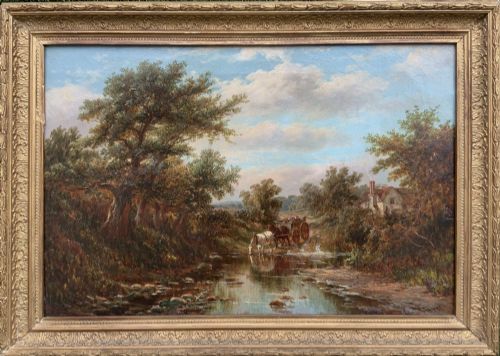
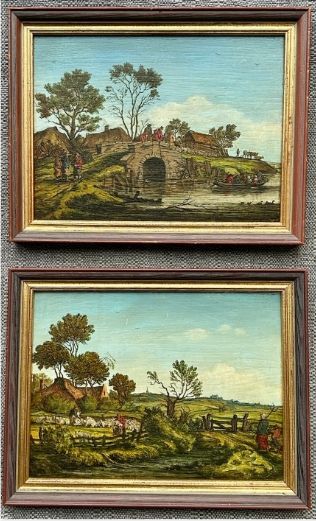
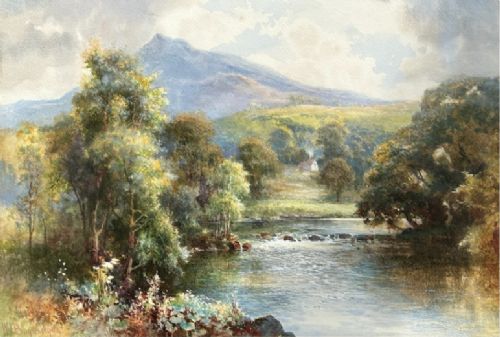
A traditional river scene comprises framed artworks depicting waterways, riverbanks, and pastoral vistas, typically originating from the eighteenth, nineteenth, and early twentieth centuries. These works frequently record specific British and European locations, including the Thames, Welsh rivers, and Dutch waterways.
The selections on this page appear primarily as original oil paintings and watercolours, rendered on canvas, wood panels, paper, or card. Buyers encounter both signed works by known artists and pieces attributed to British and European schools.
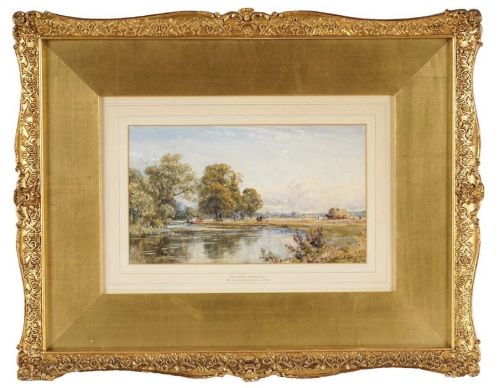
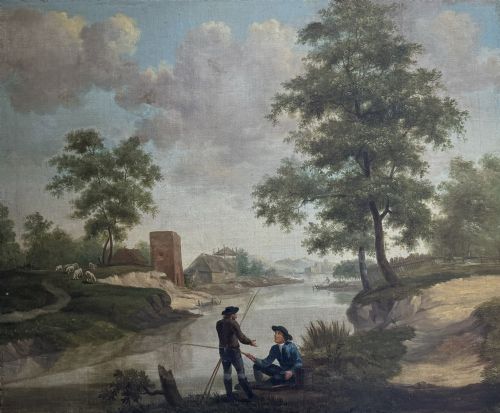
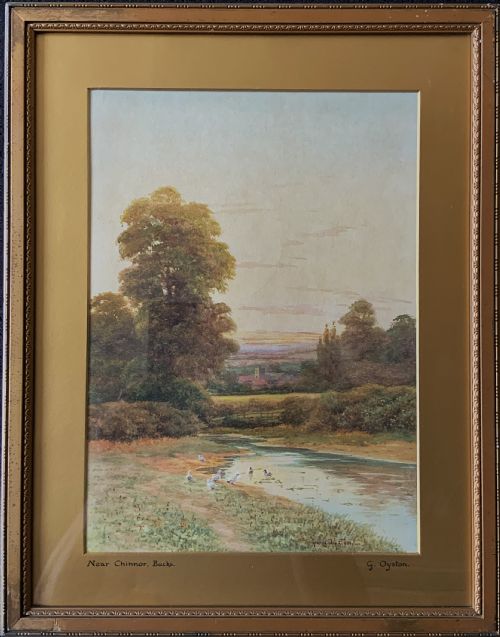
Compositions range from intimate watercolours of backwaters and locks to broader canvas oils depicting sunset vistas, windmills, and figures engaged in fishing or boating. Each piece reflects the period preference for naturalistic landscape representation.
Materials and Methods
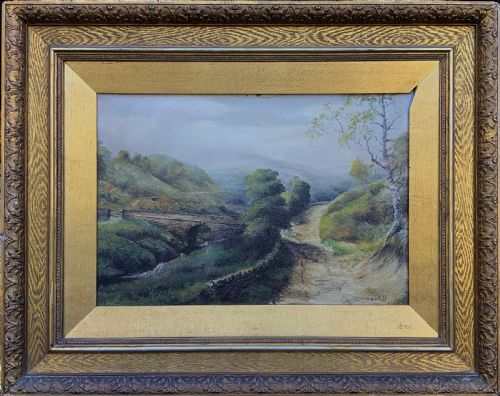
Artists working on these landscapes utilised oil paint on stretched canvas or wood panels, alongside watercolours applied to heavy paper stocks. Canvas works rely on gesso grounds to prepare the surface, whilst panel paintings employ wooden supports.
Framing materials reflect the period of creation, incorporating gilded wood and gesso frames that complement the painted surface. Pigments are handled with varying degrees of impasto, particularly in oil compositions, whilst watercolours rely on transparent washes and paper opacity.
Qualities of Execution
Technical proficiency in brushwork and atmospheric perspective distinguishes finer compositions from simpler decorative watercolours. Superior pieces demonstrate precise control over light, reflection on water, and spatial depth.
Condition of the medium and the retention of the original gilt frame influence the integrity of the piece. Works retaining clear artist signatures, documented locations, and stable paint layers without extensive overpainting command greater interest from collectors.
George Graham·Alfred Young Nutt·William Joseph Boyes·Robert Thorne Waite·George Oyston·T C Hofland·Henry H Parker·David Cox·T. Bergman·Sydney Yates Johnson·Hubert Wellington·Archibald Kay·Thomas Baker·Henry John Kinnaird·Thomas Bush Hardy·J. Phipps·Thomas Spinks·David Watts·J Laporte·Walter J Watson·James Gunson Atkinson·Robert Winchester Fraser·Benjamin Williams Leader·William Pitt·Frederick Waters Watts
The Traditional River Scene Glossary
- Oil on canvas
- Pigments suspended in drying oils applied to a woven fabric support. This combination allows for rich colour blending and textured brushwork.
- Watercolour
- Pigments suspended in a water-soluble vehicle applied to paper. It creates luminous, transparent washes characteristic of nineteenth-century British landscape art.
- Giltwood
- Wood carved and coated with gold leaf or metallic powder. This material forms the traditional ornate framing for period oil paintings.
- British School
- A designation for works produced by artists trained or working within Britain. It groups unsigned or lesser-documented pieces by regional origin and stylistic period.
- Gesso
- A paint mixture consisting of a binder mixed with chalk, gypsum, or pigment. It prepares rigid panels and wooden frames before gilding or painting.
Traditional River Scene: Frequently Asked Questions
What periods do these river scenes cover?
The works span from the eighteenth century through the Victorian era and into the early twentieth century. Most pieces reflect nineteenth-century and Edwardian approaches to landscape painting.
Specific dates on signed works often place them between the early eighteen-hundreds and the nineteen-twenties. Victorian and British School examples dominate the available selection.
How were these watercolours and oils framed?
Period works typically feature giltwood or gesso frames designed to complement the palette of the painting. These frames often show period craftsmanship consistent with the age of the artwork.
Original frames contribute to the historical integrity of the piece, though many canvases and watercolours have been reframed over the decades.
Where do these river locations originate?
Locations recorded in the titles include specific British waterways such as the Thames, the River Conwy, the River Severn, and Welsh valleys. European locations like Dutch winter landscapes and Dutch waterways also appear.
Artists frequently inscribed titles or locations on the reverse of the canvas or within the margin of the watercolour paper.
How do I distinguish watercolours from oils?
Watercolours are executed on paper under glass, utilising translucent washes of pigment that allow the texture of the paper to show through. They capture delicate atmospheric effects and lighter river mists.
Oil paintings utilise heavier pigments on canvas or wood panels, presenting a textured surface with visible brushstrokes. They offer deeper colour saturation and greater opacity.