




Victorian Kitchen Cookware
Victorian kitchen cookware brings heavy copper saucepans, tiered pan stands and intricate jelly moulds into the modern home for daily use or display.
Victorian Kitchen Cookware
Victorian kitchen cookware encompasses the heavy metal vessels and storage stands used in nineteenth-century domestic spaces for food preparation and cooking. When searching for victorian kitchen cookware, buyers encounter utilitarian copper saucepans, large jam pans, and detailed kitchen moulds designed to withstand daily hearth use.
The pieces appearing on this page span the Victorian period alongside earlier Georgian items, featuring substantial metal construction intended for heavy-duty boiling, stirring, and moulding. Forms range from miniature jelly moulds to multi-tiered wrought iron saucepan racks built to hold large collections.
Originating primarily from English kitchens, these items combine solid brass, tin, and copper to create functional objects that now transition easily from historic work spaces to contemporary interior display. The surviving forms reflect the rigorous demands of large country houses and Victorian domestic service.
How they were made
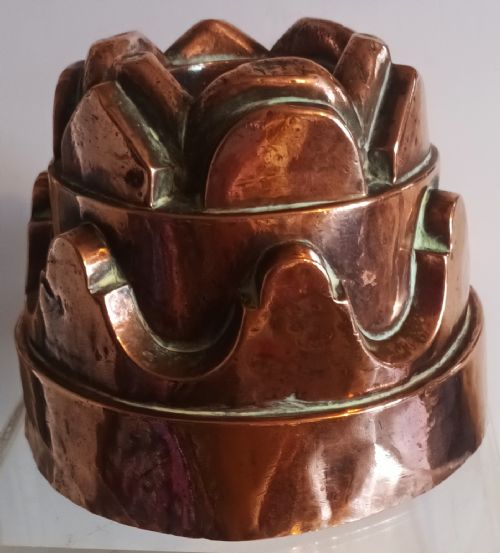
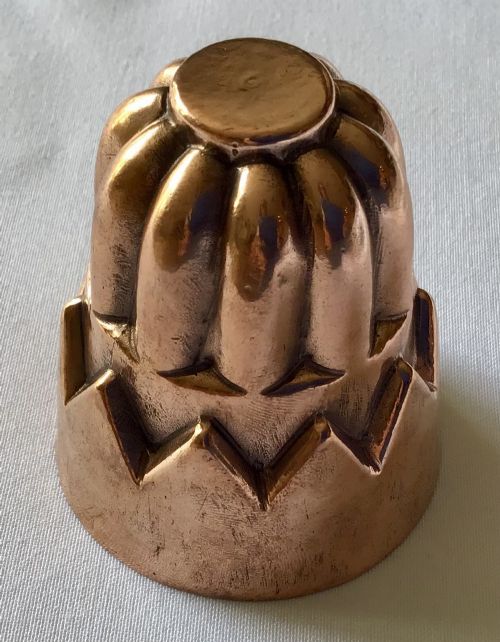
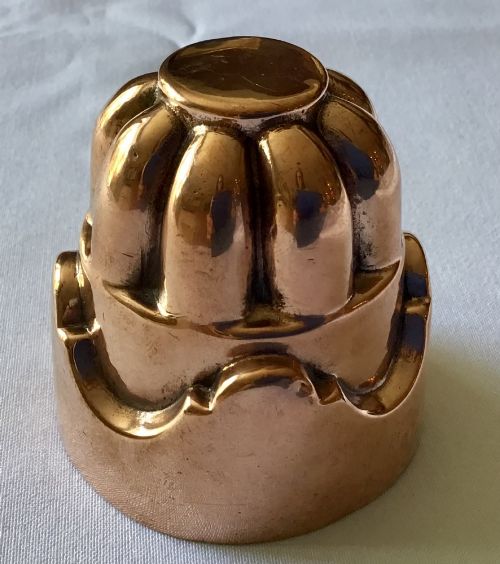
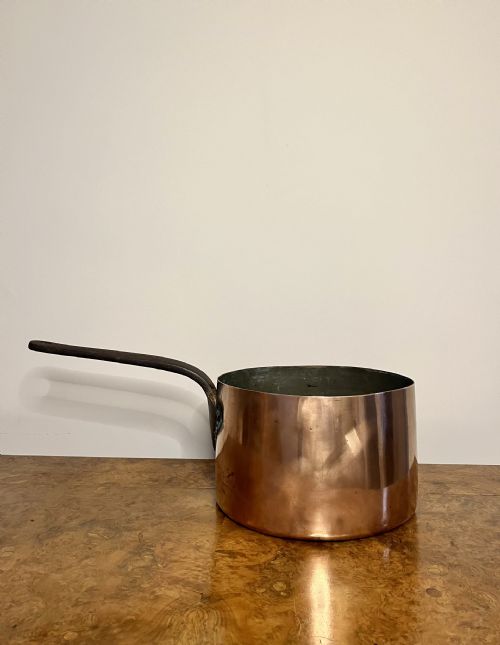
Makers shaped heavy copper sheets by hand, beating the metal over stakes to form deep saucepans and intricate jelly moulds with sharp, clean flutes. Rivets joined handles securely to bodies, while interiors received a protective lining of tin to prevent food from reacting with the copper during cooking.
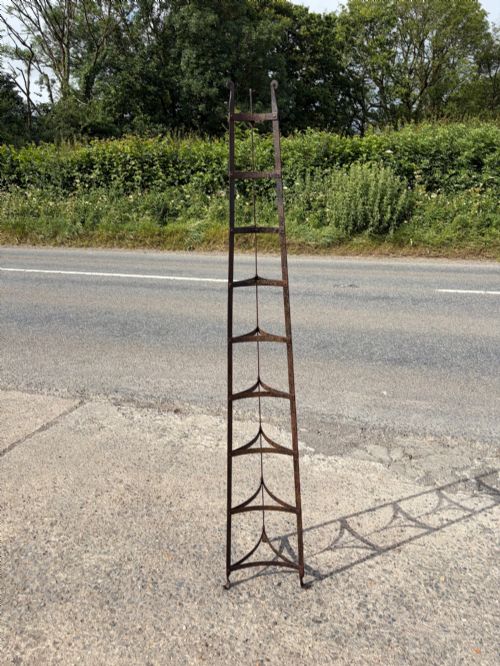
Stands and racks utilised wrought iron and cast iron, forged into rigid tiers and fitted with strong hooks capable of supporting heavy rows of metal cookware. Brass featured in solid cast saucepans, offering high durability and polished surfaces for prominent display on kitchen dressers.
Listings feature copper, brass, iron, and wrought iron shaped into cookware, kitchenware, pan stands, jelly moulds, and saucepan racks from the Victorian and Georgian periods.
What varies in quality
Quality rests in the weight of the metal and the integrity of the original construction, distinguishing heavy-gauge utilitarian pans from lighter decorative pieces. Thicker walls and robust dovetail or riveted joints indicate vessels built for intense service rather than simple ornamental use.
Maker marks add distinction, identifying specialised workshops like Hodges & Sons or patented designs such as Griffiths Patent. The crispness of detail on copper jelly moulds also separates standard kitchen items from exceptional pieces designed for elaborate desserts.
Hodges & Sons·Griffiths Patent
The Victorian Kitchen Cookware Glossary
- Jam pan
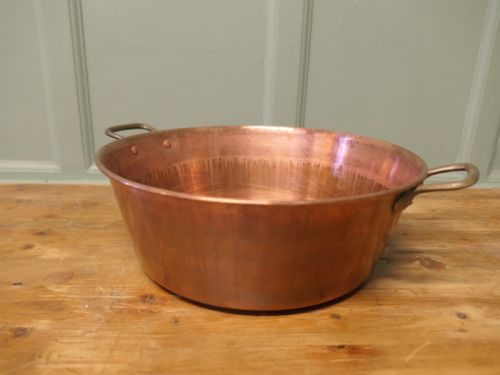
- A wide, open copper vessel with heavy handles used for boiling fruit and sugar over a direct heat source.
- Jelly mould
- A small, patterned metal container used to shape aspics, jellies, and desserts before refrigeration.
- Saucepan rack
- A tiered iron or metal framework equipped with hooks for storing and displaying heavy saucepans.
- Tin lining
- A protective layer applied to the interior surface of copper cookware to keep food safe from toxic reactions.
- Wrought iron
- Tough, fibrous iron heated and beaten by a smith into structural items like pot stands and rack brackets.
Victorian Kitchen Cookware: Frequently Asked Questions
Are these copper pans safe for daily cooking?
Many surviving Victorian copper pans require a fresh tin lining before they can safely come into contact with modern food ingredients during cooking. Buyers often choose to use them purely for display or gentle domestic tasks.
Modern tinners can restore the interior surface if heavy use is intended. Otherwise, their solid construction remains fully capable of handling heat.
How do I clean antique copper cookware?
Traditional copper cleaner removes tarnish and restores the warm metallic glow without scratching the softer metal underneath. Regular polishing maintains the bright finish seen on open display racks.
Avoid harsh abrasive pads that wear away historical surface marks and hand hammering details. A soft cloth and mild paste work best for preservation.
What is the difference between a jam pan and a saucepan?
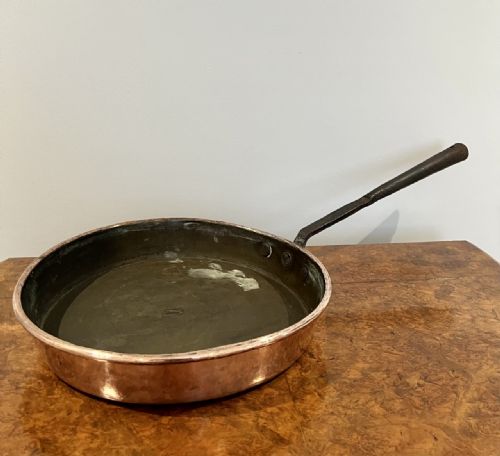
Jam pans feature wide, open tops with shallow sides designed to encourage rapid evaporation when boiling fruit and sugar. Saucepan designs incorporate deeper walls and lidded tops to retain heat and moisture during prolonged simmering.
Both items utilise heavy copper construction to distribute heat evenly across the base. Jam pans usually include large double handles for lifting heavy loads.
How were Victorian jelly moulds used?
Cooks filled the intricate copper moulds with fruit jellies, custards, or savory aspics before chilling them in cold larders. The complex interior designs transferred sharp patterns onto the food when un-moulded for the dining table.
Miniature versions produced individual portions for formal dinner parties. The detailed flutes required skilled hand-shaping during manufacture.