


Victorian Japanese Table
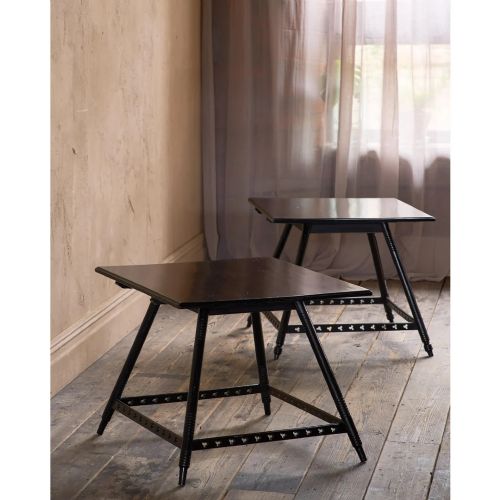
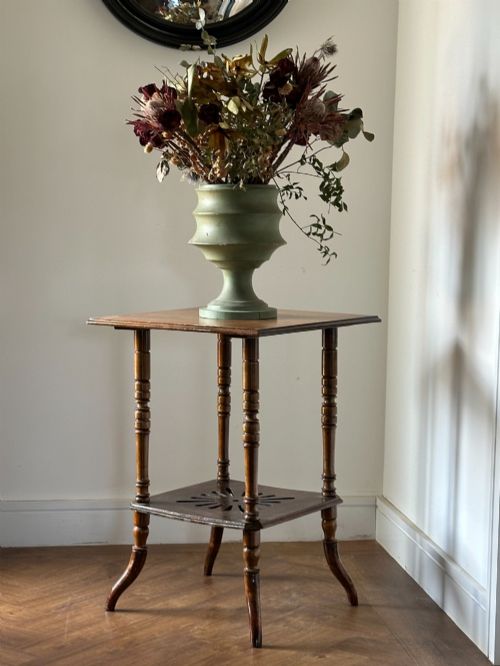
A victorian japanese table brings an exotic decorative flair to a room through bamboo structures, ebonised timber and lacquer.
Victorian Japanese Table
When searching for a victorian japanese table, buyers encounter side tables, occasional tables and centre tables shaped by nineteenth century tastes. These pieces emerge from the Aesthetic Movement, Japonisme and Anglo-Japanese styles popular during the late Victorian era.
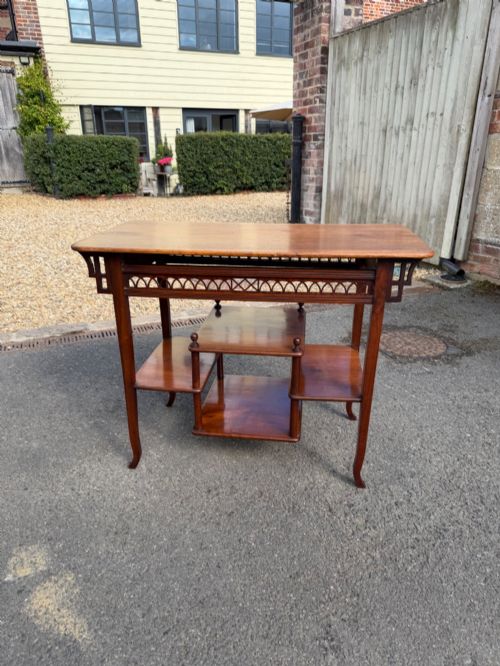
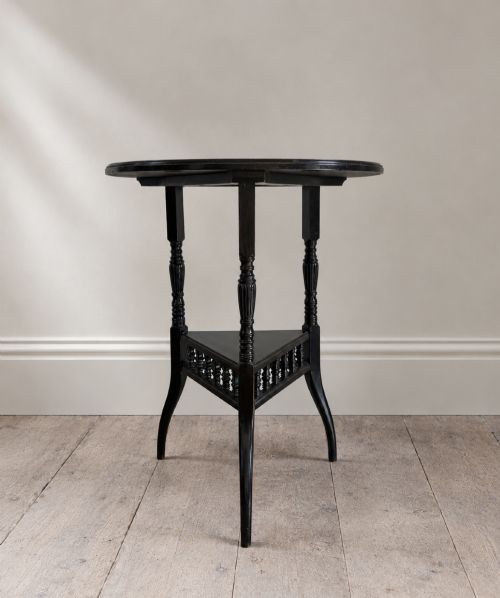
The version most commonly met on this page is the ebonised occasional table or bamboo side table, often reflecting the geometric lines associated with designers like E W Godwin. Such tables served practical domestic functions whilst introducing non-Western design motifs to British interiors.
How they were made
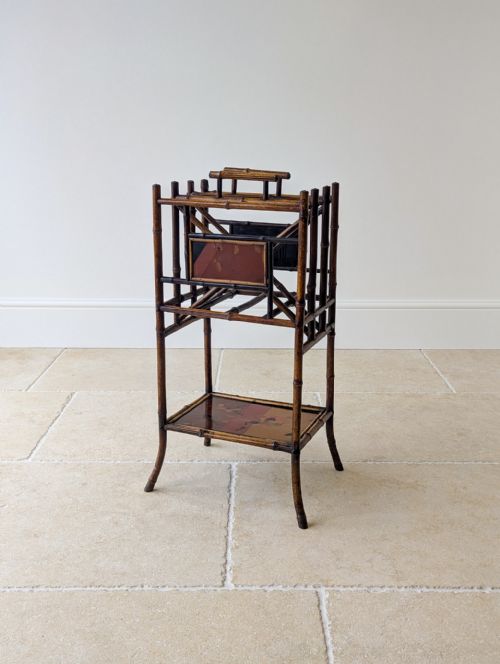
Cabinetmakers utilised ebonised wood, mahogany, rosewood and natural bamboo to construct these frames, frequently combining them with lacquered panels or parquetry. These materials allowed workshops to achieve the dark, contrasting tones favoured by Aesthetic Movement designers.
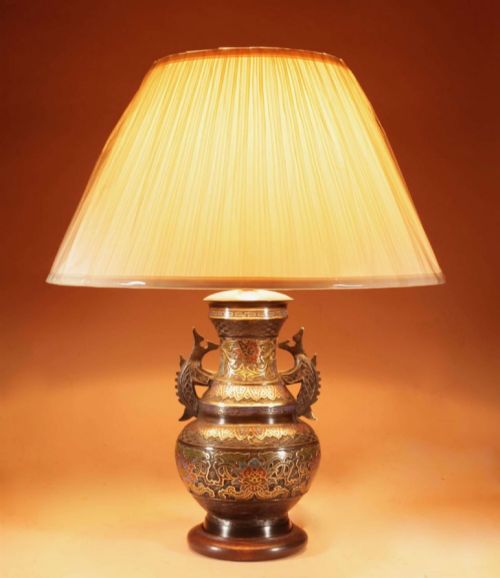
Joinery techniques varied from traditional English cabinetmaking adapted for bamboo framing to precise turnery and ebonising applied to hardwood bases. Artisans also incorporated bronze mounts, champlevé enamels and cloisonne elements sourced from Japanese Meiji period imports.
Occasional tables doubling as dinner gongs proved that Victorians liked their dining announcements served with an unexpected side of bronze.
What varies in quality
Quality rests upon the integrity of the construction and the fidelity of the design to Anglo-Japanese principles, distinguishing ambitious workshop pieces from standard commercial output. Finer examples display rigorous joinery in bamboo or hardwood and retain intact lacquer work and original hardware.
The distinction between ordinary production and superior pieces lies in the subtlety of the surface finish and the balance of proportions. Works attributed to notable makers or specific designers demonstrate a higher standard of decorative detailing in the ebonised surfaces and panel inlays.
Blyth and Son·Liberty and Co·Gabriel Viardot·Minton
The Victorian Japanese Table Glossary
- Ebonised
- Timber treated with a dark finish to imitate ebony wood. This technique was widely utilised during the Aesthetic Movement to create high contrast surfaces.
- Japonisme
- The European fascination with Japanese art and aesthetics that influenced nineteenth century design. It shaped the decorative vocabulary of British furniture and metalwork.
- Canterbury
- A low multi-tiered stand originally designed for holding sheet music or books. In bamboo iterations, it served as a versatile occasional piece.
- Meiji Period
- The era in Japanese history spanning from 1868 to 1912. Export wares from this time frequently found their way into Victorian homes.
Victorian Japanese Table: Frequently Asked Questions
What defines an Anglo Japanese table?
An Anglo Japanese table combines British structural forms with decorative motifs, materials, or asymmetric arrangements drawn from Japanese art. These pieces often employ ebonised wood or bamboo to echo Eastern lacquered furniture.
Designers in the nineteenth century drew inspiration from imported goods, adapting traditional aesthetics to suit contemporary British domestic interiors and habits.
How do I care for ebonised wood?
Ebonised surfaces require gentle dusting with a soft, dry cloth to prevent scratching the dark finish. Avoid exposure to direct sunlight and excessive moisture, which can degrade the polished surface over time.
Applying a minimal amount of appropriate furniture wax can help maintain the sheen of the wood without leaving a heavy residue.
Are bamboo tables structurally strong?
Victorian bamboo furniture is surprisingly resilient when constructed with properly pegged and bound joints. However, natural cane responds to humidity changes, so placing them in stable indoor environments ensures longevity.
They function best as occasional or side tables holding lamps, books, or decorative objects rather than heavy loads.
How can I date a piece?
Dating relies on observing construction methods, material combinations, and stylistic markers recorded across the Victorian period. Pieces showing specific Aesthetic Movement traits or documented designer influences generally point to the late nineteenth century.
Examining the fixings, timber preparation, and any accompanying maker marks provides further clues to the precise decade of manufacture.