

Victorian Inlay Credenza
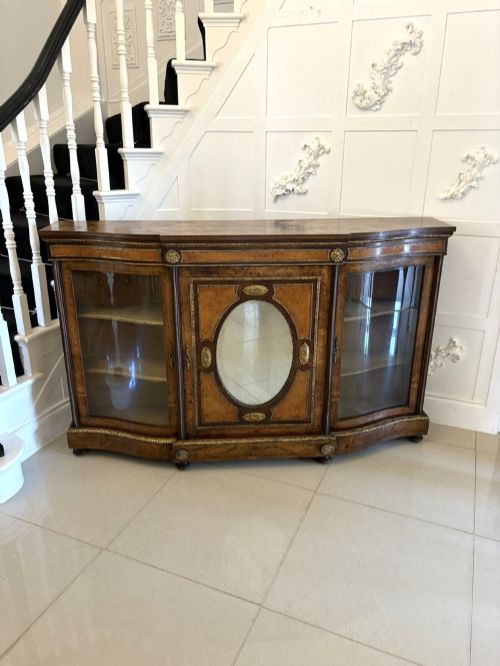
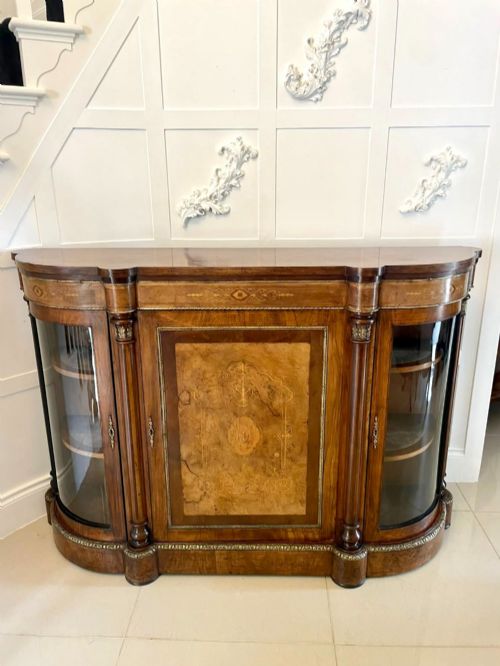
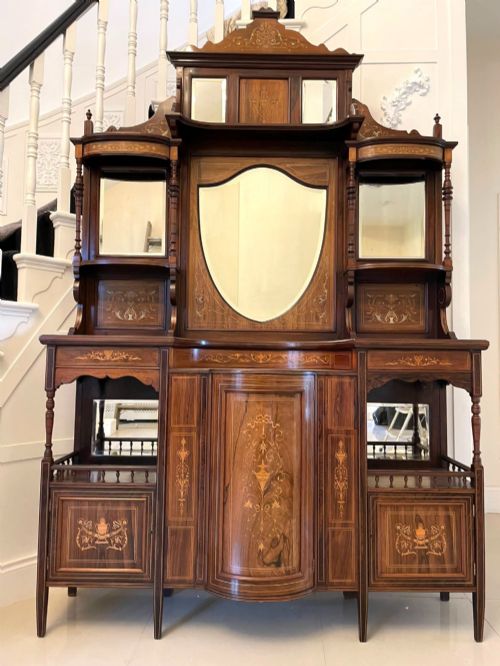
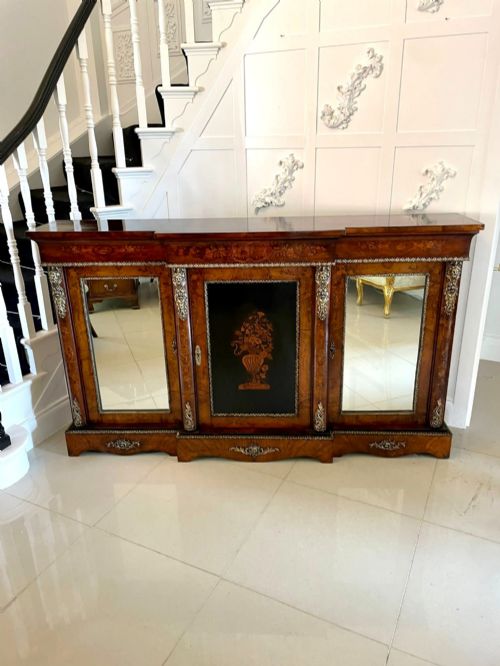
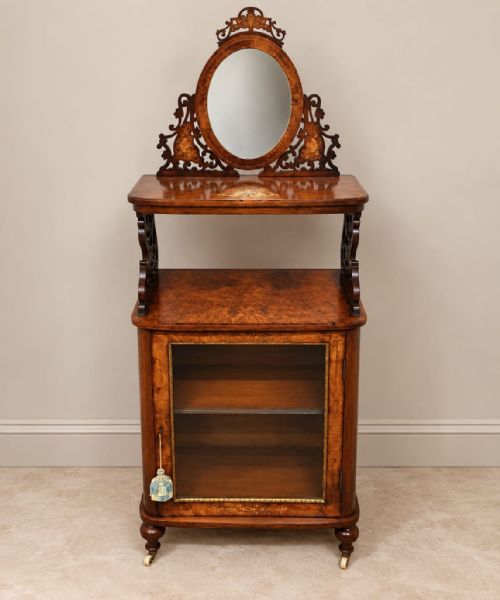
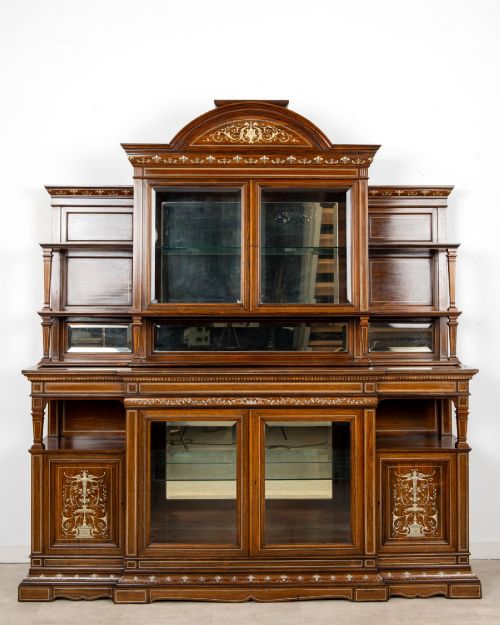
A victorian inlay credenza brings rich burr walnut, intricate marquetry and gleaming ormolu mounts together to anchor a formal nineteenth century interior.
Victorian Inlay Credenza
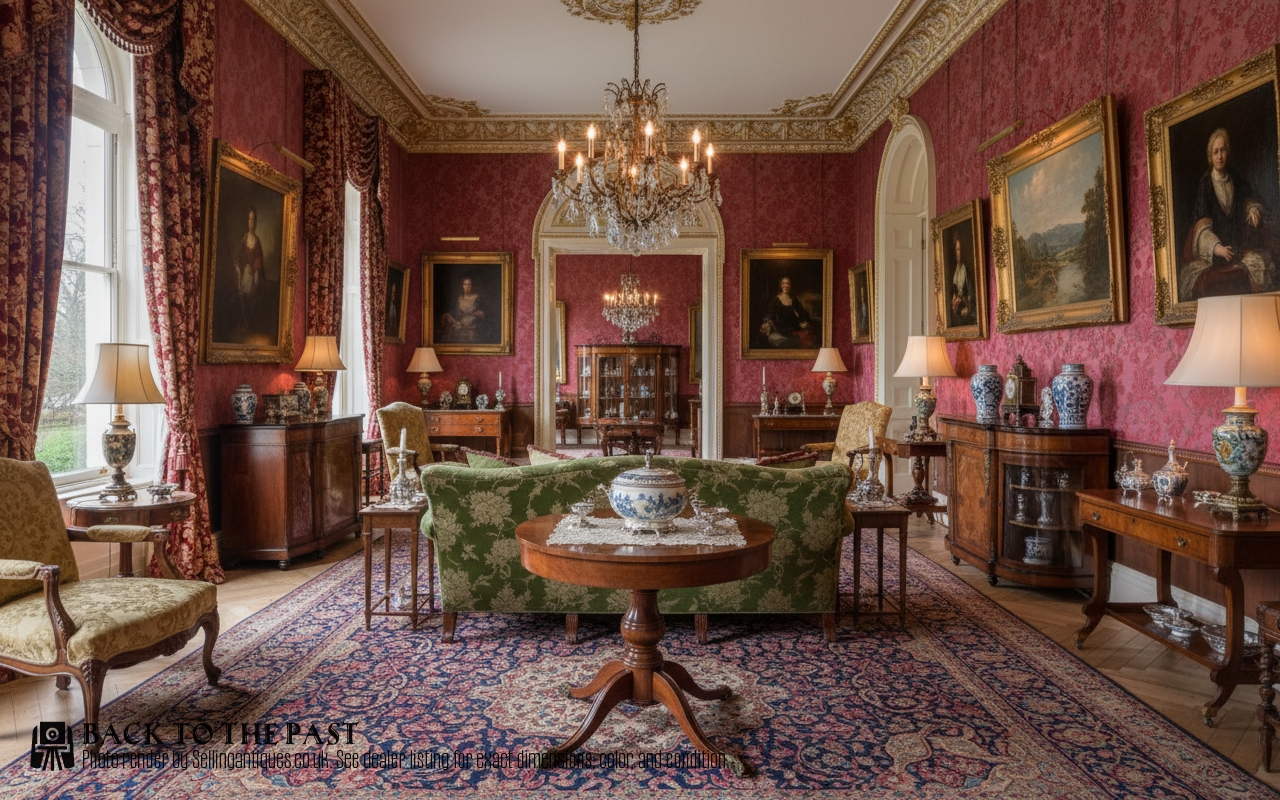
A victorian inlay credenza is a low, polished cabinet designed for display and storage in nineteenth century reception rooms. These pieces typically feature glass fronted side doors or central curving display sections flanked by shelves, offering a substantial surface for ornaments. Most examples found here date from the mid to late nineteenth century, spanning decades from eighteen fifty to eighteen ninety.
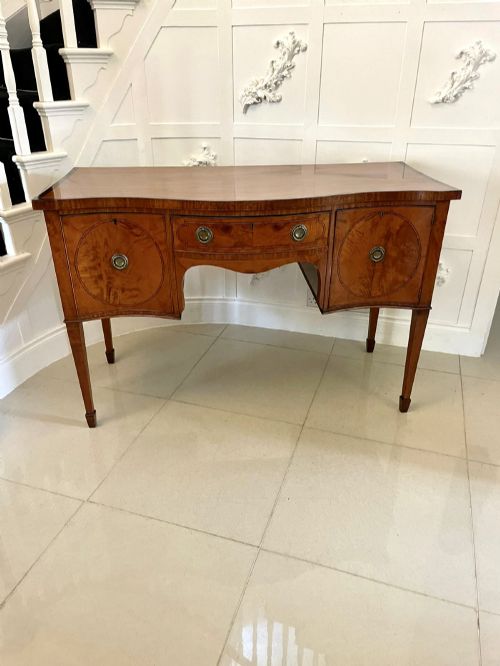
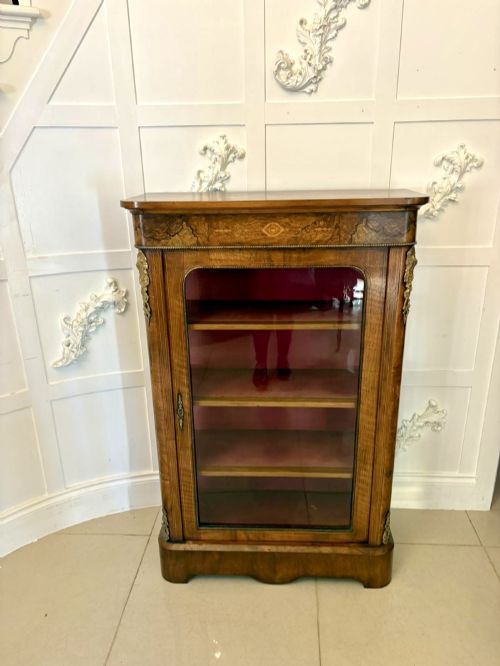
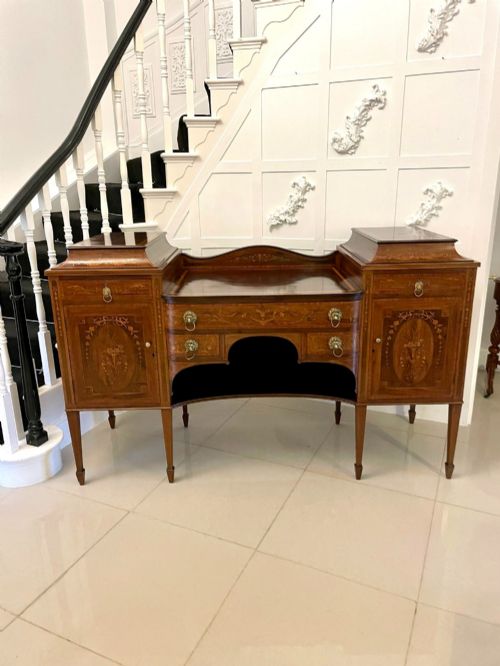
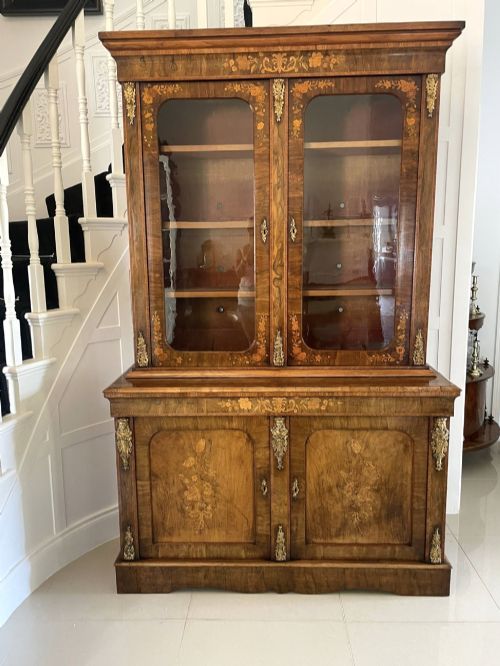
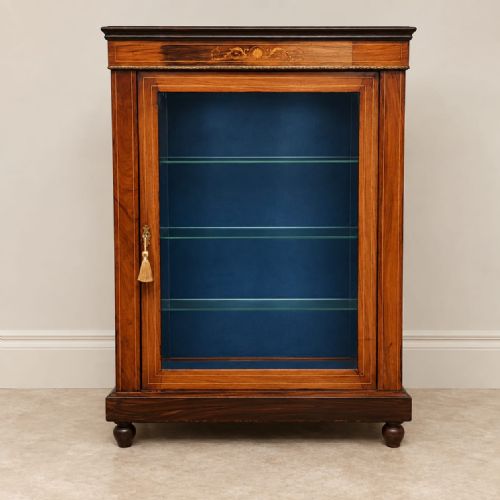
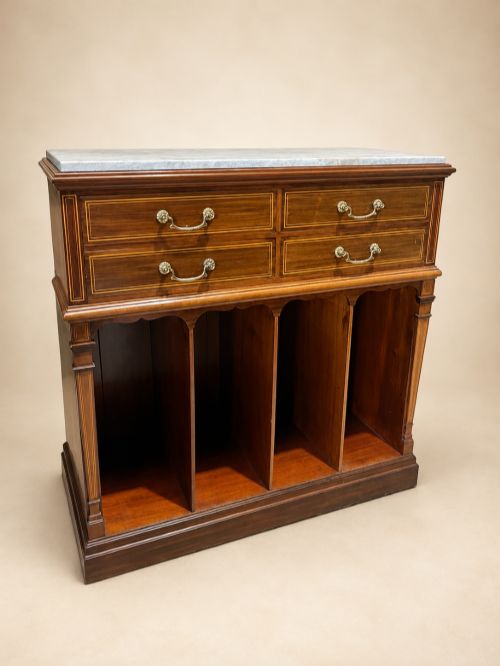
The form appears in various guises across the listings, ranging from grand three door credenzas to compact pier cabinets and serpentine sideboards. Burr walnut and figured walnut dominate the selection, often accompanied by ebonised wood, rosewood or satinwood.
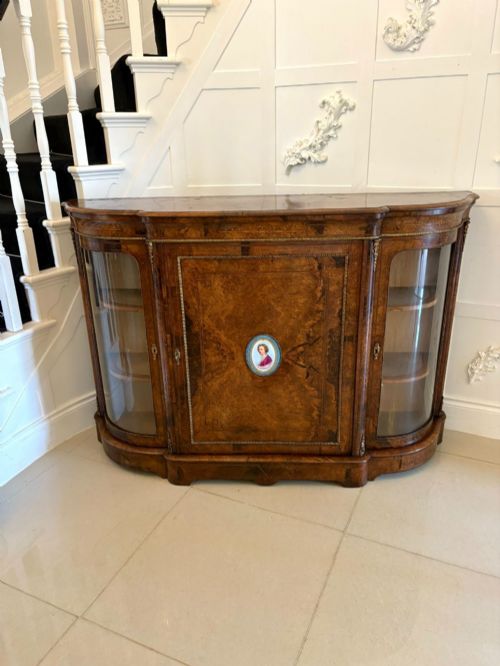
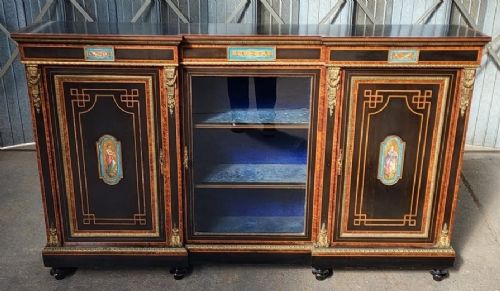
Makers and designers of the period adapted French revival and aesthetic movement sensibilities to create low profile cabinets that hug the wall. Buyers encounter everything from simple walnut side cabinets to monumental displays fitted with porcelain plaques and gilt bronze mounts.
How they were made
Cabinet makers utilised choice veneers like burr walnut and rosewood, laying them over sturdy secondary timbers to achieve striking grain patterns across flat and curved surfaces. Marquetry panels demanded precise hand cutting of contrasting woods such as boxwood and ebony to form floral and geometric motifs.
Gilded cast brass ormolu mounts frame the doors, pilasters and borders, adding architectural definition and metallic contrast to the dark polished timber. Glazed doors protect delicate interiors, while porcelain plaques sometimes provide painted focal points set directly into the wooden cabinetry.
Victorian Inlay Credenza Retail Price Guide 2026
Typical asking prices for victorian inlay credenza among the pieces listed under this phrase on Sellingantiques today, from the lower quarter to the upper quarter. They describe what is for sale here now, not the wider market.
Listings feature Victorian pieces spanning from 1850 to 1890, constructed primarily in burr walnut, rosewood and ebonised wood with ormolu mounts.
What varies in quality
The fineness of the marquetry inlay separates standard production from exceptional works, with superior pieces displaying crisp, tightly fitted botanical details rather than coarse execution. The choice of timber veneer also dictates distinction, as heavily figured burr walnut and richly grained amboyna demand greater skill to select and lay.
Mounting hardware reveals the workshop standard, where heavy cast ormolu with sharp chasing and secure fire gilding elevates a cabinet above those fitted with simpler brass pressings. Structural integrity in curved serpentine doors and well matched timber grains indicate superior cabinet making traditions.
Hewetsons London·Collinson and Lock·Gillows·Lamb of Manchester·Maison Gagneau
The Victorian Inlay Credenza Glossary
- Credenza
- A low dining or reception room cabinet used for storage and display, typically featuring enclosed cupboards and glass panels.
- Ormolu
- Gilt bronze mounts cast and chased by hand, applied to furniture corners, friezes and pillars for decorative accent.
- Marquetry
- Inlaid wood veneers arranged in pictorial or geometric patterns using contrasting timbers such as satinwood, ebony and boxwood.
- Pier Cabinet
- A narrow upright display cabinet designed to fit the wall space between windows during the nineteenth century.
Victorian Inlay Credenza: Frequently Asked Questions
What is a victorian inlay credenza used for?
These low cabinets served to display porcelain, silver and glassware behind glass doors while hiding less decorative items in side cupboards. The expansive top surface also provided an ideal stage for clocks, lamps and decorative ornaments.
Today, they function brilliantly in living rooms or dining spaces as statement storage units that bring warmth and historic character to an interior.
What distinguishes an aesthetic movement credenza?
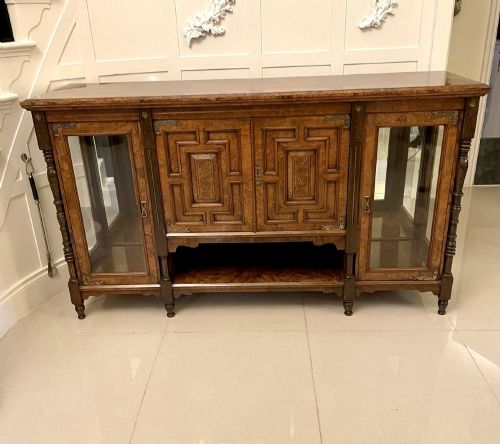
Aesthetic movement pieces often incorporate ebonised wood finishes inspired by Japanese design principles, moving away from heavy Victorian revival ornamentation. They frequently rely on simpler geometric lines and contrasting satinwood or gilt detailing.
These cabinets reflect the late nineteenth century shift toward artistic reform and minimalist decorative harmony within the home.
Are these cabinets suitable for modern living rooms?
Their low profile prevents them from dominating a room visually, making them practical for modern ceiling heights and floor plans. The internal shelving accommodates modern storage needs while preserving the traditional exterior appearance.
Placing them away from direct sunlight and heat sources protects the polished wood and delicate marquetry from drying out.