



Victorian Inlaid Tilt Table
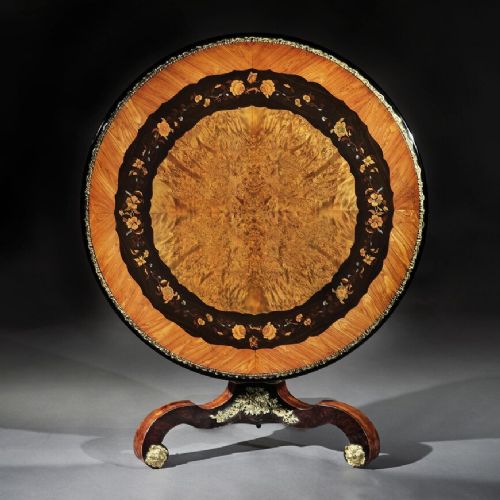
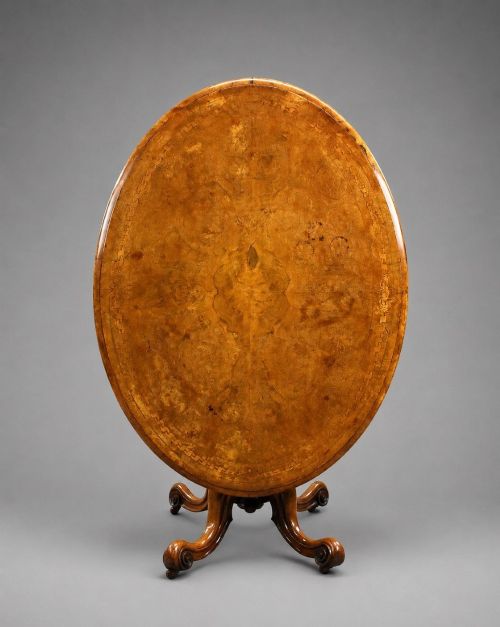
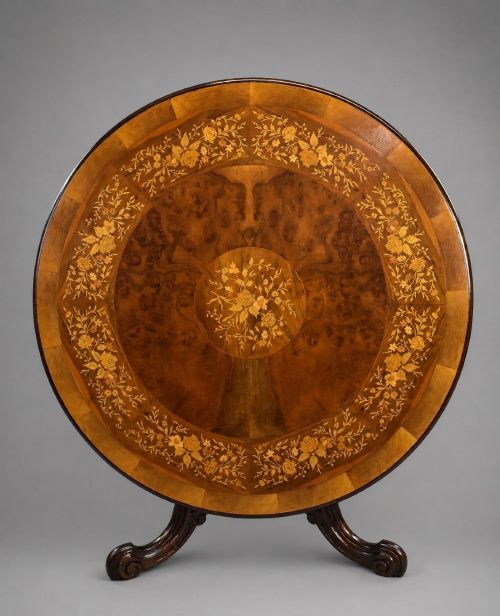
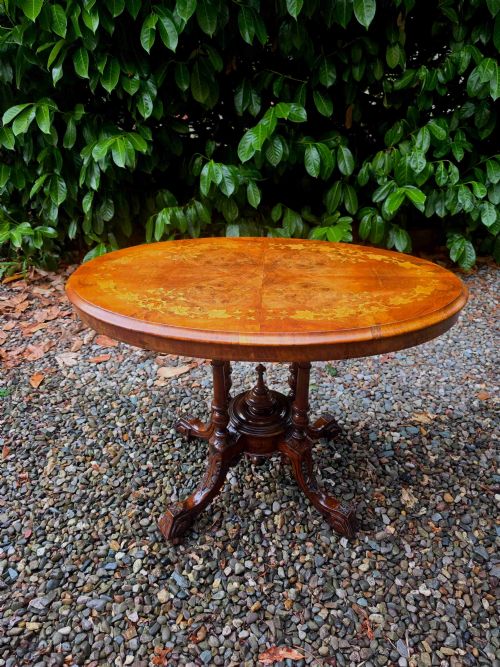
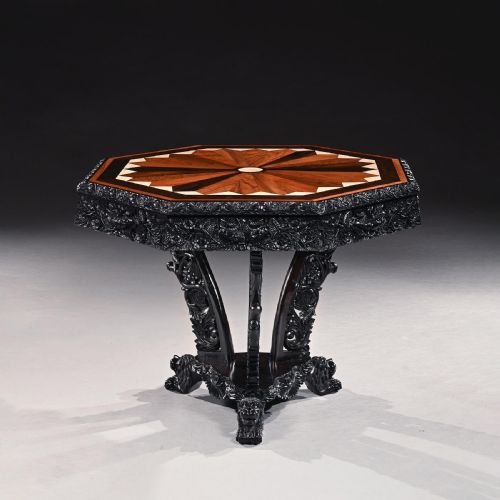
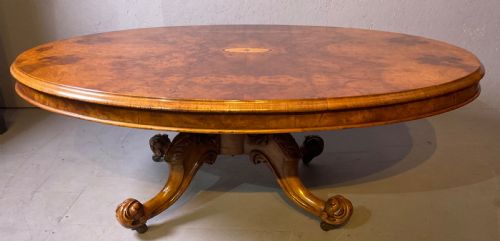
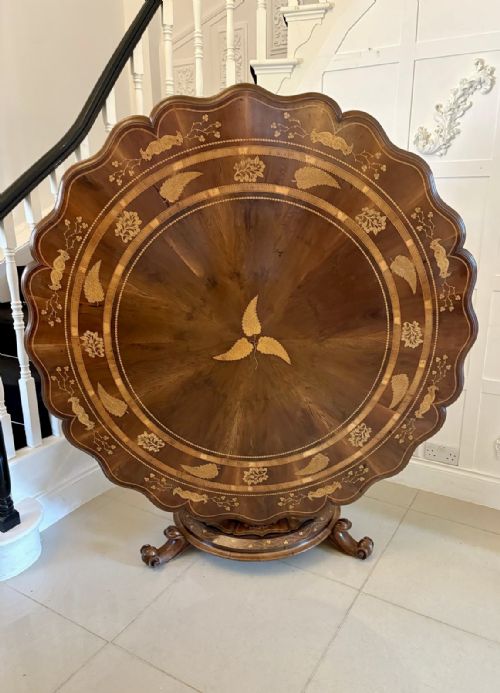
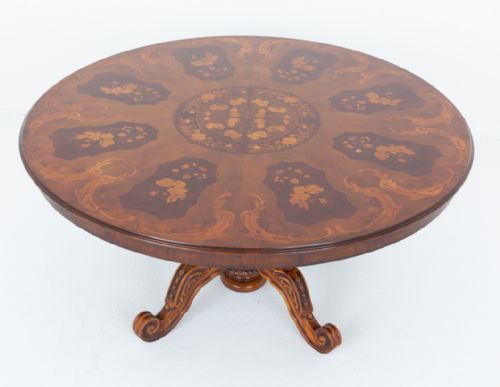
These pieces are a victorian inlaid tilt table, combining timber and craft to tip their surfaces upright when not in use.
Victorian Inlaid Tilt Table
A victorian inlaid tilt table is typically encountered as an oval or round breakfast, loo, or centre table dating from the nineteenth century. These items were designed for principal rooms, offering a tilting mechanism on a pedestal base that allowed the top to rest vertically against a wall or in a corner.
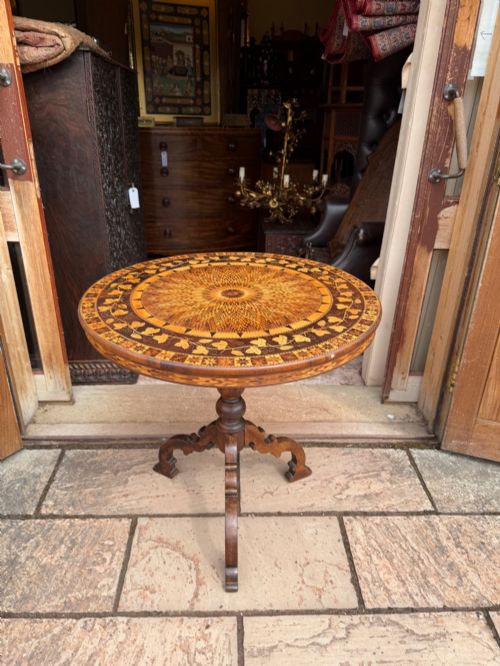
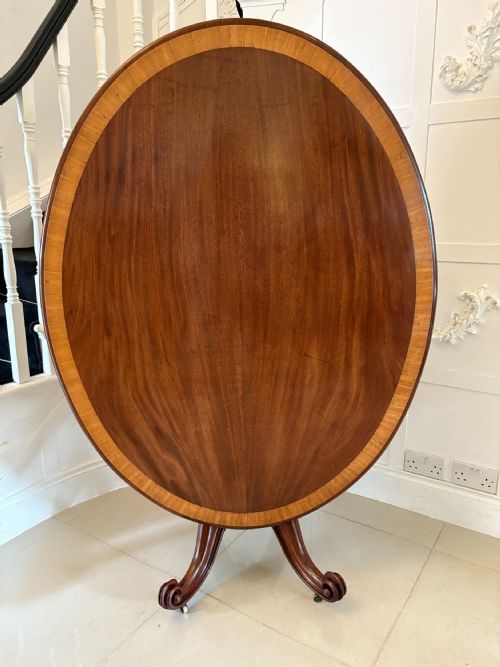
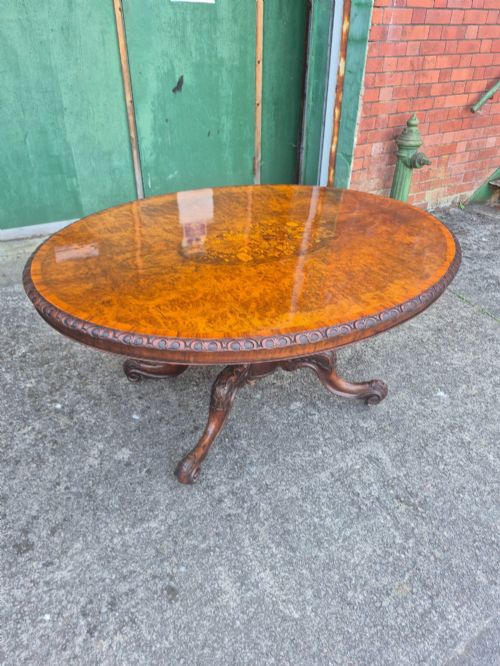
The materials span burr walnut, rosewood, and mahogany, often enriched with detailed wood inlay, marquetry, or mother of pearl. Examples range from compact lamp tables to large dining pieces intended for central placement in a Victorian hall or parlour.
How they were made
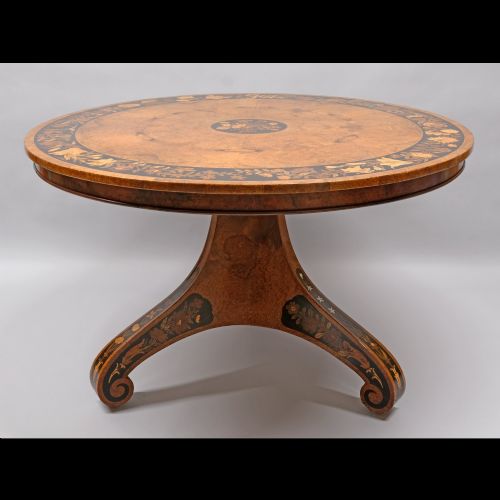
Cabinet makers utilised dense hardwoods such as walnut and mahogany for the structural frames, frequently applying burr veneers to large surfaces for visual depth. The tops received complex marquetry, parquetry, or wood inlay, combining contrasting timbers like fruitwood, boxwood, and ebony to create floral or geometric motifs.
The tilting mechanism relied on sturdy brass catches, hinges, and pivoting blocks fitted to a central pedestal column supported by tripod or platform feet. Joinery was reinforced to sustain the weight of the heavy timber tops while ensuring the pivot action remained smooth.
What varies in quality
The calibre of a victorian inlaid tilt table depends heavily on the fineness of the marquetry and the choice of timber veneer. Richly figured burr walnut and intricate, multi-timber pictorial inlays separate standard production pieces from exhibition-quality works associated with notable workshops.
Construction integrity in the pedestal base and the precision of the tilt mechanism also dictate standard. Well-balanced tripod supports and robust brass fittings ensure the table top remains stable both when horizontal and locked upright.
Edward Holmes Baldock·Gillows·Egan Workshop
The Victorian Inlaid Tilt Table Glossary
- Tilt top
- A table mechanism allowing the surface to rotate and lock vertically. This clever design saved floor space when the furniture was not in use.
- Marquetry
- Decorative patterns formed by fitting together thin veneers of various woods. Artisans used this technique to create elaborate floral or pictorial tabletops.
- Burr walnut
- Wood grain taken from the growth excrescence of a walnut tree. It produces highly figured, swirling patterns prized by Victorian cabinet makers.
- Loo table
- A large round or oval Victorian table used for card games such as loo. They frequently incorporated tilt-top mechanisms for convenience.
- Parquetry
- Geometric mosaic woodwork used for floors and tabletops. It relies on regular blocks of timber to form repeated patterns.
Victorian Inlaid Tilt Table: Frequently Asked Questions
What is a tilt top table used for?
These tables served multiple functions in nineteenth-century homes, acting as breakfast, loo, or centre tables for daily living and entertaining.
The tilting mechanism allowed the heavy wooden top to be swung upright, making the table easy to move and store against a wall when floor space was required.
How do I identify a Victorian table?
Identification relies on observing characteristic nineteenth-century timber choices such as burr walnut, mahogany, and rosewood, alongside specific pedestal forms.
Makers frequently applied detailed marquetry, wood inlay, or brass hardware that align with nineteenth-century design periods and manufacturing techniques.
Are these tables sturdy?
The structural stability depends on the heavy timber pedestal base and the original pivot mechanism fitted beneath the tabletop.
Well-made examples distribute weight evenly across tripod or platform feet, ensuring the surface remains secure when locked horizontally.
What woods were used for inlay?
Craftsmen selected contrasting timbers like fruitwood, boxwood, ebony, and satinwood to create distinct patterns against darker background veneers.
These materials allowed artisans to achieve varied tones and natural colours within floral or geometric marquetry designs.