


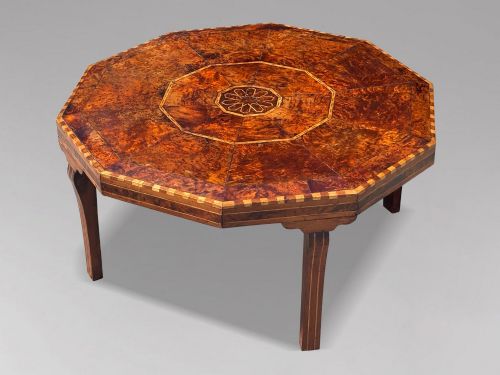
Victorian Inlaid Tea Table
A victorian inlaid tea table brings rich timber grain, intricate marquetry and nineteenth-century craftsmanship into a modern interior.
Victorian Inlaid Tea Table
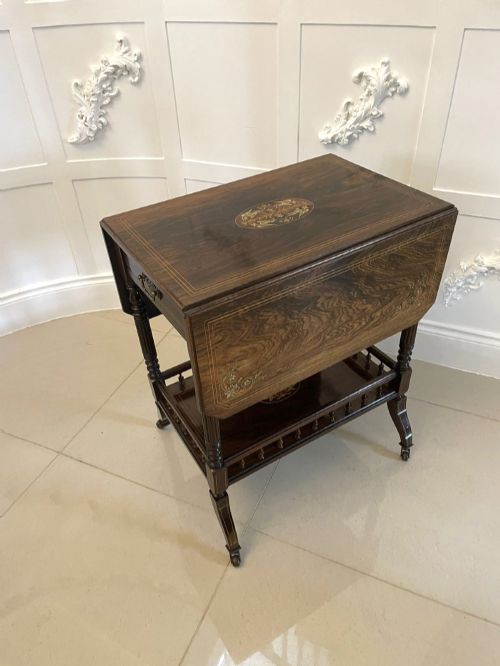
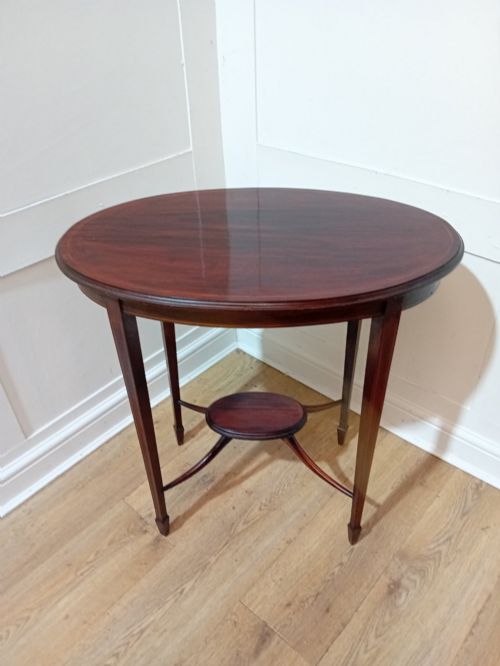
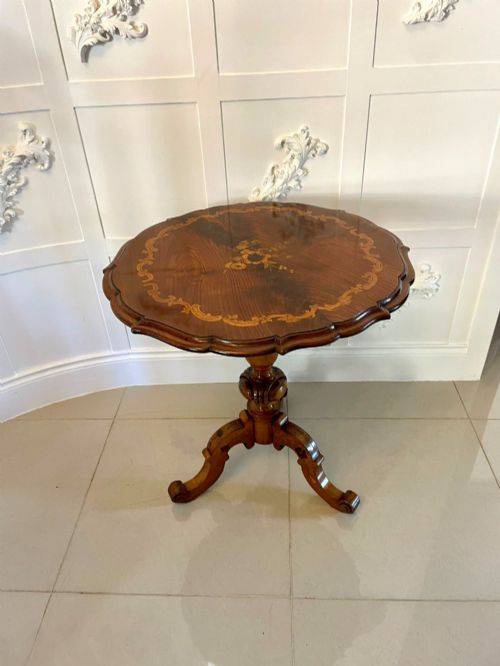
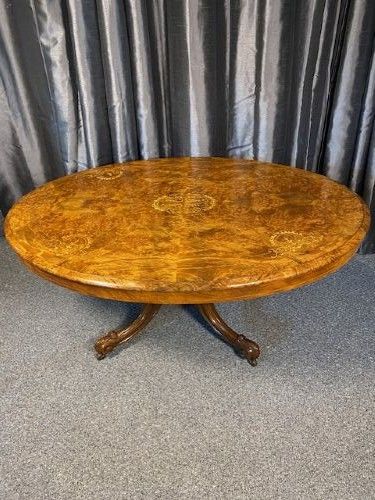
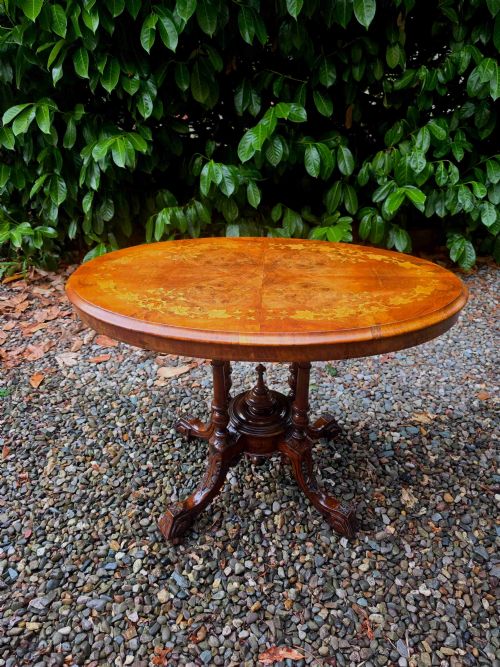
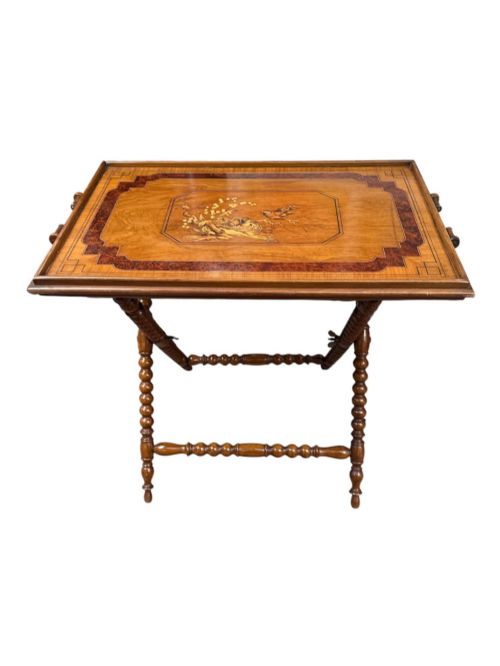
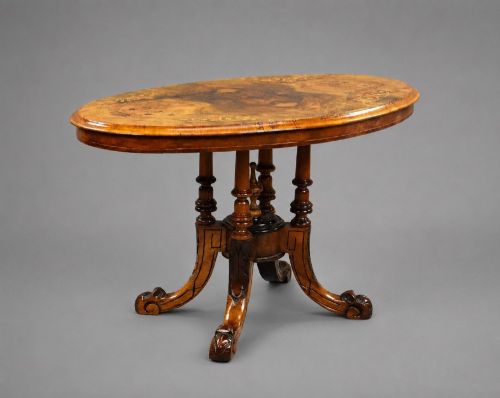
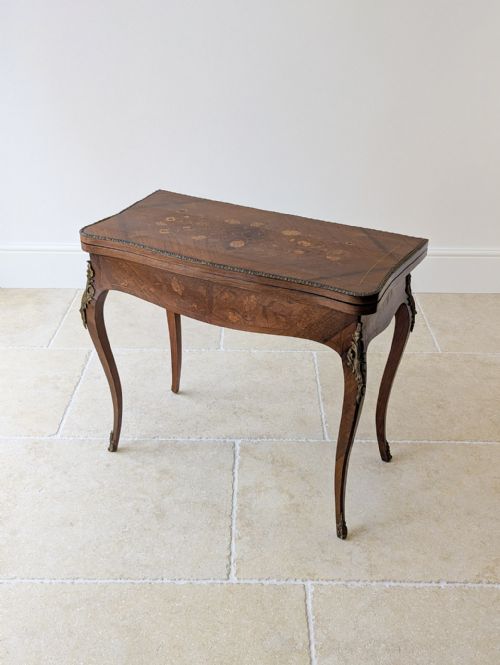
A victorian inlaid tea table is a functional piece of nineteenth-century furniture designed for hosting and display, appearing across this page in forms ranging from traditional folding top designs to compact occasional and coffee formats.
The pieces seen here date predominantly from the Victorian era and the later nineteenth century, utilising rich timber veneers and intricate surface decoration suited to formal parlours.
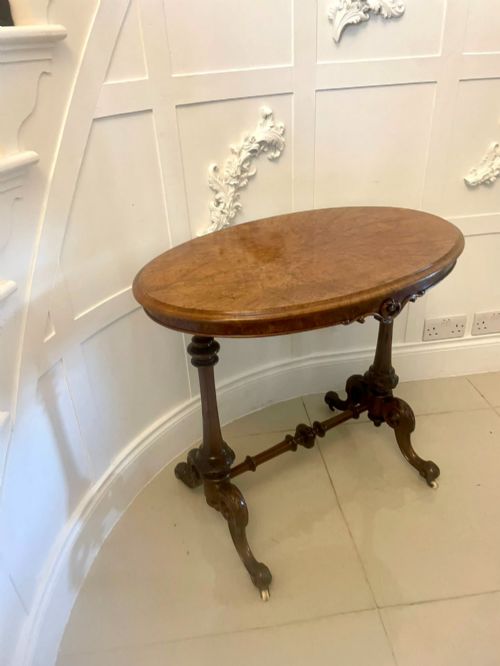
Buyers seeking this phrase encounter walnut, burr walnut and mahogany structures, often enhanced with satinwood, boxwood and detailed marquetry motifs.
How they were made
Cabinet makers constructed these tables using solid timber frames overlaid with figured veneers such as burr walnut, rosewood and mahogany to create striking decorative surfaces.
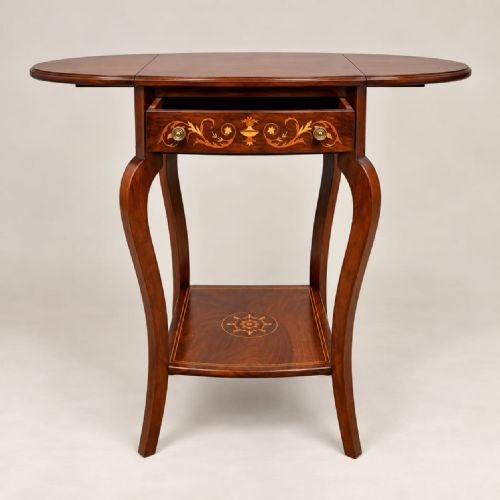
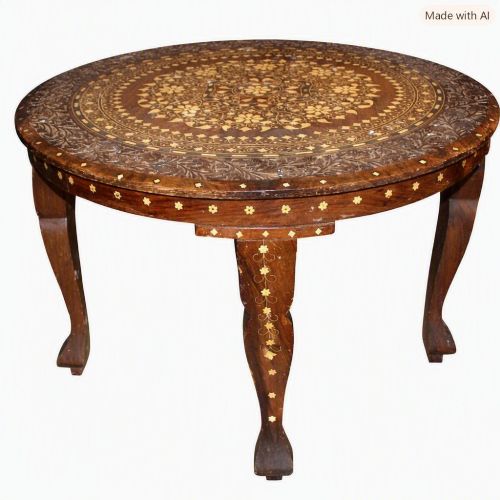
Inlay work relied on contrasting woods like satinwood and boxwood, alongside bone and brass elements, hand-cut and fitted precisely into recesses within the primary timber.
Surfaces received traditional hand-polished finishes that highlighted the natural grain patterns and protected the delicate marquetry detail beneath.
Victorian Inlaid Tea Table Retail Price Guide 2026
Typical asking prices for victorian inlaid tea table among the pieces listed under this phrase on Sellingantiques today, from the lower quarter to the upper quarter. They describe what is for sale here now, not the wider market.
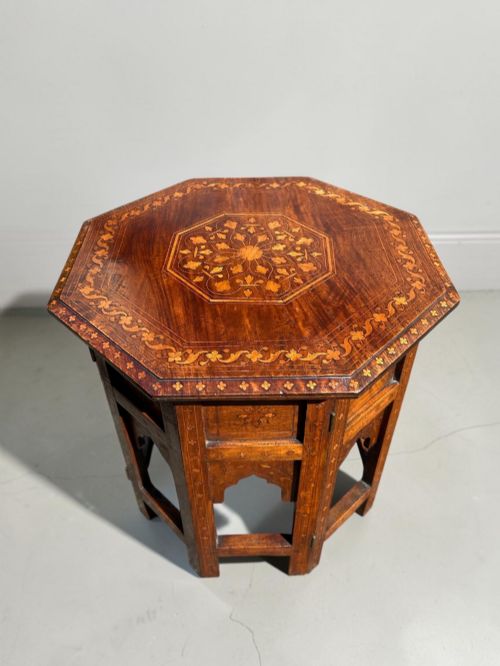
Listings feature walnut, burr walnut, satinwood, mahogany and rosewood across forms such as card tables, occasional tables and octagonal coffee tables.
What varies in quality
The standard of a victorian inlaid tea table rests on the depth and complexity of its marquetry, where finely rendered floral or geometric motifs distinguish superior workshops from routine production.
Timber selection dictates visual weight, with dense burr walnut and figured rosewood offering richer grain movement than simpler domestic woods.
The precision of the joinery, particularly in swivel tops, drop leaves and folding mechanisms, marks the difference between basic utility and high-tier nineteenth-century cabinet work.
Edwards & Roberts·Liberty & Co
The Victorian Inlaid Tea Table Glossary
- Marquetry
- Decorative patterns formed by fitting small pieces of wood veneer, shell or bone into a prepared wooden ground. This technique creates pictorial or geometric surface designs.
- Burr Walnut
- Timber taken from a walnut tree growth where the grain has grown in a deformed, swirling manner. It produces highly figured, mottled veneer patterns.
- Satinwood
- A hard, yellowish-brown timber from tropical trees with a lustrous, reflective grain. Makers used it extensively for contrasting inlay work and banding.
- Etagere
- A set of open shelves for displaying small ornaments or books, supported by slender columns. It developed in France during the eighteenth century and remained popular through the Victorian period.
Victorian Inlaid Tea Table: Frequently Asked Questions
What is a victorian inlaid tea table used for?
These tables served originally for serving tea and holding porcelain in nineteenth-century reception rooms.
Today they function effectively as display surfaces, occasional tables or central decorative pieces in living spaces.
How do I identify a victorian inlaid tea table?
Look for nineteenth-century timber choices such as burr walnut, rosewood and mahogany paired with contrasting boxwood or satinwood inlay.
Construction methods, hand-cut marquetry and traditional polish finishes typically indicate period authenticity.
How do I care for a victorian inlaid tea table?
Keep the timber away from direct heat sources and strong sunlight to prevent veneer cracking and fading.
Dust regularly with a soft cloth and apply quality beeswax periodically to nourish the polished surface.
Where were these tables made?
Many originated in British workshops, while others reflect international influences including Anglo-Indian production from Hoshiarpur and continental European styles.
Different regions employed distinct carving techniques and native timber combinations.