
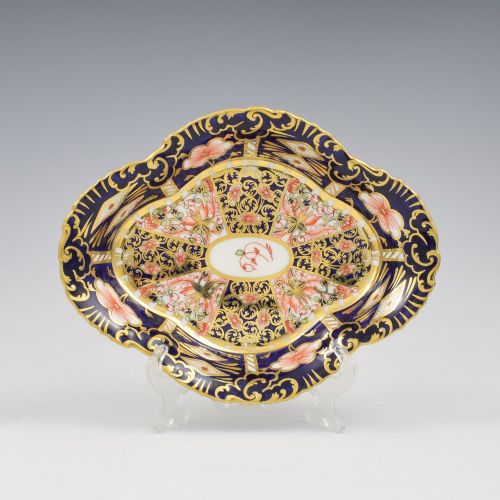


Victorian Imari Pattern Dish
These Victorian imari pattern dish examples combine English ceramic forms with Japanese decorative motifs for striking interior displays.
Victorian Imari Pattern Dish
When you search for a victorian imari pattern dish, you encounter a distinct blend of Victorian tastes and Japanese design influences. The offerings span various forms such as decorative plates, platters, serving dishes, and specific items like soup tureens and soap dishes.
The selection on this page demonstrates how British makers adapted traditional Japanese aesthetics during the nineteenth century. These items range from English ironstone and bone china to Japanese exports, reflecting a broad international exchange of style.
You are most likely to meet nineteenth-century ironstone pieces bearing patterns inspired by Japanese Imari wares alongside pieces from the early twentieth century. The forms vary from large serving platters to small soap dishes, all displaying the characteristic palette.
How they were made
Makers utilised durable ceramic bodies such as ironstone, stoneware, and bone china to form the base of these vessels. These dense materials provided a sturdy foundation capable of supporting heavy daily use or decorative display.
Artisans applied vibrant enamels and gold leaf over or under the glaze to create the characteristic Imari palette of iron red, cobalt blue, and gilt highlights. Firing processes locked these colours onto the ceramic surface, ensuring lasting visual depth.
Listings feature items spanning the 19th century up to 1920, predominantly constructed from ironstone, bone china, and stoneware.
What varies in quality
The precision of the hand-painted enamels and the crispness of the underglaze transfer printing separate standard production from finer examples. Skilled brushwork ensures the intricate patterns remain sharp and well-defined across the ceramic surface.
The preservation of the applied gold leaf and enamel colours dictates the overall visual appeal of each piece. Heavier, more robust ironstone bodies also indicate superior manufacturing standards intended for heavy service.
Royal Crown Derby·John Ridgway·Mason·Coalbrookdale
The Victorian Imari Pattern Dish Glossary
- Ironstone
- A dense, heavy type of earthenware patented in the nineteenth century for its durability. It resists chipping better than standard earthenware and forms the body of many serving dishes.
- Imari
- A style of Japanese porcelain featuring a palette of rich cobalt blue and iron red, frequently enriched with gold. British potteries widely copied this aesthetic during the Victorian era.
- Bone china
- A soft-paste porcelain containing bone ash that yields a bright white, translucent body. It allows for refined, thin-walled vessel construction.
- Ashet
- A Scottish term for a large serving plate or platter, commonly found in nineteenth-century dining services. These sizeable vessels sat at the centre of the table for joint meats.
- Enamel
- Opaque glass-like pigments applied over the fired glaze and subjected to a lower temperature kiln firing. This technique produces vibrant surface colours that do not sink into the base glaze.
Victorian Imari Pattern Dish: Frequently Asked Questions
What is an imari pattern?
An imari pattern draws inspiration from Japanese decorative art, traditionally featuring cobalt blue, iron red, and gilt details. British potteries adopted this aesthetic during the nineteenth century to satisfy fashionable tastes.
These motifs often incorporate floral arrangements and compartmentalised designs. The style creates a high-contrast visual display well suited for decorative tableware.
How do I use these dishes?
These items serve primarily as decorative accents or display pieces within modern interiors. Platters and tureens can sit on sideboards or hang on walls to showcase their patterns.
Careful handling is necessary due to the age of the enamel and gold leaf decorations. Hand washing preserves the surface details better than mechanical dishwashers.
How old are these ceramics?
The pieces span the nineteenth century up to the early twentieth century, reflecting the height of Victorian production. Dates can be estimated through backstamps, ceramic bodies, and stylistic traits.
Heavier ironstone pieces often date from the mid-nineteenth century when utilitarian dining wares dominated. Later twentieth-century examples frequently show refined bone china bodies.
What materials were used?
Potters relied on ironstone, stoneware, and bone china to construct the vessel bodies. These dense ceramic formulas provided strength for large tureens and serving platters.
Surface decoration involved colourful enamels, cobalt blue pigments, and gold leaf. A clear glaze sealed the ceramic body before the final application of surface colours.