




Victorian Horse Picture
A victorian horse picture captures the equine subjects and sporting scenes prized through the nineteenth century in oils, watercolours, and prints.
Victorian Horse Picture
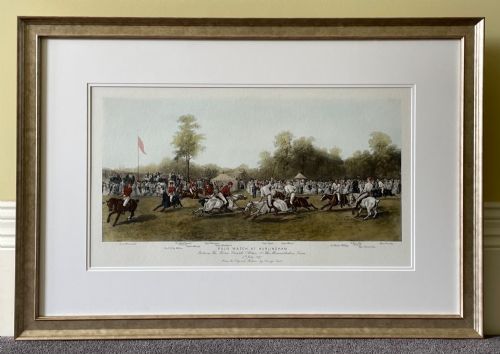
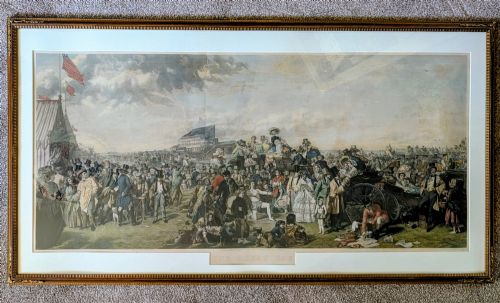
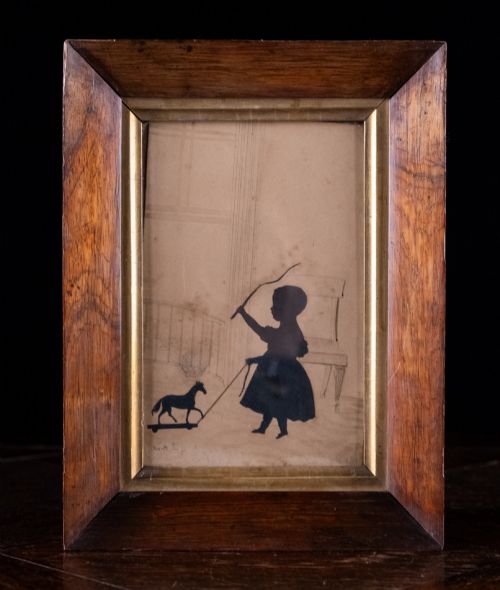
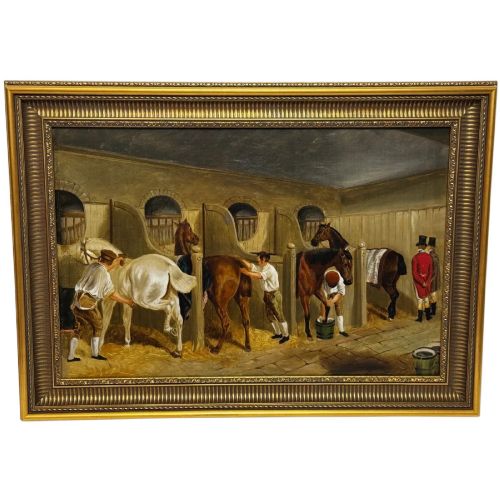
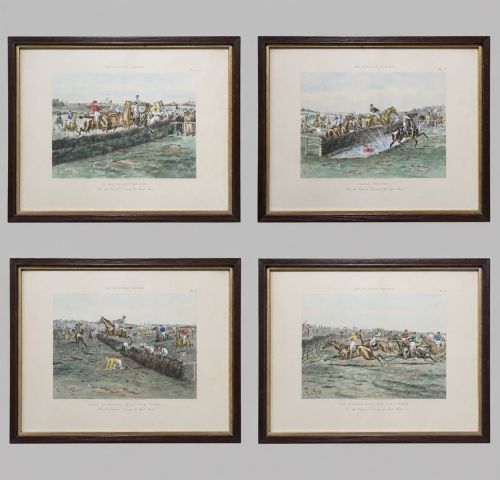
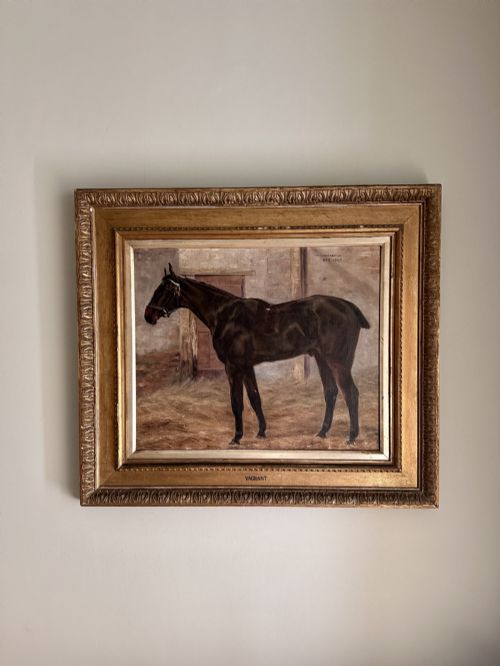
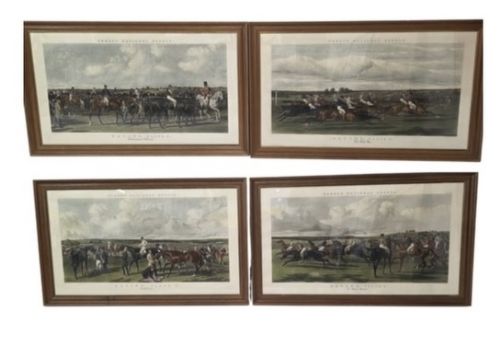
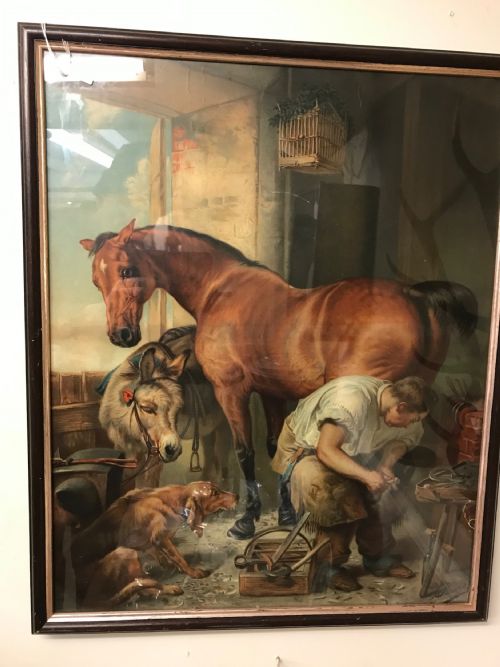
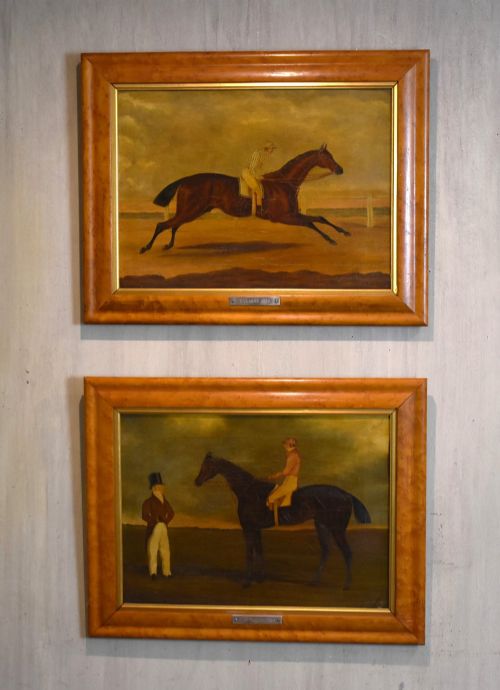
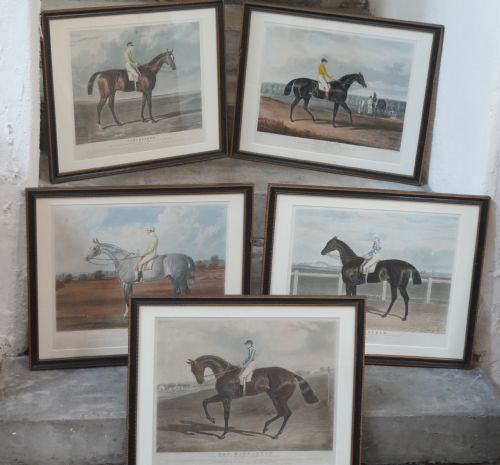
A victorian horse picture encompasses everything from detailed portraits of named thoroughbreds and working farm horses to bustling hunting scenes and racing prints. Buyers searching for a victorian horse picture encounter oils on canvas, watercolours, engravings, lithographs, and silhouette works housed in period frames.
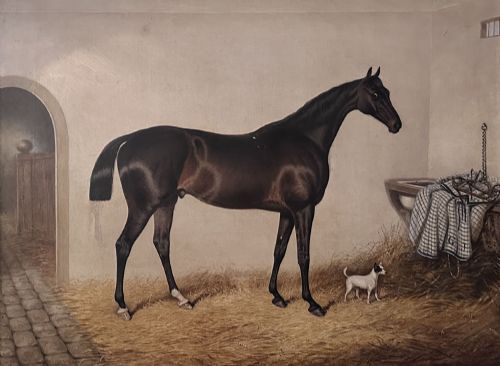
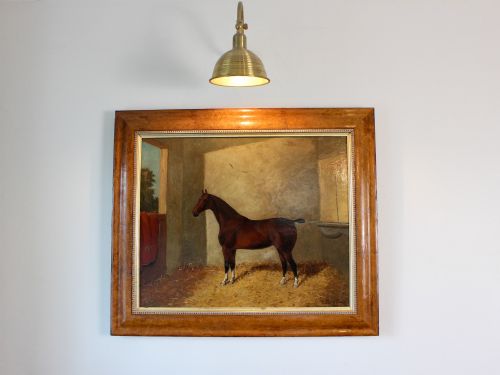
The works originate predominantly from the nineteenth century, ranging from mid-century studies to pieces produced around nineteen hundred. Subjects span solitary bay hunters in stables, coaching scenes, and famous racehorses with their jockeys.
How They Were Made
Artists applied oil paint to canvas or wood panels, whilst watercolours utilised paper supports, often framed behind glass within timber or giltwood mouldings. Printmakers produced aquatints, engravings, lithographs, and Pears prints, sometimes adding hand-colouring to the printed lines.
Specialist techniques include reverse silhouette painting on glass, sand pictures, and silk needlework depictions of racing tracks. Frames utilise gilt wood or simple timber surrounds appropriate to the period.
A youthful foal steals fruit from a basket in one watercolour, adding domestic mischief to the stable yard.
What Varies in Quality
Quality rests upon the anatomical precision of the horse, the ability to render movement and muscle structure, and the presence of a known artist's signature or recorded provenance. Master painters capture light on a coat and the alert posture of an animal with greater fidelity than commercial copyists.
The condition of the paper or canvas, the survival of the original pigment, and the integrity of the period frame influence the standing of an individual piece.
Augustin Edouart·William Powell Frith·George Finch Mason·Fred Fitzpatrick·Edwin Henry Landseer·John Frederick Herring Snr·Albert Ludovici Jnr·Herman S Melville·John Ferneley Senior·William Manners·John Frederick Herring Jnr·Basil Nightingale·Edward Lloyd of Ellesmere·Helena Maguire·Charles Faulkner·James William Booth·Alfred Wheeler·Gilbert Scott Wright·Thomas Mackay·Basil Bradley·David Woodlock·Charles Bilger Spalding RA·Walter Henry Pigott
The Victorian Horse Picture Glossary
- Aquatint
- An intaglio printmaking technique that produces tonal areas resembling watercolour washes. It was frequently used for sporting prints and racing scenes.
- Lithograph
- A planographic printing method using a stone or metal plate. Colour lithographs brought affordable wall art into nineteenth-century homes.
- Giltwood
- Wood carved and coated with gold leaf or a gold-coloured finish. This material forms the decorative frames typical of nineteenth-century oil paintings.
- Provenance
- The documented history of ownership of an artwork. It establishes authenticity and connects pieces to estates or galleries.
- Bay
- A coat colour of horses characterised by a reddish-brown body with black mane, tail, and lower legs. It appears frequently in equine portraits.
Victorian Horse Picture: Frequently Asked Questions
What subjects appear in these pictures?
Subjects include individual portraits of named racehorses and hunters, hunting meets, racing tracks, farm horses, and coaching scenes.
Animals are often shown in stables, river landscapes, or active sporting environments alongside riders and jockeys.
How do I identify the period?
Dating relies on stylistic clues, framing materials, artist signatures, and recorded dates from the nineteenth and early twentieth centuries.
Media types such as engravings, lithographs, and hand-coloured watercolours align with specific decades of production.
Where were these pieces displayed?
Original owners hung these works in country houses, estate reception rooms, and domestic parlours as expressions of sporting interests.
Framed prints and paintings decorated walls in dedicated smoking rooms, libraries, and stables.
Are these works hand painted?
The selection includes both unique hand-painted works in oil and watercolour and mass-produced prints such as lithographs and engravings.
Printed items often feature hand-coloured additions applied after the mechanical printing process.