


Victorian Historical Oil Painting
A victorian historical oil painting records the drama, portraiture and maritime events of the nineteenth century with rich narrative depth.
Victorian Historical Oil Painting
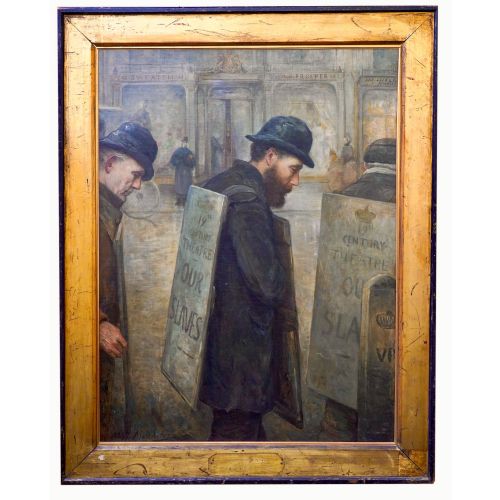
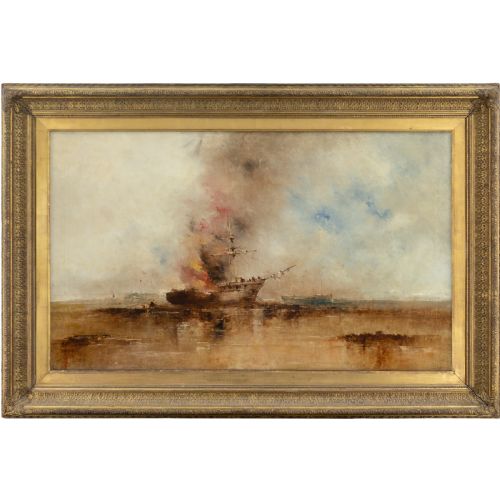
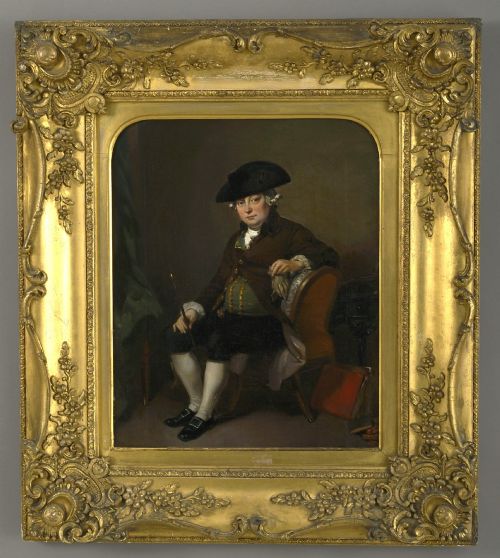
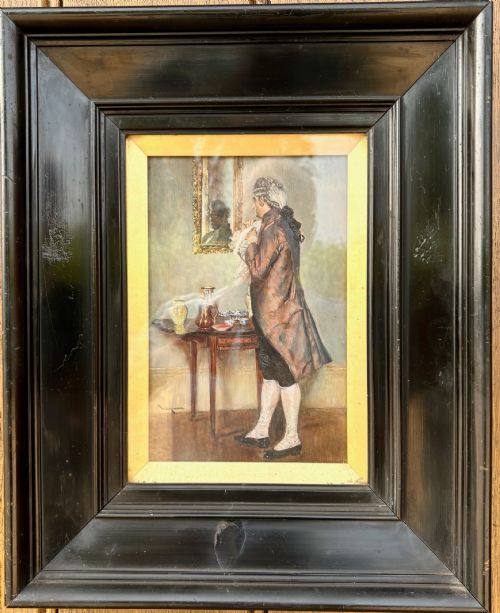
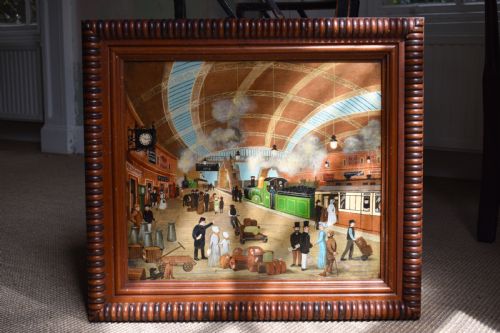
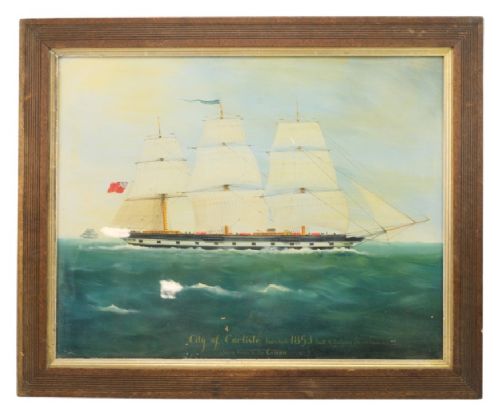
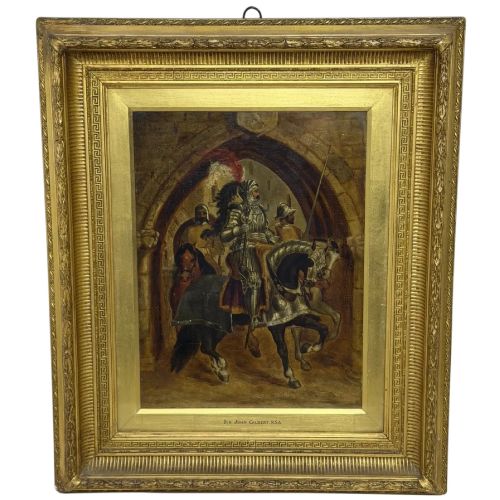
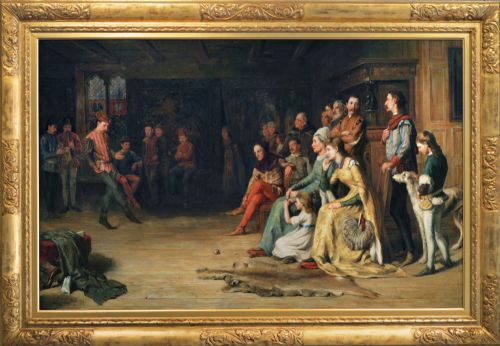
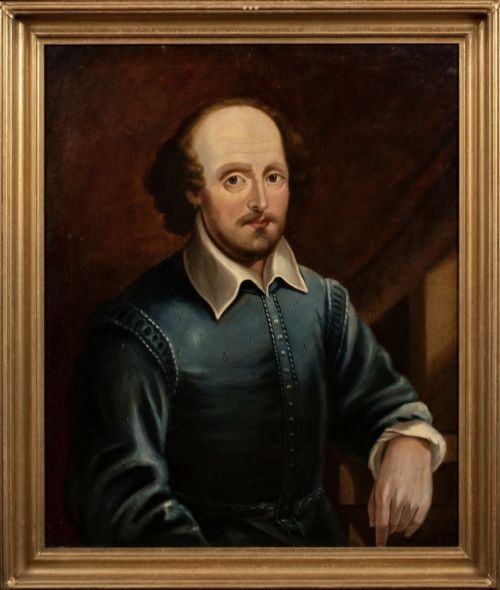
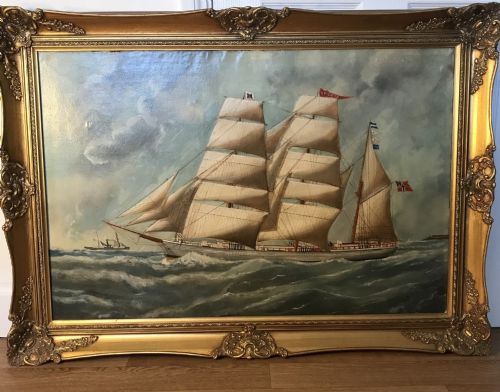
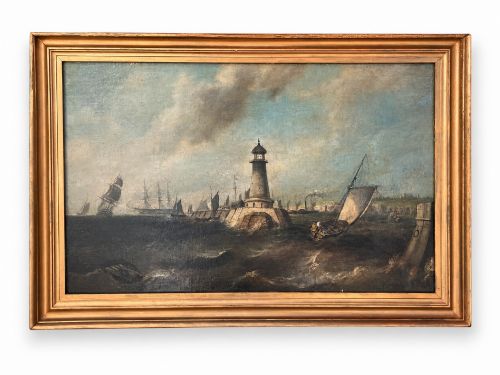
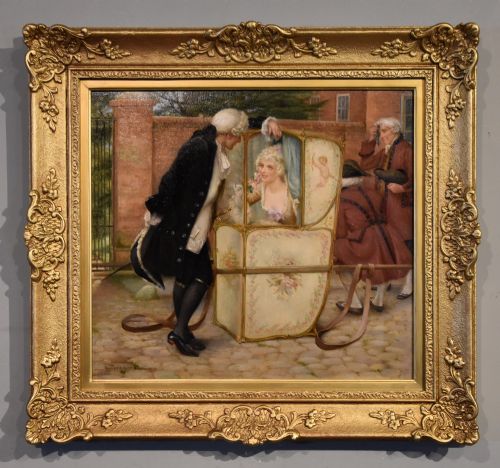
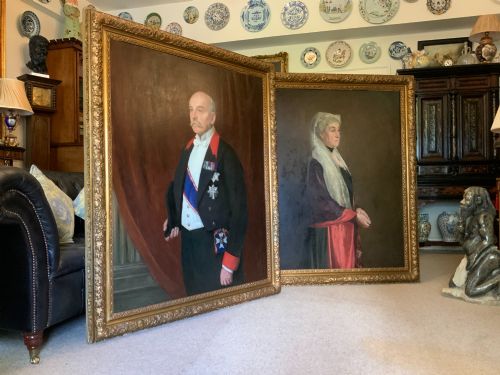
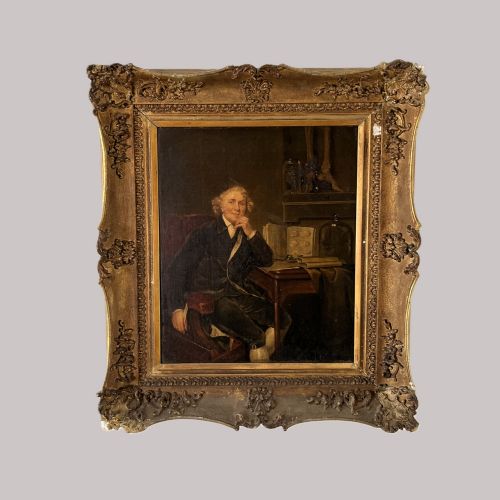
A victorian historical oil painting depicts significant narrative moments, military encounters, maritime scenes and period character studies. These works span the nineteenth century and encompass formal portraiture alongside genre scenes of domestic or public life.
The pieces on this page originate predominantly from the nineteenth century, including specific dates across the eighteen-sixties, seventies, and eighties, executed by named artists and regional schools.
Subjects range from military officers and historical commanders to shipwrecks, theatrical performers and scenes of everyday social history.
How They Were Made
Painters applied oil paint directly onto stretched canvas or wooden board substrates using traditional brushwork techniques. Layers of pigment build up the depth, texture and light effects characteristic of the period.
Many works retain their original giltwood or gold leaf frames, which complement the scale and subject matter of the canvas.
The listings feature oil paintings on canvas and board produced during the nineteenth and early twentieth centuries by British and European artists.
What Varies in Quality
The standard of draughtsmanship and the expressive capability of the brushwork determine the distinction between routine works and accomplished compositions. Masterly handling of facial expression, costume detail and atmospheric light elevates a historical scene.
Provenance and attribution to documented artists or recognised circles add considerable weight to a canvas, while condition and the integrity of the paint surface remain central to the evaluation of any piece.
Felix Stone Moscheles·William McAlpine·Samuel De Wilde·W.D. Almond·Sir John Gilbert·James Hamilton·Thomas Spinks·Nicholas Condy·Delapoer Downing·George Bernard O'Neill·John Watkins Chapman·Sir Duleep Singh·John Robert Dicksee·Robert Alexander Hillingford·Edwin Hughes·Alfred Holst Tourrier·John A. Houston·Hans Temple·William Robert Dickinson·Heywood Hardy·Ernest Crofts·Richard Brydges Beechey·Valentine Thomas Garland·Henry Weigall·Christoffel Bisschop
The Victorian Historical Oil Painting Glossary
- Genre painting
- Depiction of aspects of everyday life by depicting ordinary people engaged in common activities. These works provide valuable social history through detailed domestic and public scenes.
- Oil on canvas
- Pigment ground in a drying oil applied to a woven fabric support. This combination offers flexibility and allows for rich colour blending.
- Giltwood
- Wood carved and covered with thin gold leaf or gilt preparation. It is commonly found on traditional frames enclosing nineteenth-century canvases.
- Circle of
- Term used to indicate an artist working during the same period and in a similar style to a master, often closely associated with their workshop.
Victorian Historical Oil Painting: Frequently Asked Questions
What subjects do these paintings show?
The canvases portray military engagements, maritime disasters, theatrical characters and historical domestic scenes. Artists drew inspiration from national events, literature and everyday social interactions.
Subjects range from portraits of monarchs and engineers to narrative depictions of soldiers, sailors and family groups in period interiors.
How are these paintings framed?
Many examples retain ornate wooden mouldings finished with gold leaf or giltwood. These surrounds often reflect the aesthetic preferences of the nineteenth century.
Original frames enhance the historical context of the artwork, though some canvases are presented without framing or in later replacements.
Are these works signed by artists?
Several pieces bear signatures, monograms or inscriptions identifying the creator or the specific historical subject depicted. Other works are attributed to particular artistic circles or recognised schools based on stylistic analysis.
Documentation on the reverse of the canvas or board frequently provides additional clues regarding the authorship and date.
How should I care for an oil painting?
Keep canvases away from direct sunlight, high humidity and sudden temperature fluctuations to protect the pigment and ground. Gentle dusting with a soft, dry brush maintains the surface.
Avoid using water or chemical cleaners on the paint layer, and consult a professional conservator for any structural repairs or cleaning.