

Canvas Oil Painting Artwork
Canvas oil painting artwork brings historical portraiture, landscapes, and still lifes into interiors through centuries of skilled pigment work.
Canvas Oil Painting Artwork
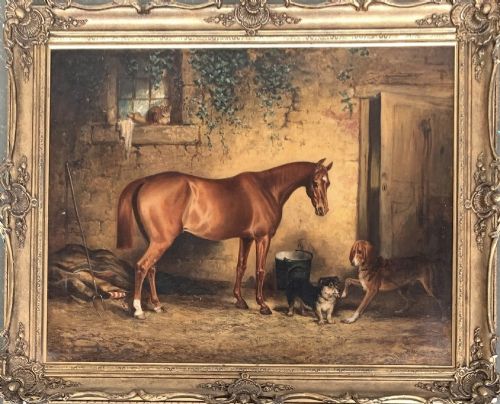
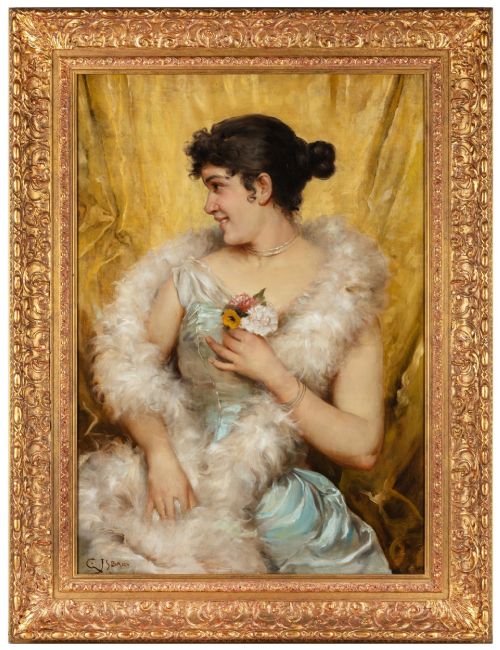
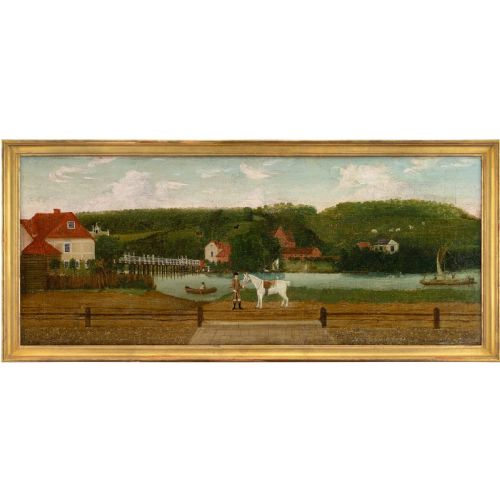
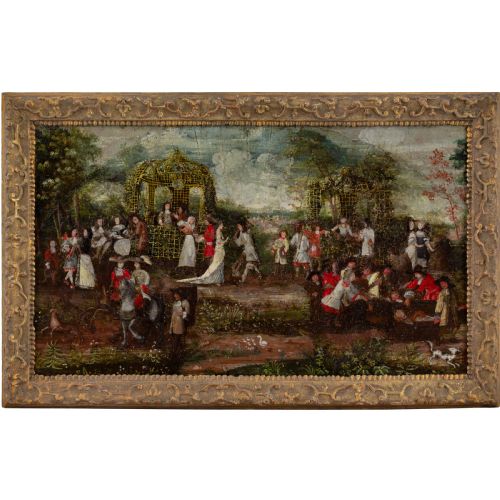
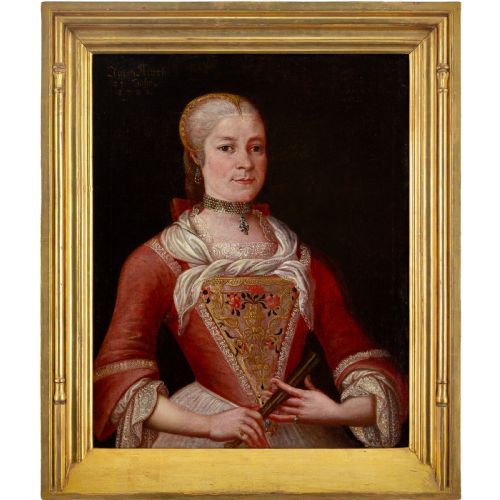
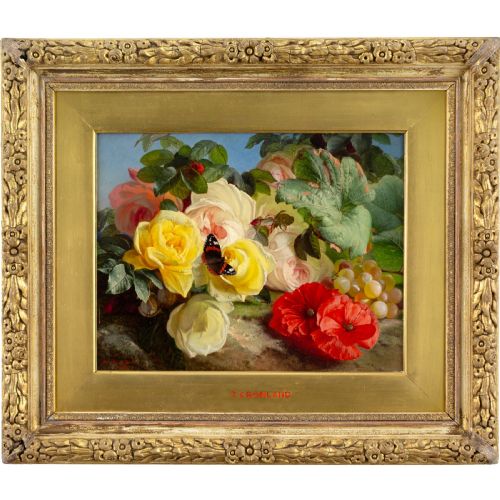
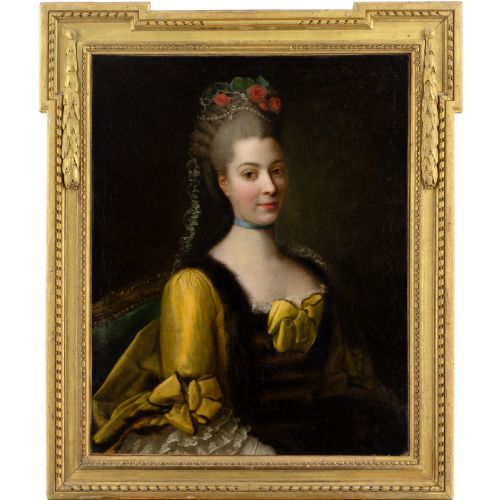
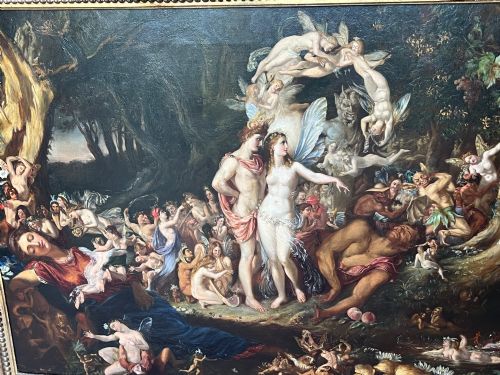
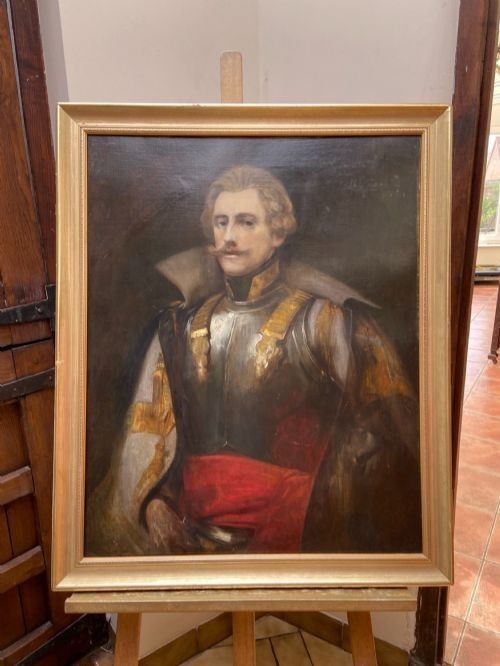
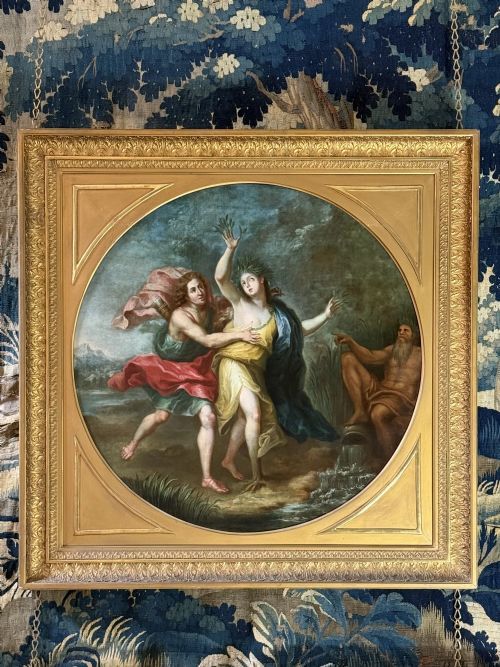
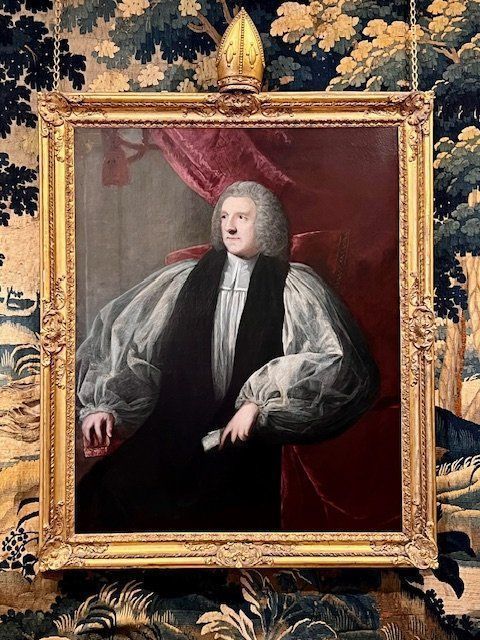
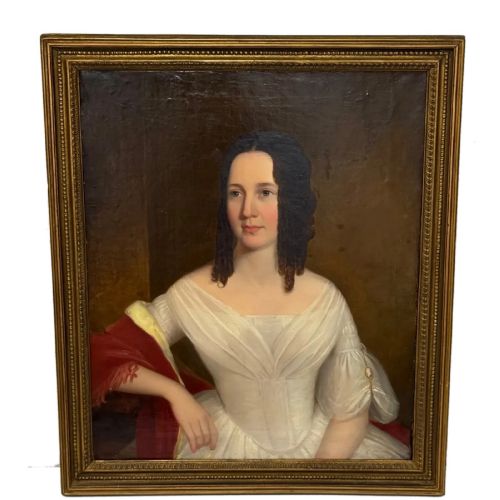
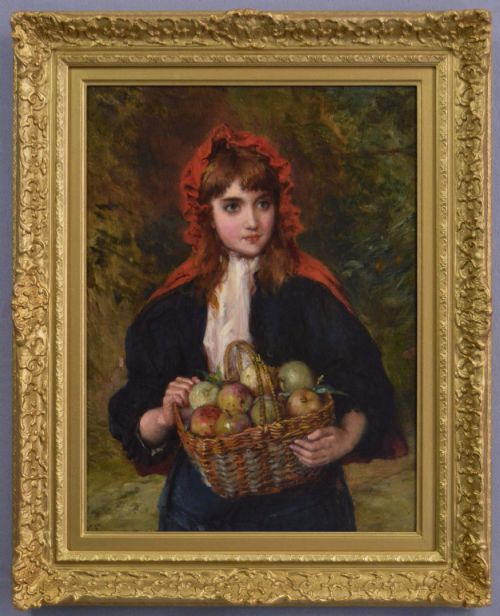
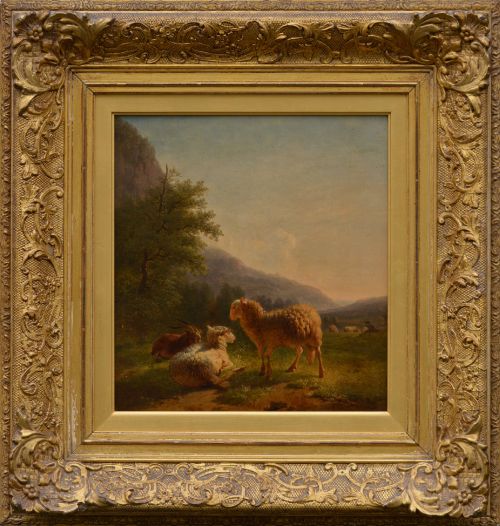
A canvas oil painting artwork comprises historical paintings created across the seventeenth, eighteenth, nineteenth, and twentieth centuries. Buyers searching this phrase meet framed works depicting equestrian portraits, coastal scenes, domestic stillness, and classical mythology.
The selections span distinct stylistic movements including Baroque, Georgian, Victorian, and Post-Impressionism. Portraiture and landscape dominate the available works, alongside devotional subjects and detailed still lifes featuring fruit and flora.
Origin points range from British and French schools to Flemish, Bavarian, and Italian workshops. Many pieces arrive framed in period surrounds such as giltwood.
How they were made
Makers applied oil paint directly onto stretched canvas, sometimes utilising wooden panel supports for specific compositions. Pigments were built up in layers to achieve depth in landscapes, drapery, and flesh tones.
Frames often employ carved wood finished with gilt or giltwood to house and protect the canvas. The combination of oil medium and woven canvas textile allowed artists to capture fine details and subtle light variations over extensive periods.
Listings feature oil paintings spanning from the seventeenth century through to mid twentieth-century British and European landscapes.
What varies in quality
Execution of anatomy, perspective, and facial expression separates accomplished portraiture and landscape from more rigid academic exercises. The handling of light and shadow across fabric or foliage reveals the technical competence of the hand behind the brush.
Condition of the pigment layer and the stability of the original canvas determine the integrity of the surface. Surviving original frames matching the period of the artwork add architectural and historical cohesion to the piece.
Henry Barraud·Sir Joshua Reynolds·Eugène Verboeckhoven·Sir Peter Lely·Charles Antoine Coypel
The Canvas Oil Painting Artwork Glossary
- Canvas
- A heavy woven fabric stretched across a wooden frame to provide the primary support for oil paint. It forms the flexible ground upon which historical compositions are built.
- Giltwood
- Wood carved and coated with gold leaf or a gold-coloured metallic finish. This material frequently frames antique paintings from the seventeenth century onwards.
- Oil Paint
- Pigment mixed with a drying oil such as linseed, allowing for slow blending and rich colour depth. It remains the defining medium for these historical artworks.
- School
- A group of artists working within a similar geographical region, period, or stylistic tradition. Attributions often reference specific schools when individual authorship remains secondary.
Canvas Oil Painting Artwork: Frequently Asked Questions
How do I date an antique oil painting?
Dating relies on stylistic clues, costume details in portraits, and the physical characteristics of the canvas and stretcher frame. Pigment analysis and historical records further narrow down the era.
Examining the back of the canvas often reveals old signatures, stamps, or labels from past framers and dealers. These elements help establish a reliable timeline for the artwork's creation.
Where should I hang my canvas painting?
Keep oil paintings away from direct sunlight and excessive moisture to protect the pigment and canvas structure. Stable indoor temperatures prevent warping in both the wooden stretcher and the frame.
Position the work at eye level on a wall capable of supporting the combined weight of the painting and its heavy giltwood surround. Adequate spacing allows the composition to breathe within the room.
How do I clean an old oil painting?
Surface dust should be removed gently using a soft, dry brush without applying pressure to the fragile paint layers. Avoid using water or liquid solvents on historical canvases.
Professional conservators handle deep cleaning, varnish removal, and canvas repairs. Attempting DIY restoration risks permanent damage to the original pigment.
What is the difference between canvas and board?
Canvas consists of woven textile stretched over a wooden frame, offering flexibility and a textured surface for oil paint. Board provides a rigid, flat wooden or composition support.
Both substrates appear across different centuries depending on artist preference and availability. Canvas remains the dominant support for larger formal portraits and landscapes.