

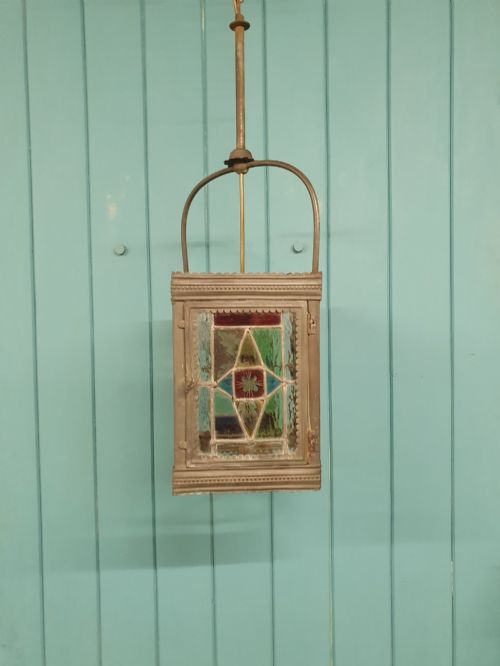


Victorian Hanging Lamp
A victorian hanging lamp illuminates an interior with brass and glass, bringing period character and warm overhead light to a room.
Victorian Hanging Lamp
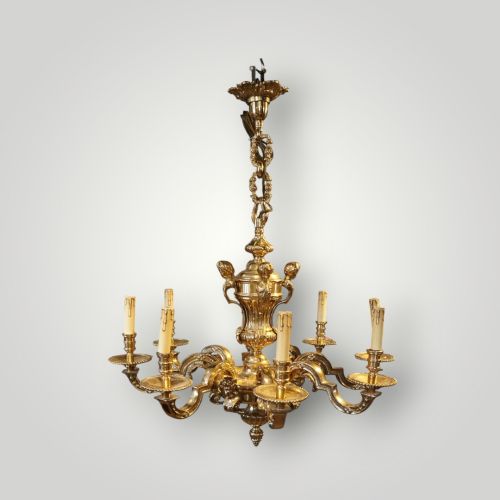
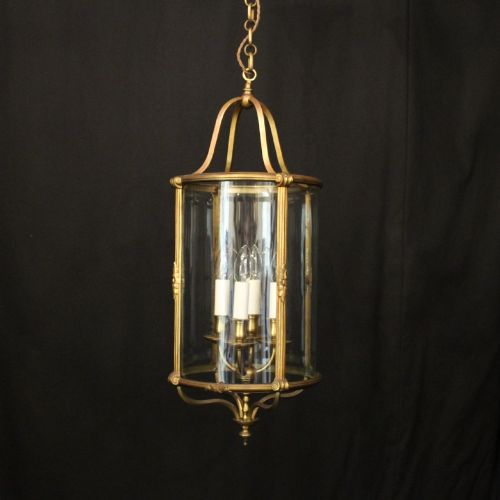
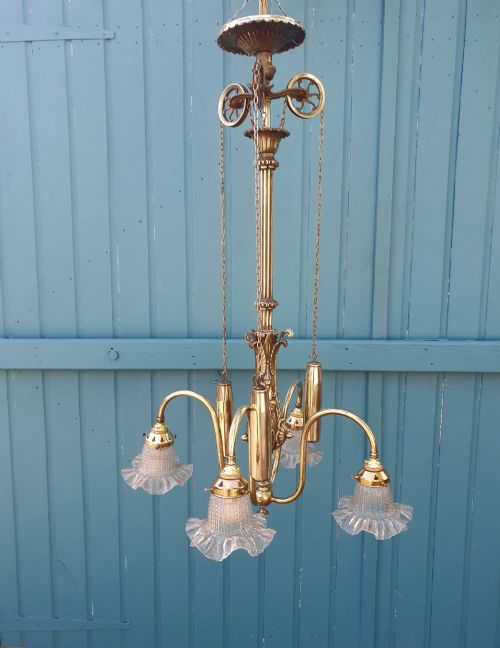
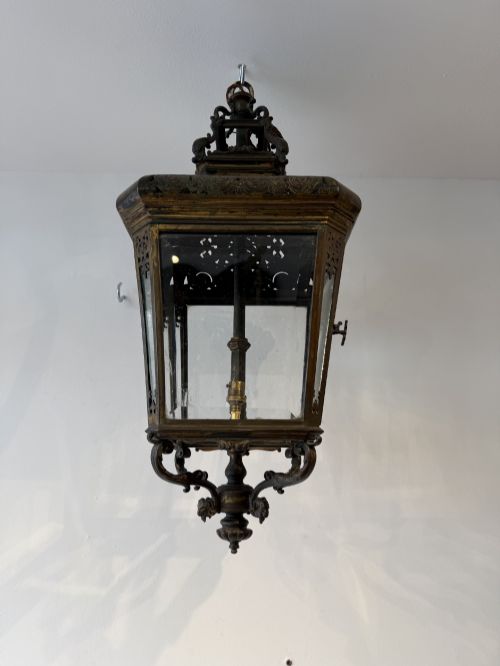
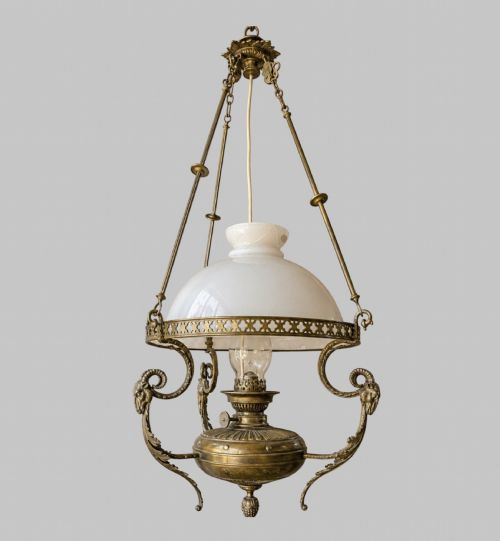
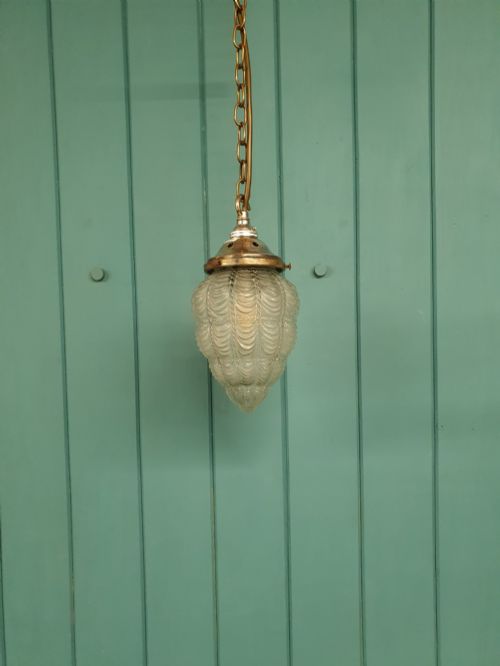
When searching for a victorian hanging lamp, collectors encounter a diverse group of overhead light fittings spanning the nineteenth century and the Edwardian era. These pieces range from multi-armed chandeliers and hall lanterns to single pendant lights and converted oil lamps.
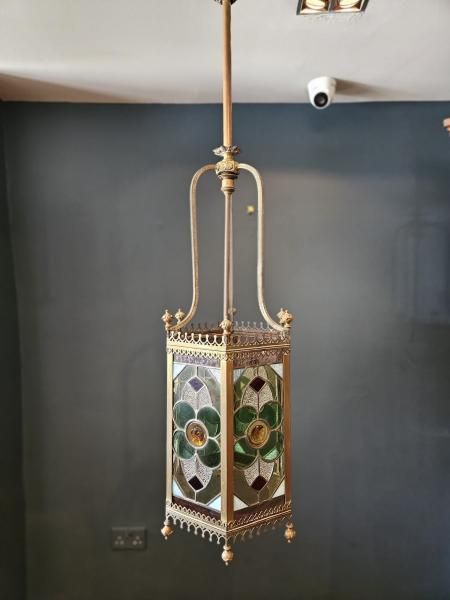
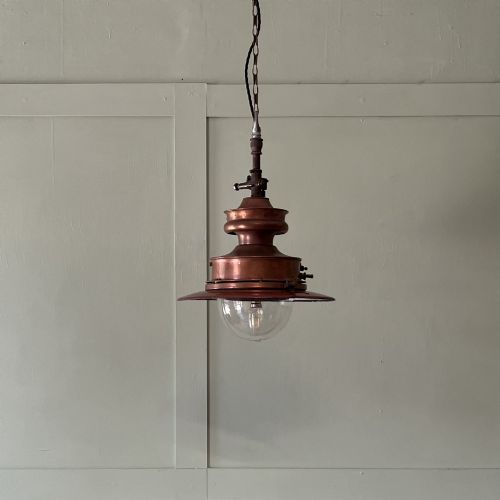
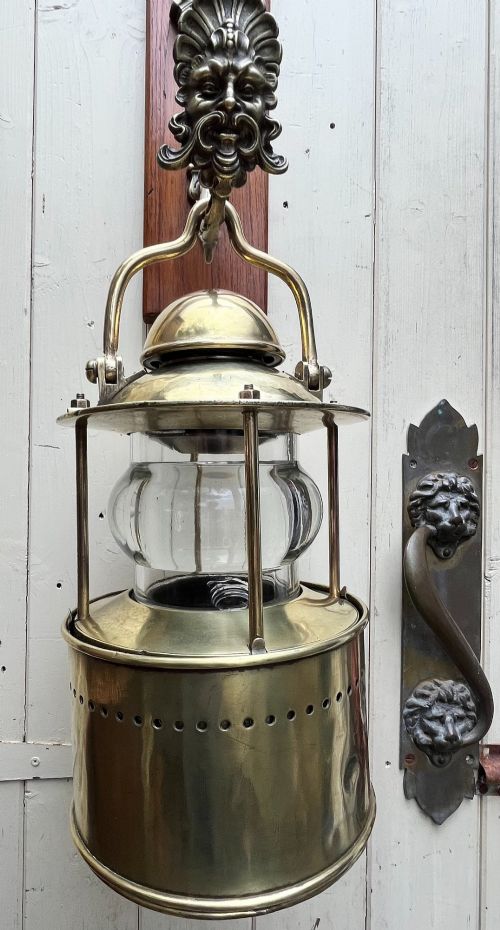
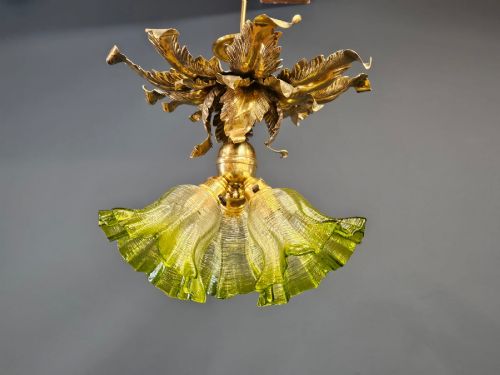
The selections on this page demonstrate the enduring popularity of brass, bronze, and glass fittings. Brass and gilded metal frameworks frequently support shades of opaline, coloured, or leaded glass, illuminating halls and principal rooms.
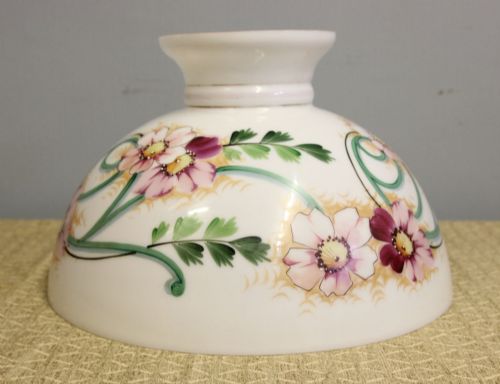
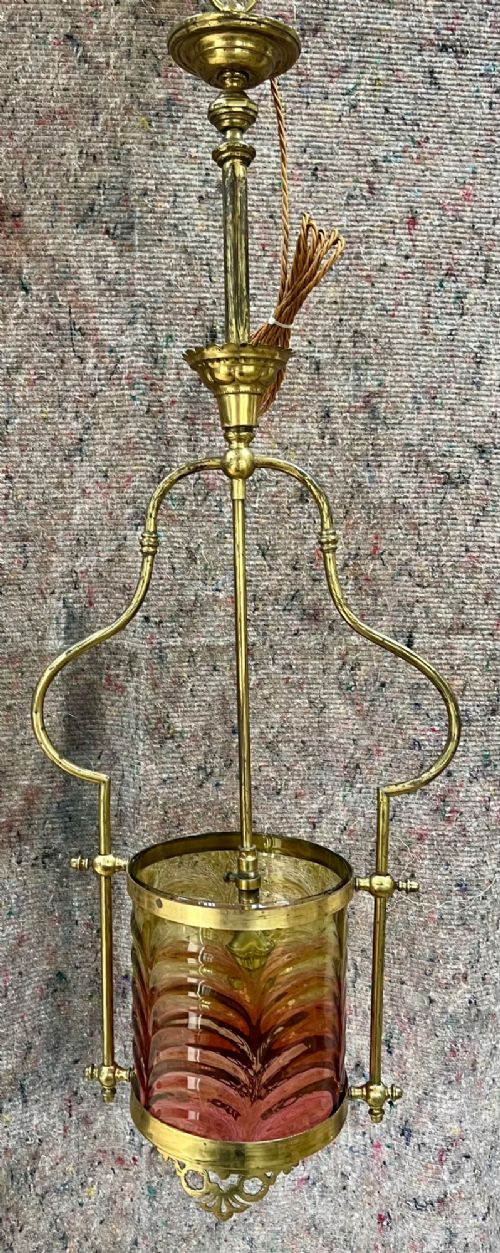
Buyers are most likely to meet brass and bronze ceiling lights featuring etched, cranberry, or red and yellow glass shades. These fixtures capture the aesthetic diversity of the period, from robust Gothic Revival designs to delicate floral and Arts and Crafts forms.
What varies in quality
The refinement of the cast metalwork and the hand-finish applied to the brass or bronze set finer examples apart. Crisp chasing on gilt bronze and intricate piercing on brass frames indicate superior workshop standards.
The integrity and artistry of the glass components heavily influence the appeal of a piece. Hand-etched motifs, vibrant coloured glass, and original leaded panels elevate the status of a lighting fixture.
The listings demonstrate a strong presence of brass and bronze frames paired with opaline, coloured, and leaded glass components across the Victorian and Edwardian periods.
The Victorian Hanging Lamp Glossary
- Opaline Glass
- A milky, semi-translucent glass frequently utilised for Victorian lamp shades to diffuse light softly. It appears in pale white or delicate pastel tones.
- Gasolier
- A multi-branched ceiling light originally designed to burn coal gas before being converted to electricity. These fixtures often feature hollow metal arms once used to channel gas.
- Chandelier
- A branched, suspended lighting fixture holding multiple bulbs or candles. Examples in this category range from simple four-arm brass models to grand six-branch bronze specimens.
- Hinks Burner
- A specific dual-wick burner mechanism patented in the nineteenth century for oil lamps. Its presence on a hanging paraffin lamp aids in dating and attribution.
- Holophane
- A brand of prismatic glass designed to direct and diffuse light efficiently. These ribbed glass shades are particularly valued in industrial and commercial lighting contexts.
Victorian Hanging Lamp: Frequently Asked Questions
How do I hang a heavy brass chandelier safely?
Suspension of heavy bronze and brass fittings requires securing the hanging weight directly into ceiling joists or using a robust ceiling rose with a proper metal hook. Professional electrical installation ensures the structural integrity supports the mass of the metal and glass.
Older fixtures often require rewiring to meet modern safety standards while retaining their original brass chains, canopies, and ceiling fixings.
Were these lamps originally for gas or oil?
Many nineteenth-century ceiling fixtures were engineered for paraffin, oil, or gas before electricity became standard in homes. Burners like the Hinks system indicate oil-burning origins, while hollow arms often point to gasaliers.
Conversions allow these historic lighting forms to function safely in modern rooms while preserving the authentic metalwork and glass shades of the period.
How do I identify a Victorian lantern?
Victorian lanterns typically display characteristic heavy brass, copper, or bronze framing combined with bevelled, leaded, or coloured glass panels. Stylistic cues include Gothic Revival arches, pierced brass decoration, and robust cast construction.
Examining the metal patina and the manufacturing techniques used on the frame helps distinguish nineteenth-century examples from later reproductions.
Can I clean antique brass and glass safely?
Cleaning antique brass is best approached with a soft dry cloth to preserve the natural aged patina rather than applying harsh commercial metal polishes. Aggressive cleaning can strip away centuries of character and finish.
Glass shades can be removed carefully and washed in warm soapy water, ensuring all dried residue is rinsed away before reassembling the pendant light.