
Victorian Hallway Storage
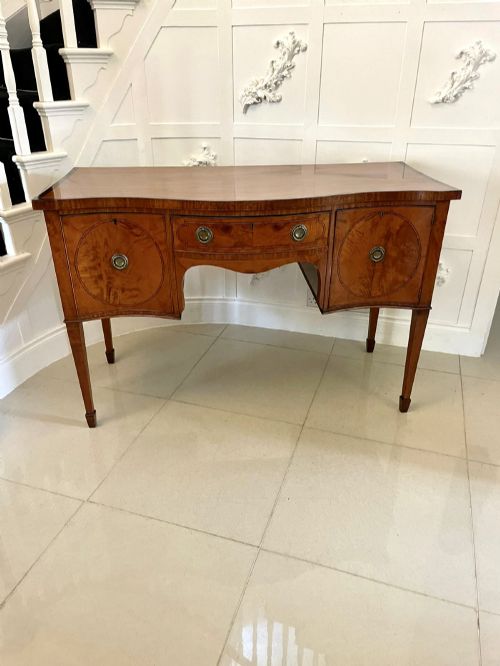
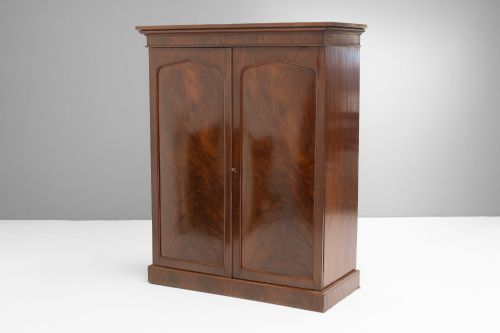
Victorian hallway storage brings together umbrella stands, hall stands, benches and cupboards crafted to keep the entrance hall tidy.
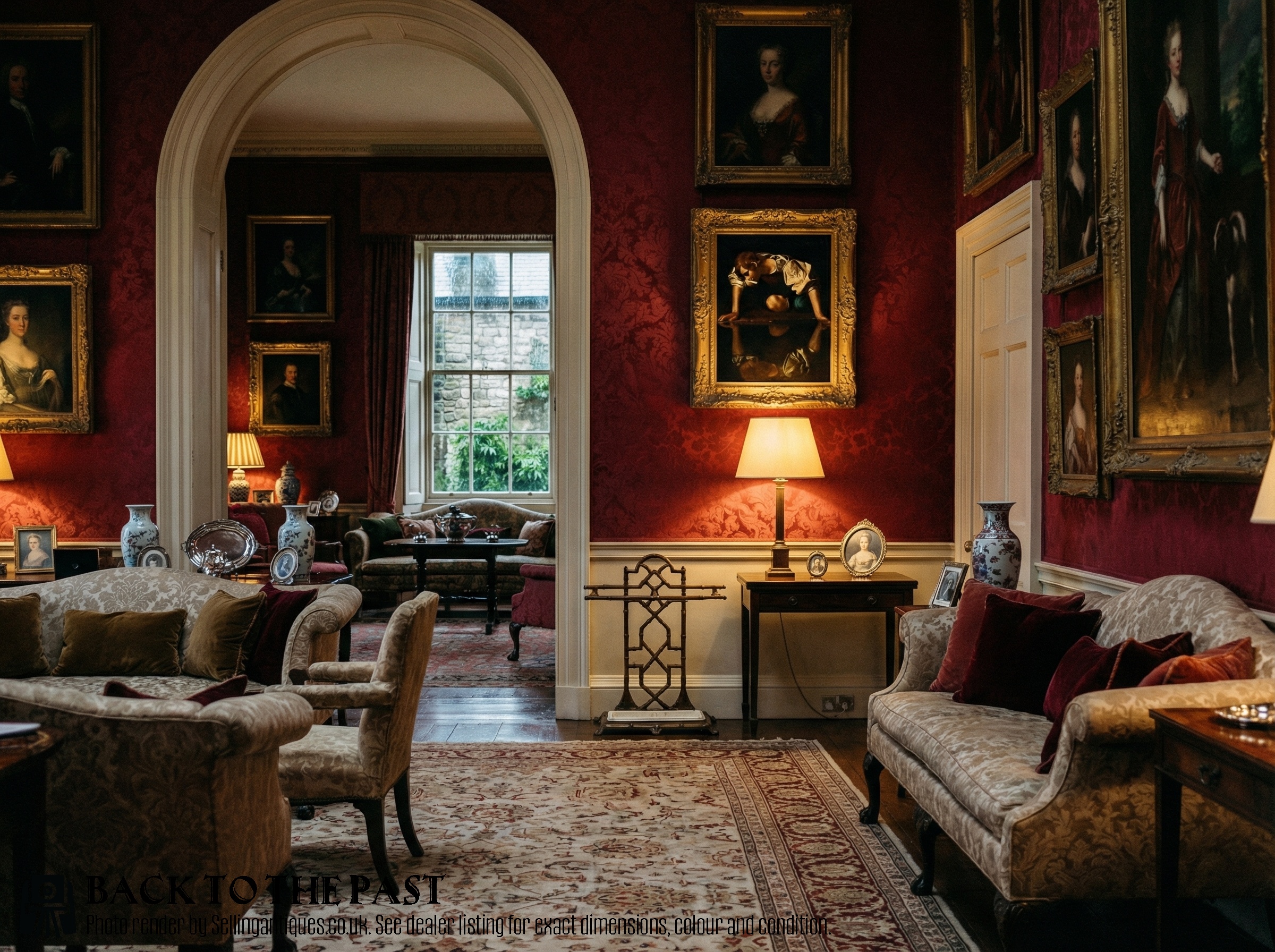
Victorian Hallway Storage
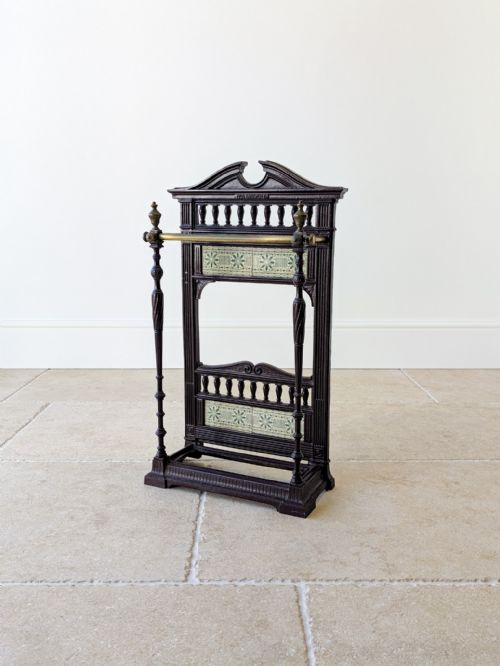
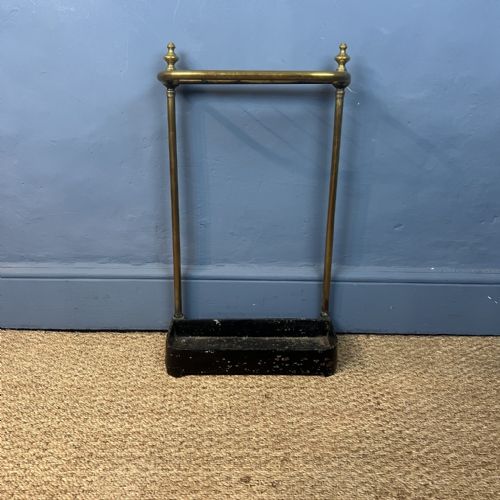
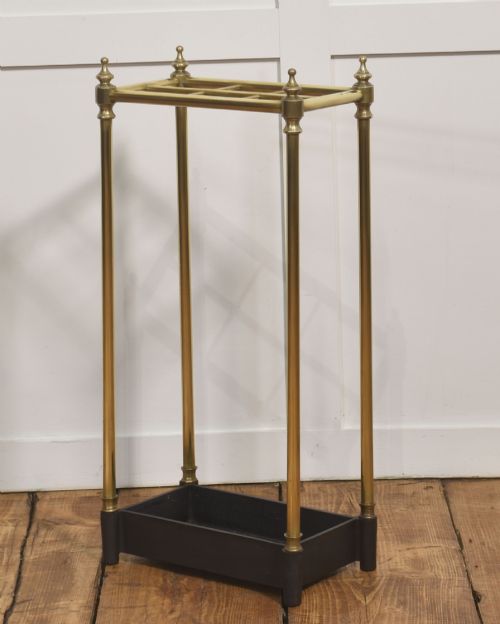
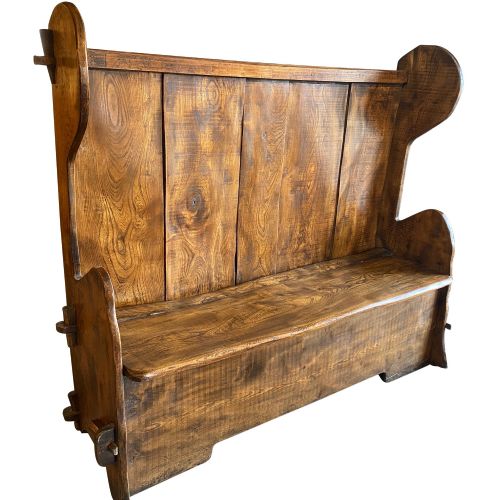
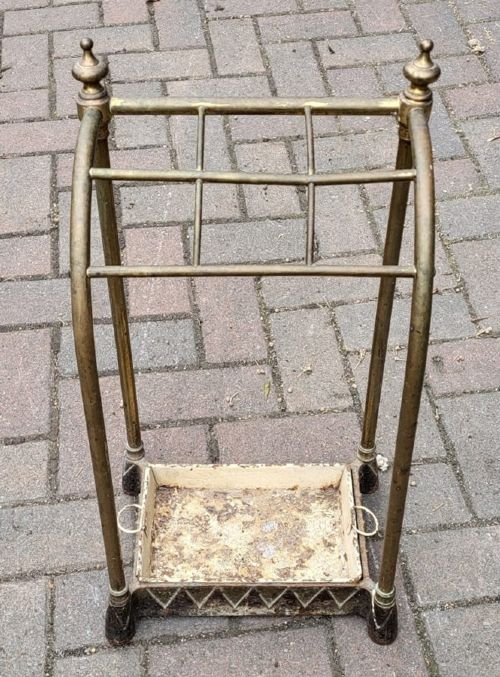
Victorian hallway storage encompasses a practical array of entrance furniture designed to manage coats, umbrellas, boots and seating. The pieces appearing most frequently range from cast iron stick stands and brass umbrella holders to solid oak and pine box settles.
Makers and manufacturers produced these items across the nineteenth century and into the Edwardian era, utilising durable woods and metals suited to heavy daily use. Buyers encounter everything from compact demi-lune metal stands to large multi-functional hall seat stands.
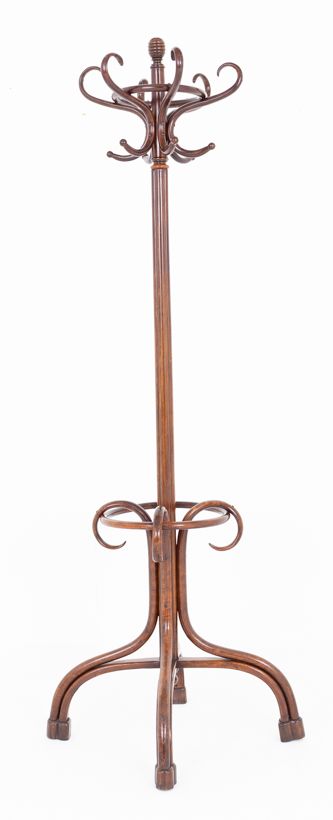
Regional variations span English country house pine items, Dutch brass vessels and continental bentwood designs. Each object reflects the specific domestic requirements of its period, prioritizing utility alongside decorative presence in the passage.
Materials and Construction
Makers relied heavily on solid hardwoods like mahogany and oak, alongside softer timbers such as pine and elm, often shaping them with coopered construction or carved details. Metalwork played a central role, utilising cast iron, brass and steel for umbrella frames, drip trays and decorative rails.
Surface treatments varied from waxed natural finishes and painted grey or white coats to polished brass and black-finished cast iron. Joinery techniques included robust pegging and box construction, ensuring that settles and cupboards could withstand the demands of the entranceway.
Victorian Hallway Storage Retail Price Guide 2026
Typical asking prices for victorian hallway storage among the pieces listed under this phrase on Sellingantiques today, from the lower quarter to the upper quarter. They describe what is for sale here now, not the wider market.
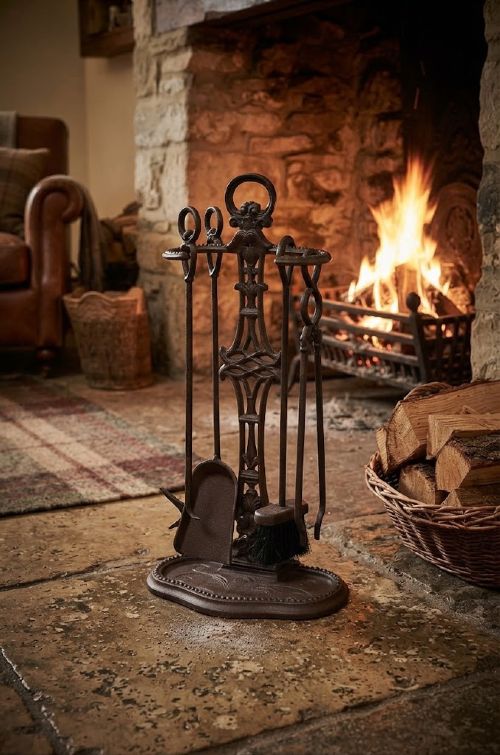
Some cast iron umbrella stands double as fire tool holders, blurring the line between the hearth and the front door.
Distinctions in Standard
Quality reveals itself in the integrity of the materials and the crispness of the original cast iron patterns or carved woodwork. Superior examples retain their fitted drip trays, original hardware and uncompromised structural joints without excessive timber replacement.
The sophistication of the design distinguishes standard utility items from exceptional workshop pieces, particularly when decorative elements like aesthetic movement motifs or specialised brass casting are present. Original surface patination accumulated over decades also separates well-preserved specimens from heavily altered pieces.
Coalbrookdale·Thomas Jeckyll·Thonet
The Victorian Hallway Storage Glossary
- Box Settle
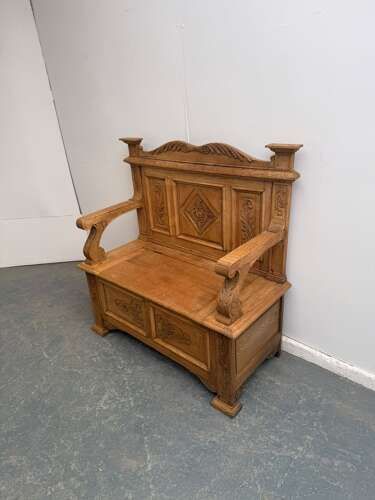
- A wooden bench featuring an enclosed storage compartment beneath the seat, often with a high back to block draughts in an entrance hall.
- Demi-Lune
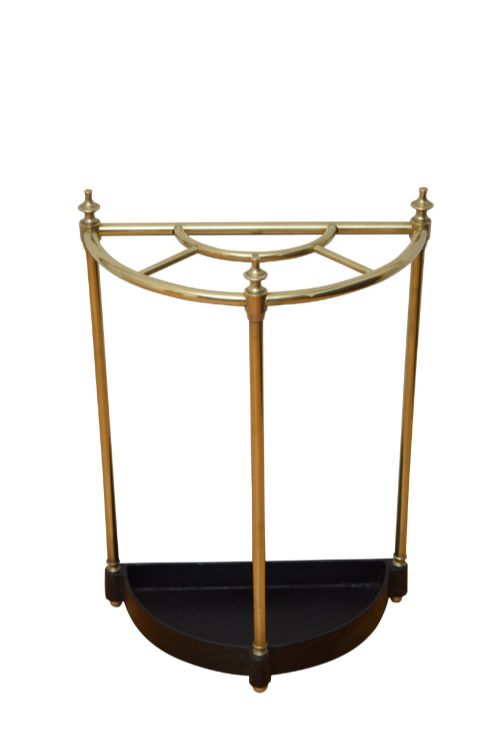
- A half-moon shape characteristic of certain brass and iron umbrella stands designed to sit flush against a wall.
- Coopered
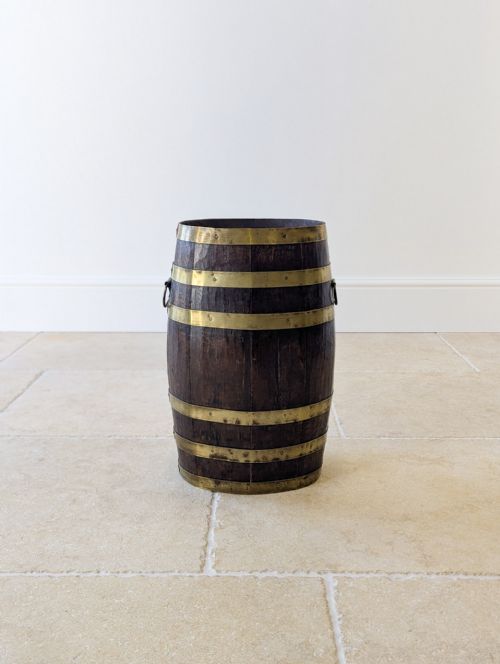
- A construction method utilising vertical wooden staves bound by metal hoops, commonly seen in oak barrel-style stick stands.
- Bentwood
- Wood softened by steam and bent into curved structural forms, frequently utilised in hatstands and umbrella frames.
- Drip Tray
- A removable metal basin positioned at the base of stick and umbrella stands to catch moisture from wet items.
Victorian Hallway Storage: Frequently Asked Questions
What is a hall stand?
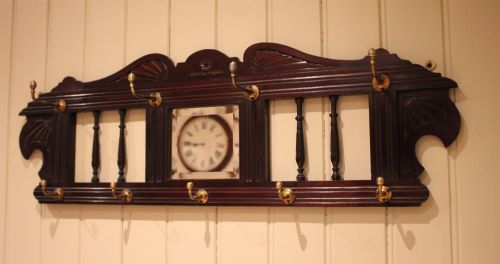
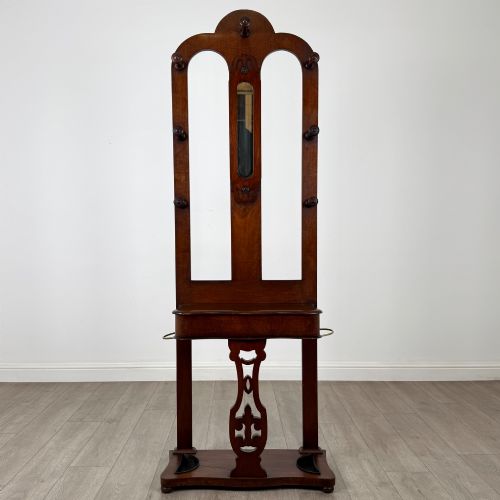
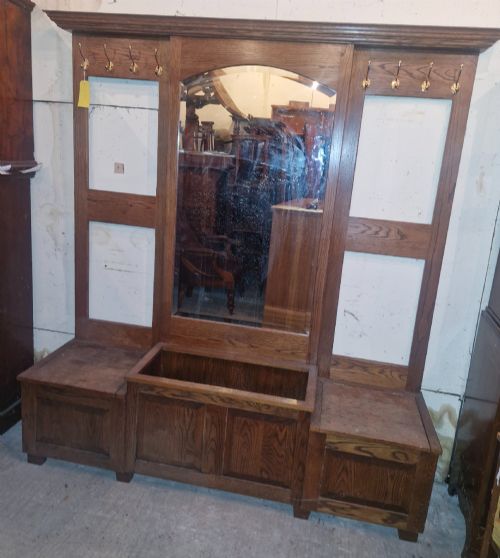
A hall stand is a tall piece of entrance furniture combining a mirror, coat hooks, umbrella wells and occasionally a small seat or glove drawer. It served as a central station for outdoor wear in nineteenth-century homes.
These pieces were constructed in mahogany, oak and other timbers to greet visitors immediately upon entry while keeping the hallway organised.
How do I use a box settle?
A box settle provides both a bench for sitting while putting on footwear and an enclosed chest underneath for storing boots, blankets or parcels. Placing one in a porch or hallway creates practical concealed storage.
The hinged seat lifts to allow easy access to the compartment while maintaining a tidy appearance in the passage.
Where were cast iron umbrella stands placed?
Cast iron umbrella stands stood directly on tiled or stone hallway floors where wet dripping from walking sticks and umbrellas could be managed safely. The heavy metal construction prevented the stand from tipping when loaded with heavy canes.
Many included integrated metal drip trays at the base to protect floor coverings from moisture.
How do I date a Victorian hall piece?
Dating relies on examining the timber types, construction methods, hardware and decorative styles visible on the piece. Nineteenth-century items often display hand-cut joinery, specific brass casting techniques or stylistic influences like the Aesthetic Movement.
Comparing the form against documented production periods helps narrow down the decade of manufacture.