


Victorian Hallway Mirror
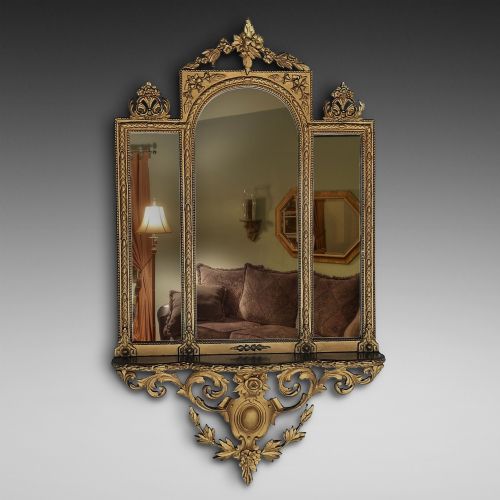
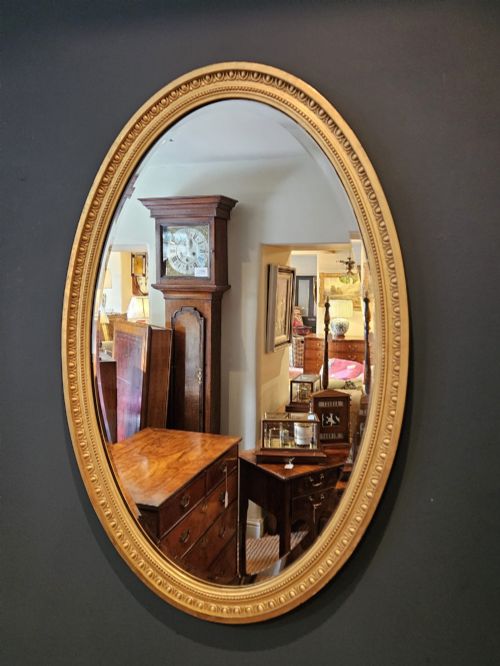
A victorian hallway mirror serves as the practical and decorative focal point for an entrance, combining glass and timber to greet visitors.
Victorian Hallway Mirror
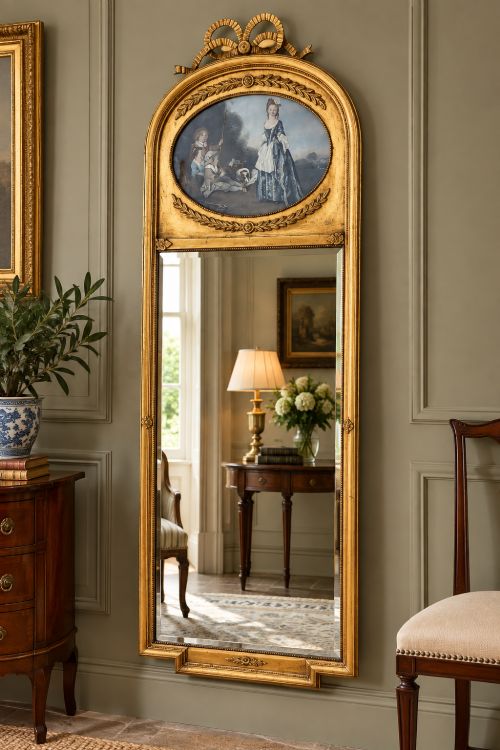
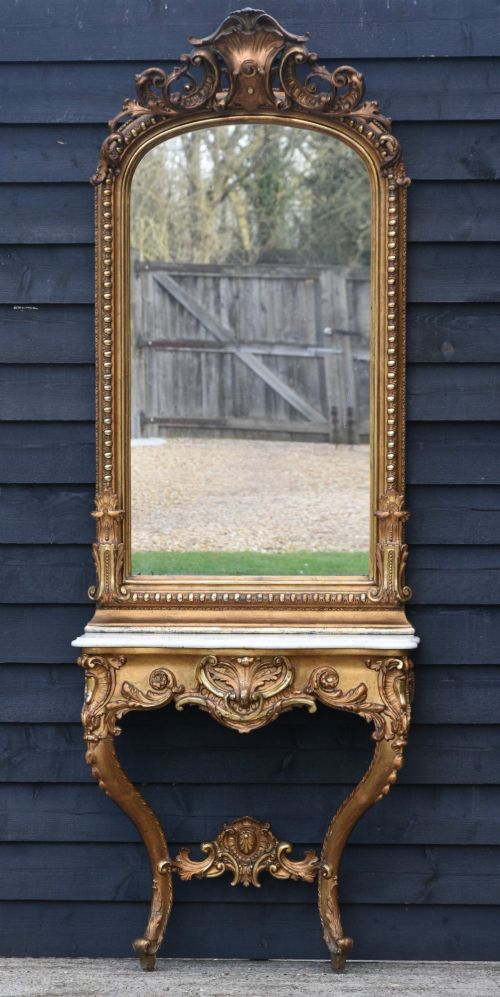
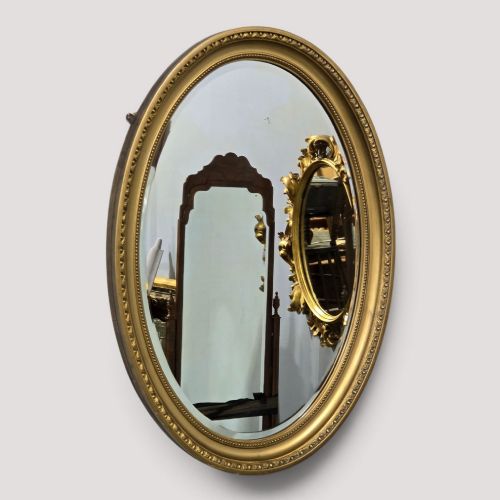
A victorian hallway mirror encompasses wall-mounted looking glasses, console tables with mirror backs, and multi-functional hall stands designed for nineteenth-century entryways. The pieces appearing most frequently range from simple oak wall mirrors with coat hooks to large gilt pier mirrors intended to reflect light in narrow spaces.
Materials and construction
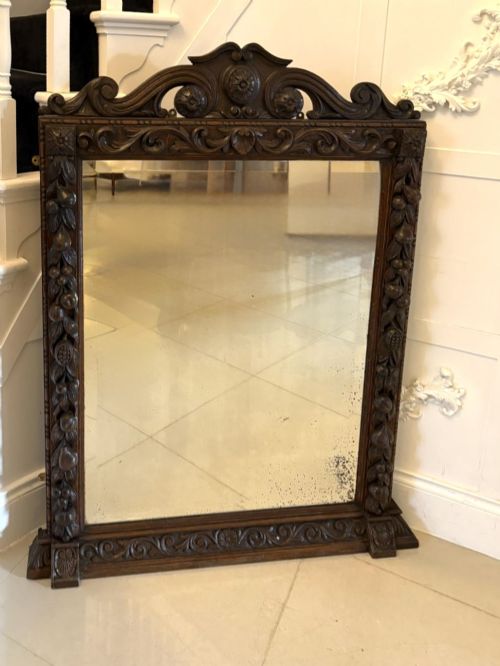
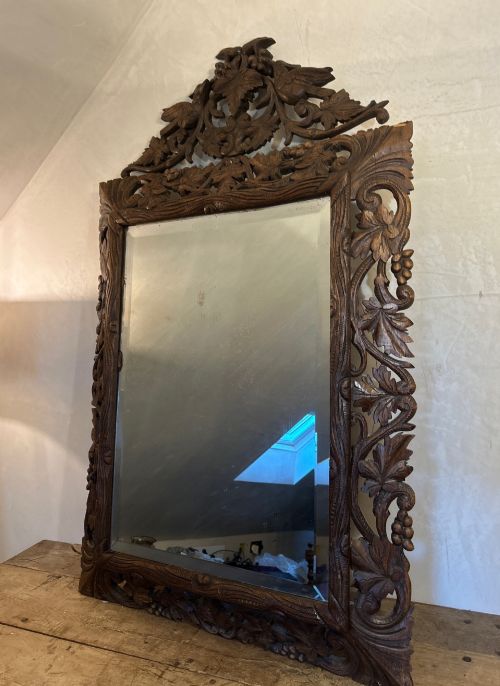
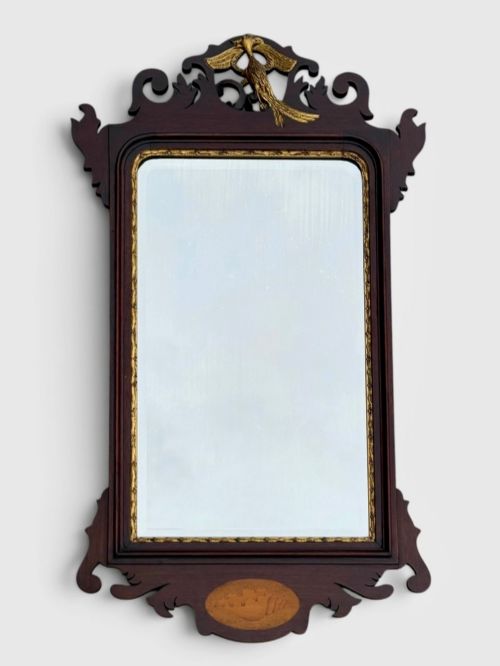
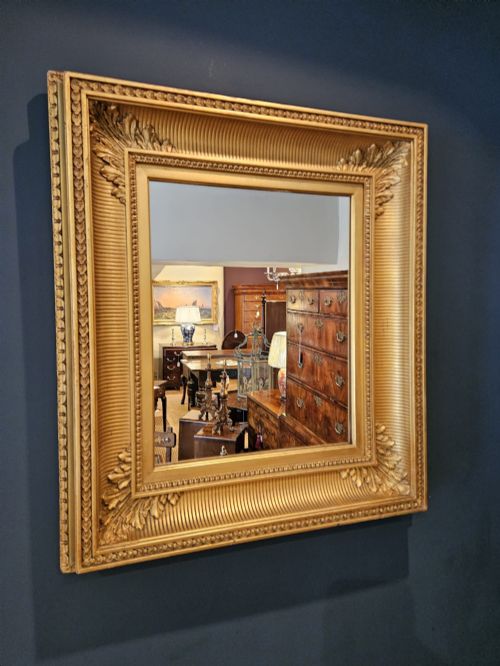
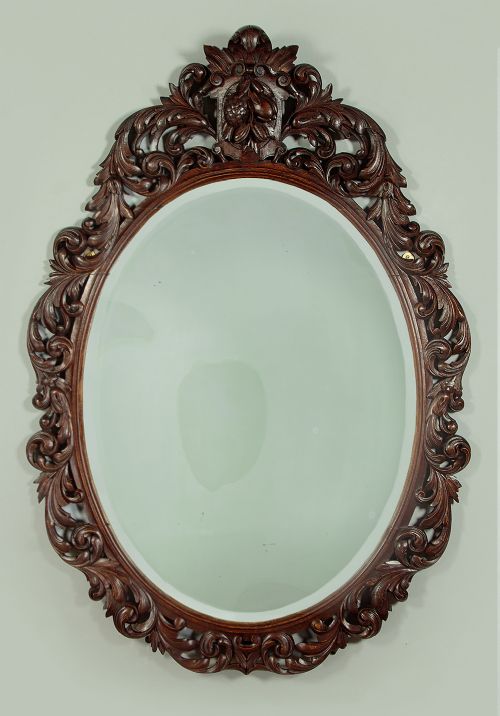
Frames rely heavily on traditional timbers including mahogany, oak, walnut, and maple, often shaped with hand-carved details or fretwork. Giltwood and gesso pieces utilise applied gold leaf or metallic paint over a carved plaster base to create reflective brilliance.
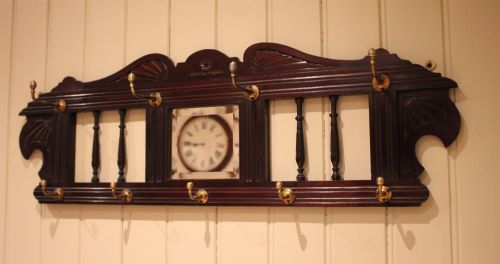
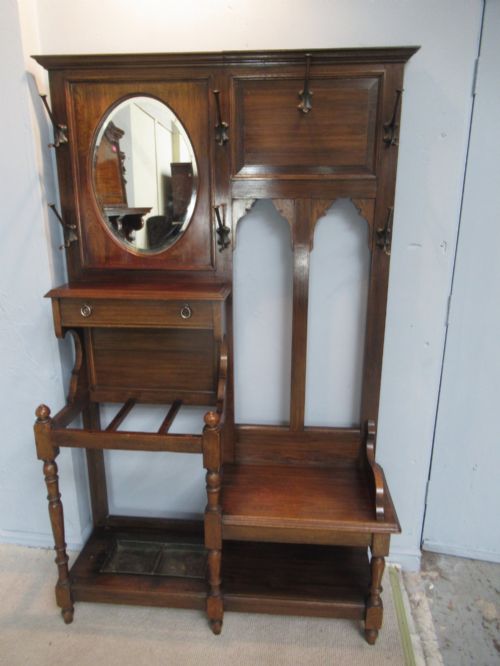
Functional pieces incorporate brass coat hooks, marble console tops, and structural mirror glass secured within heavy wooden backboards. Joinery techniques from the period involve mortise and tenon joints for structural hall stands and precise mitred corners for wall frames.
Several pieces double as multi-functional furniture, ensuring guests could hang coats, deposit walking sticks, and check their hair simultaneously.
Distinctions in standard
Quality depends upon the depth of hand-carved ornamentation and the crispness of details like acanthus leaves, crests, and fretwork panels. Heavy, solid timber construction stands apart from lighter secondary woods finished with superficial veneers.
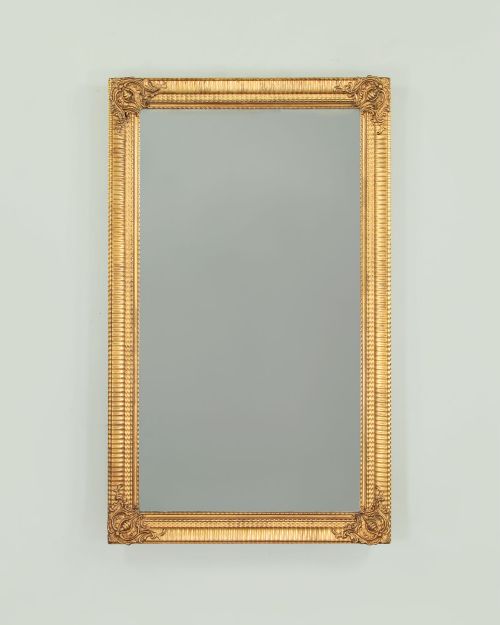
The integrity of the original mirror glass and the depth of the gilding on gesso frames dictate the visual impact of the piece. Superior examples maintain intact original backing boards and structurally sound joints on integrated umbrella stands and coat racks.
The Victorian Hallway Mirror Glossary
- Pier mirror
- A tall looking glass designed to hang on the narrow pier of wall between two windows. These pieces often feature console tables placed directly beneath them.
- Gesso
- A plaster-like material applied to wooden frames and carved or moulded into ornate relief patterns before gilding. This technique allows for intricate surface decoration.
- Overmantle mirror
- A large horizontal glass traditionally hung above a fireplace mantelpiece, frequently utilised in hallways for its grand scale and light-reflecting properties.
- Fretwork
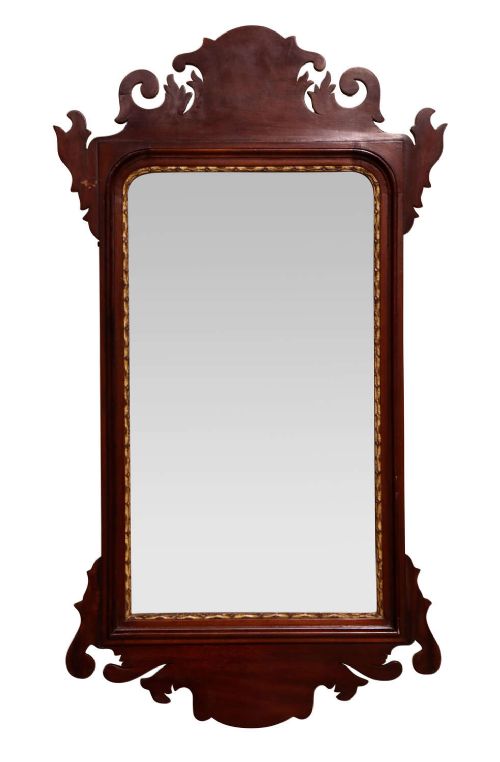
- Thin wood cut with intricate openwork patterns, commonly found on Chippendale style mahogany frames from the Victorian period. It requires precise hand-sawing.
- Japanned
- A style of European decorative finish that imitates East Asian lacquerwork, occasionally seen on Chinoiserie hallway mirrors with raised motifs.
Victorian Hallway Mirror: Frequently Asked Questions
How were hallway mirrors used?
These pieces served both a practical purpose for checking attire before leaving the house and an architectural function to brighten dim nineteenth-century entryways. Many incorporated coat hooks, umbrella wells, or small shelves for calling cards.
Larger console combinations provided a surface for gloves and letters, anchoring the entrance furniture scheme of a period home.
Where should I place a hall stand?
A hall stand requires a sturdy wall and adequate floor space to accommodate its depth, particularly models featuring integrated seat benches and storage compartments. Placement near the primary entrance ensures practical use of the coat hooks and umbrella racks.
Consider natural light sources when positioning the mirror glass to maximise brightness in the hallway.
How do I identify a Victorian mirror?
Key indicators include timber choices like mahogany, walnut, and oak, alongside heavy construction methods and traditional hand-cut mirror bevelling. Stylistic clues point to revival periods such as French Rococo or Gothic influences.
Backboards typically consist of heavy, panelled timber fixed with period-appropriate screws or handmade nails.
What is an aesthetic movement hall stand?
This type of hall stand reflects late nineteenth-century design principles that favoured simpler lines, bamboo construction, and Japanese-inspired motifs. These pieces are typically more compact than heavy oak or mahogany equivalents.
They often incorporate tiled backs or brass fittings characteristic of the movement's focus on artistic design in everyday objects.